As Winter Storm Gerri descended upon Texas with an icy grip, Dallas-Fort Worth residents, alongside football fans across the state, were closely monitoring conditions. While some might have tuned into the Chiefs vs. Dolphins game on Saturday night, anticipating the Cowboys’ playoff game, many more were focused on local news, grappling with the immediate realities of plummeting temperatures and looming hazards. Following the critical lessons learned from the devastating Winter Storm Uri in 2021, the importance of robust preparation and reliable information cannot be overstated. With freezing temperatures firmly in place and potential disruptions on the horizon, daltxrealestate.com has meticulously compiled this comprehensive guide to empower you with the knowledge and tools needed to navigate the challenges of winter’s onslaught safely and effectively.
Our commitment to community safety and preparedness drives us to ensure you have immediate access to vital public information sources. The unforgettable winter storm of 2021 taught Texans a profound lesson: information is not just power; it’s a lifeline. Timely updates and accurate data can make all the difference in protecting your family and your property. Here, we present the essential channels through which you can track and stay informed about Winter Storm Gerri and its ongoing impact.
How to Monitor the Texas Energy Grid Conditions: A Critical Lifeline for Texans
Understanding the state of our energy grid is paramount during severe winter weather. The Electric Reliability Council of Texas (ERCOT) is responsible for managing the flow of electric power to more than 26 million Texas customers, representing about 90 percent of the state’s electric load. Monitoring ERCOT’s real-time data can provide crucial insights into the stability of our power supply and help you anticipate potential outages. For Texans, this isn’t just a matter of curiosity; it’s a proactive measure for personal and household safety.
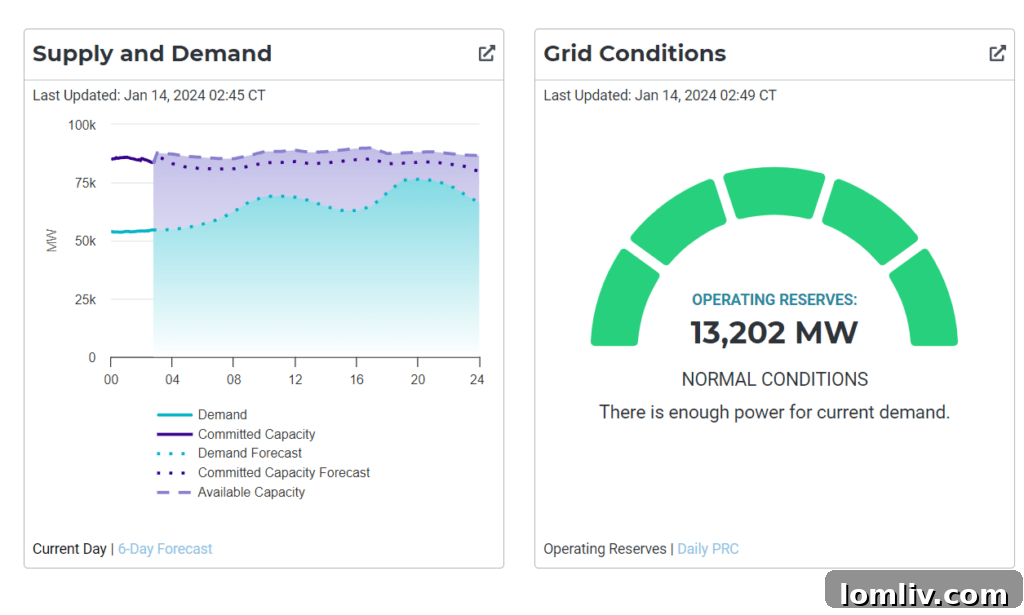
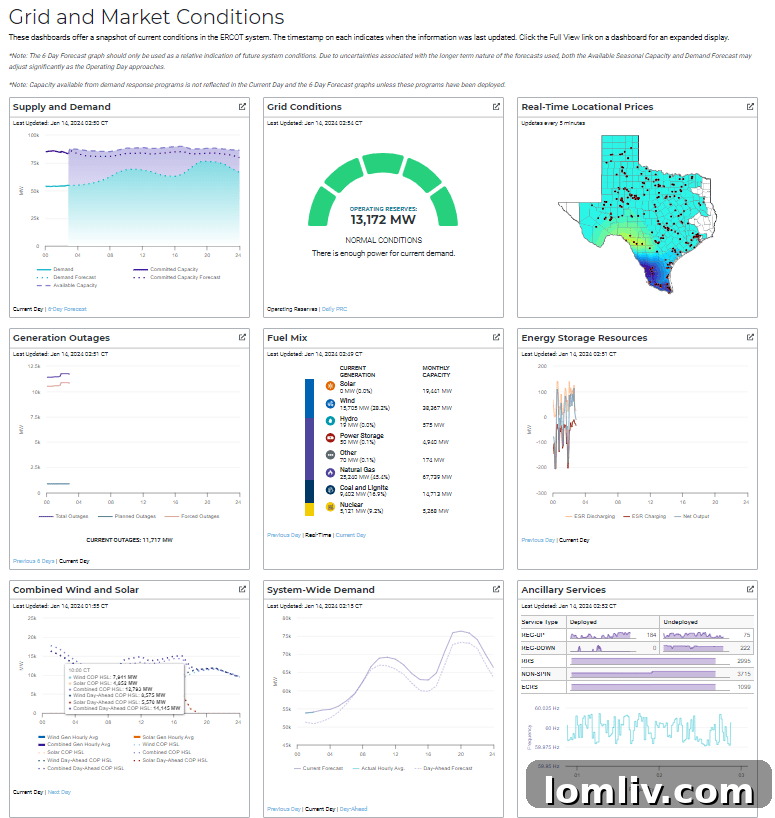
The ERCOT Real-Time System Conditions dashboard is the ultimate resource for monitoring our Texas energy grid. This dashboard provides a snapshot of the grid’s health, offering critical data points that can signal potential issues. Specifically, when reviewing the primary chart depicting supply and demand, the most crucial metrics to observe are “Demand” and “Available Capacity.” For those referencing older charts, these might appear as “Actual System Demand” and “Total System Capacity.” These numbers are vital: “Demand” represents the total electricity being consumed across Texas, while “Available Capacity” indicates the total amount of electricity our power plants can generate and deliver to the grid. When “Demand” approaches or exceeds “Available Capacity,” the grid is under severe stress, significantly increasing the likelihood of controlled outages or rolling blackouts. Maintaining a healthy margin between capacity and demand is essential for grid stability, especially during periods of extreme weather.
For context, you might find it insightful to compare current conditions with data from the 2021 winter emergency. Understanding how the grid performed under previous severe stress can offer a benchmark for current preparedness and operational effectiveness.
Beyond ERCOT, the Public Utility Commission of Texas (PUC) also provides resources, including what appears to be a real-time map of power outages throughout the state. However, a common misunderstanding arises from its visual representation:
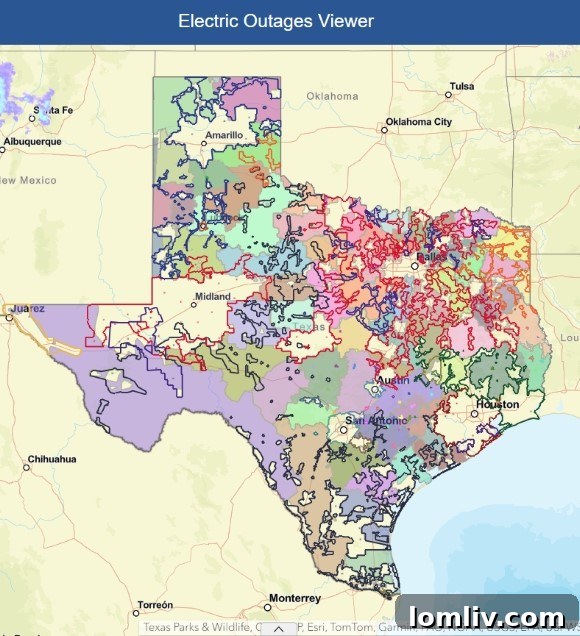
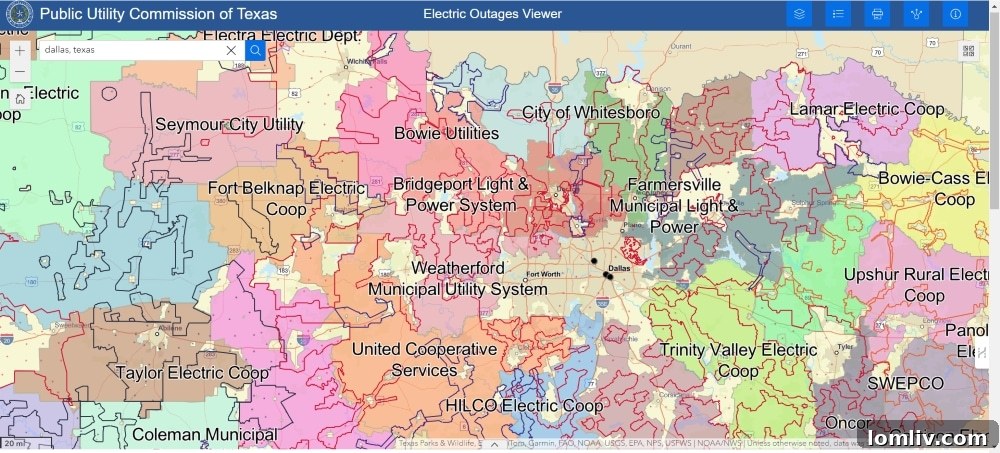
Upon first glance, many might experience a moment of panic. However, it’s crucial to clarify that the colors displayed on this particular map indicate service area boundaries for various utility providers, not actual electricity outages. For precise, real-time power outage information, your most reliable sources will be the direct websites or dedicated outage maps of your specific utility provider (e.g., Oncor, CenterPoint Energy, Reliant Energy, etc.). Always bookmark your utility provider’s outage page for quick reference.
In addition to official dashboards, local utility companies like Oncor are highly proactive in posting frequent social media updates. Platforms such as X (formerly Twitter) serve as critical channels for disseminating real-time information regarding weather alerts, service impacts, and safety tips. Following your utility provider and local news channels on social media can offer immediate, actionable advice and updates throughout the storm.
#OncorWeatherCurrent Update – A wind chill advisory is in place for many TX communities from Sat. night until Tue. morning. @KaitiBlake says wind chills will be below 0 or in the single digits. Put safety first in cold weather: dress in layers & cover exposed skin. #dfwwx #txwx pic.twitter.com/vAdyBid5NM
— Oncor (@oncor) January 14, 2024
Comprehensive Winter Tips for Protecting Your Home and Property
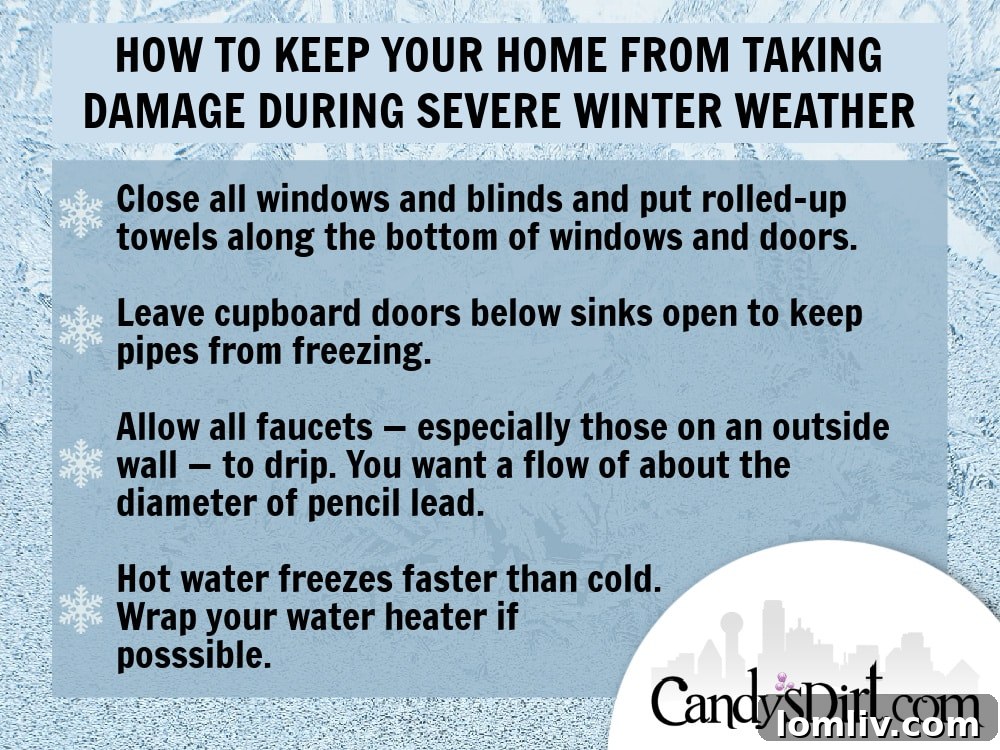
Winter storms pose a significant threat to home infrastructure, particularly plumbing systems. The connection between freezing temperatures, potential power outages, and burst pipes is a homeowner’s worst nightmare. However, with the right preventative measures and knowledge, you can significantly mitigate risks and protect your property. Preparedness is key, starting well before temperatures drop below freezing.
Proactive Measures: Preparing Your Home Before the Freeze
- Insulate Exposed Pipes: Identify any pipes in unheated areas like attics, crawl spaces, or outside walls. Wrap them with foam pipe insulation sleeves, heating tape, or even old towels or blankets. This small investment can prevent costly damage.
- Drip Faucets Strategically: During a freeze, allow a slow drip from both hot and cold water faucets, especially those on exterior walls. Moving water is less likely to freeze than stagnant water, helping to relieve pressure buildup in pipes.
- Open Cabinet Doors: For sinks located on exterior walls, open the cabinet doors underneath to allow warmer indoor air to circulate around the pipes.
- Disconnect Hoses and Cover Outdoor Faucets: Remove all garden hoses from outdoor spigots. If left connected, water trapped in the hose can freeze and expand back into the pipe, potentially rupturing the faucet and interior pipes. Cover outdoor spigots with insulated covers.
- Winterize Sprinkler Systems: Ensure your irrigation system is properly drained and winterized according to manufacturer guidelines to prevent lines from freezing and bursting.
- Maintain a Consistent Thermostat Setting: Even if you’re leaving your home for a short period, keep your thermostat set to at least 55°F (13°C) to maintain ambient warmth that protects pipes from freezing.
- Locate Your Main Water Shut-Off Valve: Knowing how to quickly turn off your home’s main water supply is crucial in the event of a burst pipe. This can minimize water damage significantly. Test it periodically to ensure it’s functional.
- Consider a Generator: If power outages are a frequent concern, a backup generator can provide essential power. However, always operate generators outdoors in a well-ventilated area, far from windows and doors, to prevent carbon monoxide poisoning.
- Check Carbon Monoxide Detectors: With increased use of alternative heating sources, ensure your carbon monoxide detectors are working correctly and have fresh batteries.
What To Do If Your Pipes Freeze
Even with the best preparation, pipes can sometimes freeze. It’s important to understand that not all frozen pipes will burst, especially if the pipe is thawed safely and quickly. The key is to act promptly and cautiously.
To safely thaw pipes:
- Open a Tap FIRST: Before you attempt to thaw a pipe, make sure to open the nearest tap (hot and cold). This allows water to flow out as the ice melts, reducing pressure buildup that could otherwise cause the pipe to burst.
- Apply Gradual Heat: Use a hairdryer, heating pad, or a portable space heater (kept at a safe distance) to warm the frozen section of the pipe. Warm towels soaked in hot water can also be effective. Apply heat gradually and patiently. Never, under any circumstances, use a torch, open flame, or any high-heat device to thaw pipes, as this is extremely dangerous and can cause fires or further damage.
- Monitor for Leaks: As the pipe thaws, watch carefully for any signs of leaks. Even a small leak can indicate a crack that may worsen over time.
- Call a Plumber Immediately: If you suspect your pipes are frozen and at risk of bursting, or if you cannot locate the frozen section, or if your efforts to thaw are unsuccessful, do not hesitate to call a licensed plumber. The sooner a professional addresses a frozen pipe, the better your chances of mitigating extensive water damage and costly repairs.
- Identify a Burst Pipe: If you notice a sudden drop in water pressure, visible water leaks (especially in ceilings or walls), or an unusually high reading on your water meter when no water is being used, you likely have a burst pipe. Turn off your main water supply immediately and contact a plumber.
Just last week, Brenda Masse provided us with an in-depth round-up of the best home plumbing tips accumulated over the years. This valuable resource includes detailed instructions on how to check for burst pipes using your water meter, essential tips for protecting your pool equipment from freezing, and even shares a few “facepalms” – common mistakes home inspectors have observed, offering humorous yet educational insights into what not to do.
Further guidance on dealing with frozen plumbing is provided by the Dallas Builders Association, whose recommendations are invaluable for homeowners:
- They emphasize the critical importance of cutting off water to the entire house at the main shut-off valve to minimize potential damage from burst pipes.
- Their advice includes how to effectively identify shut-off valves and offers tailored strategies for addressing frozen pipes in various common household scenarios.
- Notably, around the 04:00 minute mark of their instructional video, you’ll find particularly helpful information dedicated to troubleshooting and dealing with frozen tankless hot water heaters, a modern appliance that requires specific care during freezing conditions.
Prioritizing Your Well-being: Taking Care of Yourself and Loved Ones During Winter Storm Gerri
Beyond protecting your home, safeguarding your personal well-being and that of your family, including pets, is paramount during severe winter weather. Thoughtful preparation can make a significant difference in navigating power outages, travel disruptions, and extreme cold.
Essential Emergency Supplies and Preparedness Kits
Proactive stocking of emergency supplies is a non-negotiable step. Ensure you have a well-organized emergency kit that includes:
- Warmth and Shelter: Ample blankets, sleeping bags, and extra layers of warm clothing. Consider having an emergency heat source, such as a propane or kerosene heater, used strictly with proper ventilation.
- Non-Perishable Food and Water: Stock at least a three-day supply of non-perishable food items that require no cooking or refrigeration. This includes canned goods, energy bars, dried fruit, and nuts. Have at least one gallon of bottled water per person per day for drinking and sanitation.
- First Aid and Medications: A comprehensive first-aid kit, along with a week’s supply of any prescription medications and over-the-counter pain relievers or fever reducers.
- Lighting and Power: Flashlights (multiple, with extra batteries), battery-powered lanterns, and power banks for charging mobile devices. Avoid using candles as a primary light source due to fire risk.
- Communication: A battery-powered or hand-crank radio to receive emergency broadcasts. Ensure cell phones are fully charged before the storm hits. Consider a traditional landline if you still have one, as it might work during power outages.
- Cash: ATMs and credit card machines may be inoperable during power outages.
- Special Needs: Remember supplies for infants, elderly family members, or individuals with disabilities. This includes formula, diapers, oxygen tanks, or specific medical equipment.
Safe Driving Practices and Travel Awareness
If travel is absolutely unavoidable during winter storm conditions, exercising extreme caution on icy and snow-covered roads is essential. Road conditions can deteriorate rapidly, making even short trips hazardous.
- Vehicle Winterization: Ensure your vehicle is winter-ready. This includes checking antifreeze levels, having good tire tread (consider winter tires if conditions are severe), ensuring your battery is strong, and keeping your gas tank at least half-full to prevent fuel line freezing and ensure you have enough fuel for heating if stranded.
- Emergency Car Kit: Equip your vehicle with an emergency kit including jumper cables, a flashlight, blankets, non-perishable snacks, water, a first-aid kit, sand or kitty litter for traction, and a small shovel.
- Monitor Road Conditions: Stay updated on road conditions through the Texas DOT (Department of Transportation) travel map. However, for real-time traffic and road closures, applications like Apple Maps, Google Maps, and Waze often provide the most current information based on user reports.
- Black Ice Awareness: Be vigilant for “black ice,” a thin, transparent layer of ice that is nearly invisible and extremely dangerous. It often forms on shaded areas of roads, bridges, and overpasses.
- Slow Down: Reduce your speed significantly, maintain ample following distance, and avoid sudden braking or steering movements.
- Communicate Travel Plans: Inform family or friends of your travel route and estimated arrival time.
Pet Care During Cold Weather
Our furry companions are also vulnerable to extreme cold and require special attention during winter storms. Their safety and comfort are just as important as our own.
- Bring Pets Indoors: The safest place for pets during extreme cold is indoors with your family. Their body temperatures can drop rapidly, leading to hypothermia and frostbite.
- Provide Adequate Outdoor Shelter: If pets absolutely must remain outside for short periods, ensure they have access to a well-insulated, weather-protected shelter that is elevated off the ground and has dry bedding. The entrance should be covered to block wind and snow.
- Ensure Food and Water: Increase your pet’s food intake slightly during extreme cold, as they burn more calories to stay warm. Provide fresh, unfrozen water at all times. Use plastic bowls outdoors to prevent your pet’s tongue from sticking to metal.
- Limit Outdoor Time: Shorten walks and outdoor excursions. Check paws frequently for ice buildup or irritation from salt and de-icers.
- Identify Pet-Friendly Warming Centers: Research local warming shelters that accommodate pets in case you need to evacuate your home.
Community and Communication
Winter storms are often best weathered as a community. Reach out to elderly neighbors or those who might be vulnerable to ensure they are safe and have necessary supplies. Local churches, community centers, and municipal buildings often open as warming centers during severe weather; know their locations and operating hours. Keep your phone charged, but also have alternative communication plans in case cell towers are affected. This collective vigilance reinforces our resilience against nature’s challenges.
By diligently following these guidelines and staying informed through reliable sources, Dallas-Fort Worth residents can significantly enhance their safety and preparedness during Winter Storm Gerri. Remember, being proactive is your best defense against the unpredictable nature of severe winter weather. Stay warm, stay safe, and rely on community resources for support.