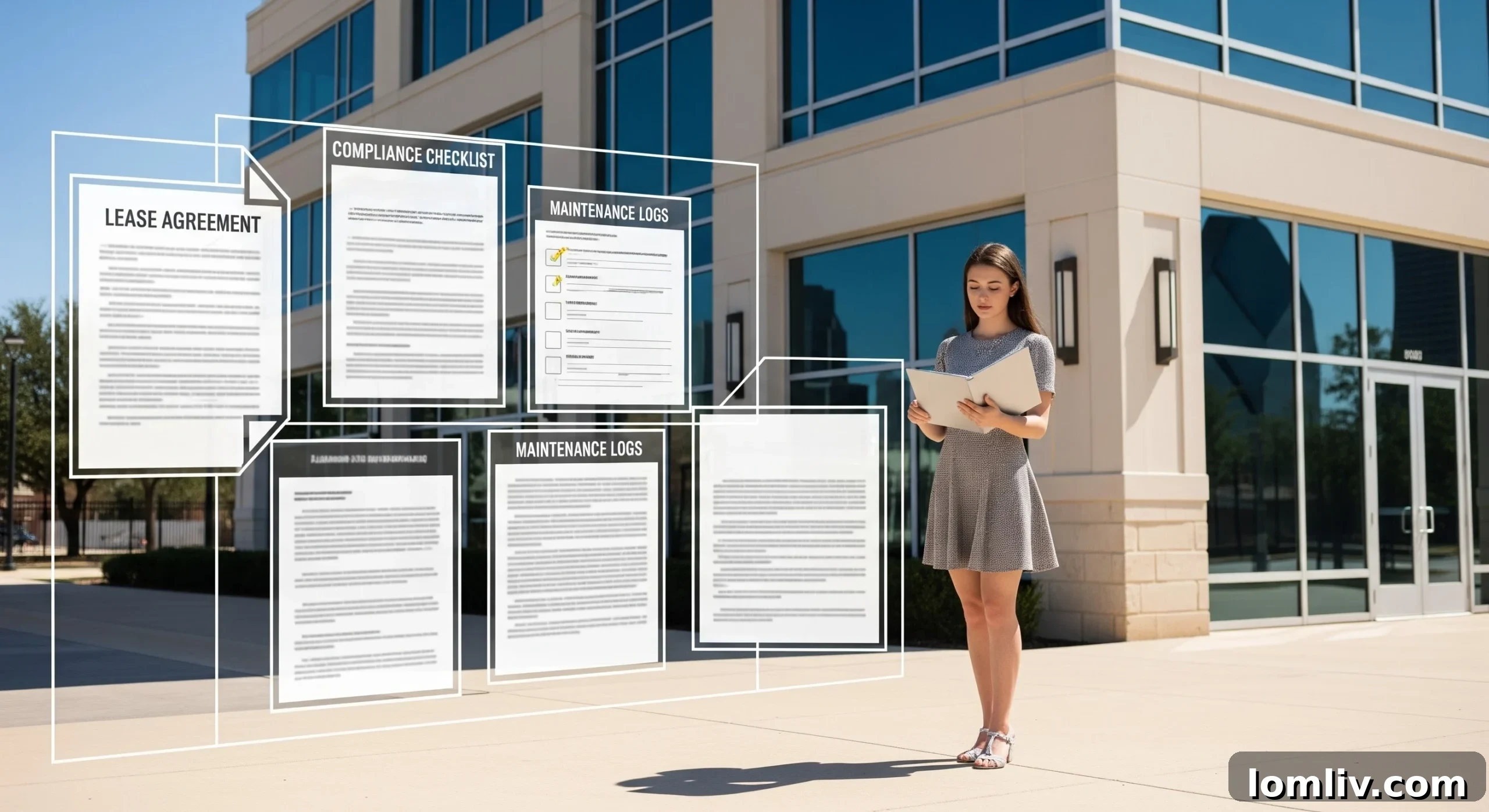
As a discerning property owner in the dynamic world of commercial real estate, your responsibilities extend far beyond the straightforward task of rent collection. The landscape of commercial property ownership is intricate, fraught with a myriad of potential legal pitfalls that can impact your financial stability, operational continuity, and long-term asset value. These legal risks often originate from diverse sources, including the intricate language embedded within lease agreements, the ever-evolving demands of regulatory compliance, the physical condition and ongoing maintenance of your properties, and the adequacy of your insurance coverage.
The nature of your relationship with each tenant, the meticulously structured details of every deal, and the general state and upkeep of your commercial properties collectively determine the scope of your legal exposure and significantly influence the likelihood of encountering a costly lawsuit. While many property owners judiciously rely on the expertise of a commercial property insurance broker to safeguard their assets, it’s crucial to understand that insurance serves as a protective layer that operates most effectively when seamlessly integrated with robust documentation practices and consistent, active oversight. A comprehensive approach to risk management, therefore, necessitates a deep understanding of where disputes typically emerge, allowing you to proactively protect your income streams and ensure the long-term stability and profitability of your real estate portfolio.
The Cornerstone of Control: Commercial Lease Agreements and Contract Clarity
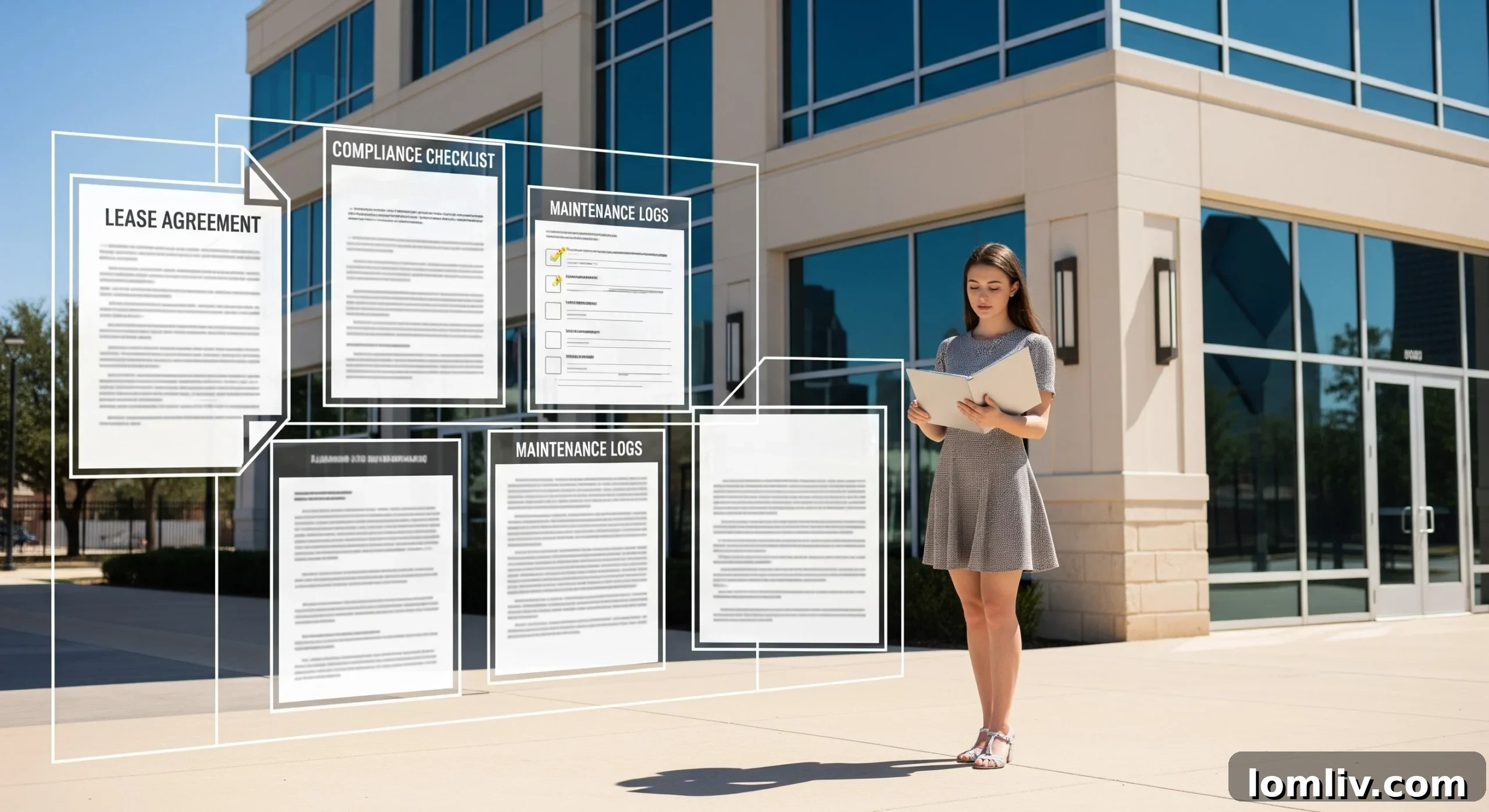
A commercial lease agreement stands as the foundational document for any leasing arrangement, meticulously outlining the rights, responsibilities, and expectations of both the landlord and the tenant. Paradoxically, this critical document is also one of the most frequent catalysts for disputes. Ambiguities, omissions, or imprecise language within a lease can create significant cracks in the agreement, triggering contentious conflicts over crucial aspects such as rent adjustments, the allocation of maintenance duties, rights to renewal or termination, and exit clauses. It is a well-established principle in legal practice that courts generally interpret written language literally, placing far less emphasis on unwritten intent. This makes absolute precision in drafting and negotiating lease terms not just beneficial, but critically essential.
Common issues that frequently lead to disagreements and legal challenges often stem from:
- Poorly Defined Lease Terms: A lack of clear, unambiguous definitions for key terms, duration, or specific clauses can lead to differing interpretations and subsequent disputes.
- Missing or Vague Clauses: The absence of explicit provisions or the use of ambiguous language covering vital aspects like property repairs, operating costs (CAM charges), tenant improvement allowances, or default remedies can create substantial legal vulnerabilities.
- Misaligned Expectations: Discrepancies between what was verbally discussed or implicitly understood during negotiation and what is ultimately codified in the written lease agreement often lead to tenant dissatisfaction and legal challenges.
To mitigate these risks, it is imperative that before you embark on negotiating new deals or contemplating the renewal of existing leases, you secure a comprehensive legal review. Such a review ensures that the document accurately and thoroughly reflects the actual intended use of the property, clearly delineates all obligations, and anticipates potential future issues, thereby fortifying the agreement against future disputes and protecting your interests as a commercial property owner.
Why Legal Disputes Are So Common in Commercial Real Estate
Legal challenges in commercial leasing are considerably more prevalent than many property owners or managers often realize. The commercial real estate sector, by its very nature, involves high-value assets, long-term contractual commitments, and complex operational dynamics, all of which contribute to an environment ripe for disagreements. Data from authoritative sources, such as the REALTORS® Confidence Index, consistently highlight the fragility of even well-intentioned agreements. For instance, the index reveals that approximately 15 percent of commercial contracts experience delayed settlements in any given quarter, a statistic that has remained remarkably consistent over time. This persistent trend underscores how effortlessly deals can falter and progress can decelerate when lease terms lack crystal clarity or when responsibilities become a matter of contention. Even seemingly minor documentation gaps can precipitate a cascade of negative consequences, ranging from protracted delays and escalating legal and operational costs to the ultimate loss of valuable tenants, all of which can severely impact your bottom line and reputation.
Common Legal Risks in Commercial Property Ownership
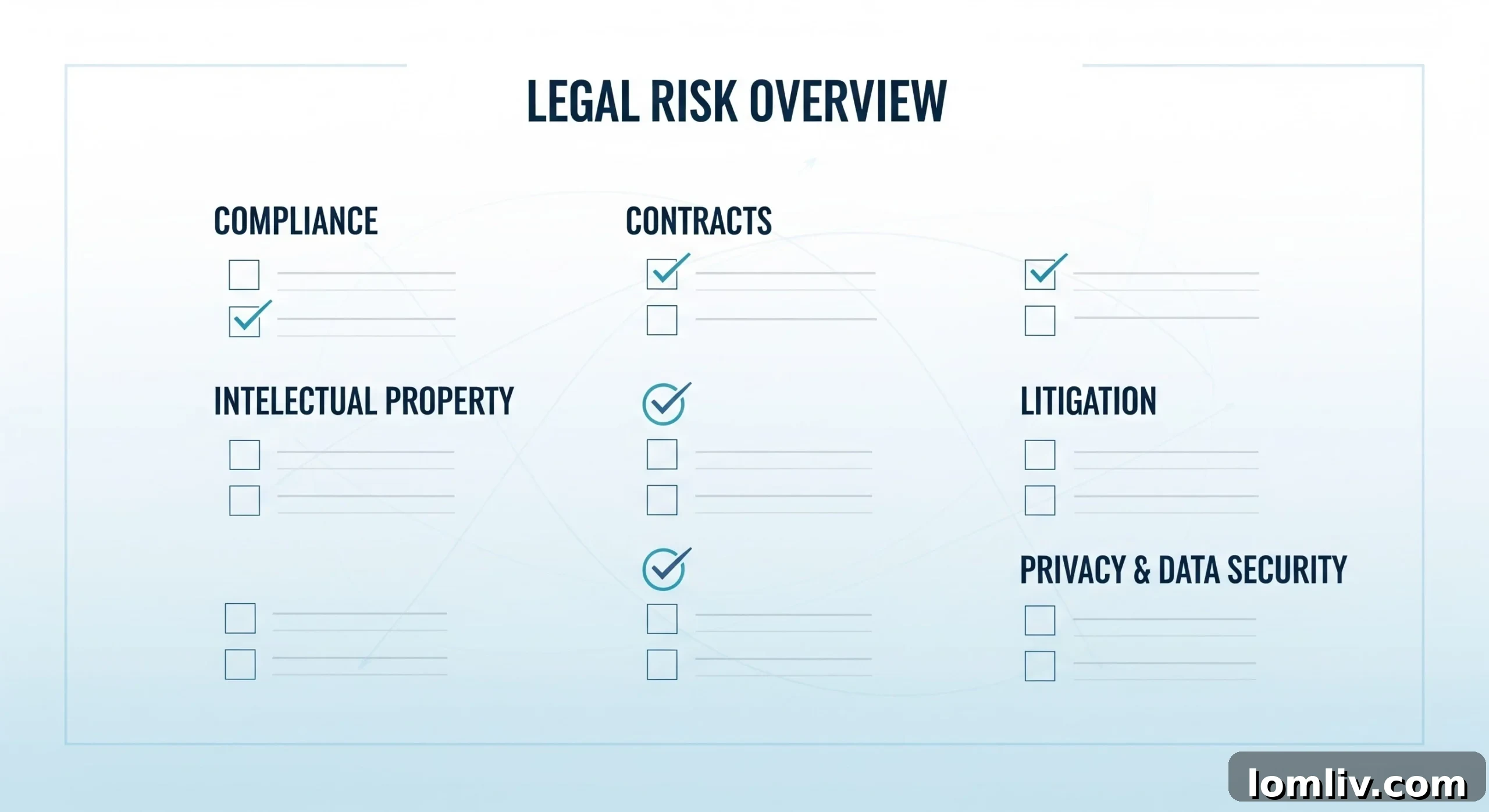
The legal exposure faced by commercial property owners is multifaceted and deeply intertwined with how the asset is meticulously maintained, thoroughly documented, and expertly managed over its operational lifespan. These risks frequently manifest during critical junctures such as routine property inspections, unforeseen operational disruptions, or during disputes that specifically scrutinize the physical condition and permissible use of the property, often distinct from issues related solely to tenant behavior. Understanding these specific areas of vulnerability is paramount for developing an effective risk management strategy.
Premises Condition and Deferred Maintenance Risk: An Ounce of Prevention
Legal exposure very often begins with the most fundamental aspect of property ownership: basic upkeep and preventative maintenance. When core building systems – such as HVAC, plumbing, electrical, and structural components – are not diligently maintained or proactively addressed, failures become inevitable. These failures can lead to significant operational disruptions for tenants, cause extensive damage to tenant property, and in severe cases, pose safety hazards. Claims arising from premises condition issues typically center on two critical questions: whether the property owner had prior knowledge of the defect or issue, and how promptly and effectively they acted to mitigate or rectify the problem. Demonstrating a proactive approach and a history of diligent maintenance is crucial.
Common problem areas that frequently result in legal challenges include:
- Roof Leaks or Drainage Failures: These can lead to water damage, mold growth, and disruption of tenant operations.
- Electrical System Issues: Faulty wiring, inadequate capacity, or unaddressed electrical problems can cause power outages, equipment damage, or even fires.
- Plumbing Failures: Burst pipes, persistent leaks, or sewage backups can cause extensive property damage and health hazards.
- Structural Wear or Deterioration: Neglecting issues like foundation cracks, facade degradation, or aging structural elements can compromise building safety and lead to significant repair costs and liability.
In any dispute focusing on property condition, comprehensive documentation is your strongest defense. Detailed inspection notes, meticulously updated maintenance logs, and precise repair records serve as irrefutable evidence of your commitment to property upkeep, providing a clear timeline of actions taken and demonstrating responsible ownership.
Compliance and Regulatory Responsibilities: Navigating the Legal Labyrinth
Every single phase of commercial property ownership and leasing is subject to a complex web of regulatory expectations and legal obligations. Critical standards such as stringent fire codes, comprehensive accessibility standards (like the ADA), local zoning rules, and a plethora of general safety requirements apply universally, irrespective of the tenant’s business type or operational scope. A failure to consistently meet these compliance standards can trigger severe repercussions for property owners, including substantial fines, mandates for costly forced upgrades, or even severe restrictions on property occupancy, which directly impacts rental income.
These crucial legal obligations often come to the forefront during property renovations or scheduled inspections, particularly when a tenant undertakes modifications to their leased space without proper owner oversight or adherence to permitting processes. Proactively staying current with all relevant local, state, and federal regulations is not merely a matter of legal adherence; it is a fundamental strategy for protecting your income streams, preserving your professional reputation, and avoiding potentially devastating legal and financial penalties.
Insurance Policies and Coverage Gaps: Fortifying Against the Unforeseen
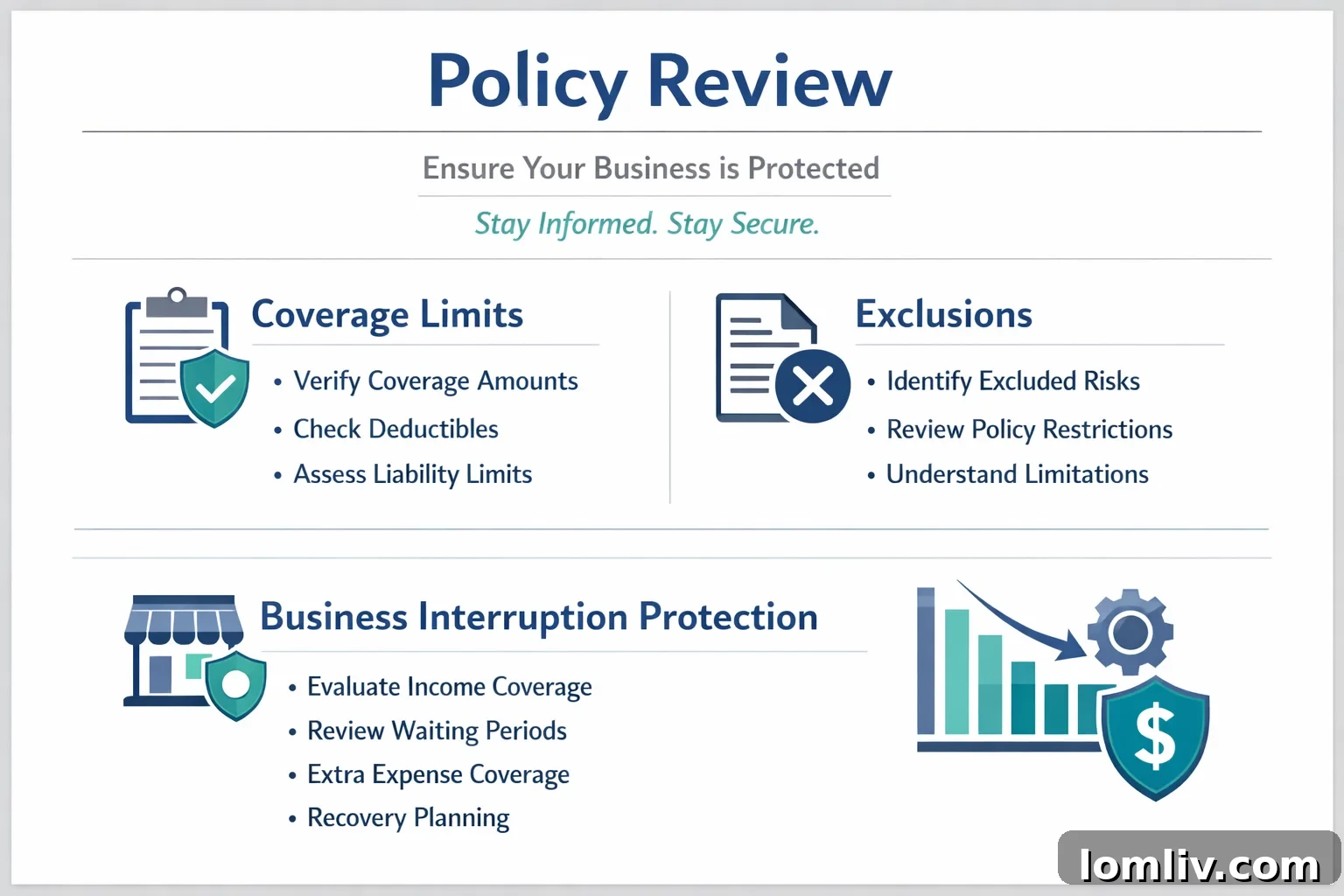
Having robust and appropriately structured insurance policies plays a profoundly direct and indispensable role in effectively managing your legal exposure as a commercial property owner. Comprehensive commercial real estate insurance is designed to provide essential financial protection when legitimate claims inevitably arise, safeguarding your investment against a wide array of perils. However, it is crucial to recognize that insidious gaps in coverage can still emerge, and when they do, they have the potential to significantly amplify disputes and expose you to substantial out-of-pocket expenses. Coverage issues frequently surface when the property’s use undergoes a change or when a tenant’s business activities expand or evolve beyond the original assumptions and declarations made during policy inception.
Problems typically involve one or more of the following critical areas:
- Inadequate Insurance Coverage Limits: Policies might have limits that are insufficient to cover the full extent of potential damages or liabilities, especially in the event of a catastrophic loss.
- Exclusions Tied to Specific Business Operations: Certain tenant activities or business types might be explicitly excluded from coverage, leaving the property owner vulnerable if a claim arises from those operations.
- Overlooked Loss-of-Income Coverage: During periods of dispute or property damage that render a property uninhabitable, the absence or inadequacy of business interruption or loss-of-income coverage can severely impact cash flow.
Therefore, meticulously aligning your insurance coverage with the actual and evolving use of your property, and regularly reviewing these policies with an experienced broker, is an indispensable strategy. This proactive approach helps to mitigate the potential financial damage when unforeseen claims occur, ensuring that your safety net is genuinely comprehensive.
Tenant Default and Financial Disputes: Protecting Your Revenue Stream
One of the most immediate and impactful legal risks for commercial property owners materializes when rent payments cease, or when a tenant actively challenges the enforcement of lease terms. In such scenarios, legal costs can escalate with alarming speed. Commercial eviction processes, while necessary, are often far slower and more complex than residential evictions, frequently involving intricate legal arguments, counter-claims, and the need for rigorous adherence to procedural requirements. Disputes may hinge on allegations of improper notice, contested breaches of contract, or disagreements over the exact terms of the default. In these high-stakes conflicts, the existence of clear, meticulous records and the demonstration of consistent enforcement of lease provisions are paramount. They serve as compelling evidence of your adherence to the lease and your proactive management.
Furthermore, significant legal exposure often originates even before a lease agreement is formally signed. The comprehensive vetting of prospective tenants is a critical, proactive step that dramatically reduces the inherent risks of nonpayment, potential misuse of the leased space, or the emergence of regulatory violations that could ultimately revert as liabilities back onto the property owner. A thorough tenant screening process should include financial background checks, credit assessments, verification of business history, and careful review of business plans to ensure compatibility with zoning and building regulations. This proactive due diligence lays the groundwork for a more stable and legally secure tenancy.
Managing Legal Risks Proactively: A Strategic Imperative
While the complete elimination of legal exposure in commercial real estate is an unattainable ideal, it is undeniably possible to significantly mitigate and effectively manage these risks through a commitment to active and strategic risk management. This proactive approach necessitates more than just reactive problem-solving; it demands continuous vigilance and adaptation. Regular, systematic reviews of all lease agreements, ongoing operational protocols, and existing insurance coverage are crucial. Such reviews allow you, as a property owner or manager, to dynamically adapt your strategies as market conditions shift, properties evolve, and regulatory landscapes change.
Seeking timely and expert legal advice is not merely a reactive measure but a proactive investment. It helps ensure that your risk management approach remains precisely aligned with the most current legal statutes, prevailing market conditions, and industry best practices. For diligent commercial property owners and dedicated managers, this proactive planning serves as a multi-layered defense mechanism. It rigorously protects vital cash flow, actively supports the long-term value appreciation of your assets, and, most importantly, prevents unforeseen disputes from defining or undermining the integrity and profitability of your entire portfolio. By embracing a forward-thinking and comprehensive risk management strategy, you solidify the foundation for sustained success in the competitive commercial real estate market.