As the days grow shorter and the festive spirit takes hold, the official start of winter is just around the corner. For many homeowners, this period is often dominated by holiday preparations, leaving little time to consider the essential needs of their homes. Yet, neglecting critical home maintenance during this transition can lead to significant problems once the cold weather truly sets in. Our experienced inspectors consistently find evidence that proactive winter home preparation is often overlooked, leading to costly repairs and discomfort when temperatures drop.
Preparing your home for winter is not merely about comfort; it’s about safeguarding your investment, ensuring the safety of your family, and preventing expensive emergency repairs. Especially in regions like North Texas, where winter weather can be unpredictable and harsh, being proactive is key. Before the real winter chill descends and potentially brings freezing temperatures, snow, or ice, here are some crucial maintenance tasks you should prioritize to ensure your home is resilient and ready for the season ahead.
Repair Plumbing Leaks: A Crucial Winter Precaution
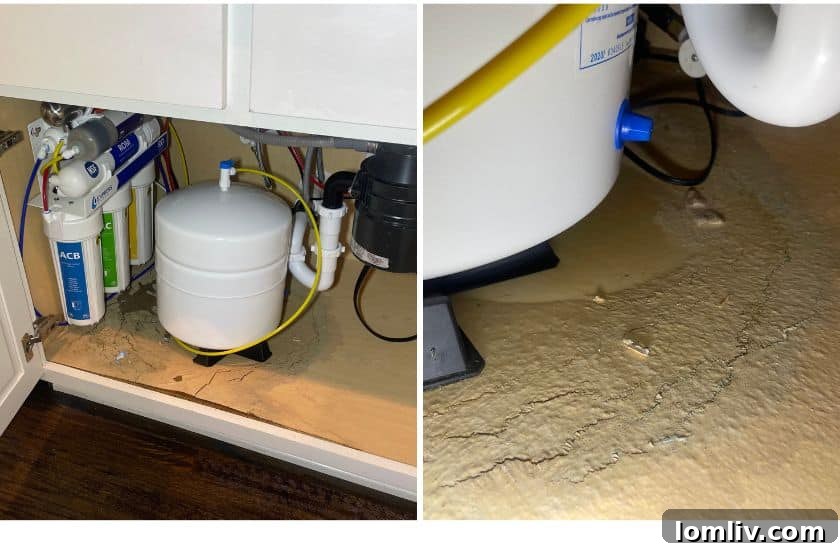
One of the most critical steps in preparing your home for winter, particularly in areas prone to freezing temperatures, is to address any existing plumbing leaks. If your pipes are leaking before a freeze, the situation can escalate dramatically once temperatures plummet. Water expands as it freezes, exerting immense pressure on pipes. Even a small leak can indicate a weakness in your plumbing system, making it highly susceptible to bursting under freezing conditions.
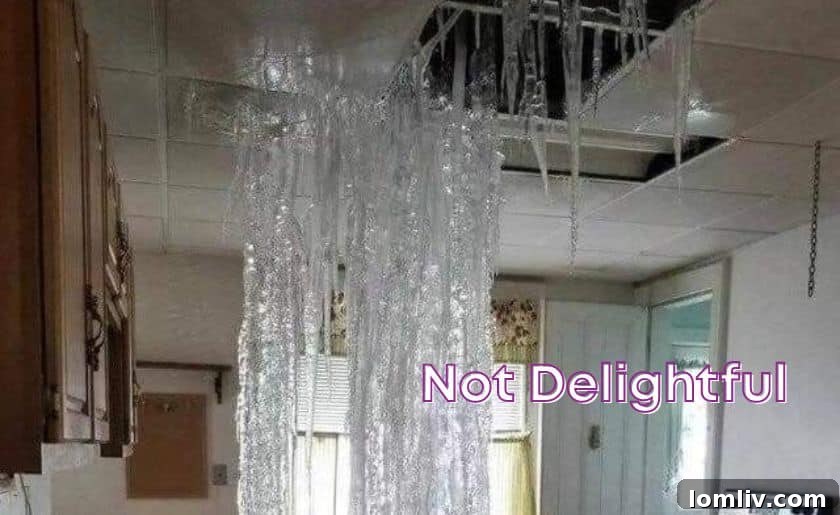
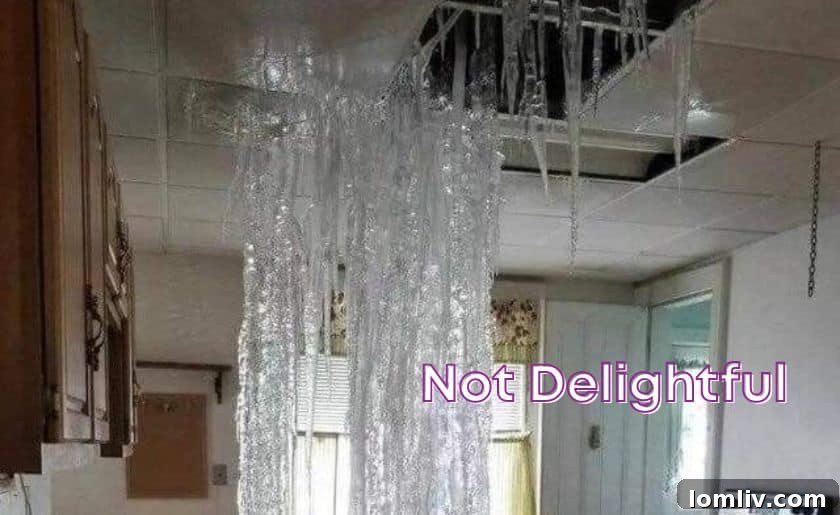
Imagine the scenario: a dripping faucet, a leaky pipe under your sink, or a slow seep from an outdoor spigot. During a deep freeze, this water can freeze, expanding and causing the pipe to rupture. The resulting damage, often discovered only after the thaw, can be catastrophic, leading to extensive water damage to walls, floors, ceilings, and personal belongings. This homeowner’s image serves as a stark reminder of the potential water damage that can occur if leaks are ignored.
Now is the time to thoroughly inspect all visible plumbing. Check under sinks, around toilets, near water heaters, and examine outdoor faucets. Even minor drips should not be ignored. Call a qualified plumber immediately to seal up any leaks. Beyond fixing existing leaks, consider taking preventative measures for pipes exposed to cold. Insulate pipes in unheated areas like basements, crawl spaces, and attics. Disconnect all garden hoses from outdoor spigots and, if possible, drain the water from these lines. Knowing the location of your main water shut-off valve is also invaluable in case of an emergency burst pipe.
Maintain Your Water Heater: Safety, Efficiency, and Longevity
Your water heater is a vital appliance, especially during the colder months when hot water is not just a convenience but a necessity. Yet, many homeowners overlook its maintenance until a problem arises. One crucial component often neglected is the Temperature and Pressure Relief (TPR) valve. Did you know it’s recommended to test your TPR valve annually? This essential safety device is designed to prevent your water heater’s temperature and pressure from reaching dangerous levels, effectively preventing it from exploding – a scenario far more serious than just losing hot water.
Over time, TPR valves can corrode or become clogged with mineral deposits, rendering them ineffective. Manufacturers typically recommend replacing these valves every 3 to 5 years, well within the 15- to 20-year lifespan of a well-maintained water heater. Testing a TPR valve typically involves gently lifting the lever to allow a small amount of water to escape, then letting it snap back into place. If no water comes out, or if it continues to drip, it’s a clear sign that the valve needs professional attention and likely replacement.
Beyond the TPR valve, other water heater maintenance tasks are critical for its efficiency and longevity. Flushing your water heater annually helps remove sediment buildup at the bottom of the tank. This sediment not only reduces the unit’s heating efficiency – making it work harder and consume more energy – but can also shorten its lifespan. Inspect the anode rod every few years and replace it if it’s significantly corroded; this rod attracts corrosive elements, protecting the tank itself. Finally, ensure your water heater is set to an appropriate temperature (around 120°F is often recommended for safety and efficiency) and insulate older tanks with a water heater blanket to reduce standby heat loss. Taking these steps now ensures you’ll enjoy reliable hot water throughout the winter, without unnecessary energy costs or safety concerns.
Thermally Seal Your House For Cold Weather: Boosting Comfort and Efficiency
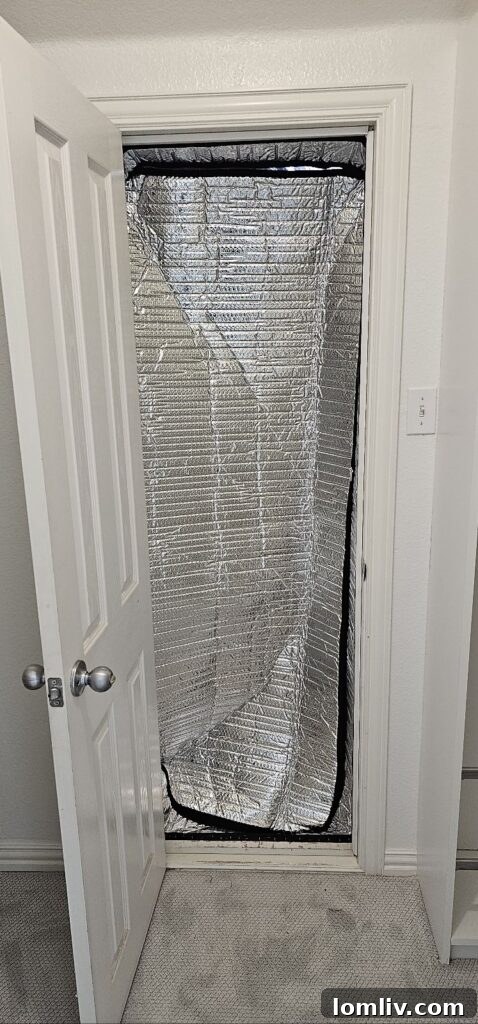
Ensuring your home is properly sealed against the elements is paramount for comfort and energy efficiency during winter. A thermally sealed house prevents warm air from escaping and cold drafts from entering, significantly reducing your heating bills and making your living space much more comfortable. While the image shows an unconventional but effective use of radiant barrier insulation – no, this is not a scene from Outbreak – it perfectly illustrates the homeowner’s ingenuity in tackling heat loss.
Radiant barrier insulation, often applied in attics, utilizes highly reflective materials to block radiant heat transfer, both reflecting heat in summer and retaining it in winter. While typically found at attic access points that zip open for entry, this particular setup, accessed via a door, demonstrates an impressive, if unusual, custom solution. The principle remains the same: create a barrier against thermal exchange.
However, thermal sealing extends far beyond attic insulation. The most common culprits for heat loss are often the easiest to address: drafts around windows, doors, and other exterior penetrations. Conduct a thorough inspection of your home’s exterior envelope. Check all window and door frames for cracks or gaps, and examine exterior vents, utility line entry points, and even the foundation for potential air leaks. If you feel drafts, it’s a clear sign that your home is losing precious heat.
Simple DIY solutions can make a big difference. Apply elastomeric caulking to seal cracks and gaps around window and door frames, utility penetrations, and foundation joints. Replace old, worn-out weatherstripping on doors and windows with new, effective seals. Install door sweeps under exterior doors to block drafts. For older homes with less efficient windows, consider temporary window insulation kits or heavier curtains. If you live in an older home or suspect significant energy loss, investing in a Home Energy Evaluation can provide a comprehensive analysis of your home’s energy performance, identifying specific areas where improvements can yield the greatest savings and comfort. Proper thermal sealing not only keeps you warmer but also lessens the strain on your heating system, extending its lifespan and reducing your carbon footprint.
Check For Roof Leaks: Protecting Your Home from Winter’s Fury
As the popular phrase #WinterisComing reminds us, cold weather, heavy precipitation, and even ice are inevitable. One of the most damaging issues a homeowner can face during winter is a leaky roof. While water damage from rain is bad enough, the combination of water and ice can amplify the problem significantly. Ice dams, for instance, can form when heat escapes through the roof, melting snow, which then refreezes at the colder eaves. This ice buildup prevents subsequent meltwater from draining, causing it to back up under shingles and into your home. The resulting damage can be far more extensive than a simple rain leak, affecting insulation, ceilings, walls, and even leading to structural issues or mold growth.
Beyond ice dams, a roof that is already compromised by missing shingles, damaged flashing, or deteriorated sealants is highly vulnerable to the freeze-thaw cycles of winter. These cycles can exacerbate existing damage, turning minor issues into major emergencies. Heavy snow loads can also stress a weakened roof structure, increasing the risk of collapse or further leaks once the snow melts.
A proactive inspection is vital. While it’s always best to have a professional roofer conduct a comprehensive assessment, homeowners can perform a preliminary check. A great time to look for roof leaks is during or immediately after a rain shower. Head up to your attic with a flashlight and meticulously scan the underside of the roof deck. Look for any water stains, darkened wood, drips, or areas where light might be visible from outside. Pay particular attention around chimneys, vents, skylights, and any other roof penetrations, as these are common points of entry for water.
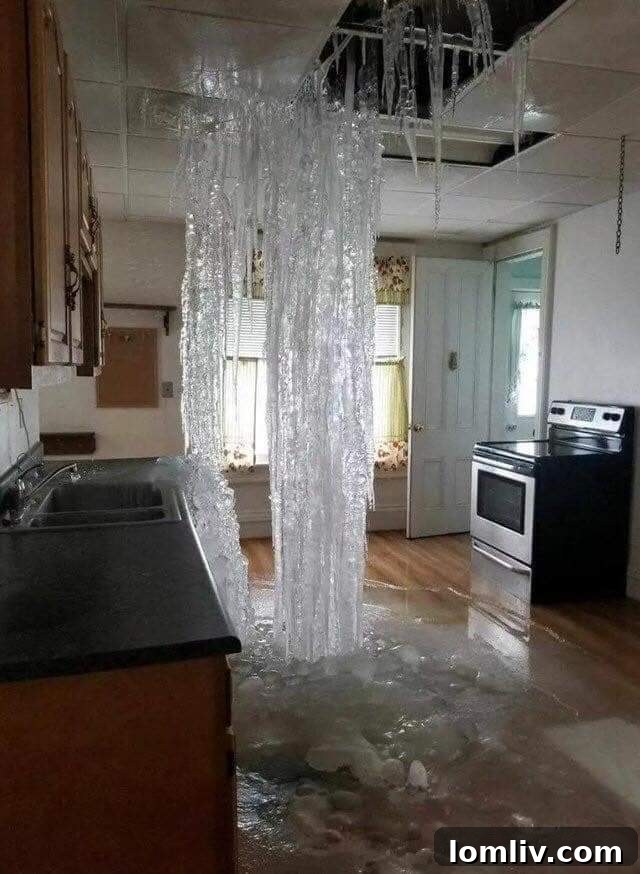
If you discover any signs of water intrusion, do not delay. (And no, “grabbing a bucket” is not a long-term solution!). Contact a reputable roofer immediately. Timely repair of even small leaks can prevent exponentially more severe and costly damage down the line. Remember the image of severe water damage? That’s precisely what you want to avoid this winter. Ensure your gutters are clean and free of debris, as clogged gutters also contribute to ice dam formation and improper water drainage, further jeopardizing your roof’s integrity.
Prepare Your HVAC System for Optimal Winter Performance
Your heating, ventilation, and air conditioning (HVAC) system will be working harder than ever to keep your home warm and comfortable during winter. A neglected HVAC system can lead to inefficient heating, higher energy bills, and even dangerous malfunctions. Schedule a professional furnace tune-up before the cold weather hits. A technician can inspect the system, clean components, check for carbon monoxide leaks, and ensure all parts are functioning correctly. This not only improves efficiency but also extends the life of your unit and prevents unexpected breakdowns during the coldest days.
On your end, regularly replace your furnace air filters. A clogged filter restricts airflow, forcing your furnace to work harder and consume more energy, while also reducing indoor air quality. Aim to change filters every 1-3 months, or more frequently if you have pets or allergies. Additionally, check your ductwork for any leaks or disconnections, particularly in unconditioned spaces like attics or crawl spaces. Sealing these leaks can prevent significant heat loss and improve your system’s overall effectiveness. Finally, ensure your thermostat is working correctly and consider upgrading to a programmable or smart thermostat to optimize heating schedules and save energy.
Don’t Forget Gutter Maintenance
While often overlooked, clean and functional gutters are vital for protecting your home during winter. Clogged gutters prevent melting snow and rain from draining properly away from your roof and foundation. This can lead to several problems, including the formation of ice dams, as discussed with roof leaks, which can damage your roof and cause water to back up into your home. Improper drainage also means water can pool around your foundation, leading to cracks, leaks in your basement or crawl space, and even structural issues over time.
Before winter’s arrival, thoroughly clean out all leaves, twigs, and debris from your gutters and downspouts. Ensure that downspouts extend at least several feet away from your home’s foundation to direct water effectively. If you have trees close to your house, consider installing gutter guards to reduce future clogs. This simple task can prevent a host of expensive and frustrating problems once the winter precipitation begins.
Winterize Your Exterior and Landscaping
The exterior of your home and your landscaping also require attention before winter. Disconnecting garden hoses from outdoor spigots is crucial to prevent water from freezing and potentially bursting the spigot or connecting pipes. If your outdoor spigots are not frost-proof, consider shutting off the water supply to them from inside your home and draining the lines. For irrigation systems, ensure they are properly winterized and blown out to remove all water, preventing pipe damage.
Protect sensitive plants by covering them or bringing potted plants indoors. Trim dead branches from trees and shrubs, especially those overhanging your house or power lines, to prevent them from breaking under the weight of snow or ice and causing damage. Storing garden tools, patio furniture, and other outdoor items properly will protect them from the elements and extend their lifespan.
Ensure Home Safety and Emergency Preparedness
Winter often brings power outages and the increased use of heating appliances, making home safety and emergency preparedness even more critical. Test all smoke detectors and carbon monoxide detectors to ensure they are fully functional, and replace batteries as needed. Carbon monoxide poisoning is a silent killer, especially with increased use of furnaces and fireplaces.
Assemble an emergency kit with essentials like flashlights, extra batteries, a battery-powered radio, first-aid supplies, blankets, and a supply of non-perishable food and water. Know the location of your main water shut-off valve, as well as the main electrical breaker, in case of emergencies. Being prepared can make a significant difference in navigating winter challenges safely and with peace of mind.
We understand that the holiday season is a whirlwind of activities, commitments, and joyful distractions. However, amidst the rush of decorating, gift shopping, and party planning, carving out a little time for your home’s winter preparation is an investment that truly pays off. These proactive steps are not just about avoiding costly repairs; they are about ensuring the safety, comfort, and energy efficiency of your living space throughout the colder months.
Giving your home a little love now means you can relax and fully enjoy the festive season, secure in the knowledge that your sanctuary is well-protected against winter’s challenges. You won’t regret the peace of mind that comes with a well-maintained, winter-ready home.