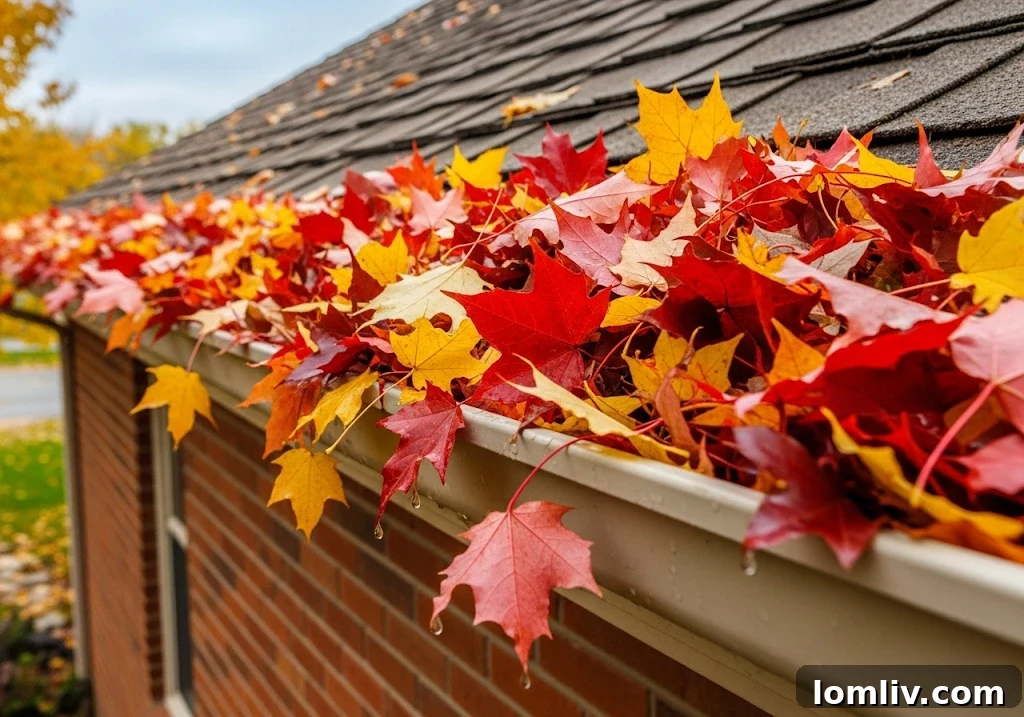
As the vibrant colors of autumn begin to paint the landscape and a crisp chill fills the air, attention naturally turns inward—to the sanctuary of our homes. Fall 2025 presents a prime opportunity to tackle essential home projects, ensuring your living space is not only beautiful but also resilient, energy-efficient, and prepared for the colder months ahead. Focusing on warmth, efficiency, and durability now can save you significant headaches and expenses down the line, while simultaneously enhancing your daily comfort.
Proactive fall home upgrades are more than just seasonal chores; they are strategic investments that deliver immediate comfort and contribute to long-term savings on utility bills. This comprehensive guide will equip you with the knowledge and inspiration to make informed decisions for your home’s seasonal transition. By taking action during the temperate days of autumn, you can avoid the scramble and potential emergencies that often accompany the first deep freeze.
In this essential guide for homeowners, you’ll discover:
- The most impactful and timely fall home projects for 2025, designed for optimal winter preparedness.
- Savvy, budget-friendly ideas and high-ROI (Return on Investment) upgrades that boost both comfort and property value.
- Insights into current seasonal design trends and comfort innovations to make your home a cozy retreat.
- Expert tips and actionable advice for undertaking winter-ready renovations with confidence and efficiency.
Why Fall is the Optimal Time for Home Projects
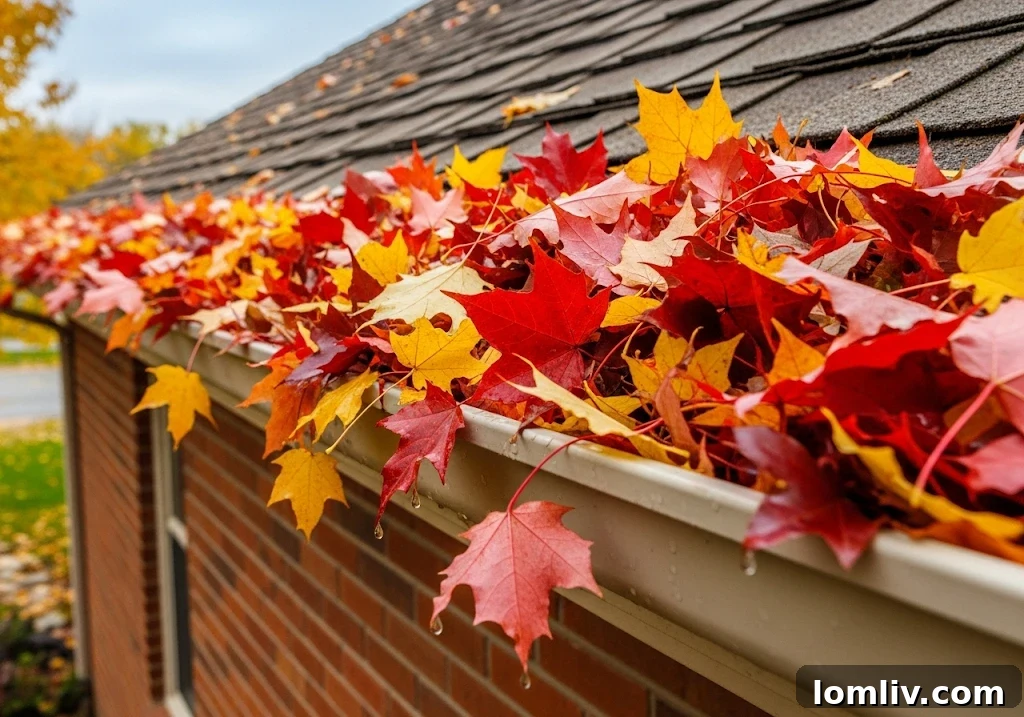
There’s a unique sweet spot in the annual calendar when it comes to home maintenance and renovation: fall. The mild, cool days, coupled with abundant daylight, create ideal conditions for a wide array of projects, making both indoor and outdoor work considerably easier and more pleasant than during the sweltering heat of summer or the biting cold of winter. This agreeable weather minimizes discomfort for workers and allows materials like paint and caulk to cure properly.
Beyond comfortable working conditions, the fall season often presents a practical advantage in terms of contractor availability. Many professionals find their schedules less congested after the summer rush and before the inevitable surge in emergency calls that accompany the first severe winter weather. Booking your projects now can mean more competitive pricing and flexible scheduling for services like furnace repair, roof checks, or window installations. Procrastinating until winter often leads to higher costs, as emergency services command premium rates, and demand for skilled trades skyrockets when the cold truly sets in. Addressing issues like drafty windows, an older furnace in need of service, or compromised weather seals proactively prevents them from escalating into more significant, costly, and inconvenient repairs during peak cold. While late-season discounts can occasionally emerge, the overall timing of your projects should ideally align with your local forecast, budget, and the availability of necessary materials and labor to ensure a smooth, stress-free experience.
The “Freeze Defense” Protocol: Protecting Your Home from Winter’s Bite
Across many regions, including areas like Dallas, homes are frequently constructed on slab foundations, with critical plumbing routes often passing through uninsulated attics or exterior walls. These architectural characteristics render them particularly vulnerable to the damaging effects of freezing temperatures, especially when the mercury plummets below the critical 20°F mark. Implementing a proactive “Freeze Defense” protocol is crucial to safeguard your property and prevent costly pipe bursts and water damage.
1. The “4 P’s” Rule: Prioritizing Protection
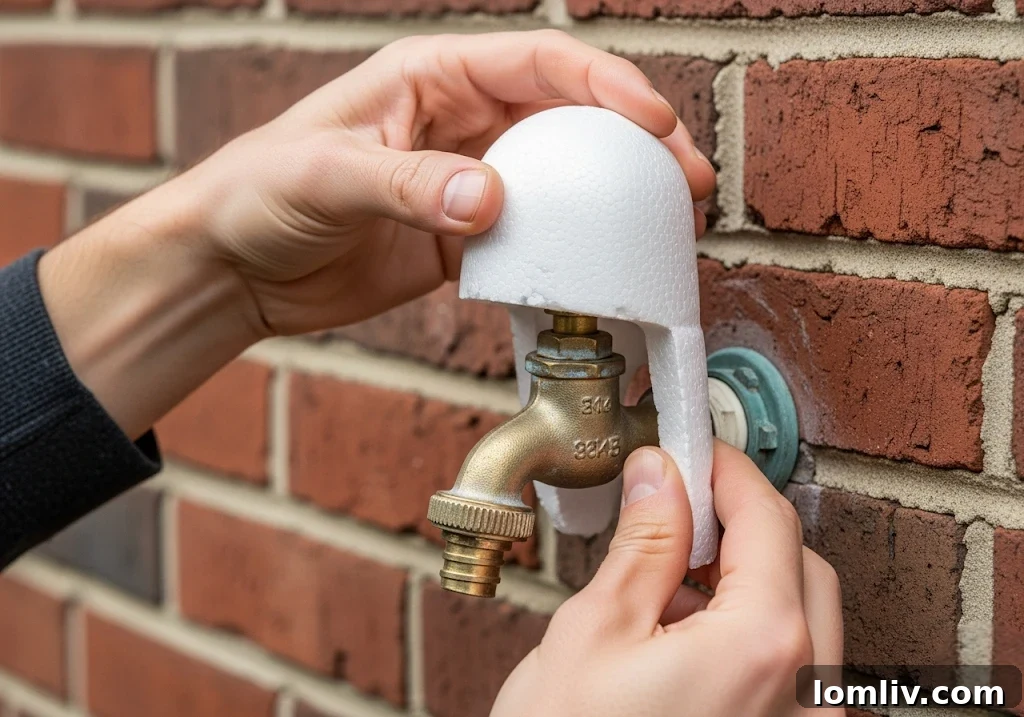
During severe cold snaps, always remember the “4 P’s”: Protect People, Pets, Plants, and Pipes. For your pipes, this means taking immediate preventative action. Outdoor faucets, often exposed to the elements, are particularly susceptible. Cover these vulnerable points with insulated styrofoam domes, readily available at most hardware stores such as Home Depot or Lowe’s. These inexpensive covers provide a vital layer of protection against direct cold exposure.
2. Locate Your Main Water Shutoff Valve: Essential Emergency Preparedness
Do not wait for an emergency to strike. Take the time NOW to locate and familiarize yourself with your home’s main water shutoff valve. This crucial valve is your first line of defense against extensive water damage in the event of a pipe burst. It’s typically found in a flowerbed near the street, housed within an underground box with a lid, or sometimes situated inside your garage wall. Knowing its exact location and how to operate it can save you thousands in repairs and prevent significant disruption.
3. Drip & Open: Simple Steps During a Freeze
When temperatures are forecast to drop significantly below freezing (especially below 20°F), a simple yet highly effective strategy is to allow indoor faucets to drip slowly. This applies to both hot and cold water taps. The constant, gentle movement of water prevents it from stagnating and freezing within the pipes, which is the primary cause of bursts. Furthermore, open cabinet doors underneath sinks, particularly those on exterior walls. This allows warmer ambient air from your home to circulate around the pipes, providing additional insulation and preventing them from reaching freezing temperatures.
Top 10 Essential Home Projects for Your Home in Fall 2025
1. Energy-Efficient Windows & Enhanced Insulation: The Foundation of Winter Comfort
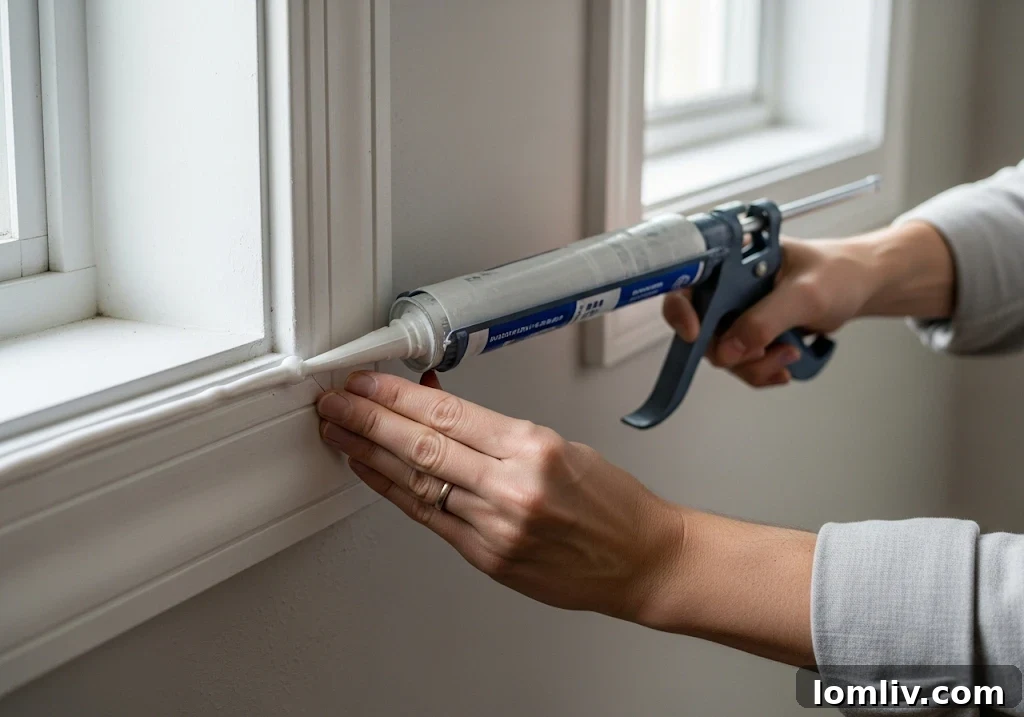
As energy costs continue their unpredictable climb, ensuring your home’s thermal envelope is tightly sealed and well-insulated has become a paramount priority. Investing in energy-efficient windows, such as double- or triple-pane glazing featuring low-emissivity (low-E) coatings, is a highly effective strategy. These advanced windows act as an invisible barrier, reflecting heat back into your home during winter and keeping it out in summer, dramatically reducing heat loss and gain. Beyond windows, upgrading your home’s insulation—especially in the attic, walls, and crawl spaces—is critical. Proper insulation acts as a thermal blanket, plugging those silent leaks where warm air escapes, leading to significant savings on heating bills. Complementing these major upgrades, simple yet effective measures like applying new weatherstripping around doors and windows and a careful, consistent bead of caulk can eliminate drafts, prevent moisture intrusion, and even noticeably reduce outside noise, contributing to a quieter, more comfortable indoor environment.
For forward-thinking households, the focus extends beyond mere energy efficiency to comprehensive energy resilience. Hybrid solar solutions, exemplified by innovative products like Sol-Ark inverters, are gaining traction. These systems empower homeowners to capture and store solar energy, ensuring critical home systems, such as heating, lighting, and refrigeration, remain operational even during power outages. This provides an invaluable sense of security and continuity during winter storms or grid disruptions. Before committing to such significant investments, it is always wise to thoroughly research local incentives, understand permit regulations, and conduct precise load calculations to determine the most appropriate system for your home’s unique energy needs.
The U.S. Department of Energy consistently highlights the substantial impact of proper insulation and window upgrades, reporting potential heating cost reductions of up to 20%. While this represents a significant promise and a compelling reason to invest, it’s important to remember that actual outcomes can vary considerably based on individual climate conditions, the specific age and construction of the house, and existing insulation levels. Each home presents its own unique energy profile, and thus, its own story of potential savings.
2. Smart Thermostats & Integrated Home Technology: Intelligent Comfort
Embracing smart home technology is a cornerstone of modern energy management, and smart thermostats lead the charge. Devices such as Ecobee or Nest models offer advanced functionalities, allowing homeowners to set precise heating schedules, learn household patterns over time, and minimize energy waste through intelligent automation. Many smart thermostats can seamlessly integrate with voice assistants and smart vents, enabling room-by-room comfort adjustments and ensuring heat is directed exactly where and when it’s needed, preventing overheating in unused areas. Prior to any wiring work, always prioritize safety by cutting power at the main breaker, and diligently follow manufacturer instructions to ensure correct and safe installation. Integrating solar-powered products, where feasible, further enhances your home’s value while simultaneously trimming operational costs and reducing your carbon footprint.
While the advertised savings of smart thermostats often appear highly attractive on paper, the real-world results are intrinsically linked to several factors. These include consistent household habits, the overall insulation quality of the home, and the willingness of occupants to trust and allow the automated features to manage temperature settings effectively. Maximal benefits are achieved when smart technology is allowed to truly optimize energy usage without constant manual overrides.
3. Kitchen Refresh with Seasonal and Timeless Upgrades: The Heart of the Home
As outdoor temperatures drop and days shorten, the kitchen naturally evolves into the warm, inviting hub of the home—a central gathering zone for family and friends. A targeted kitchen refresh doesn’t necessarily require a full-scale renovation to make a significant impact. Small, thoughtful changes can dramatically shift the entire mood and functionality of the space. Consider updating cabinet pulls to a modern finish, installing brighter and more efficient under-cabinet lighting for enhanced task visibility, or applying a fresh coat of paint in a warm, inviting hue. These minor updates collectively create a renewed sense of coziness and style. Incorporating seasonal textures, such as deep emerald green linens, rich burgundy accents, or burnished metal elements, adds an instant layer of warmth and sophistication without committing to fleeting trends. Choosing durable finishes that withstand daily wear and tear and align with the aesthetic of neighboring properties (comparable sales or “comps”) is a smart strategy to ensure your minor updates offer a healthy return on investment during resale, as buyer tastes and market prices are always subject to change.
4. Bathroom Retreats with Spa-Inspired Features: Indulgent Comfort
The thought of stepping onto a heated floor on a cold winter morning is enough to make this amenity a compelling and highly sought-after option for bathroom upgrades. Transforming your bathroom into a spa-inspired retreat offers both luxurious comfort and enhanced functionality. Elements like deep soaking tubs, strategically placed quiet lighting (perhaps with dimmable features), and earthy, natural-toned tiles contribute to a serene and calming ambiance. Wood-toned vanities introduce warmth and organic texture, grounding the space without overwhelming it. Beyond aesthetics, safety-forward choices are gaining prominence and are highly valued by market watchers and homeowners alike. Features such as sturdy grab bars strategically placed near showers and toilets, and low-threshold or curbless showers, significantly enhance accessibility and safety for individuals of all ages and mobility levels. This attention to universal design not only provides immediate comfort and security for current residents but also substantially boosts the long-term resale appeal of your home, aligning with growing demographic trends.
While comfort unequivocally rises with such thoughtful upgrades, the subsequent resale appeal is equally significant, although the optimal mix of features will invariably depend on the prevailing norms and expectations within your specific neighborhood and market segment.
5. Outdoor Living for Cooler Months: Extending the Season
Cooler air should never signal the end of your outdoor patio season. With strategic enhancements, your outdoor living areas can remain inviting and functional well into the fall and even early winter. Creating covered areas, such as pergolas with retractable canopies or permanent patio covers, provides shelter from light rain and wind, allowing for continued enjoyment. Incorporating fire features—be it a built-in fireplace, a portable fire pit, or even a chic outdoor heater—instantly transforms the space into a cozy gathering spot. Built-in seating, often paired with weather-resistant cushions, offers comfortable and durable lounging options. The careful selection of durable outdoor materials for furniture and flooring, combined with layers of inviting textiles like outdoor rugs and soft, weather-resistant throws, makes chilly evenings feel intentionally curated and luxurious, rather than improvised. Adding ambient string lights or considering solar-powered path and deck lights not only boosts safety and visibility after dusk but also adds a magical glow without increasing your electricity bill. To avoid delays, always keep an eye on the weather forecast and order any long lead-time items, such as custom fire pits or specialized outdoor furniture, early in the fall season to ensure your plan isn’t stalled by unexpected cold snaps or supply chain issues.
6. Curb Appeal with Doors, Paint, and Landscaping: A Welcoming Entrance
As the days grow shorter, the entry point of your home—the front door and surrounding façade—becomes a focal point, drawing immediate attention. This makes it an ideal area for high-impact, visible upgrades. A bold front door color can completely transform the aesthetic, infusing personality and modern appeal into your entire façade. Paired with crisp, new hardware (such as a contemporary handle set or a classic knocker), the entrance exudes sophistication. Seasonal planters filled with autumnal flowers, ornamental grasses, or evergreen shrubs add a vibrant, welcoming touch. For landscaping, opting for low-maintenance plantings, evergreens, and ornamental grasses ensures visual interest that retains its form and appeal through the frost. Applying a fresh layer of mulch not only enhances the neatness of your garden beds but also provides insulation for plant roots against the cold. Strategically aimed exterior lighting plays a dual role: it significantly enhances safety by illuminating pathways and steps, and it adds dramatic flair, highlighting architectural features and creating an inviting glow. While first impressions undeniably matter and contribute to perceived home value, the exact uplift in curb appeal and potential return on investment will depend heavily on the prevalent architectural styles in your local area and the standards set by nearby homes.
7. Fireplace & Heating System Upgrades: Essential Winter Readiness
Before the true chill of winter descends, a thorough inspection and cleaning of your chimney are paramount. A clean, inspected chimney not only significantly reduces the risk of dangerous creosote buildup and potential chimney fires but also ensures efficient operation, setting the perfect tone for countless cozy winter evenings. If your fireplace surround looks tired or dated, refreshing it with new tile, natural stone, or a sleek mantel can modernize the entire room without necessitating a complete structural renovation. For comprehensive whole-home comfort, a professional furnace tune-up is indispensable. This annual maintenance ritual ensures your heating system operates at peak efficiency, preventing breakdowns and extending its lifespan. Furthermore, many households are discovering substantial gains from upgrading to advanced zoning systems, such as a 4-zone mini split system. These innovative solutions offer highly efficient and adjustable heating across different areas of your home, allowing for individualized temperature control in various rooms, significantly reducing energy waste in unoccupied spaces.
It’s important to note that actual energy savings and efficiency gains from these upgrades hinge on several factors, including the existing level of home insulation, the overall layout of your property, and, crucially, daily usage habits. While the underlying technology is robust and highly effective, the ultimate performance is often influenced by how the space is utilized and managed on a day-to-day basis.
8. Multi-Functional & Zoned Spaces: Adaptability for Modern Living
In today’s dynamic living environments, flexible rooms that seamlessly pull double duty are invaluable. Designing spaces with multi-functionality in mind maximizes every square foot of your home, catering to evolving needs. Integrated solutions like built-in desks, partial walls that define zones without completely closing them off, and movable storage units allow a single room to effortlessly transition between work, hobbies, and accommodating guests without friction or clutter. For homes with limited square footage or urban condos, innovative furniture solutions such as a full cabinet bed can transform a living area into a comfortable guest suite in mere seconds, then neatly vanish when not required, preserving the room’s primary function. This concept of adaptable living is not just a trend but a reflection of modern demands. The continued popularity of furnished apartments offering flexible layouts, particularly near bustling government centers, universities, and major transit routes, underscores the enduring appeal of adaptable living spaces. The lesson translates directly to home ownership: your existing square footage can deliver significantly more utility and value if designed with versatility and efficient space utilization in mind.
9. Statement Walls, Ceilings, and Seasonal Decor: Injecting Personality and Warmth
A single statement wall holds the power to utterly transform the ambiance and character of an entire room, providing an immediate focal point and a burst of personality. Consider experimenting with a bold paint color, applying elegant wood slats for a touch of architectural interest, or even creating a patterned ceiling for an unexpected and sophisticated touch that instantly adds warmth and depth. For those seeking flexibility or a commitment-free design experiment, peel-and-stick wallpaper offers a fantastic solution, allowing you to test out various ideas and patterns in a single weekend with minimal effort and no long-term commitment. To further enhance the seasonal feel and coziness of your space, layer various textured throws, arrange scented candles, and incorporate natural elements like autumnal branches or dried botanicals. These sensory details contribute to an inviting and warm atmosphere. Recognizing that design tastes evolve over time, prioritizing reversible choices for significant aesthetic updates is always a smart strategy for long-term satisfaction and adaptability.
10. Aging in Place & Accessibility Upgrades: Future-Proofing Your Home
Investing in “aging in place” and accessibility upgrades is a forward-thinking approach that benefits every individual living under your roof, regardless of their current age or mobility. Future-proofing your home means making it safer, more comfortable, and more accessible for the long haul. Features such as barrier-free showers or walk-in tubs eliminate trip hazards and ease entry, promoting independence. Installing lever handles on doors and faucets, rather than traditional knobs, is easier to operate for hands of all strengths. Brighter, strategically placed task lighting improves visibility, especially in kitchens and bathrooms. Sturdy handrails on staircases and in showers provide crucial support, while grippy mats in wet areas significantly cut down on slip risks, a particular concern when freeze-thaw cycles make surfaces slick. The best results in accessibility upgrades are achieved when functionality seamlessly meets calm and thoughtful design. Safety measures don’t have to appear clinical; with careful planning, these enhancements can be elegantly integrated into your home’s aesthetic, although the exact mix and appearance will depend on your budget and the availability of aesthetically pleasing, accessible products.
72-Hour Survival Kit: Preparedness for Unexpected Winter Events
Winter weather can bring unexpected challenges, from power outages to impassable roads. Building a comprehensive 72-hour survival kit now, before shelves are depleted, is a critical step in ensuring your household’s safety and well-being. This proactive measure provides peace of mind and essential resources should you become isolated or lose utilities. Acquire these items systematically, checking them off as you go, to ensure complete preparedness.

Essential 72-Hour Survival Kit Checklist:
- Water: Stock at least 1 gallon per person per day for a minimum of 3 days, for both drinking and sanitation. This is a non-negotiable.
- Non-perishable Food: Include a 3-day supply of easy-to-prepare foods like canned goods, energy bars, dried fruit, nuts, and ready-to-eat cereals. Choose items that require no cooking or refrigeration.
- Manual Can Opener: Absolutely crucial for accessing canned foods if you lose power and cannot heat anything. Often overlooked but invaluable.
- Flashlights + Extra Batteries: Multiple flashlights and a substantial supply of fresh batteries are vital for navigating in the dark. Avoid candles as they pose a fire risk.
- NOAA Weather Radio: A battery- or crank-powered weather radio with tone alert capabilities is essential for receiving emergency broadcasts and critical weather information when other communication methods are down.
- First Aid Kit + Prescription Meds: A well-stocked first aid kit for minor injuries and a 7-day supply of all necessary prescription medications for every family member.
- Water Shutoff Key (T-handle tool): Keep this tool handy to quickly turn off your main water supply in case of a pipe burst, minimizing potential damage.
- Portable Cell Phone Charger (Power bank): A fully charged power bank is vital for keeping your mobile devices operational, allowing communication with emergency services or loved ones.
- Blankets / Sleeping Bags: Ensure you have adequate warm blankets or sleeping bags for everyone to stay warm without relying on electricity.
- Baby Supplies / Pet Food: Don’t forget specific needs for infants (formula, diapers) and pets (food, water, medicines) for the 72-hour period.
Did you know?
During the devastating 2021 winter storm that gripped many areas, including Dallas, countless residents found themselves without power for several days. Post-event surveys and anecdotal evidence consistently cited two items as the most undervalued and desperately needed: a reliable manual can opener for food, and a backup battery (power bank) for cell phones, which proved crucial for communication and access to information.
Maximizing ROI: Projects That Add Lasting Value
When investing in home improvements, it’s prudent to consider not just immediate comfort but also the long-term return on investment (ROI). Not every dollar spent on renovations yields the same financial return, making strategic choices paramount. Historically, modest kitchen refreshes—focusing on updated finishes, fixtures, and appliances rather than a complete overhaul—tend to be steady performers in resale reports, appealing to a broad range of buyers. Similarly, targeted bathroom fixes, such as updating vanities, re-grouting, or modernizing fixtures, often provide a healthy return. Replacing old, inefficient windows with modern, energy-efficient models is another consistent winner, as it appeals to buyers conscious of energy costs and environmental impact. Beyond interior projects, simple yet highly effective curb appeal enhancements deliver undeniable value without guesswork. A fresh coat of exterior paint, meticulously maintained landscaping, and general clean-up instantly elevate your home’s first impression and perceived value.
Furthermore, integrating smart home controls and select solar add-ons can significantly attract a growing segment of buyers who prioritize lower operating costs, enhanced security, and environmental responsibility. Features like smart thermostats, smart lighting systems, and even basic solar panels can differentiate your property in a competitive market. However, it’s essential to remember that real estate markets are dynamic, influenced by prevailing interest rates, local housing supply, and economic conditions. A top-performing project in terms of ROI this fall may see a slight shift in its ranking by spring. Therefore, staying informed about local market trends and consulting with real estate professionals can provide valuable insights for maximizing your renovation investments.
Bringing It All Together for Your Fall 2025 Home Project Plan
Crafting a robust fall home project plan is about weaving together comfort, resilience, and long-term financial value. As the cornerstone of winter preparedness, prioritize projects that enhance your home’s energy efficiency and safeguard against the elements. Place insulation upgrades, meticulous air sealing, modern window replacements, and comprehensive heating system maintenance at the forefront of your list. These critical enhancements not only ensure your utility bills remain manageable through the coldest months but also significantly mitigate the impact of potential power outages, providing a warmer, more secure living environment when temperatures inevitably drop.
Beyond essential winterization, consider integrating flexible upgrades and adaptable solutions that maximize your living spaces across all seasons. Convertible furniture, intelligent home controls, and modular storage systems can transform each room, allowing it to serve multiple functions and adapt to varying needs throughout the year. Do not overlook the enduring importance of curb appeal and optimizing your outdoor spaces for cooler weather; these are the visible wins you experience every day, and they are powerful attractors for prospective buyers. Finally, be diligent in researching and leveraging available tax credits and local rebates for energy-efficient improvements such as heat pumps, advanced insulation, new doors, and windows. These incentives can substantially lower your out-of-pocket expenses, making essential upgrades more affordable and further enhancing your overall return on investment.
Frequently Asked Questions (FAQs) About Fall Home Projects
- What is the 30 percent rule for renovations?
While there’s often discussion of a “30 percent rule” in home renovations, it’s important to clarify that there isn’t one universal, rigid guideline that applies to all remodels or property types. This concept sometimes emerges from various lending or appraisal contexts, suggesting a limit on what a renovation should cost relative to the home’s value to avoid over-improving the property for its neighborhood. A more practical and widely accepted guardrail for homeowners is to allocate approximately ten to fifteen percent of your home’s overall value for a major kitchen renovation and around five to ten percent for a significant bathroom update. Crucially, regardless of the project’s scope, it is always recommended to set aside a contingency fund of ten to twenty percent of the project’s total estimated cost. This buffer is vital for covering unforeseen issues, unexpected material costs, or changes in scope that frequently arise during renovation work. Ultimately, local comparable sales (comps) and professional appraisals remain the most accurate determinants of what constitutes a sensible investment, ensuring your upgrades align with market expectations and offer the best potential return.
- What are the most in-demand home improvements for 2025?
For 2025, several key home improvements continue to dominate buyer wish lists and homeowner priorities, driven by evolving lifestyles, economic factors, and environmental awareness. Energy-efficient windows consistently rank high due to their immediate impact on utility bills and long-term environmental benefits. Smart thermostats and integrated home technology remain popular, appealing to those seeking convenience, control, and further energy savings. Refreshed kitchens and updated bathrooms, always strong contenders, continue to be highly sought after for their aesthetic appeal and functional enhancements. There’s a growing demand for outdoor living spaces that are functional and comfortable even in cooler weather, indicating a desire to extend enjoyment beyond peak summer. Furthermore, flexible room solutions, such as innovative Murphy beds or convertible furniture, are gaining significant traction as homeowners increasingly seek adaptable spaces for remote work, hobbies, or accommodating guests. It’s worth noting that demand dynamics can shift throughout the year, influenced by fluctuations in energy prices, interest rates, and broader economic conditions, so staying attuned to current trends is beneficial.
- Which home projects offer the best ROI in fall?
When considering projects for the fall with the best return on investment (ROI), certain upgrades consistently lead cost-versus-value reports. Exterior projects that significantly enhance curb appeal often yield excellent returns. This includes highly visible updates like installing a new garage door or upgrading to a steel entry door, both of which provide an immediate aesthetic boost and enhanced security. On the interior, minor kitchen work—such as painting cabinets, updating hardware, or replacing countertops—tends to be more financially impactful than a full gut renovation. Similarly, targeted bathroom updates, focusing on key fixtures, finishes, and improved lighting, generally offer strong returns. Efficient window replacements also consistently perform well, appealing to buyers interested in energy savings and comfort. However, it’s crucial to remember that actual returns can vary. Factors such as the prevailing neighborhood style, the current housing inventory, and the overall quality of the installation play significant roles in determining the ultimate ROI. Always aim for quality craftsmanship and choose upgrades that resonate with the architectural style and expectations of your local market.