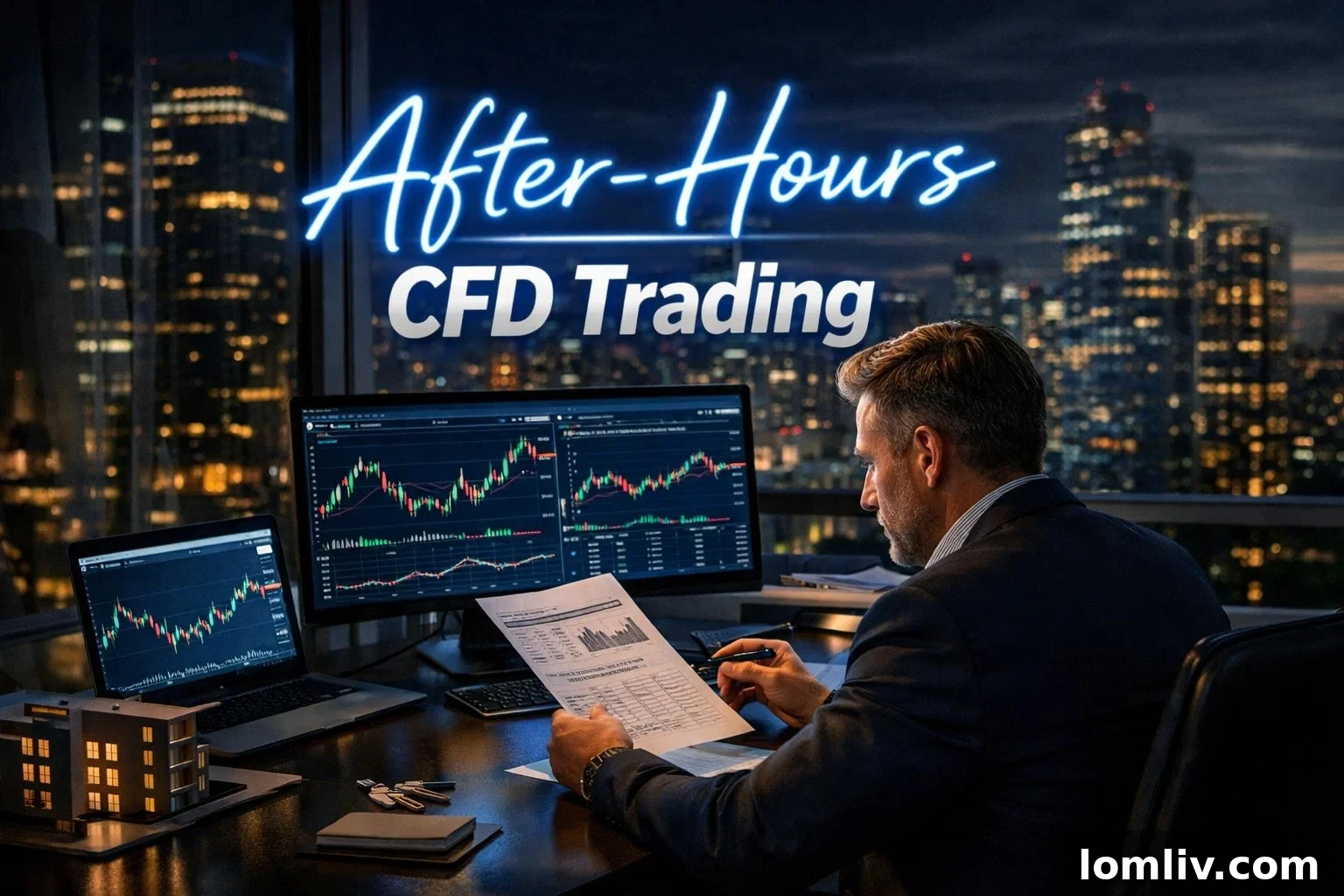
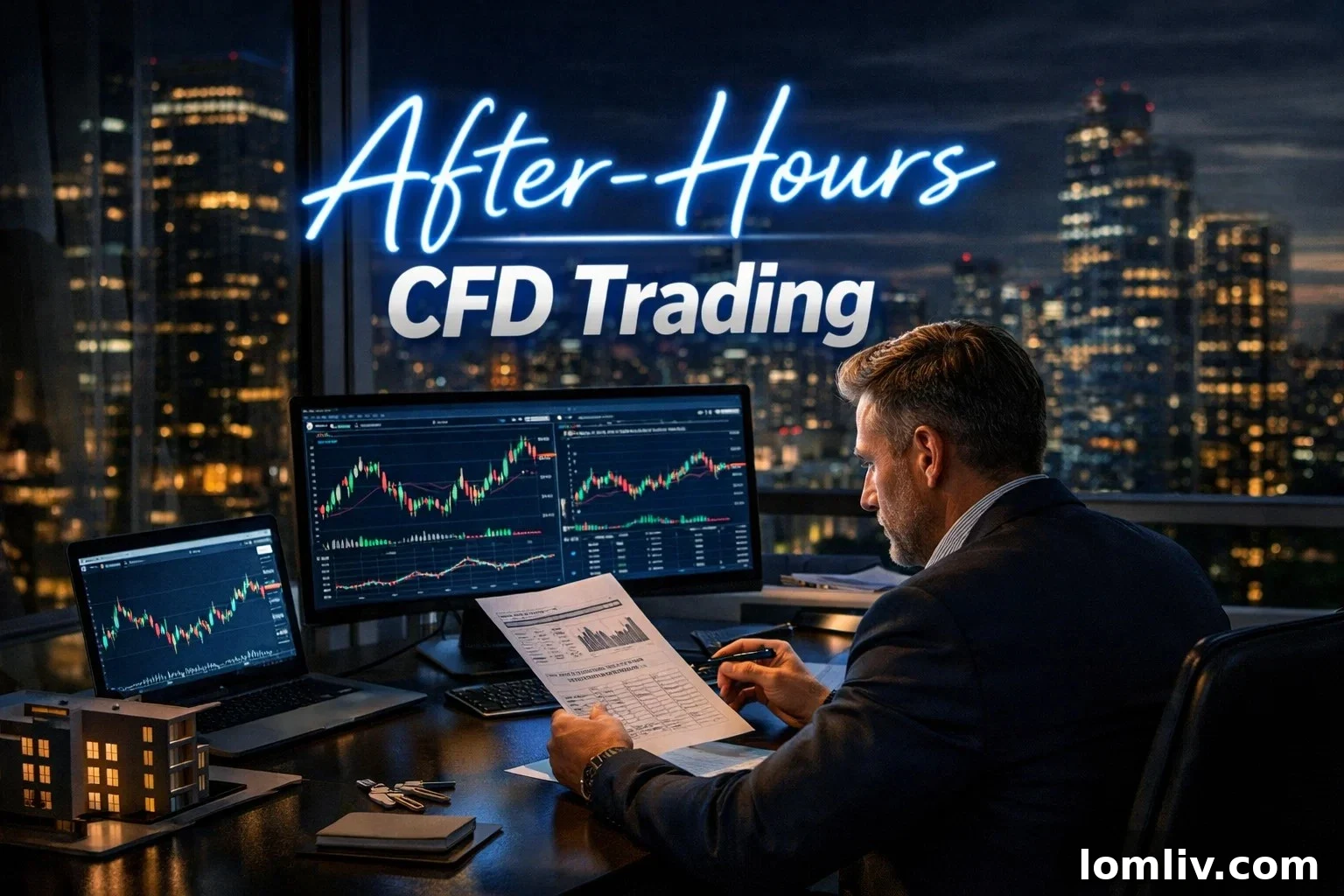
For many Dallas real estate investors, a robust portfolio often centers on tangible assets such as properties in dynamic neighborhoods like Uptown, Highland Park, or Deep Ellum. While these physical assets are renowned for their potential to deliver substantial long-term yields and act as a hedge against inflation, they are inherently characterized by their illiquidity. The process of buying or selling real estate can be lengthy, complex, and subject to significant transaction costs. To strategically balance this illiquidity and enhance overall portfolio resilience, a growing number of property investors are exploring more agile and liquid financial instruments for effective diversification and hedging strategies.
Among the increasingly popular approaches is after-hours CFD (Contracts for Difference) trading. This dynamic strategy offers traders and investors unparalleled flexibility and the ability to react swiftly to market-moving events that unfold outside conventional trading hours. For astute CFD traders, after-hours sessions can unveil unique opportunities, allowing them to capitalize on rapid price movements and potentially gain an edge before the broader market fully incorporates new information during standard trading hours.
However, the allure of these opportunities is accompanied by a distinct set of challenges and risks. Trading during extended hours often means navigating reduced liquidity, encountering wider bid-ask spreads, and contending with increased market volatility. These factors can significantly impact trade execution, potentially leading to slippage and directly affecting overall profitability. Therefore, a comprehensive understanding of both the advantages and disadvantages is absolutely crucial for any investor considering after-hours CFD trading as part of their financial toolkit.
This comprehensive guide delves into the core benefits and significant risks associated with engaging in after-hours CFD trading. Our aim is to equip you with the knowledge needed to navigate this fast-paced, often misunderstood segment of the market, helping you evaluate how it aligns with your broader investment objectives and risk tolerance, especially as a property investor seeking innovative ways to manage and grow your wealth.
Understanding After-Hours CFD Trading
After-hours CFD trading is a specialized financial activity that empowers traders to speculate on the price fluctuations of underlying assets beyond the regular trading hours of traditional exchanges. While conventional stock and commodities markets adhere to fixed opening and closing times, many reputable CFD brokers extend their trading windows to encompass pre-market and post-market periods. This extension effectively creates a nearly 24-hour trading environment for a wide array of financial instruments, reflecting the globalized nature of modern financial markets.
The fundamental question, “Can you trade CFDs during after-hours trading?” is definitively answered with a resounding yes. During these extended hours, the pricing of CFD markets is not directly determined by the primary exchange but rather derived from a sophisticated combination of global market activity, the continuous trading of related futures markets, and the pricing provided by the broker’s own network of liquidity providers. It’s important to recognize that during these periods, market conditions diverge significantly from regular hours; liquidity is typically lower, and price discovery mechanisms can be less robust.
For property investors, this presents an interesting avenue for market engagement. You can actively trade CFDs on a variety of real estate-centric assets, such as Real Estate Investment Trusts (REITs) or shares of prominent national homebuilders that have significant operations in regions like Texas. This capability allows you to maintain continuous involvement with the real estate sector and its underlying market dynamics, even when standard stock exchanges are closed. Furthermore, CFDs extend to other relevant assets like commodity futures (e.g., lumber, copper, steel), which directly influence construction costs, or even global indices that reflect broader economic health, offering a comprehensive suite of tools for dynamic portfolio management.
Key Benefits of After-Hours CFD Trading
Engaging in after-hours CFD trading offers a strategic advantage, providing traders, including those on platforms like Weltrade, with enhanced flexibility and access to market opportunities that materialize outside standard market sessions. This expanded access allows investors to remain proactive and responsive in a rapidly evolving global financial landscape.
Immediate Reaction to Market-Moving News
One of the most compelling benefits is the ability to react instantaneously to breaking economic news, geopolitical developments, and corporate earnings reports. Consider a scenario where the Federal Reserve announces an unexpected interest rate shift late in the trading day, or perhaps a major tech company reports quarterly earnings after the bell. Such events have immediate and profound implications for various asset classes, including mortgage rates, real estate stocks, and the broader market sentiment. Instead of being compelled to wait until the official market opening the following morning, Dallas investors, or any investor using after-hours CFD trading, can gain an early head start, enabling them to adjust existing positions or initiate new trades to capitalize on the initial market reaction, potentially securing more favorable entry or exit prices.
Enhanced Flexibility and Accessibility
This strategy is particularly advantageous for traders operating in diverse time zones or for individuals whose daily commitments prevent them from actively participating during regular market hours. After-hours CFD trading effectively removes geographical and temporal barriers, allowing them to engage with global markets on their own schedule. Since CFDs mirror the price movements of their underlying assets—which span stocks, indices, commodities, and REITs—investors can maintain continuous exposure and participation, regardless of their location or conventional working hours. This global accessibility is a cornerstone of modern financial trading.
Robust Risk Management and Hedging Capabilities
Another significant benefit of after-hours CFD trading lies in its utility as a powerful risk management tool. It provides traders and investors with the agility to adjust or hedge their positions in immediate response to unforeseen developments in the broader financial markets. For instance, a property investor concerned about a potential downturn in the real estate sector could use after-hours CFDs to short property-related stocks or REITs. This strategic move could help offset potential losses in their physical property portfolio if market conditions deteriorate. Similarly, if a major economic indicator suggests an impending market correction, adjusting or exiting positions in relevant CFDs after hours can help protect capital before the next trading day begins, thereby safeguarding against sudden, adverse price movements in illiquid physical assets.
Capitalizing on Market Gaps and Momentum
After-hours trading often sees significant price movements as news is assimilated by a thinner market. This can lead to price gaps when the regular market opens the next day. Astute after-hours traders can position themselves to profit from these gaps, or from sustained momentum initiated by late-breaking news. This opportunity to trade on emerging trends before they become widely known offers a unique competitive edge for those who monitor market catalysts diligently.
Major Risks and Challenges for Traders
While the allure of trading CFDs during after-hours sessions presents unique opportunities for agility and rapid response, it is imperative to acknowledge that these periods come with a distinct set of inherent risks, many of which are significantly more pronounced than during regular market sessions. A thorough understanding of these challenges is critical for responsible and potentially profitable after-hours trading.
Low Liquidity and Wider Bid-Ask Spreads
One of the foremost risks associated with after-hours CFD trading is considerably lower liquidity. After-hours periods typically attract fewer participants compared to regular market hours, leading to a reduced volume of trades and fewer available buyers and sellers. This diminished market activity makes it significantly harder to execute orders at desired prices, increasing the likelihood of delays and adverse slippage – where an order is filled at a price different from the one requested. Furthermore, low liquidity frequently translates into wider bid-ask spreads. This means the difference between the highest price a buyer is willing to pay (bid) and the lowest price a seller is willing to accept (ask) increases. Wider spreads directly raise the overall cost of trading, as traders effectively enter and exit positions at less favorable prices, eating into potential profits.
Heightened Volatility and Price Instability
Another critical risk is heightened volatility. With fewer participants and lower order volumes, prices can move sharply and unpredictably in response to even limited order flow or unexpected news events. While volatility can indeed create lucrative opportunities for quick gains, it simultaneously magnifies the risk of substantial losses if price movements turn unfavorable. Sudden price swings can trigger stop-loss orders prematurely or lead to rapid account depreciation, making markets during these times far more unpredictable and challenging to navigate. The reduced depth of market information means that even minor news can have an outsized impact on prices.
Limited Market Information and Reduced Transparency
The after-hours environment is also characterized by limited market information and reduced transparency. With fewer participants, it becomes considerably more challenging for traders to accurately gauge the true market sentiment or understand the underlying drivers of price movements. There are typically fewer analysts providing commentary, less institutional activity to anchor prices, and often a lack of readily available market depth data. This opaque environment can make informed decision-making more difficult, increasing the risk of misinterpreting market signals or falling prey to misinformation. Consequently, traders must employ exceptionally disciplined risk management strategies and rely on robust, real-time data sources when engaging in CFD trading outside standard market hours.
Operational and Technical Risks
Beyond market-specific risks, traders also face potential operational and technical challenges. Broker platforms might experience higher latency or reduced support during after-hours. System glitches, connectivity issues, or delays in order processing can have a more severe impact in a fast-moving, low-liquidity environment. Furthermore, the reliance on a broker’s proprietary pricing and liquidity providers during these extended hours means traders must have absolute confidence in their broker’s infrastructure and fairness in execution.
Potential for Reversal at Market Open
It’s crucial to recognize that after-hours price movements, while offering immediate opportunities, do not always reflect sustained market direction. Prices established during low-liquidity after-hours sessions can often “correct” or “re-price” dramatically once the regular market opens and full liquidity, institutional participation, and market depth return. This means gains made after hours could quickly evaporate, or losses could accelerate, if the broader market view diverges from the initial after-hours reaction.
Strategies for Successful After-Hours CFD Trading
To navigate the unique landscape of after-hours CFD trading effectively and mitigate its inherent risks, investors should adopt a structured and disciplined approach. Implementing sound strategies is paramount for those looking to leverage the opportunities presented by extended market hours.
1. Stay Rigorously Informed
The foundation of successful after-hours trading is an unwavering commitment to staying informed. Since after-hours movements are often driven by breaking news, having immediate access to real-time news feeds, economic calendars, and corporate announcements is critical. Set up alerts for relevant companies, economic data releases, and geopolitical events. Being among the first to react to credible information can provide a significant advantage in a less liquid market.
2. Start Small and Manage Risk Prudently
Given the heightened risks of lower liquidity and increased volatility, it is advisable to start with smaller position sizes when engaging in after-hours CFD trading. This allows you to gain experience and understand market dynamics without exposing a significant portion of your capital to undue risk. Implement strict risk management protocols, including clearly defined stop-loss orders to limit potential losses and take-profit orders to secure gains. Never risk more capital than you can comfortably afford to lose, especially in these volatile conditions.
3. Utilize Limit Orders Effectively
To counteract the challenge of wider bid-ask spreads and potential slippage, prioritize the use of limit orders over market orders. A limit order allows you to specify the exact price at which you are willing to buy or sell. While there’s no guarantee your order will be filled in a fast-moving market with low liquidity, it ensures that if it is executed, it will be at your desired price or better, protecting you from unfavorable fills. Market orders, conversely, can lead to unexpected and potentially costly slippage.
4. Develop a Comprehensive Trading Plan
Before entering any after-hours trade, have a clear and concise trading plan. This plan should outline your entry and exit points, your maximum acceptable loss (risk per trade), and your profit targets. Define the specific conditions that would trigger a trade and adhere to these rules without emotional deviation. A well-defined plan helps maintain discipline, particularly when market conditions become erratic.
5. Conduct Thorough Research on Underlying Assets
While CFD trading involves speculating on price movements, it’s crucial to understand the underlying assets. For real estate investors, this means researching the health of the housing market, interest rate forecasts, the performance of specific REITs, or the financial stability of homebuilder companies. A deep understanding of the fundamental drivers behind an asset’s price will inform more strategic and less speculative trading decisions, even when trading derivatives.
6. Choose a Reputable and Reliable Broker
The choice of CFD broker is paramount for after-hours trading. Opt for a broker known for its platform stability, transparent pricing (especially regarding spreads during extended hours), robust customer support, and reliable execution. Research their regulatory status and read reviews concerning their after-hours services. A trustworthy broker can make a significant difference in your trading experience and ability to execute trades effectively when markets are thinnest.
Conclusion: Navigating the Dynamics of After-Hours CFD Trading
After-hours CFD trading presents a fascinating and potentially lucrative avenue for astute investors seeking to diversify their portfolios, manage risk, and capitalize on opportunities beyond the confines of standard market hours. For real estate investors, whose primary assets are inherently illiquid, CFDs offer a flexible mechanism to maintain engagement with the broader financial markets, hedge against sector-specific risks, and react swiftly to global economic shifts that can impact property values and related investments.
The key benefits—including the ability to react immediately to news, enhanced trading flexibility, and robust risk management capabilities—underscore its appeal. However, it is equally vital to approach this strategy with a clear understanding of its inherent challenges. The risks of reduced liquidity, wider bid-ask spreads, heightened volatility, and limited market transparency are significant and demand a disciplined, informed approach. These factors can lead to increased trading costs, unexpected slippage, and rapid price swings that could quickly erode capital if not managed effectively.
Ultimately, after-hours CFD trading is not a universally suitable strategy, but rather a specialized tool best utilized by investors who possess a keen understanding of market dynamics, a strong commitment to continuous learning, and an unwavering adherence to rigorous risk management principles. By staying informed, starting with manageable positions, employing limit orders, and partnering with a reliable broker, investors can intelligently integrate after-hours CFD trading into their broader investment framework. This strategic approach allows them to harness the potential benefits while conscientiously mitigating the amplified risks, fostering a more resilient and responsive investment portfolio in today’s interconnected financial world.