
In an evolving commercial landscape, a powerful shift is taking place within the real estate sector. Faith-based business models are gaining unprecedented visibility, demonstrating that purpose and profit are not mutually exclusive but can powerfully intersect. Investors, coaches, and service providers are increasingly blending spiritual or ethical principles with their commercial strategies, not only to attract new audiences but also to cultivate deeply loyal and engaged communities. This approach represents more than just a passing trend; it signifies a fundamental re-evaluation of how business is conducted in one of the world’s oldest and most tangible industries.
Real estate has always been inherently about relationships—connecting people with properties, dreams with tangible assets. Faith-based businesses elevate this concept by embedding shared values and a deeper mission into every interaction. This integration profoundly transforms the operational philosophy, influencing how professionals work, invest, grow, and contribute to society in the long term. It fosters an environment where trust, integrity, and community welfare are as vital as financial returns, reshaping the very foundation of real estate engagement.
Let’s delve deeper into why this values-driven trend is not just gaining ground but becoming a cornerstone for success and sustainability in modern real estate.
The Resurgence and Rise of Values-Driven Real Estate
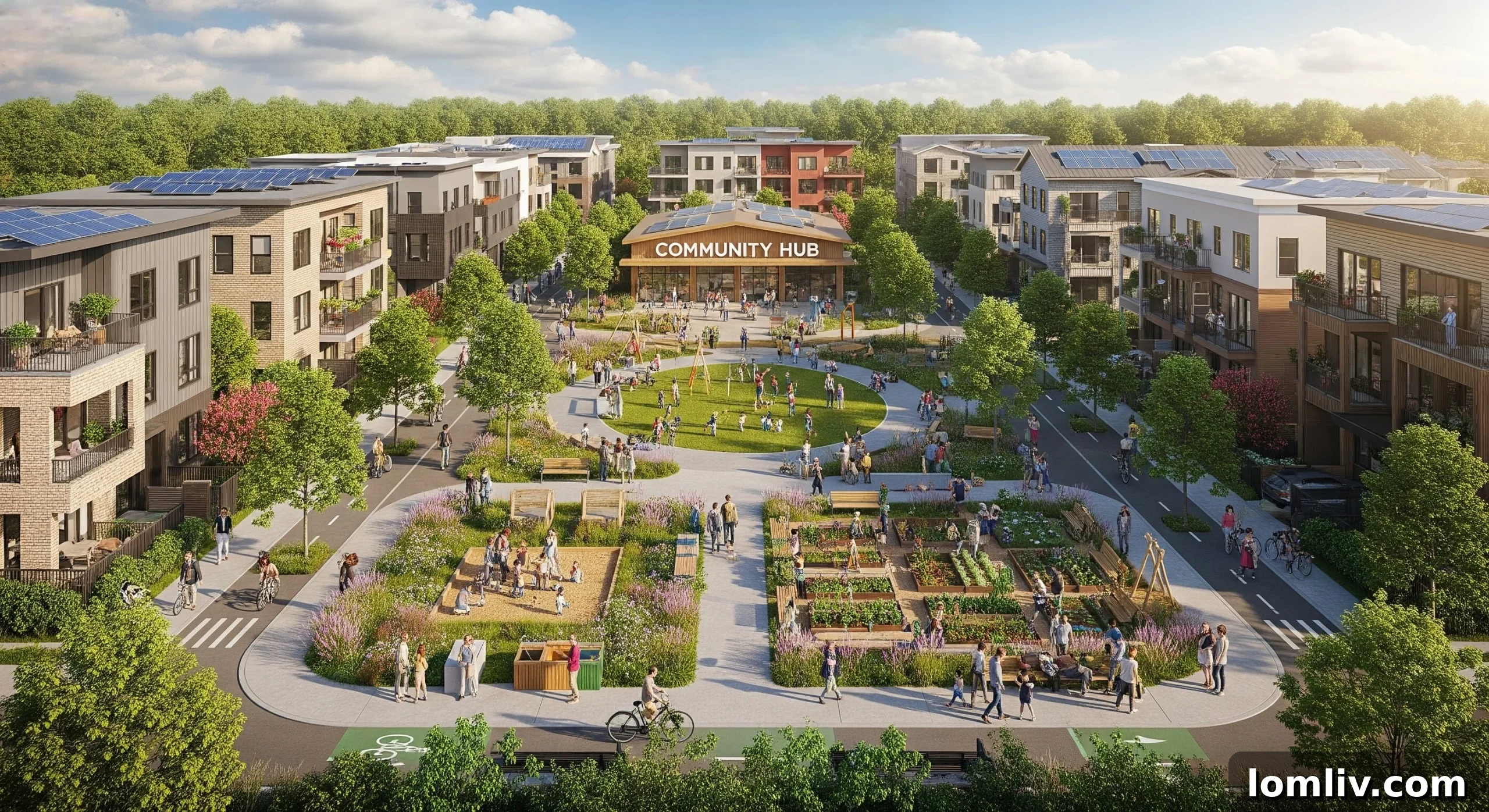
Defining Faith-Based Real Estate: Beyond Religion
A faith-based business, at its core, is one where spiritual or deeply held ethical values intrinsically shape every decision and action. Crucially, this does not necessitate that all participants share the exact same religious affiliation or belief system. Instead, it signifies that the business operates under a clear, consistent set of guiding principles—such as honesty, compassion, stewardship, and service—that dictate behavior, client interactions, and overall service delivery. These principles serve as an unwavering compass, ensuring that even in complex or challenging situations, the business remains aligned with its fundamental moral commitments.
In the dynamic realm of real estate, these principles manifest in tangible ways: how investors structure partnerships, how agents interact with clients, how developers approach community projects, and how teams collaborate internally. It’s about more than just legal compliance; it’s about choosing the ethical path, prioritizing fairness, and treating all stakeholders with respect and integrity, even when it might seem less convenient or immediately profitable. This foundational approach creates a strong ethical framework that underpins all business operations.
Understanding the Growth of This Powerful Trend
The increasing popularity of faith-based real estate models reflects a broader societal desire for authenticity and purpose. Today’s consumers and professionals are seeking more than mere transactional exchanges; they crave meaning, connection, and a sense of shared purpose in their engagements. Data consistently supports this shift: nearly 60% of Americans report that their personal values significantly influence where they choose to spend their money and, more importantly, with whom they choose to conduct business. This sentiment extends profoundly into professional services like real estate investment and coaching, where long-term relationships and significant financial decisions are at stake.
In this new landscape, real estate is no longer perceived solely through the lens of deals, property valuations, and financial returns. While these metrics remain important, they are increasingly complemented by a deeper appreciation for trust, the strength of community bonds, and the legacy that a business creates. People want to be part of something bigger than themselves—a business that not only delivers financial prosperity but also contributes positively to the lives of others and the wider community. This pursuit of holistic value, combining profitability with ethical impact, is precisely what fuels the growth of values-driven real estate.
Real Stories and Transformative Experiences from the Field
The impact of faith-based principles in real estate is best illustrated through the experiences of those who live it daily. These aren’t just theoretical concepts; they are practical tools that foster resilience, enhance relationships, and guide strategic decisions, leading to more sustainable and fulfilling outcomes.
The Coach Who Leads With Intention and Empathy
Consider the story of a seasoned real estate coach who, despite years of experience, often found herself grappling with difficult conversations during intense negotiations. The pressure and stakes of high-value deals could, at times, lead to strained interactions. Her turning point came when she integrated a practice of beginning each day with focused intention and prayer, grounding herself before engaging with the demands of her work. She discovered that by staying centered and connected to her core values, she was able to communicate with greater clarity, empathy, and composure. This shift didn’t just improve her conversational skills; it fundamentally altered how sellers and partners perceived her.
“When I’m calm and grounded, people open up more,” she explained. “They don’t just see me as a coach focused on closing a deal. They see me as a genuine partner who cares about their interests and understands their concerns.” This mindset, far from conflicting with her business objectives, actively supports the cultivation of long-term relationships, smooths out negotiation processes, and ultimately leads to more favorable and equitable outcomes for all parties involved. It’s about building bridges, not just transactions.
Investors Who Use Faith to Guide Risk and Foster Unity
Another powerful testament comes from an investor who shared how shared values provided crucial stability during challenging deals. When facing market uncertainties, unforeseen obstacles, or moments when lenders and partners expressed doubt, aligning the group on their foundational principles proved invaluable. Rather than succumbing to panic or short-sighted decisions, the shared ethical compass helped the team maintain focus and resilience.
“We constantly reminded each other why we were doing this in the first place,” he recalled. “It wasn’t just about the numbers; it was about the impact we wanted to make, the integrity we committed to upholding. That shared conviction kept us steady and united when the immediate financial projections looked shaky.” In this context, faith isn’t the magical reason for their success, but rather the essential compass that consistently guided their decisions, helping them navigate complex financial waters with unwavering resolve and collective purpose.
Compelling Reasons Why Investors Are Embracing Faith-Based Real Estate Models

1. Profound Alignment With Personal Values
A significant number of modern investors are no longer content with simply accumulating wealth. They actively seek a deeper congruence between their professional endeavors and their core personal beliefs. The desire to integrate faith and business, rather than compartmentalizing them, is a powerful motivator. This holistic approach ensures that their work reflects their deepest convictions, fostering a stronger sense of purpose, reducing internal conflict, and leading to clearer, more confident decision-making. When one’s investment strategy is aligned with one’s moral compass, every challenge becomes an opportunity to demonstrate integrity, and every success feels more meaningful, contributing to overall personal and professional fulfillment.
2. Accelerated Trust Building and Lasting Relationships
Businesses founded on principles of transparency, respect, and ethical conduct inherently foster trust at an accelerated pace. Clients, partners, and team members feel a greater sense of security and confidence when they witness integrity consistently in action. This isn’t just about good intentions; it’s about reliable behavior, open communication, and an unwavering commitment to fairness. The rapid establishment of trust often translates into tangible business advantages: increased referrals, higher rates of repeat deals, and the formation of robust, long-term partnerships that can withstand market fluctuations and challenges. A reputation built on integrity is an invaluable asset that compounds over time.
3. The Indispensable Power of Community
Faith-based real estate groups are renowned for their ability to cultivate exceptionally strong and supportive communities. These networks transcend mere professional acquaintances; they become vital ecosystems where members genuinely support one another, offering guidance, mentorship, and encouragement, particularly during inevitable market shifts or when deals encounter unexpected hurdles. This sense of shared purpose and mutual aid creates a resilient environment where individuals feel valued and understood.
Compelling statistics underscore the importance of such communities: reports indicate that investors who are part of supportive networks often close deals faster and more efficiently. One comprehensive study highlighted that an impressive 72% of active real estate investors directly attribute a significant portion of their deal flow to their professional network. Being part of a community that shares not just business goals but also fundamental values adds an unparalleled layer of support, insight, and accountability, making it a powerful catalyst for sustained success and personal growth.
What People Are Saying: Authentic REI Accelerator Reviews
The feedback from participants in programs like REI Accelerator consistently highlights the profound appeal of purpose-driven coaching and support. Reviewers frequently emphasize not only the practical strategies and tactical knowledge gained but also the invaluable encouragement, ethical framework, and shared values that underpin the entire experience. These testimonials paint a vivid picture of how integrating faith-based principles transforms both business outcomes and personal development.
One investor eloquently stated: “The coaching I received didn’t just equip me with the skills to find and close deals more effectively. It fundamentally reshaped how I think about wealth generation, the true meaning of purpose in my work, and the lasting impact I can create through my investments.” This speaks to a deeper transformation than mere skill acquisition.
Another participant shared a similar sentiment, highlighting the community aspect: “I initially joined for the expert training and proven methodologies. However, I chose to stay—and thrive—because the community genuinely cared about my holistic growth, not just as an investor, but as a person striving to align my business with my deepest convictions.” These types of heartfelt responses powerfully demonstrate how faith-based approaches can profoundly shape the entire experience and outcomes for real estate professionals, influencing not just their technical skills but fundamentally shifting their mindset, resilience, and overall approach to life and business.
Faith and Accountability: A Synergistic Winning Combination
In the demanding world of real estate investing, accountability consistently ranks among the most crucial needs for aspiring and seasoned professionals alike. Investors crave a reliable system—and a supportive person—who can consistently check in on their progress, gently push them past their comfort zones, and genuinely celebrate their victories, large and small. This external structure provides the necessary discipline and motivation to stay on track and achieve ambitious goals.
A faith-based business model, however, introduces a potent additional layer to this essential accountability. It achieves this by constantly reminding individuals of the deeper, often spiritual, purpose behind their goals and efforts. This internal compass provides a powerful intrinsic motivation that goes beyond mere external pressure. It transforms accountability from a chore into a commitment to a higher calling, fostering a profound sense of responsibility not just to oneself and one’s coach, but to one’s values and mission.
As one deeply impacted participant articulated: “There was a quarter where I almost quit, feeling overwhelmed and disheartened. But when my coach reminded me of *why* I initially started this journey—my values, my family, my desire to make a difference—it pulled me back from the brink. It re-ignited my passion and focus.” This demonstrates the profound power of linking accountability to purpose. It transcends mere instruction, elevating coaching into a truly transformative experience that builds resilience and unwavering commitment, even in the face of significant adversity.
Does a Faith-Based Model Imply Exclusion? Absolutely Not.
A common misconception about faith-based business models is that they are inherently exclusive or reserved for individuals of a specific religious background. This notion is fundamentally inaccurate. In reality, the vast majority of faith-based real estate groups are deliberately designed to be inclusive and welcoming to people from all walks of life, diverse backgrounds, and varying belief systems.
The core reason for this inclusivity lies in the universal nature of the values they champion. Principles such as honesty, ethical service, genuine compassion, unwavering integrity, and fostering a strong sense of community are not exclusive to any single faith. They are universally recognized human virtues that contribute to positive relationships and ethical conduct in any sphere. When these values are modeled and upheld, they naturally create a respectful, trustworthy, and harmonious environment where everyone feels safe, valued, and empowered to contribute.
Numerous members within these groups openly attest that they do not share the exact same faith as the coaches or other members, yet they deeply value and appreciate the ethical approach and guiding principles. “It wasn’t about religion or specific dogma,” one investor clarified. “It was profoundly about mutual respect, shared purpose, and a commitment to doing business the right way.” This distinction is crucial: these models do not impose or force specific beliefs. Instead, they champion and model universal values that elevate both business practices and personal lives, creating a fertile ground for collaboration, growth, and collective success that transcends any single creed.
Actionable Steps for Investors Embracing a Values-Based Approach
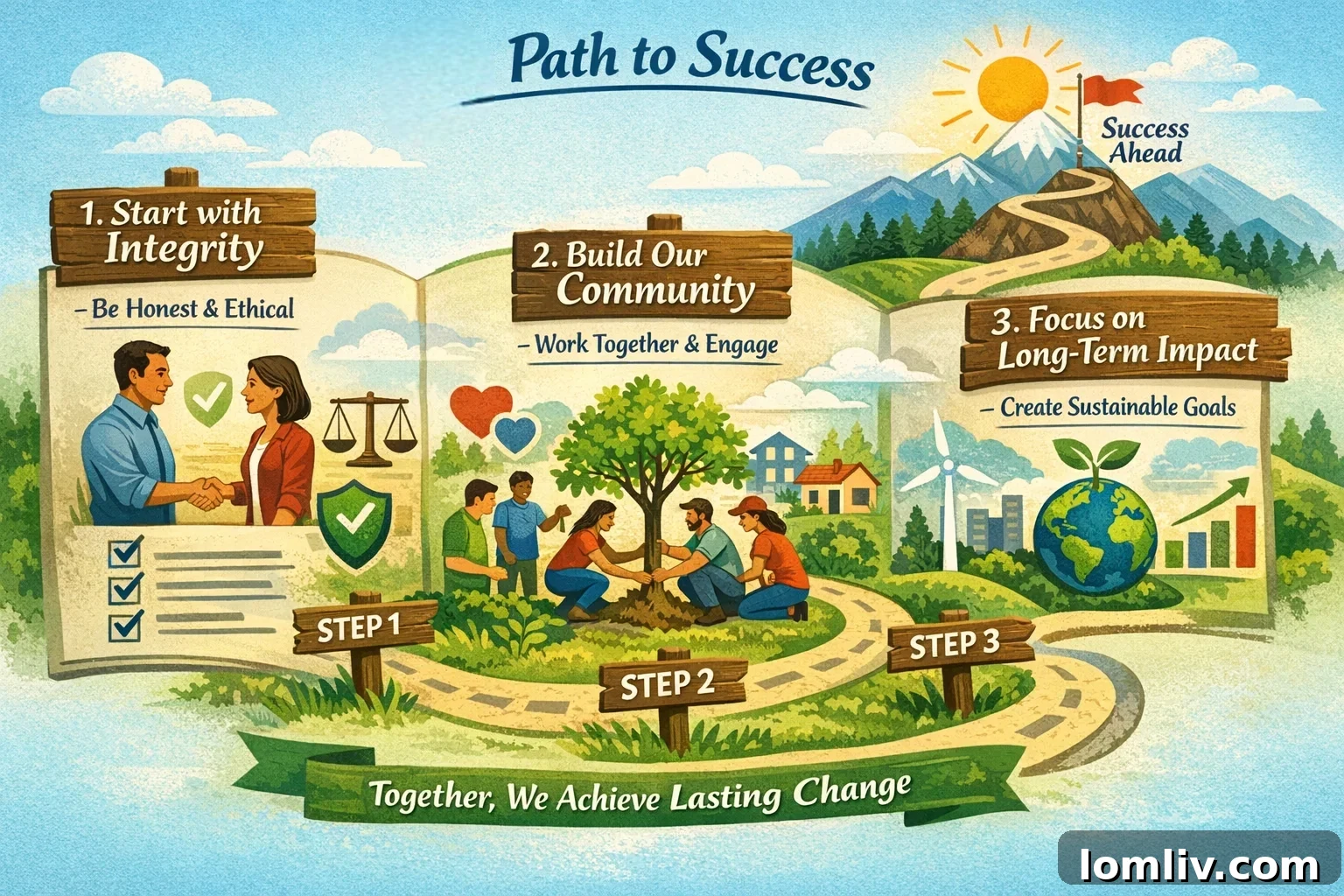
For any real estate investor seeking to infuse greater meaning and integrity into their work, adopting a values-based approach offers immense benefits, regardless of whether they fully identify with a particular faith. Here are practical, actionable steps to integrate these powerful principles:
1. Clearly Define Your Core Values
Take dedicated time to reflect upon and articulate the fundamental principles that matter most to you in life and business. Are integrity, selfless service, diligent stewardship, generosity, or community impact at the top of your list? Write these down explicitly. Once defined, use these core values as a consistent filter and guide for every significant decision, partnership, and strategy you undertake. This clarity provides an unwavering moral compass for your entire investment journey.
2. Actively Join a Supportive and Purpose-Driven Community
Seek out and engage with investor groups or networks that prioritize genuine relationships, mentorship, and shared ethical principles over mere transactional exchanges. A strong, supportive community offers not only valuable industry insights but also emotional encouragement, accountability, and accelerated learning opportunities through collective wisdom and shared experiences. These connections become invaluable assets in navigating the complexities of real estate.
3. Choose Coaches Who Embody Care and Consistency
When selecting a real estate coach, look beyond flashy marketing or promises of quick riches. Prioritize coaches who consistently demonstrate transparency, integrity, and a genuine care for their clients’ holistic growth. Ask for specific examples of how they’ve guided and supported members through difficult market cycles or personal challenges. A truly effective coach is not just a strategist but a mentor who aligns with your values and inspires long-term success.
4. Practice Unwavering Integrity in Every Deal
Make a steadfast commitment to transparency and honesty in all your dealings. Ensure that terms are always clear, expectations are openly communicated, and ethical considerations guide every negotiation and interaction with partners, lenders, and clients. Building a stellar reputation founded on integrity is a long-term investment that pays dividends far beyond immediate profits, fostering trust and opening doors to future opportunities.
5. Set Long-Term Impact and Legacy Goals
Shift your perspective beyond immediate financial gains. Investing with a profound sense of purpose means thinking critically about the broader impact you wish to create. Ask yourself: What kind of legacy do I want to build for my family, my community, or even the industry at large? Use these profound answers to shape your investment strategy, guiding your choices towards projects and partnerships that not only generate wealth but also contribute positively to the world around you.
Why This Matters for the Enduring Future of Real Estate
The emergence and growing prominence of faith-based business models in real estate are far more than a fleeting industry trend; they represent a fundamental, enduring response to a deeper human yearning. People today are increasingly seeking alignment between their professional endeavors, their financial pursuits, and their most cherished relationships. They demand meaning, purpose, and ethical conduct across all facets of their lives.
In the past, many investors and professionals often felt trapped in a cycle of stress, aggressive hype, and eventual burnout. Now, there is a collective aspiration for something different—a desire to build wealth with genuine purpose, cultivate strong, supportive communities, and find true meaning in their work. This shift is profound and irreversible.
Real estate, by its very nature, is fertile ground for this transformative shift. Its long-term investment horizons, tangible impact on communities, and direct connection to human needs (shelter, development, growth) make it an ideal arena for values-driven approaches. People don’t just invest in bricks and mortar; they invest in futures—their own, their families’, and their communities’. When that investment is infused with respect, unwavering purpose, and genuinely shared values, it fundamentally changes everything, elevating the entire industry to a higher standard of ethical conduct and societal contribution.
Final Thought: Cultivating a New Way to Build and Thrive
Faith-based real estate investing represents a powerful integration of heart with strategic acumen. It is not about replacing skill or business savvy with blind belief; rather, it’s about synergistically combining them. This holistic approach empowers professionals to remain grounded and resilient when markets inevitably shift, to build profound trust with partners and clients that endures beyond any single transaction, and to cultivate vibrant, supportive communities that last a lifetime.
For a rapidly growing number of investors, this is far more than just an alternative business model. It is increasingly seen as the definitive way forward—a path that promises not just financial success but also deep personal fulfillment and lasting positive impact. The accumulating evidence, compelling real-world stories, and transformative experiences of those who embrace this approach all unequivocally point in this direction, signaling a brighter, more ethical future for the real estate industry.