Tiny Living Unveiled: BA Norrgard and the BuzzFeed Tiny House Experience
In an age where spacious homes and abundant possessions often define success, a counter-culture movement is steadily gaining traction: tiny house living. This increasingly popular lifestyle challenges conventional notions of comfort and necessity, inviting individuals to embrace minimalism, financial freedom, and a significantly reduced environmental footprint. But what truly goes on within the compact walls of these miniature dwellings? Have you ever paused to truly imagine the daily realities of life in a tiny home? The concept often sparks curiosity, skepticism, and a dash of wonder.
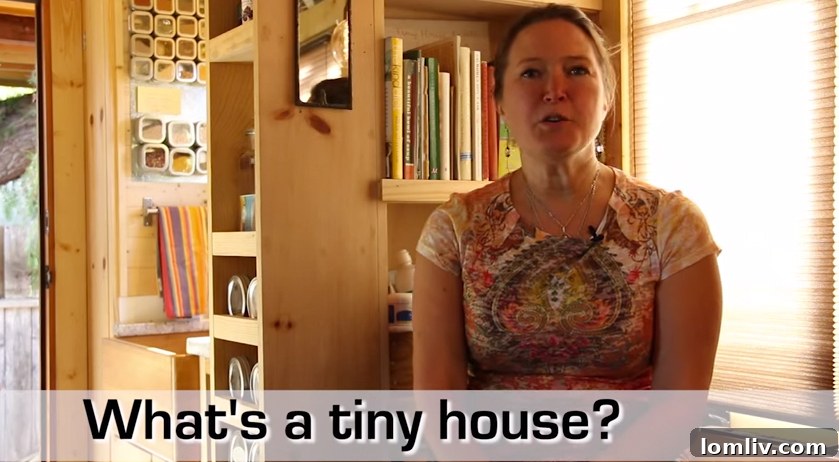
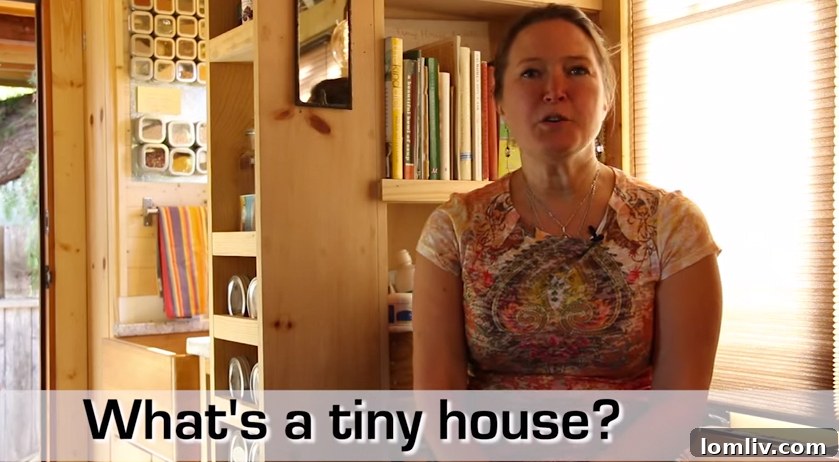
To shed light on this fascinating phenomenon, lifestyle repackaging expert, acclaimed tiny home blogger, and Dallas native, BA Norrgard, recently offered a unique opportunity to a few BuzzFeed staffers. She invited them to immerse themselves in her meticulously designed tiny house for several hours, providing an authentic taste of this unique way of life. The outcome was nothing short of illuminating, marked by plenty of laughs, unexpected discoveries, and a valuable dose of introspection into personal priorities and the true meaning of “enough.” This experiment wasn’t just about fitting into a small space; it was about confronting preconceived notions and exploring the profound shifts that occur when one dramatically downsizes. Below, you can find the captivating video that captures all the moments of their enlightening experience!
BA Norrgard: An Expert Voice in the Tiny House Movement
BA Norrgard isn’t just a tiny homeowner; she’s a leading advocate and educator in the minimalist and tiny living sphere. As a lifestyle repackaging expert, her philosophy centers on helping individuals declutter not just their physical spaces, but also their lives, schedules, and mental clutter. Her expertise goes beyond mere aesthetics, delving into the psychological and practical implications of living intentionally. Through her popular blog, she shares invaluable insights, practical tips, and personal anecdotes that resonate with both aspiring tiny dwellers and those simply seeking a more streamlined existence. Norrgard’s approach emphasizes that tiny living isn’t about deprivation, but rather about intentionality – carefully choosing what adds value to one’s life and letting go of the superfluous. Her decision to host the BuzzFeed team in her tiny house was a testament to her commitment to demystifying this lifestyle and inviting a broader audience to experience its unique challenges and rewards firsthand.
The Buzz About Tiny Living: A BuzzFeed Experiment
The BuzzFeed experiment served as a fascinating micro-study into the immediate impacts of living in a restricted space. For most people, the transition from a conventional home to a tiny house, even for just a few hours, can be quite jarring. The BuzzFeed staffers, accustomed to typical urban living arrangements, quickly encountered the defining characteristics of tiny home living. They grappled with the limited counter space, the creative storage solutions, and the close proximity to one another. What might seem like minor inconveniences in a larger home became focal points in the tiny house, prompting immediate adaptation and negotiation.
The Introspection of Small Spaces
Beyond the initial novelty and the inevitable humor derived from navigating such compact quarters, the experiment fostered genuine introspection. The staffers were prompted to consider their own relationship with possessions, personal space, and the sheer volume of “stuff” they typically accumulate. The lack of excessive storage meant every item had to earn its place, forcing a mental inventory of true necessities versus mere wants. This brief encounter with tiny living often sparks questions like: “Do I really need all this?” or “What truly brings me joy and utility in my daily life?” The insights gained from just a few hours in BA Norrgard’s tiny home highlighted that living small isn’t just about physical dimensions; it’s a mental and emotional journey that encourages self-reflection and a re-evaluation of personal values.
Embracing the Tiny House Movement: More Than Just a Trend
The tiny house movement has evolved from a niche architectural curiosity into a significant cultural phenomenon. It represents a conscious rebellion against consumerism, excessive debt, and the often unsustainable practices of modern living. While the aesthetics of tiny houses—from rustic cabins to sleek, modern designs—are diverse, the underlying philosophy remains consistent: living with less to gain more. This “more” often translates to increased financial freedom, greater mobility, and a profound connection to one’s environment and community.
Why Downsize? The Core Philosophy
The motivations behind embracing tiny house living are multifaceted. For many, it’s a direct response to the escalating costs of housing and the burden of mortgages. Others are driven by environmental concerns, seeking to minimize their carbon footprint and live more sustainably. Then there are those who simply crave simplicity, wishing to shed the weight of material possessions and focus on experiences, relationships, and personal growth. Whatever the impetus, the decision to downsize is rarely taken lightly; it’s a deliberate choice that often signifies a profound shift in priorities.
The Allure of Tiny Living: Benefits Beyond the Walls
The appeal of tiny homes extends far beyond their charming aesthetics. This lifestyle offers a multitude of tangible and intangible benefits that draw a diverse array of individuals and families:
- Financial Freedom: Perhaps the most significant advantage, tiny houses drastically reduce housing costs. Lower purchase prices, minimal utility bills, and reduced property taxes translate into less debt, more savings, and greater financial independence. This allows individuals to pursue passions, travel, or retire earlier.
- Environmental Sustainability: With smaller footprints, tiny homes consume fewer resources for construction, heating, and cooling. They encourage mindful consumption, waste reduction, and a closer connection to nature, significantly lowering one’s ecological impact.
- Simplicity and Minimalism: Living in a tiny house necessitates a minimalist mindset. This leads to decluttering, organizing, and a more deliberate approach to possessions. The focus shifts from accumulating “stuff” to valuing experiences and essential items.
- Increased Mobility and Flexibility: Many tiny houses are built on wheels, offering the freedom to relocate without selling a conventional home. This mobility appeals to adventurers, remote workers, and those seeking to explore different landscapes and communities.
- Reduced Stress and Clutter: A smaller space often means less to clean, less to organize, and fewer opportunities for clutter to accumulate. This can lead to a less stressful environment, allowing for more focus on well-being and personal interests.
- Stronger Community Connections: Tiny house communities are often vibrant and supportive, fostering a sense of belonging and shared values among residents. This communal aspect can counteract the isolation sometimes experienced in traditional neighborhoods.
Navigating the Nook: Challenges of Tiny Home Ownership
While the benefits are compelling, tiny house living is not without its challenges. It requires careful planning, adaptation, and a realistic understanding of the compromises involved:
- Space Constraints: The most obvious challenge is the sheer lack of space. This impacts everything from storage for clothes and kitchenware to entertaining guests, and even personal privacy, especially for couples or families.
- Legal and Zoning Hurdles: Regulations concerning tiny houses vary wildly by municipality and state. Finding legal places to park or permanently situate a tiny home can be a significant obstacle, often requiring extensive research and negotiation.
- Utilities and Infrastructure: Hooking up to utilities (water, electricity, sewage) can be complex, especially for off-grid setups. Waste management, including composting toilets or gray water systems, also requires careful consideration and maintenance.
- Social Perception and Stigma: Despite its growing popularity, tiny living still faces misconceptions. Explaining the lifestyle choice to friends, family, or potential employers can sometimes involve overcoming skepticism or a lack of understanding.
- Building and Maintenance: Whether building from scratch or customizing a pre-built model, the construction process can be demanding. Ongoing maintenance in a small space also requires vigilance to prevent issues like moisture buildup or pest infestations.
- Accessibility: For individuals with mobility issues or specific family needs, a tiny home’s compact design and often multi-level layout (e.g., lofted bedrooms) can pose accessibility challenges.
Is Tiny Living Right for You? Self-Assessment for Aspiring Dwellers
Deciding to embrace a tiny home lifestyle is a monumental step that requires careful consideration. It’s not just about downsizing your possessions; it’s about rethinking your entire approach to living. Before making the leap, it’s crucial to ask yourself some honest questions:
- Are you genuinely comfortable with significantly less personal space, or do you crave expansive rooms and abundant storage?
- How committed are you to a minimalist philosophy? Are you ready to part with sentimental items and make tough choices about every possession?
- Are you prepared for the potential logistical challenges, such as finding legal parking, managing utilities, and adapting to a more communal or off-grid living style?
- How will a tiny home impact your social life, hobbies, or the dynamics of your family relationships?
- Do you value experiences and financial freedom more than material possessions and a traditional large home?
- Are you willing to learn new skills, from basic plumbing and electrical work to composting and rainwater harvesting, if you opt for an off-grid setup?
Your answers will provide invaluable insight into whether the tiny house movement aligns with your personal values, comfort levels, and long-term aspirations. It’s a lifestyle that demands adaptability, resourcefulness, and a strong sense of purpose.
Making the Leap: Essential Tips for Tiny House Converts
For those inspired by BA Norrgard’s philosophy and the potential of tiny living, here are some practical tips to guide your journey:
- Research Extensively: Explore different tiny house designs, construction methods, and legal requirements in areas you’re considering. Watch documentaries, read blogs, and follow experts like BA Norrgard.
- Declutter Ruthlessly: Begin the decluttering process long before you move. Use the “one year rule” (if you haven’t used it in a year, get rid of it) and focus on multi-functional items.
- Try Before You Buy: Rent a tiny house for a weekend or a week. This invaluable experience will give you a realistic preview of what life in a small space entails, helping you identify potential issues or hidden desires.
- Plan Your Layout Meticulously: Every inch counts in a tiny home. Consider built-in storage, convertible furniture, and vertical space. Think about your daily routines and how the layout will support them.
- Budget Wisely: Factor in not just the cost of the house itself, but also land, permits, utility hookups, and potential unforeseen expenses.
- Build a Support Network: Connect with other tiny home enthusiasts. Their experiences and advice can be invaluable as you navigate the challenges and celebrate the successes of your tiny living journey.
Conclusion: The Enduring Appeal of Living Small
The BuzzFeed experiment orchestrated by BA Norrgard beautifully encapsulated the essence of tiny house living: it’s an adventure that promises laughs, challenges, and profound self-discovery. More than just a dwelling, a tiny home represents a conscious decision to redefine one’s relationship with space, possessions, and priorities. It offers a powerful pathway to financial freedom, environmental stewardship, and a life rich in experiences rather than material excess. While it demands adaptation and a willingness to embrace simplicity, the rewards for many are immeasurable.
The question then remains, as relevant today as it was at the outset of the BuzzFeed challenge: Do you think you could live in a tiny home? Could you find joy and fulfillment within its compact walls, or does the idea of extensive downsizing feel too daunting? Regardless of your personal inclination, the tiny house movement continues to inspire a vital conversation about sustainable living, intentional consumption, and what it truly means to build a home.