

Editor’s Note: The past year has undoubtedly been a whirlwind for many, a period marked by unprecedented challenges and unexpected shifts. Yet, amidst it all, the housing market has shown remarkable resilience, with homes continuing to change hands at a steady pace. As the daltxrealestate.com team takes a much-deserved moment to recharge this holiday season, we’re revisiting some of our most impactful and beloved insights from 2020. This particular piece resonated deeply because it addresses a common but often overlooked aspect of real estate transactions that can lead to significant stress: understanding what truly stays and what goes when a property sells. We hope you find it as illuminating as we do!
Expert Insight from Lydia: This topic stands out as one of my top tips from 2020, primarily because misunderstandings in this area frequently create unnecessary friction during what should be an exciting process. The standard Texas real estate contract provides clear guidelines on what items are expected to convey with the property. However, in the whirlwind of moving, amidst packing boxes and orchestrating logistics, sellers might inadvertently or forgetfully remove items that legally belong to the home. Conversely, buyers often make assumptions about what’s included. This disparity in expectation versus reality can lead to incredibly frustrating and awkward scenarios on closing day, especially during the final walk-through. Imagine a buyer discovering a cherished fixture missing – disputes quickly escalate, fingers are pointed, and the celebratory atmosphere of a new home purchase can quickly sour. This guidance is designed to help both buyers and sellers navigate these often-tricky waters, ensuring a smoother, more transparent transaction for all parties involved and preventing those heated conflicts before they even begin.
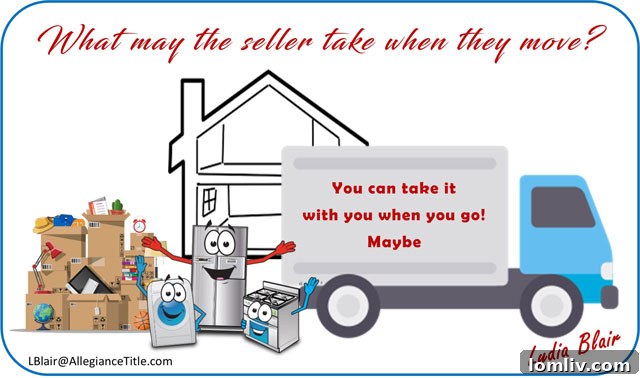
Buying or selling a home is one of life’s most significant transactions, filled with excitement, anticipation, and a myriad of details to manage. Amidst all the planning and paperwork, a frequently underestimated aspect often leads to confusion and potential conflict: determining precisely what items a seller can, and cannot, take from a house once it’s sold. Misunderstandings surrounding fixtures versus personal property are incredibly common, and when expectations aren’t clearly aligned, pleasant transactions can quickly devolve into unpleasant disputes.
In the Lone Star State, the process of buying and selling real estate is governed by specific contractual language designed to provide clarity. Our aim here is to illuminate these crucial distinctions, helping both buyers and sellers in Texas understand what legally conveys with the property and what the seller is entitled to take. By shedding light on these often-murky areas, we hope to foster smoother closings and prevent avoidable disagreements.
Understanding What Conveys with Your Texas Home Sale
The standard Texas real estate contract is meticulously crafted to leave little room for ambiguity regarding what constitutes part of the property sale. Central to this understanding are Paragraphs 2B and 2C, which explicitly list items that are expected to remain with the home unless otherwise specified in writing. These paragraphs aim to differentiate between items considered “fixtures” – permanently installed or built-in elements – and “personal property,” which sellers are generally free to remove.
Paragraph 2B: Permanently Installed and Built-in Items
Paragraph 2B outlines a comprehensive list of items considered permanently installed or built-in, and therefore, must convey with the property. The logic behind this is that these items are typically integral to the function or design of the home and are not easily removed without causing damage or significantly altering the property’s intended use. Examples commonly found in this section include:
- Appliances: While a freestanding refrigerator is generally considered personal property, built-in appliances such as dishwashers, built-in ovens, cooktops, microwaves that are permanently installed above a range, and trash compactors are expected to convey. Even a built-in refrigerator, custom-fitted into cabinetry, is typically part of the sale.
- Hardware and Fixtures: This category encompasses a wide array of items like all exterior and interior doors, door keys, door knocker, and knobs. It also includes permanently installed mirrors (especially those glued or screwed into walls, differentiating them from mirrors simply hung on a hook), all window screens, storm windows, and solar screens.
- Lighting and Ceiling Fans: All permanently installed light fixtures, including chandeliers, track lighting, and recessed lights, are expected to remain. Similarly, all ceiling fans, regardless of their decorative value, are typically considered part of the property.
- Outdoor Features: Items such as mailboxes, built-in outdoor cooking equipment (like a permanently installed outdoor grill or kitchen island), and even certain landscaping elements (such as mature trees, shrubs, and built-in sprinkler systems) are usually considered part of the property. Freestanding grills, however, are personal property.
- Security and Communication Systems: Permanently installed security systems, including cameras and hardwired detectors, as well as smart home thermostats and doorbell cameras that are hardwired, typically convey. Antennae and satellite dishes are also included.
The key differentiator here is the “permanently installed” or “built-in” characteristic. If removing an item would leave a hole, require repair, or diminish the property’s utility, it’s highly likely to be considered a fixture.
Paragraph 2C: Additional Accessories That Must Remain
Beyond the fundamental fixtures, Paragraph 2C delves into additional accessories that are also contractually obligated to stay with the property. These items, while perhaps not “built-in” in the same sense as an oven, are typically considered part of the home’s functional or aesthetic presentation and are expected by buyers. This list includes:
- Window Treatments: All curtains, drapes, rods, blinds, window shades, and plantation shutters are expected to remain. These are often custom-fitted to the windows and integral to the home’s design and privacy.
- Fireplace Accessories: Fireplace screens, gas logs, and grates typically convey, as they are specific to the fireplace installed in the home.
- Garage and Gate Controls: All garage door openers and their remote controls, as well as controls for any automatic gates, are essential for accessing the property and must be left for the buyer.
- Mounting Hardware: This is a point of frequent confusion. While the actual televisions, speakers, and sound equipment are considered personal property and do not convey, their mounts and brackets (e.g., for wall-mounted TVs or speakers) are listed in Paragraph 2B and must remain. The reasoning is that these mounts are physically attached to the structure of the home.
- Keys: All keys to the property, including spare sets, mailbox keys, and any keys for outbuildings, must be transferred to the buyer.
A simple test to determine if an item is a fixture versus personal property often revolves around the “method of attachment.” If a mirror is simply hanging on a decorative nail, it’s personal property. However, if that same mirror is glued to the wall, framed into the wall, or securely screwed into the studs, it becomes an attached fixture and must remain with the house. Similarly, a kitchen refrigerator typically does not convey unless it is a custom built-in unit designed as part of the cabinetry. If it is built-in, it must remain.
What Sellers Can Exclude and The Importance of Written Agreement
While the Texas real estate contract is quite clear on what conveys, sellers do have the right to exclude certain items that would otherwise be considered fixtures. This right, however, comes with a crucial stipulation: any items the seller wishes to take that would normally convey must be explicitly listed as an exclusion on the first page of the contract, typically in Paragraph 2D. This is not a suggestion; it’s a contractual necessity.
Common exclusions often include items with sentimental value, unique design, or specific personal attachment. For example, a seller might have a beloved antique chandelier in the dining room or custom-designed window treatments that they wish to take to their next home. If these items are not expressly excluded in writing within the contract at the time of signing, they are legally obligated to stay with the property. The consequence of failing to list an exclusion can be significant, potentially leading to a breach of contract and costly disputes post-closing.
Navigating Personal Property and the Non-Realty Items Addendum
Beyond fixtures, there’s a broad category of “personal property” that belongs solely to the seller and does not convey with the home sale. This includes the vast majority of furniture, freestanding decorative items, portable electronics (like freestanding TVs and speakers), artwork not affixed to the wall, tools, and personal belongings. Sellers are expected to remove all personal property prior to transferring possession to the buyer, ensuring the home is empty and clean.
However, there are instances where a seller might wish to “gift” certain personal property items to the buyer, such as a washer, dryer, or a freestanding refrigerator, to facilitate a quicker sale or simply as a goodwill gesture. In such cases, it is imperative to use a “Non-Realty Items Addendum.” This addendum formally lists any personal items that are transferring from seller to buyer. Both parties must agree to and sign this addendum, clearly documenting what personal property is included in the sale and preventing any future disputes about these items. Without this addendum, even if a verbal agreement was made, there’s no legal backing, and the buyer cannot demand these items if the seller decides to take them.
A Global Perspective: The Uniqueness of Texas Rules
It’s worth noting that real estate practices vary dramatically across different regions and countries. What’s standard in Texas might be surprising elsewhere. For instance, in some European countries, it’s not uncommon for sellers to literally take everything but the kitchen sink – and sometimes even that! Buyers might find themselves purchasing a home only to discover that all appliances, light fixtures, and even door handles have been removed. Conversely, in certain resort areas or fully furnished properties, especially those marketed for investment or rental, sellers might leave almost everything, including furnishings, dishes, and linens. This international contrast underscores why understanding your local contract, like the Texas standard agreement, is absolutely critical. It prevents relying on assumptions that may be valid elsewhere but not applicable here.
Best Practices for a Smooth Transaction
To avoid disputes and ensure a seamless closing, both buyers and sellers should adhere to some fundamental best practices:
- For Sellers:
- Inventory and Photograph: Before listing your home, make a detailed inventory of all items. If you have a specific item that appears to be a fixture but you intend to take it, photograph it and ensure it’s explicitly listed as an exclusion in your contract.
- Communicate Clearly: Discuss with your real estate agent any items you are unsure about or want to take. Your agent can help clarify contractual obligations.
- Remove Personal Property Promptly: Ensure all personal belongings are removed, and the home is thoroughly cleaned *before* the buyer’s final walk-through. This eliminates doubt and potential last-minute issues.
- Protect the Property: When removing items, be careful not to damage walls, floors, or other parts of the home.
- For Buyers:
- Read the Contract Thoroughly: Pay close attention to Paragraph 2 (B, C, and D) of the contract. Understand what is supposed to convey and what the seller has specifically excluded.
- Ask Questions: If you have any doubts about specific items (e.g., a specific curtain set, a backyard shed, or a fancy outdoor fountain), ask your agent to seek clarification from the seller and get it in writing.
- The Final Walk-Through is Crucial: Conduct a thorough final walk-through just before closing. Verify that all items that should convey are present and in working order, and that any excluded items have been removed without damage. Document any discrepancies immediately.
- Do Not Assume: Never assume an item conveys unless it’s clearly stated in the contract or a signed addendum.
In conclusion, the key to avoiding heated conflicts on closing day lies in clarity and written agreement. When in doubt, always refer to the specific details outlined in Paragraph 2 of your Texas real estate contract. For any items that fall into a gray area or have sentimental value, ensure they are explicitly addressed in writing and agreed upon by all parties at the time the contract is signed. This proactive approach ensures everyone understands what you can and can’t take with you when you go, paving the way for a successful and stress-free transaction.
Opinions expressed are those of the individual author for informational purposes only and do not constitute legal or tax advice. It is always recommended to contact a qualified attorney or accountant to obtain personalized advice for any specific issue or problem related to real estate transactions.