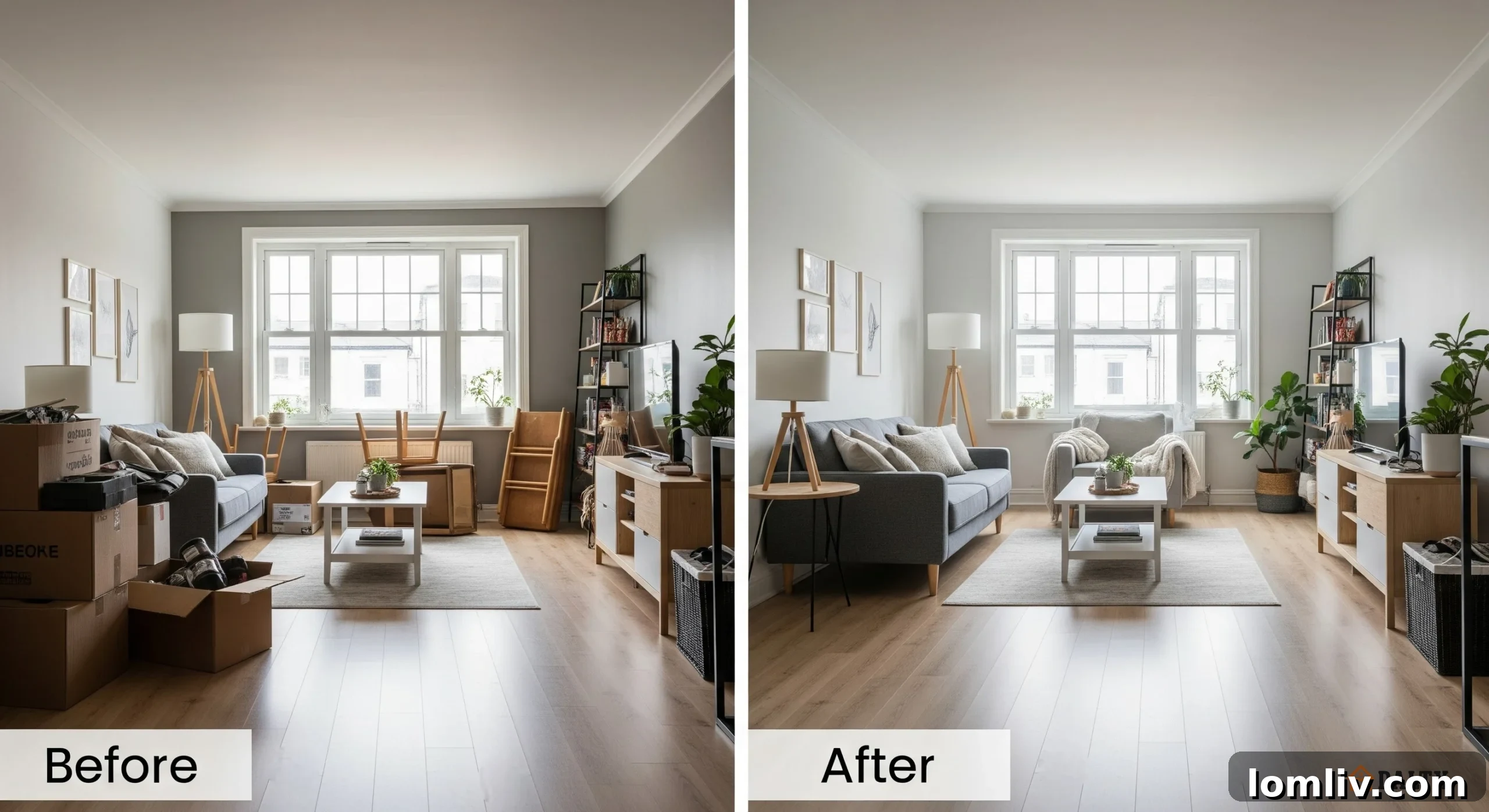
In the competitive world of real estate, first impressions are not just important; they are everything. The moment a potential buyer steps through the front door, a subtle but powerful judgment begins. What greets them immediately sets the tone for their entire perception of the home. Imagine opening a front door only to be met with the visual chaos of half-packed boxes, towering stacks of bins in the hallway, or overflowing furniture spilling into corners. This immediate impression signals more than just a lack of tidiness; it suggests that the house itself is struggling under the burden of its contents, its living spaces compromised by daily clutter and excess. Such a scene can subtly whisper to a buyer that the home is not well-maintained or ready for a new occupant.
Conversely, consider a home that feels effortlessly spacious, fluid, and organized. These homes exude an aura of meticulous care and thoughtful design, immediately putting visitors at ease. The distinction becomes crystal clear when reliable services like self-storage in Helena are integrated into a homeowner’s strategy. Preparing a home for the market or simply enhancing its long-term livability isn’t solely about cosmetic upgrades or internal renovations. It’s profoundly about what you strategically choose to keep out of sight, ensuring that every visible space contributes to an expansive and welcoming atmosphere. This intentional management of belongings allows a home to truly shine, presenting its best possible face to future residents or buyers.
Today’s housing market has redefined what “extra space” truly means. It’s less about the literal square footage of an attic or basement and more about the *feeling* of spaciousness a home evokes. This nuance is particularly vital for Helena homeowners, who frequently juggle everyday living with the demands of bulky seasonal gear like skis, camping equipment, or summer patio furniture. Modern buyers aren’t just looking at dimensions on a blueprint; they are actively seeking rooms that breathe, garages that are functional workshops or parking spaces rather than cramped storage units, and basements that serve as flexible living areas, not overflowing warehouses. Homeowners who wisely embrace off-site storage not as a temporary fix but as an integral component of their ongoing home maintenance strategy often discover a calmer living environment, reduced daily stress, and, most importantly, a stronger property value in the long run.
The Power of Perception: Why Space Matters More Than Square Footage
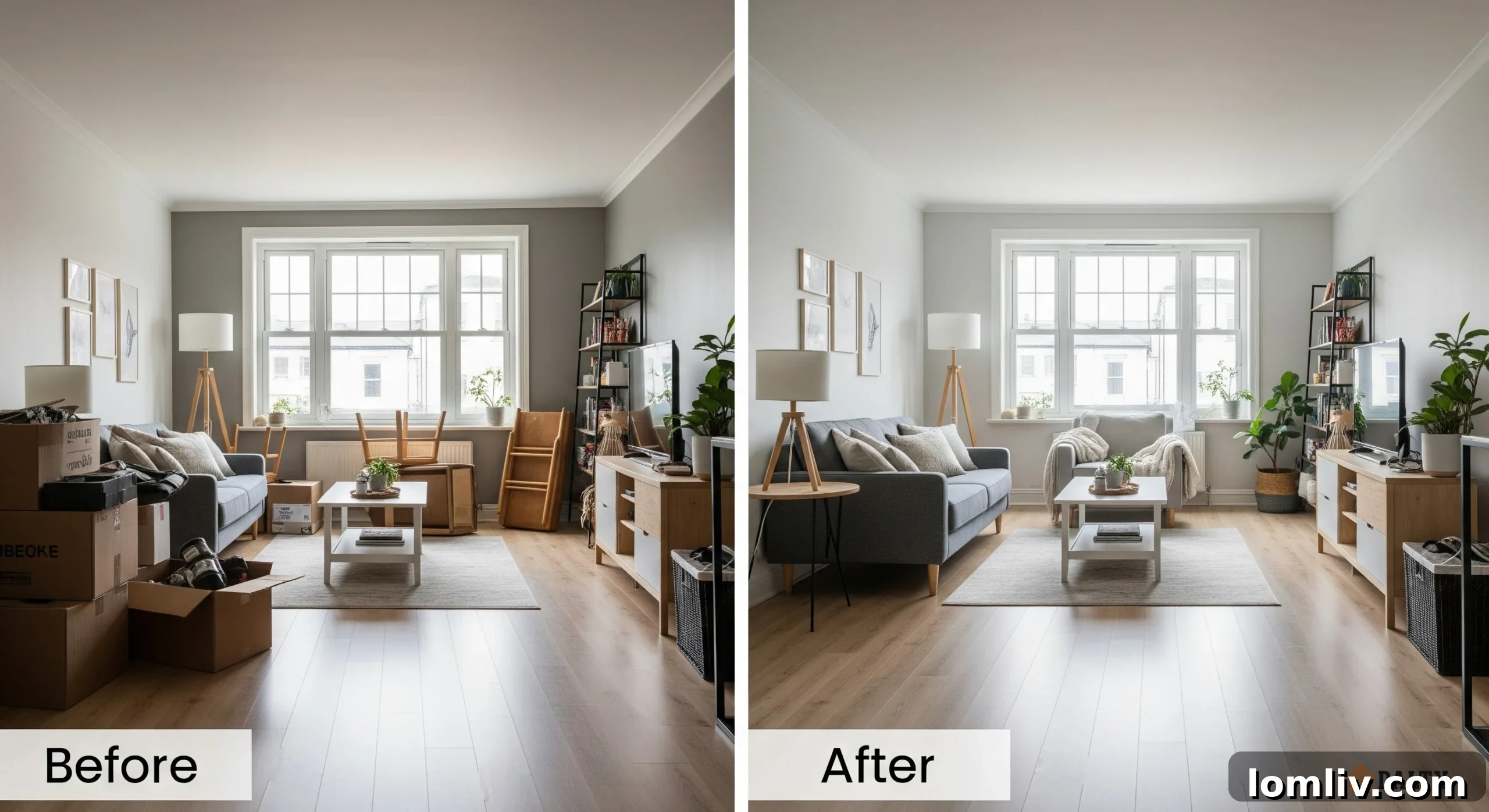
In the contemporary real estate landscape, the simple metric of “raw square footage” is no longer the sole determinant of a home’s appeal or value. Two homes boasting identical floor plans can offer vastly different experiences, purely based on how much of that area is actively dedicated to comfortable living versus being swallowed by stored items. Imagine a beautiful dining room, its elegant table obscured by moving boxes, or a spacious two-car garage so packed to the rafters with possessions that parking a vehicle becomes an impossibility. While these areas are technically part of the home’s square footage, they certainly don’t *feel* like usable living space. Helena homebuyers are acutely sensitive to this distinction; they immediately register the cramped conditions, the disrupted flow, and the lost potential when clutter dominates.
This is where the strategic advantage of renting a self-storage unit becomes evident. You’re not merely relocating “things” from your house; you are fundamentally restoring the home’s intended function and aesthetic. By removing overflow items, you allow the original layout to breathe, ensuring you’re not constantly navigating around stacked bins or tripping over excess furniture just to move through a room. Real estate experts universally agree that clearing physical space through off-site storage significantly enhances a home’s perceived freshness, makes it appear meticulously maintained, and dramatically increases its appeal to discerning prospective buyers. This isn’t just about making a space look good; it’s about making it *feel* good.
That profound sense of openness and order often translates directly into tangible financial value. Buyers inherently interpret an uncluttered space as a strong indicator of a home with fewer deferred maintenance problems, a history of better care, and, crucially, a property they can move into with ease rather than one that immediately demands extensive sorting, repairs, or organizational overhauls. A home that feels ready for immediate occupancy is a home that commands attention and premium offers, making self-storage a wise investment for any homeowner.
Beyond Aesthetics: The Hidden Costs and Risks of Clutter
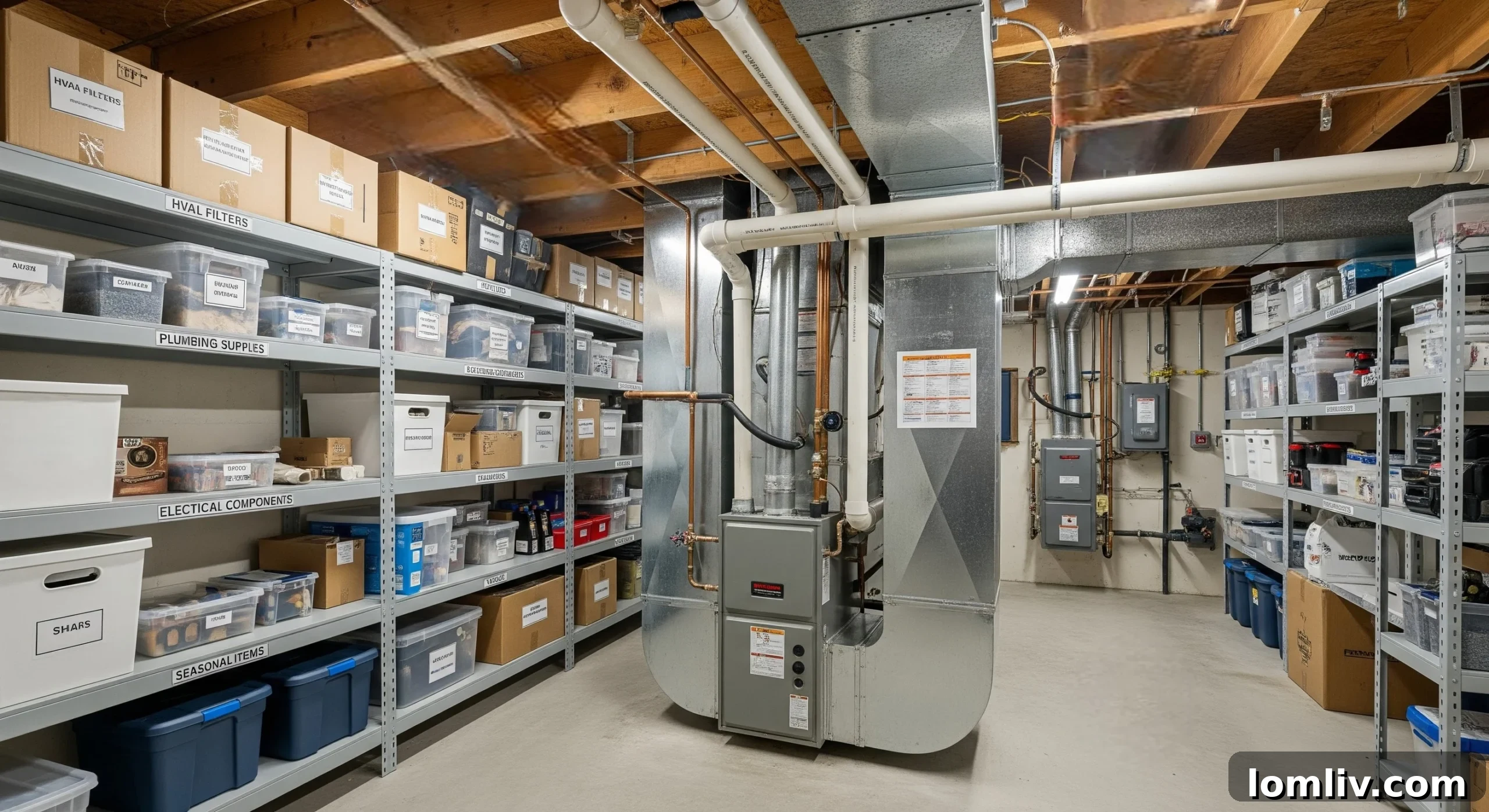
While the visual impact of clutter is undeniable, its detrimental effects extend far beyond mere aesthetics. A cluttered home often acts as a mask, obscuring underlying issues that can silently diminish a property’s value and even pose risks. Piles of boxes and forgotten items can impede proper airflow, foster moisture accumulation behind stored goods (potentially leading to mold or mildew), restrict vital access to utility systems, or block essential inspection pathways. A homeowner might be completely unaware that their basement storage strategy is effectively restricting crucial access to the HVAC unit, or that haphazard piles in the garage are partially obscuring critical ventilation vents. These are precisely the kinds of subtle but significant issues that a savvy buyer might not initially pinpoint but will undoubtedly sense during a walkthrough. If such problems surface post-purchase, they transform from minor inconveniences into serious frustrations, often prompting buyers to wonder, “Why wasn’t this addressed earlier?”
Embracing off-site storage provides a powerful solution, allowing you to maintain your home in a clear, accessible, and fully visible state. This strategic decluttering simplifies routine maintenance tasks, streamlines professional inspections, facilitates necessary upgrades, and eases seasonal transitions. In Montana, where checking furnace filters, insulation access, and maintaining clear pathways for winterizing are seasonal necessities, unimpeded access is not just convenient—it’s critical. When service professionals encounter clear access rather than navigational challenges or blocked components, they can perform their work more efficiently and thoroughly, significantly reducing the likelihood of hidden issues emerging down the line. This intentional shift from storing items within the home to utilizing external storage units supports both immediate functionality and protects the home’s long-term value, transforming potential liabilities into assets of accessibility and readiness.
The Cost of Clutter: A Static Example of Potential Savings
Many homeowners preparing to sell often overlook the ongoing financial burden of a property remaining on the market for extended periods (mortgage payments, property taxes, insurance, utilities). This interactive tool, presented here as a static example, illustrates how a relatively small investment in a storage unit can effectively pay for itself by accelerating your home sale and maximizing your financial returns.
Preparing a Home for Sale or Enhancing Long-Term Living
One of the foundational pieces of advice offered by seasoned real estate professionals to sellers is a clear mandate: depersonalize, declutter, and stage your home. This directive isn’t merely about tidying up; it necessitates the physical removal of items to create an inviting, neutral canvas. Off-site self-storage is the ultimate, natural extension of this critical advice. It transcends the common misconception of simply “shoving things into the basement” and instead advocates for the strategic placement of non-essential items into a secure unit. The goal is to ensure that the primary living areas of your home are immaculate, spacious, and truly look “move-in ready” for potential buyers.
However, the profound benefits of this approach are not exclusive to sellers. Long-term homeowners who adopt this strategy for managing their space experience a significant reduction in daily stress. They enjoy easier and faster clean-ups, eliminate the perennial nuisance of seasonal piles, and achieve a far superior utilization of every room. When you step into a home that has been thoughtfully cleared of overflow, there’s an immediate, palpable sense of calm and room to breathe; the home feels inherently more inviting and functional. For prospective buyers, this impression is paramount, often influencing their decision and offer. For current owners, it transforms the home from a continuous project of organization into a genuine sanctuary, a comfortable haven. This proactive and mindful approach to space management is precisely what keeps a home feeling perpetually new, meticulously maintained, and highly competitive within the local Helena real estate market, securing its value and enhancing daily living.
The Strategic Decision of Off-Site Self-Storage
Choosing to utilize off-site storage is far more than an act of merely pushing clutter out of immediate sight; it represents a highly strategic allocation of space. It’s an intelligent acknowledgment that not every possession, no matter how valued, needs to occupy prime real estate within your main living environment. Consider items like an extensive collection of holiday decorations, bulky summer camping gear, inherited excess furniture, or specialized winter sports equipment. These belongings undoubtedly hold importance and utility, but their constant presence in your dining room, spare bedroom, or garage can severely impede the flow and functionality of your everyday living spaces. By thoughtfully moving these items to an external self-storage facility, you initiate a powerful process of reclaiming your home.
The timing of this decision also carries significant weight. Implementing a self-storage strategy well in advance of listing your home for sale, anticipating a major life change such as a new family member, or embarking on a significant home remodel, provides an undeniable advantage. This proactive approach minimizes stress, streamlines transitions, and ensures your home remains organized and accessible during crucial periods. Beyond the practical benefits, there’s a profound psychological shift that accompanies this decision. You begin to perceive and treat your home primarily as a space for living, relaxation, and personal growth, rather than a mere holding ground for accumulated possessions. This elevated mindset subtly but powerfully influences how you maintain your property, how frequently you attend to essential utility panels, and how you approach upgrades and improvements, fostering a culture of mindful curation over thoughtless accumulation.
How Smart Storage Strategy Affects Value and Market Appeal
In a dynamic real estate market, homes that consistently project an image of tidiness, readiness, and adaptability invariably attract superior offers and more serious buyers. When potential purchasers tour a property, they instinctively engage in mental calculations regarding the effort and expense they might need to invest in organizing, modifying, and updating the space to suit their needs. A home that has already been meticulously cleared of visible overflow, where every room presents a clean slate, sends an incredibly powerful message: “You can move in easily and immediately start enjoying your new life here.”
This positive message significantly reduces buyer friction, minimizes the inclination for lowball offers or requests for discounts, and often results in quicker sales. Extensive market data consistently demonstrates that homes showcasing these highly desirable features – spaciousness, organization, and a move-in ready feel – frequently command a premium price or, at the very least, successfully avoid the dreaded “needs work” discount. For long-term homeowners who plan to reside in their property for years to come, this strategic approach to storage translates into a superior “living now” experience. Instead of gradually losing precious space within their home to accumulation, they are actively leasing external space, allowing their primary residence to remain a place of comfort and functionality. The home transforms from a repository of things into a vibrant, usable environment, a shift that directly and profoundly supports its enduring value and enhances the quality of life for its occupants.
Making Self-Storage Part of Your Home Maintenance Plan
Adopting off-site self-storage should not be viewed as a one-time, emergency fix for an overwhelmed home; rather, it’s most effectively integrated as a recurring, strategic component of a comprehensive home maintenance plan. The smartest approach involves its periodic use for seasonal rotation, accommodating gear you only use once a year, or managing anticipated overflow during specific life phases. Imagine the ease of swapping out your winter skis for kayaks without having to jam them into an already crowded garage, or transitioning holiday decorations seamlessly without converting a spare room into a temporary storage locker. This systematic approach ensures that your home’s core living spaces remain consistently usable, expansive, and inviting.
By regularly utilizing self-storage, you proactively maintain clear walkways, establish unobstructed access to all areas and utilities, and design your home’s layout to prioritize the items you use daily, rather than being dictated by possessions you hold onto “just in case.” This forward-thinking strategy means that when the time comes to move, sell, or undertake a significant renovation, your home is already in an advantageous position. It’s intrinsically ready; the staging process happens naturally because you consistently live in a home that isn’t burdened by clutter. This preparedness translates into fewer last-minute surprises, reduced stress, and an empowering sense of control over your living environment and future transitions. For more detailed insights and strategies, exploring resources like Storage America’s blog can offer further guidance on maximizing your home’s value through smart storage solutions.