

Navigating the complex waters of municipal finance is never an easy task, especially when faced with a substantial budget like Dallas’s proposed $4.63 billion. The challenge intensifies when the public clamors for significant property tax relief, while simultaneously demanding enhanced public safety, crucial capital improvements, and impeccably maintained streets. Striking a delicate balance between these competing priorities forms the core of the annual budget deliberation process, a process that recently culminated in a pivotal decision for the future of Dallas.
The Dallas City Council was recently slated to cast its final vote on the city’s biennial budget and the accompanying property tax rate, a decision poised to shape the city’s financial trajectory for the upcoming fiscal year and beyond. This critical juncture followed weeks of intense debate, detailed analysis, and numerous proposals aimed at reconciling the city’s operational needs with its residents’ financial burdens.
Earlier this month, the initial budget proposal presented by City Manager T.C. Broadnax outlined a property tax rate of 73.93 cents per $100 of assessed valuation. This recommendation, while carefully constructed, immediately drew scrutiny from council members. A staggering 63 amendments were put forth, reflecting the diverse perspectives and priorities across the city’s districts. The consensus among council members was clear: the proposed rate, while a step towards relief, simply wasn’t enough to adequately address the pressing need for greater tax savings for Dallas homeowners.
The extensive discussions and proposed revisions eventually led to a modified tax rate that the council would consider for final approval. The revised rate was set at 73.57 cents per $100 assessed valuation, a tangible reduction from the initial proposal. While this adjustment offered additional relief, the exact nature of the final budget package and its long-term implications remained a subject of intense public and political interest right up until the final vote.
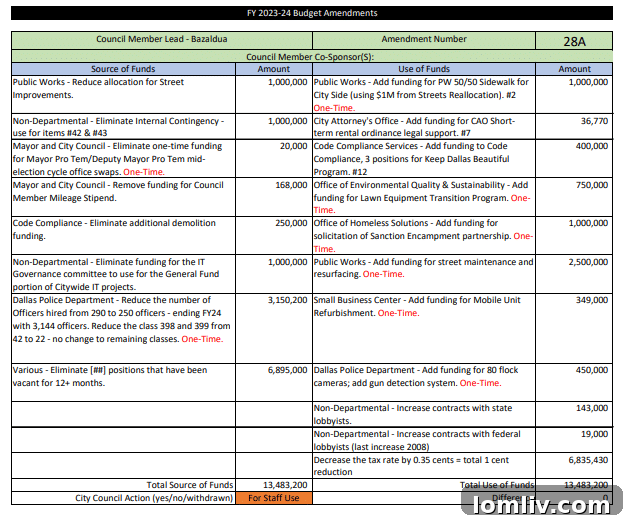
The budget debate reached a critical point during a September 6 briefing, where council members meticulously scrutinized departmental spending and sought avenues for cuts. Departments such as Communications and Marketing, Human Resources, and Data Analytics found themselves particularly challenged, defending their budget allocations against calls for reduction. This rigorous process underscored the difficulty of identifying areas for savings without impacting essential services. Ultimately, out of the dozens of proposed amendments, only five were successfully passed, demonstrating the inherent challenges in making significant budgetary adjustments in a large municipal government.
Among the approved changes, Amendment 28A stood out as particularly impactful. This amendment successfully consolidated several individual proposals from council members, culminating in an estimated $5 million in additional tax savings for residents. This collaborative effort highlighted a unified desire to alleviate the financial strain on property owners while maintaining the city’s operational integrity.
In the days leading up to the final budget vote, City Manager T.C. Broadnax provided further clarity and context through a series of official memos. These included detailed responses to various questions posed by the City Council regarding the proposed budget, outlining the rationale behind specific allocations and projections. Additionally, memos detailing the final steps required for the adoption of the 2023-24 budget and comprehensive fee and rate adjustments offered a transparent look into the mechanics of the city’s financial planning. With the new fiscal year set to commence on October 1st, these documents were crucial in preparing the city for its operational transition.
City Manager Broadnax Addresses Budgetary Misconceptions
Amidst the robust public discourse surrounding the budget, City Manager T.C. Broadnax proactively addressed a persistent narrative suggesting that the city faced imminent “massive layoffs” and “major cuts” in 2025. This widely circulated concern, which had gained traction since the inception of the budget season, prompted Broadnax to offer a definitive clarification.
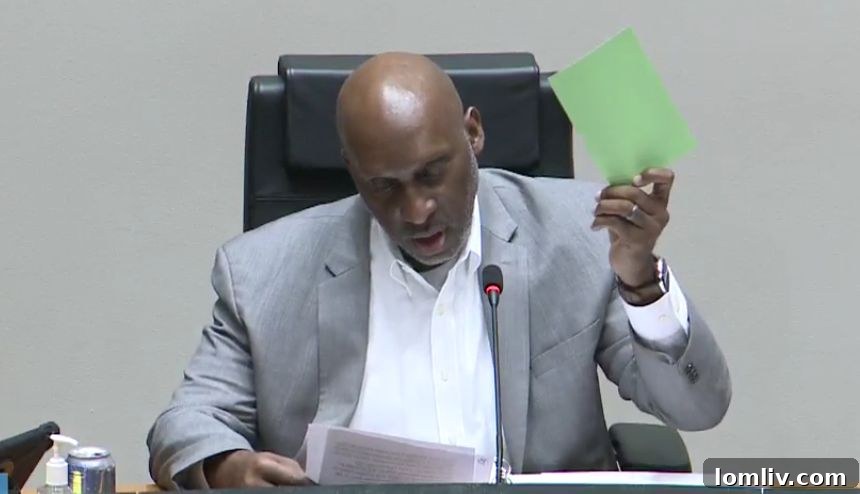
During a council meeting earlier in the month, Broadnax emphatically stated, “Let me just clarify one thing. You made a statement that we’re going to have to do massive layoffs and major cuts in 2025. There is nowhere in this budget — which actually is a two-year budget — there are no massive cuts, there is no degradation of existing services, being proposed in the 2024-25 budget. The statement is not an accurate statement about the future of this city.” His remarks aimed to dispel fears and provide a more accurate outlook on Dallas’s fiscal health, emphasizing the city’s commitment to maintaining essential services without resorting to drastic measures.
Broadnax further elaborated on the city’s growth, highlighting that since his arrival in Dallas in 2017, approximately 90 percent of the city’s budgetary expansion has been strategically directed towards critical areas. These key sectors include police and fire services, vital for public safety; tax increment financing (TIF) district payments, crucial for urban development and revitalization; public works and transportation, essential for infrastructure and mobility; parks and recreation, enhancing quality of life; courts and detention, maintaining legal order; code compliance, ensuring community standards; libraries, supporting education and access to information; housing and homelessness initiatives, addressing pressing social needs; and the city attorney’s office, providing legal governance. This targeted investment underscores the council’s focus on areas directly impacting residents’ daily lives and the city’s long-term prosperity.
“The narrative is that we’re out of control and we’re growing,” Broadnax acknowledged. “Those areas of growth, the dollars we’re investing, are the No. 1, 2, 3, and 4 priorities of this community and this council. The money has been invested where the council has asked for it to be invested, 90 percent.” This statement served to reinforce that the city’s growth is deliberate and aligned with the community’s most pressing needs and the council’s strategic vision. He asserted that the budget is not only sustainable but will continue to be managed responsibly, ensuring that Dallas avoids any fiscal instability.
Broadnax concluded by assuring residents and council members, “That notion and that narrative about where we’re headed … We understand how to manage the finances to a point where we don’t put the council and the community in an upside-down situation. We will not run off a cliff. We are not adding positions for the sake of adding positions.” This firm stance reaffirmed the city management’s dedication to prudent financial stewardship, focusing on efficiency and essential service delivery rather than indiscriminate expansion.
Diverse Perspectives from the City Council
The budget discussions brought to light a spectrum of viewpoints among council members, particularly from Cara Mendelsohn and Adam Bazaldua, who articulated strong, albeit divergent, positions on the city’s financial strategy. Their contributions illuminated the complex challenges of balancing fiscal responsibility with the provision of public services.
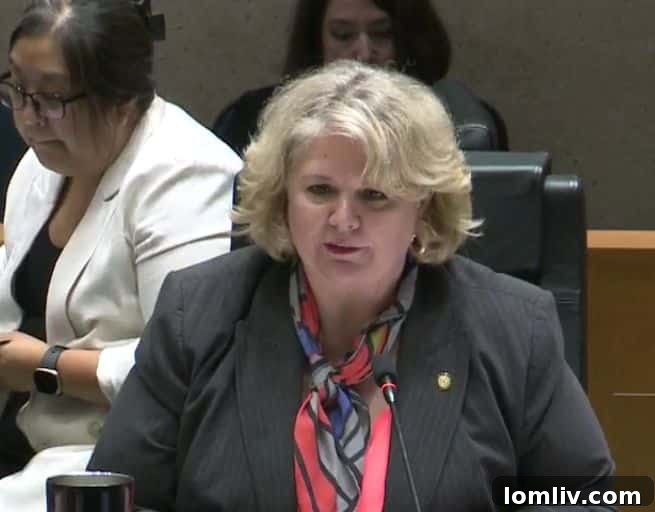
Councilwoman Cara Mendelsohn, representing District 12, has consistently voiced her concerns regarding the increasing tax burden on Dallas residents. During the September 6 meeting, she unequivocally stated, “We cannot continue to increase the people’s taxes in Dallas. We’re already overtaxed. We already have the highest tax rate of the surrounding cities.” Mendelsohn’s argument highlights the economic pressure on homeowners and businesses, suggesting that Dallas’s property tax rate is a significant competitive disadvantage compared to neighboring municipalities. Her advocacy focuses on finding deeper cuts to reduce the overall tax liability for the city’s populace.

Conversely, Councilman Adam Bazaldua indicated a willingness to consider a tax rate closer to the maximum ceiling permitted by council members – which also aligned with City Manager Broadnax’s initial proposal – if it meant ensuring the continued provision of essential services demanded by his constituents. Bazaldua stressed the importance of authenticity in political messaging, cautioning against purely emotional arguments that overlook the practicalities of governance. “I think it’s important that we stay genuine with our messaging,” he asserted. “We aren’t just being emotional on this front. It is also very political.” He challenged the notion of “sacred cows” within the budget, arguing that advocating for the largest possible tax cut while simultaneously being unwilling to scrutinize certain departmental budgets creates a contradictory position. “You can’t talk out of both sides of your mouth and want the biggest tax cut in our city’s history but not be willing to touch a couple of departments that your emotions would be impacted from,” Bazaldua remarked. He emphasized the necessity for council members to remain focused on their primary objective: representing their constituents effectively and making fiscally responsible, yet service-oriented, decisions.
Understanding Dallas’s Property Tax Rate and Public Feedback
The discussion surrounding Dallas’s property tax rate is deeply rooted in transparency and public engagement, principles enshrined by the Texas Transparency Act of 2019. This legislation mandates that appraisal districts establish a dedicated property tax database, designed to enhance “truth in taxation” and empower residents with clear information about their tax obligations and proposed changes.
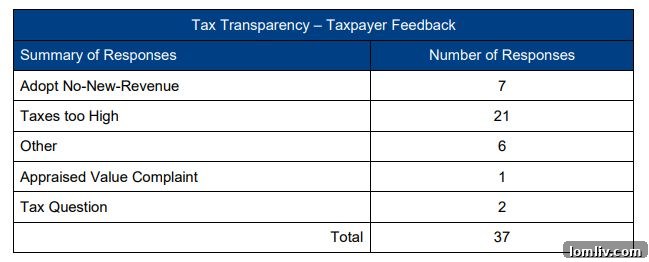
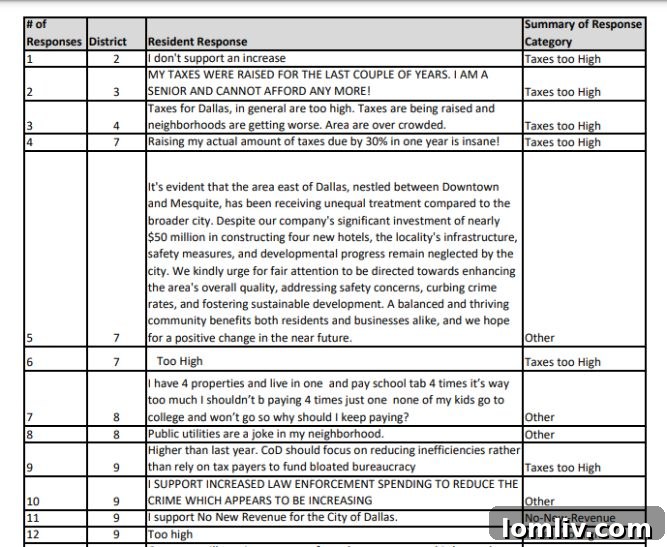
In a detailed September 8 memo addressed to Mayor Johnson and city council members, Chief Financial Officer Jack Ireland highlighted the significance of this database. It serves as a crucial platform where residents can access comprehensive information about proposed property tax rates and actively submit their feedback on whether the rate put forth by the governing body should be adopted. This mechanism ensures that public sentiment is formally registered and considered during the budget approval process, fostering greater accountability and citizen participation.
While the volume of responses submitted through the property tax database might not have been overwhelming, the prevailing sentiment among those who participated was unmistakable: Dallas residents generally perceive their property taxes as excessively high. This feedback resonates with the broader economic environment, where rising property valuations often translate into higher tax bills, even when the tax rate itself remains stable or decreases slightly. The desire for tangible tax relief is a recurring theme in public discourse, driving much of the council’s focus on budgetary adjustments.
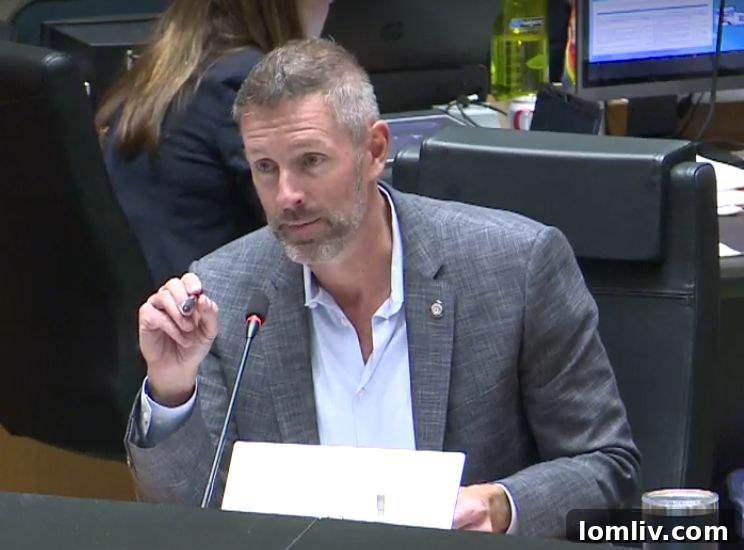
Councilman Chad West, representing District 1, eloquently articulated a fundamental dilemma inherent in municipal budgeting: the paradox of departmental funding. He pointed out that achieving an even lower tax rate necessitates difficult choices, implying that something inevitably has to be reduced or sacrificed. “My whole problem with this budget is, if a department is doing a good job, they need more money because they want to grow and do more good things,” West observed. “If they’re doing a crappy job, they want more money so they can get more people, so they can do a better job. Where does it end?” This insightful question captures the perennial challenge faced by budget decision-makers: how to objectively allocate resources when every department can logically justify a need for increased funding, regardless of its current performance. It underscores the difficulty of implementing significant cuts without potentially impacting service quality or hindering departmental improvement initiatives. The process demands a strategic, long-term vision that balances immediate fiscal relief with sustainable growth and service excellence for the city of Dallas.