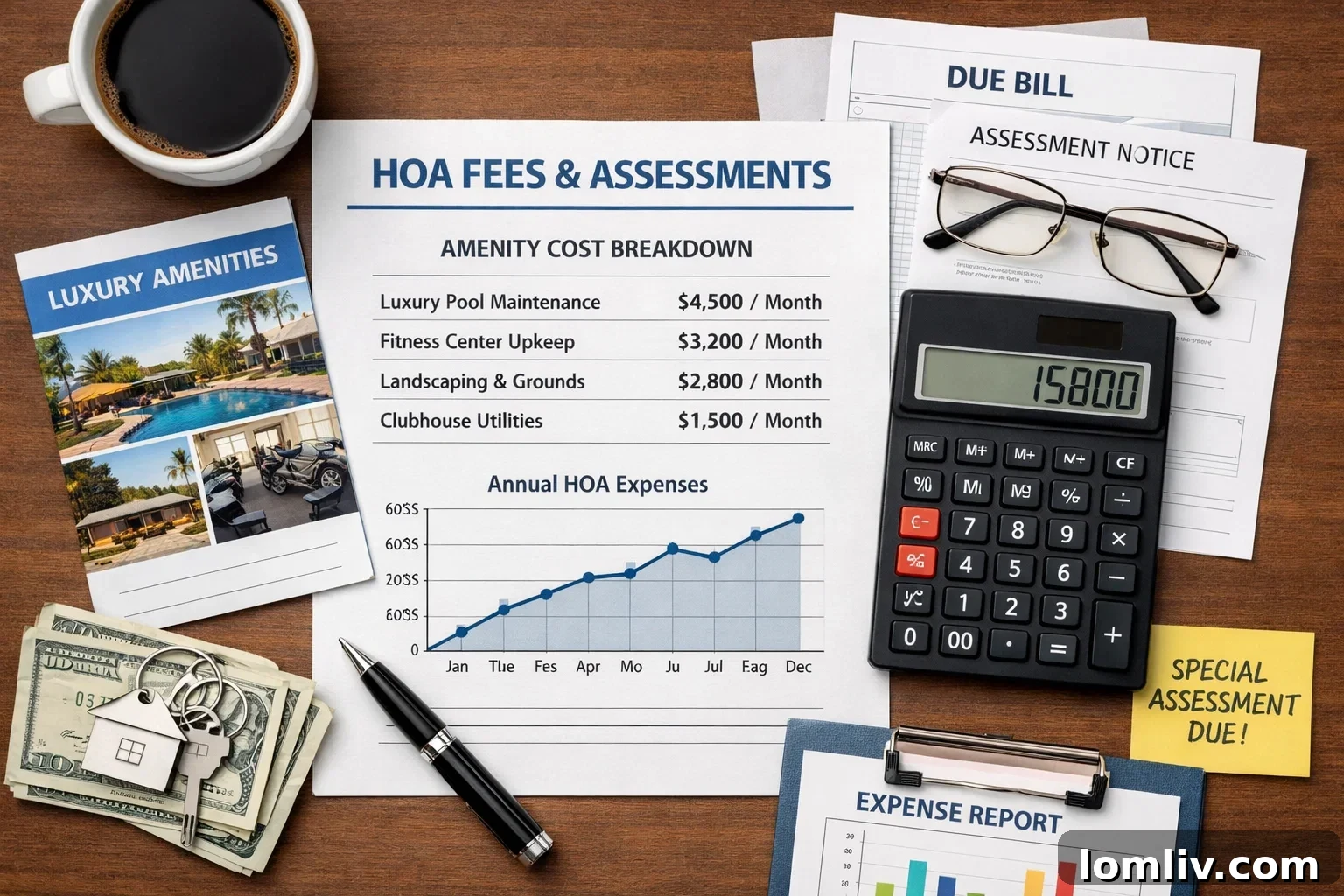
Have you noticed a remarkable transformation in residential landscapes across Texas? What were once traditional suburbs with modest lawns are now evolving into vibrant communities that feel less like mere neighborhoods and more like opulent resorts. Imagine swaying palm trees, state-of-the-art clubhouses, sparkling lagoons, and extensive trail systems replacing the conventional, uninspired residential setups. This significant shift in Texas real estate is a direct reflection of changing homeowner desires and a collective pursuit of an elevated, more fulfilling living experience.
Over the past decade, the Texas real estate market has undergone a dramatic metamorphosis. Several catalysts contributed to this change: the widespread adoption of remote work, which reshaped daily routines and diminished the need for lengthy commutes; a slowdown in extensive family travel, shifting the focus towards home-based recreation; a steady increase in housing prices; and an increasingly discerning buyer base. Homebuyers began to ask a fundamental question: “If I’m investing so much in a home, why should it feel anything less than extraordinary?” This question sparked a revolution in how developers approach community planning.
In response, developers ceased to merely sell square footage; they began marketing comprehensive lifestyles and enriching experiences. Ordinary pools transformed into expansive aquatic centers with lazy rivers and splash pads. Traditional gyms evolved into sophisticated wellness centers offering a myriad of fitness options. Neighborhoods transcended their original purpose, becoming destinations in their own right. This article delves into the burgeoning popularity of resort-style neighborhoods across Texas, explores the powerful forces driving buyer demand, and provides essential insights to help you determine if this exceptional lifestyle aligns with your personal aspirations and goals.
Why Texas Leads the Way in Resort-Style Community Development
Texas was already experiencing robust growth long before the global pandemic. The state attracted a significant influx of businesses, bringing with them a wave of new job opportunities and subsequently, a massive population migration. Several factors contributed to Texas’s appeal as an ideal ground for innovative community development: vast expanses of available land, a favorable tax environment, and fewer restrictive zoning limitations compared to its coastal counterparts. These conditions created a fertile landscape for experimenting with larger, more integrated community designs and pioneering unique residential concepts.
As remote work became a permanent fixture for millions, daily routines were fundamentally recalibrated. Commutes, once a daily grind, either significantly shortened or disappeared entirely, repositioning the home as the unequivocal center of life. This shift dramatically elevated the importance of shared community spaces. Amenities such as meticulously maintained walking trails, expansive resort-style pools, and thoughtfully designed outdoor gathering spots transitioned from occasional luxuries into essential daily tools. They became integral to a balanced and active lifestyle, fostering well-being and social connection right outside residents’ doors.
Furthermore, Texas’s climate plays a pivotal role in the viability and appeal of these amenity-rich communities. The state boasts extended warm seasons, allowing outdoor features to be utilized for a significant portion of the year. A shimmering lagoon, a lively splash pad, or a serene outdoor lounge isn’t just a marketing gimmick here; it becomes a tangible, everyday component of life for families seeking recreation, retirees desiring social engagement, and remote workers looking for a refreshing break from their home offices. The consistent usability of these amenities maximizes their value and enhances the overall resident experience, making the investment truly worthwhile.
Defining the Essence of Resort-Style Living
The term “resort-style” doesn’t merely imply superficial flashiness; rather, the most successful and highly sought-after communities prioritize function, comfort, and meaningful engagement. For example, large, meticulously designed pools featuring shaded seating areas and separate children’s zones provide a perfect respite for families seeking to cool off and unwind during the hot Texas summers. Clubhouses transcend simple meeting rooms, evolving into dynamic hubs that host a diverse range of events, facilitate professional meetings, and offer casual dining options. Thoughtfully planned trails and green spaces do more than just connect homes; they foster a sense of unity and encourage residents to explore their surroundings actively, creating a seamless integration of nature and neighborhood life.
Some pioneering developments take this concept to an even greater level of sophistication. Lago Mar, for instance, is frequently cited as a prime example of master-planned community design, skillfully merging diverse housing options with an extraordinary array of recreational facilities. These comprehensive communities are meticulously designed to ensure residents rarely need to venture beyond their immediate surroundings for relaxation, entertainment, or even daily conveniences. This innovative approach profoundly redefines how individuals manage their time and allocate their resources, offering unparalleled convenience and a continuously engaging environment.
Buyers are overwhelmingly drawn to this inherent convenience. Parents highly value safe, walkable environments where children can play freely and neighbors can connect effortlessly. Remote workers prioritize quiet, dedicated co-working spaces, robust high-speed internet infrastructure, and accessible outdoor areas for mental breaks. Retirees, on the other hand, appreciate the vibrant social calendars and the ease of participating in community events without the hassle of long drives. This diverse appeal creates dynamic neighborhoods that thrive with activity throughout the entire day, not just during peak evening hours, fostering a strong sense of belonging and continuous engagement.
Residents in these communities aren’t just making a financial investment in a house; they are actively stepping into a carefully curated lifestyle that effortlessly weaves rest, recreation, and social connection into the fabric of daily life. Community features are far more than mere perks; they serve tangible needs and enhance overall well-being. Scenic waterfronts offer tranquil spaces for reflection and relaxation, providing residents with room to breathe and escape the everyday hustle. Thoughtfully designed social spots encourage spontaneous interactions and foster genuine connections among neighbors. State-of-the-art fitness trails and expansive playgrounds invite movement and outdoor activity without the need to pack the car and drive to a separate facility. Every amenity is strategically placed and designed to feel closer, more accessible, and seamlessly integrated into the living experience, truly elevating the standard of modern residential living.
Understanding the Economic Dynamics of the Trend
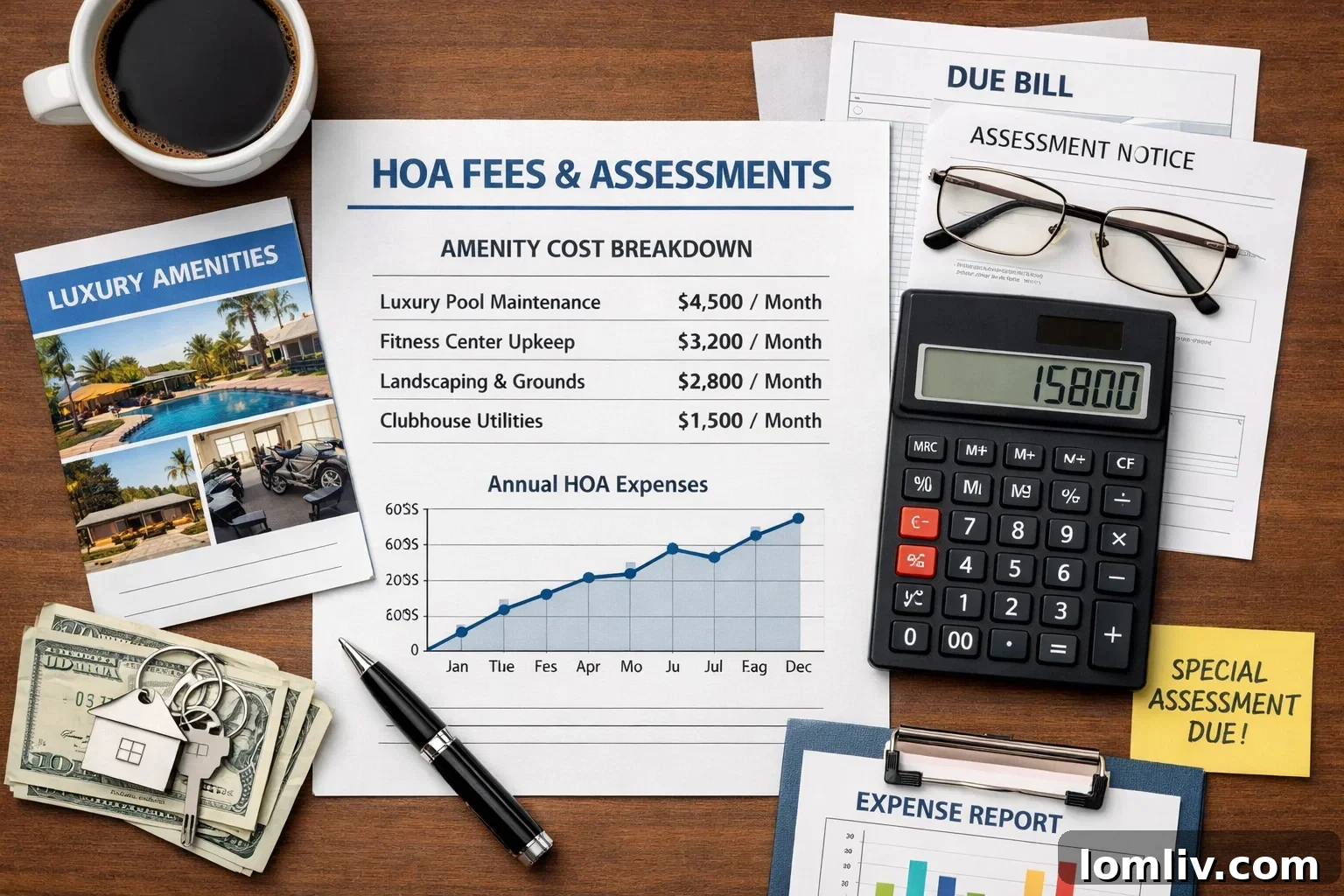
It’s undeniable that resort-style neighborhoods demand a higher initial investment for construction due to their elaborate amenities. Furthermore, these sophisticated features necessitate continuous, meticulous upkeep, which typically translates into either higher home prices or elevated homeowners association (HOA) fees. Despite these increased costs, the demand from discerning buyers remains consistently strong, illustrating a fundamental shift in value perception.
So, why do buyers continue to flock to these communities? The answer lies in value perception. Prospective homeowners meticulously compare the monthly costs associated with these properties to their existing expenditures on external services and leisure activities. Consider the cumulative costs of gym memberships, expensive pool passes, frequent weekend getaways for recreation, and various entertainment expenses – these figures can quickly accumulate. When a significant portion of these experiences is conveniently integrated into the home environment, the financial equation often begins to make compelling sense. The perceived value of having these luxuries at one’s doorstep often outweighs the slightly higher initial investment or ongoing fees.
Moreover, homes within these amenity-rich communities tend to exhibit superior long-term value retention. The presence of well-maintained, desirable amenities acts as a powerful magnet for both prospective renters and buyers, ensuring a vibrant and competitive market. Homes in these developments often feel newer and more appealing for extended periods because shared spaces and infrastructure are consistently managed and upgraded. This factor is particularly crucial in the dynamic and competitive Texas real estate markets, where resale timing and property appeal can rapidly influence market values. The sustained appeal derived from high-quality amenities offers a degree of stability and future-proofing for property investments.
How This Trend Is Reshaping Buyer Behavior and Expectations
The rise of resort-style living has fundamentally altered the home-buying journey. Modern buyers no longer prioritize merely touring individual houses; their initial focus has shifted to thoroughly exploring the entire neighborhood and its offerings. They actively inquire about community events, social gatherings, and available activities, moving beyond simple questions about floor plans or kitchen aesthetics. Crucially, they want to understand the operational aspects of the amenities, asking detailed questions like how often the pool is open, what hours the fitness center operates, and who frequently utilizes the extensive network of trails and green spaces. This demonstrates a clear desire for an integrated lifestyle, not just a property.
Families, in particular, are actively seeking a built-in social life and robust community framework. For new residents, the desire to effortlessly meet neighbors and establish connections is paramount. Planned community events, welcoming committees, and readily available social clubs significantly shorten the often awkward initial year in a new place. This deep-seated need for connection and belonging has gained unprecedented importance, especially following years of social isolation experienced by many during recent global events. A strong, vibrant community offers a crucial antidote to feelings of loneliness and fosters a sense of collective well-being.
Furthermore, contemporary buyers are adopting a more long-term perspective when evaluating properties. They are not only considering the immediate appeal of amenities but are also meticulously assessing their longevity and future relevance. They ponder whether a particular amenity will age gracefully or become outdated. While a trendy, niche feature might initially catch the eye, a classic, well-maintained swimming pool or an enduring network of walking trails often holds more enduring value. Smart buyers are actively seeking a harmonious balance between innovative features and sustainable, timeless amenities, prioritizing lasting enjoyment and property value over fleeting trends.
Essential Considerations Before Investing in a Resort-Style Community
It’s vital to recognize that not all resort-style communities are created equal. Some developments may place a greater emphasis on aesthetic appeal rather than practical functionality or long-term sustainability. Before making a significant investment, it is absolutely essential to ask a series of practical and probing questions to ensure the community genuinely aligns with your expectations and needs.
Begin by meticulously reviewing the Homeowners Association (HOA) budget. Robust amenities require substantial and consistent funding for proper maintenance, repairs, and staffing. An HOA with a healthy reserve fund and transparent financial practices indicates a well-managed community that can sustain its high standards. Additionally, thoroughly examine the HOA rules and regulations pertaining to guests, rental policies, and usage restrictions for common areas. These often-overlooked details can significantly impact your daily life and overall satisfaction more than glossy brochures might suggest.
To gain a comprehensive understanding of community life, make an effort to visit the neighborhood at various times of the day and on different days of the week. A tranquil morning might give way to a bustling or crowded afternoon, revealing the true pulse of the community. If possible, engage in conversations with current residents. Their candid feedback and firsthand experiences can provide invaluable insights that marketing materials might omit, offering a more authentic perspective on living within the community.
Beyond the impressive amenities, always give paramount consideration to the community’s geographical location. While a magnificent pool or a state-of-the-art fitness center is undoubtedly appealing, convenient access to quality schools, your workplace, essential healthcare facilities, and local shopping centers still holds immense importance. A beautiful, amenity-rich environment cannot compensate for an excessively long or challenging daily commute, which can quickly detract from the overall quality of life. Seek a harmonious balance between exceptional community features and practical locational advantages.
The overarching conclusion is clear: the modern lifestyle increasingly integrates work, rest, and play into a seamless experience. People are actively seeking flexibility, comfort, and an enhanced quality of life conveniently located close to home. As Texas continues its rapid expansion, developers are engaged in an intense competition to capture the attention of this evolving buyer demographic. In an era of escalating building costs, the emphasis has irrevocably shifted from sheer quantity to undeniable quality. Buyers now expect, and indeed demand, more from new construction and master-planned communities.
Resort-style neighborhoods are adeptly meeting this heightened expectation by offering far more than just shelter; they are delivering an all-encompassing lifestyle. This prominent trend underscores a simple yet profound truth: homes are no longer merely places to sleep or store belongings. They have transformed into vibrant hubs designed for living fully, engaging actively, and experiencing joy, even on a quiet Tuesday afternoon.