The Dallas-Fort Worth metropolitan area continues to be one of the most dynamic and sought-after housing markets in the United States. Its robust activity isn’t fueled by fleeting trends or speculation but by a bedrock of consistent job creation and significant population influx. Even as national housing trends experience fluctuations, North Texas maintains its magnetism, drawing in both major employers and a steady stream of new residents. As we look towards 2026, a key question for prospective buyers and savvy investors is how competitive the landscape will remain and where genuine opportunities for leverage can be identified.
Attempting to pinpoint the absolute “perfect” moment to enter or exit a market is often an elusive pursuit, particularly in a region as active and resilient as DFW. A more effective strategy involves developing a comprehensive understanding of the specific market forces driving prices in areas of interest and then crafting a detailed plan that aligns with individual budgets, financial timelines, and long-term goals. This in-depth forecast aims to dissect the critical factors to observe, providing actionable insights whether you’re navigating your first home purchase, selling an existing property, or strategizing for long-term real estate investment.
Understanding the DFW Market Right Now
While the DFW housing market is not entirely impervious to broader economic shifts, such as higher mortgage rates, it typically operates with a greater inherent stability than many other regions. This resilience stems from its continuous expansion in both job opportunities and household formation. The consistent arrival of corporate relocations, significant business expansions, and persistent in-migration collectively act as a powerful buffer, preventing demand from experiencing any rapid or substantial decline. Concurrently, new construction efforts across various parts of the metroplex have successfully introduced much-needed supply, contributing to a market environment that feels notably more balanced and sustainable compared to the intense frenzy observed during its peak years.
It’s crucial to understand that this “normalization” does not equate to a slow market. Properties that are strategically priced and meticulously maintained continue to attract strong interest and sell swiftly, particularly within highly desirable neighborhoods renowned for their top-tier schools or excellent commuting access. For investors, the upcoming year is poised to favor a disciplined approach. Success will likely be found by prioritizing consistent cash flow, projecting realistic rent growth, and targeting areas where essential infrastructure—including roads, retail amenities, and public services—is actively developing to support and keep pace with the ongoing population expansion.
Supply and Demand Shifts in Key Counties
The distribution of housing inventory across the vast DFW metroplex is far from uniform, making the choice of target county a pivotal decision. Certain areas are experiencing a significant surge in new community developments and a growing number of resale listings, offering buyers and investors more options. In contrast, other locales maintain a persistently tight inventory due to factors like limited available land for development or exceptionally high demand driven by highly-rated school districts. Therefore, carefully selecting the right county—and often, even the specific sub-region within a county—can dramatically influence a buyer’s negotiating power and overall market experience.
Even in scenarios where overall inventory levels demonstrate improvement, the relentless pace of population growth in North Texas often serves to keep property prices firm, especially in proximity to major employment hubs and highly-regarded school zones. If your objective is to identify emerging pockets of future growth and value appreciation, closely monitor areas where current housing supply visibly lags behind persistent demand. Simultaneously, pay attention to locations benefiting from new infrastructure projects that enhance livability and connectivity. These are frequently the very places where property values and rental rates demonstrate the most robust and sustained performance over time.
Inventory Levels in Tarrant County
Tarrant County, anchored by the thriving city of Fort Worth, has been a hub of consistent building activity, particularly along its rapidly expanding corridors situated beyond the county’s central core. This proliferation of new construction is playing a crucial role in alleviating some of the pressure on the entry-level and middle-price segments of the market. This increased supply translates into more diverse choices for first-time homebuyers than they encountered in previous years. For those seeking greater negotiating leverage, it is advisable to focus on listings that have remained on the market for several weeks or have already undergone one or more price reductions, indicating a potential opening for negotiation.
Higher-end homes in Tarrant County continue to experience robust competition. This intensity is due to their inherent scarcity and the strong preference among affluent buyers for modern finishes, expansive layouts, and generous living spaces. If you are actively exploring the luxury market, prepare to demonstrate strong financial credibility, either through verified cash funds or a robust, fully underwritten pre-approval. In situations involving multiple competing offers, the certainty and reliability of your ability to close the transaction often hold as much weight as the offered price itself.
Price Resilience in Collin and Denton Counties
Collin and Denton Counties remain central to the ongoing growth narrative unfolding on the northern periphery of Dallas. Characterized by the presence of numerous large-scale employers, expansive corporate campuses, and consistent commuter demand, these regions often exhibit remarkable stability, even when the broader national housing market experiences periods of softening. While the rapid, double-digit appreciation rates seen in prior years have understandably moderated, these counties typically avoid sharp price declines due to the inherently consistent and strong underlying demand that persists within their borders.
For discerning investors, this inherent stability generally translates into diminished short-term upside opportunities associated with rapid flipping strategies. Instead, the enduring value often lies in long-term holding. The most robust investment plays in these counties frequently involve rental properties strategically located near major job centers, burgeoning college campuses, and key commuter routes, where tenants prioritize convenience and access to quality amenities. When considering an acquisition in these areas, meticulously factor in all associated costs, including property taxes, insurance premiums, and ongoing maintenance expenses, as these can significantly impact the overall return on your investment.
The Role of Migration in Price Appreciation

In-migration stands as one of the most powerful and sustained forces underpinning DFW home values. A significant number of newcomers relocating to North Texas arrive from higher-cost states, often bringing substantial equity from the sale of their previous homes. This accumulated capital empowers them to submit more aggressive bids and comfortably absorb higher monthly mortgage payments. This augmented buying power can exert upward pressure on prices, not only in the city core but also in various suburbs, especially those featuring desirable schools and an abundance of newer housing stock, which are major attractions for these relocating families.
While no forecast offers an absolute guarantee, North Texas benefits from several distinct advantages that continue to fuel robust migration. Texas boasts the significant draw of having no state income tax, making it financially attractive for individuals and businesses alike. Furthermore, the region consistently generates new employment opportunities across a diverse array of industries, ensuring a vibrant and expanding job market. If you are considering a home purchase, it is prudent to anticipate sustained healthy demand. Your primary focus should be on aspects within your direct control: securing optimal financing, establishing a realistic timeline, and identifying neighborhoods that align comfortably with your budget and lifestyle preferences.
Tracking Corporate Headquarters Moves
When a major employer publicly announces a relocation or a significant expansion within the DFW metroplex, a predictable surge in nearby housing demand typically ensues. This impact is often first observed in an increase in rental demand, followed by a subsequent uptick in resale activity as newly hired employees settle into the area. For those looking to invest or buy strategically ahead of this rush, it’s advisable to focus on neighborhoods situated just outside the most obvious “hot spots.” These areas may offer more reasonable property prices and manageable commute times, representing an opportunity to capitalize on future appreciation.
Large-scale corporate projects are also frequently accompanied by substantial public and private investment into the surrounding infrastructure. This can include enhancements to roads, utility upgrades, and sometimes even significant improvements to public transit systems. Investing in properties before these infrastructure enhancements are fully completed can yield considerable returns, but only if the announced project is genuinely committed and adequately funded. It is always wise to base your decisions on plans that have already received official approval and secured funding, rather than on unsubstantiated rumors or unconfirmed proposals.
Why Out-of-State Buyers Lean Toward New Construction
A substantial segment of out-of-state buyers frequently gravitates towards new construction, largely because it offers a perception of greater simplicity and fewer immediate complexities during a major life transition. Newly built homes come equipped with contemporary layouts, often incorporate modern amenities, and present a significantly reduced risk of immediate repair needs. Furthermore, the purchase process can feel more predictable, especially when a builder has readily available inventory. For individuals managing the considerable logistical challenges of a relocation, this inherent convenience represents a significant and highly valued advantage.
This preference for new builds also significantly influences the resale market. If you are contemplating selling an older home, a full-scale, expensive renovation is rarely necessary. However, it is absolutely essential to demonstrate to prospective buyers that the home has been diligently maintained and cared for over its lifespan. Strategic improvements, such as a fresh coat of neutral paint, updated light fixtures, and a few targeted, smart repairs, can substantially enhance an existing home’s competitiveness, allowing it to effectively vie with the pristine appeal and modern aesthetics of a brand-new construction.
Mortgage Rates and Financing Predictions

Mortgage rates are expected to remain a primary driver influencing market dynamics throughout the upcoming year. Most prospective buyers should anticipate rates that exhibit some fluctuation but generally remain notably higher than the historically ultra-low levels observed during the pandemic era. Rather than passively waiting for an elusive “perfect” interest rate, a more pragmatic approach involves focusing on securing a monthly payment that comfortably fits your budget. Furthermore, it’s crucial to build in a financial cushion to cover essential additional costs such as property taxes and homeowners insurance, which can significantly impact your overall housing expense.
Beyond the rate itself, your financial preparedness plays an equally vital role. Ensure all necessary financial documents are meticulously organized, and take the proactive step of comparing loan offers from several different lenders. Don’t just focus on the advertised rate; diligently inquire about all associated fees, points, and potential credits. For existing homeowners seeking financial flexibility—perhaps for a home remodel or to fund a down payment on a new property—exploring home equity options like Home Equity Lines of Credit (HELOCs) can be beneficial. Some HELOCs even offer a fixed-rate feature for a portion of the balance. However, it’s imperative to remember that these are still forms of debt secured by your home and necessitate a clear, responsible repayment plan.
Fixed vs. Adjustable Rate Strategies
The decision between opting for a fixed-rate loan and an adjustable-rate mortgage (ARM) fundamentally hinges on your anticipated ownership timeline. A fixed-rate mortgage ensures that your interest rate remains constant for the entire duration of the loan term, meaning your principal and interest payments will stay the same from month to month. This unparalleled stability typically offers significant peace of mind and is generally the most prudent choice if you anticipate remaining in the home for an extended period.
Conversely, an adjustable-rate mortgage (ARM) typically commences with a lower, introductory interest rate for a predetermined period, often spanning five, seven, or ten years. If you possess a high degree of confidence that you will either sell the property or refinance the loan before this initial adjustment period concludes, an ARM can offer the advantage of lower monthly payments during its early years. However, it is absolutely critical to thoroughly understand the potential rate caps and precisely what your maximum possible payment could be in a worst-case scenario before committing to an ARM.
When a Fixed Rate Makes the Most Sense
A fixed-rate mortgage generally proves to be the most advantageous choice when your long-term plan involves owning the home for an extended duration. If your projection is to reside in the property for more than approximately seven to ten years, the unwavering predictability of a fixed monthly payment significantly simplifies financial budgeting. Furthermore, it provides an invaluable safeguard against potential future increases in interest rates. For many homebuyers, particularly first-timers, a fixed rate is also often considered the simplest and most straightforward financing option, largely due to its absence of unexpected payment fluctuations.
Another significant benefit of a fixed rate is the unparalleled peace of mind it offers. With your interest rate securely locked in, you are liberated to concentrate on the myriad other responsibilities and joys that come with homeownership, such as ongoing maintenance, managing property taxes, and securing appropriate homeowners insurance. For a considerable number of DFW households, this fundamental predictability and financial security represent the core appeal of a fixed-rate mortgage.
Taking Calculated Risks with an ARM
An adjustable-rate mortgage (ARM) should not be automatically dismissed as a poor financial choice. In fact, it can be a highly effective tool for buyers who possess a clearly defined exit strategy, such as planning to sell the property after a few years or intending to refinance the loan once their income has demonstrably increased. Additionally, some real estate investors find ARMs beneficial for maintaining higher initial cash flow, which can be critical for certain investment models. However, its suitability depends heavily on individual circumstances and risk tolerance.
The most intelligent and responsible approach to utilizing an ARM involves rigorously stress-testing it. This means meticulously running the numbers using the absolute highest possible interest rate permitted by the loan’s contractual caps. Ask yourself honestly: “Would this maximum potential payment still fit comfortably within my budget?” If the answer is no, then the allure of the lower initial starter rate simply isn’t worth the inherent financial risk, and a fixed-rate option would likely be a more prudent choice.
Maximizing Lender Incentives
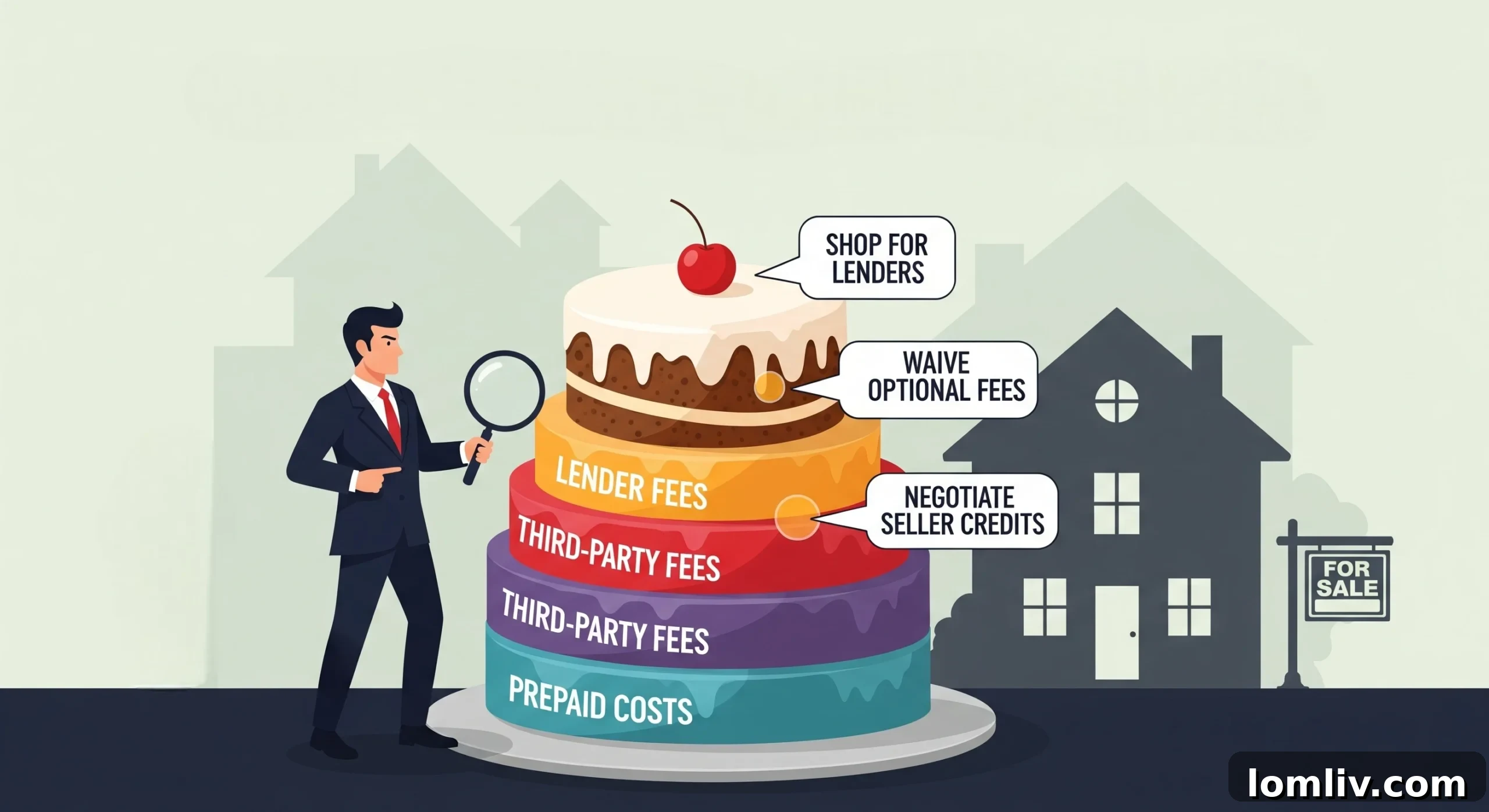
Lenders and home builders frequently offer various incentives designed to attract and secure your business. These valuable perks can significantly reduce the amount of cash you need to bring to the closing table. Prospective buyers might encounter enticing offers such as lender credits, reductions in origination fees, or even temporary rate buydowns. For new construction, builders often provide their own paid points or other concessions. It is always wise to proactively inquire about any available programs when you submit your loan application, as these offerings can change frequently and vary based on market conditions.
Engaging with a local loan officer or an experienced mortgage broker who possesses deep knowledge of the DFW market can also prove highly advantageous. Such professionals can help you meticulously compare various financing options and identify legitimate deals that genuinely result in cost savings for you. However, it is crucial to compare loan estimates line by line, as a credit offered in one area might be offset by a higher fee elsewhere. Investing the time to shop around and obtain multiple quotes is almost always a worthwhile endeavor, ensuring you secure the most favorable terms.
Using Lender Credits for Closing Costs
Lender credits can be an invaluable resource, particularly when you are operating with limited upfront cash. Closing costs, which typically encompass expenses such as the appraisal fee, title insurance fees, various lender-specific fees, and prepaid items like homeowners insurance premiums and property taxes, can accumulate rapidly. A strategically utilized lender credit can effectively reduce the total amount of cash you are required to bring to closing, thereby helping you retain more funds in your personal reserves for post-purchase expenses or emergencies.
It’s important to understand that the primary trade-off for receiving lender credits is usually a slightly higher interest rate on your mortgage. This can be an acceptable compromise if your immediate priority is to minimize out-of-pocket expenses at closing, or if you do not anticipate holding the loan for several decades. Always ask your lender to present both scenarios—with and without lender credits—side by side. This allows you to make an informed decision based on your specific financial timeline and immediate cash flow needs.
Negotiating Rate Buydown Options
A rate buydown is a financing strategy where you pay a certain number of discount points upfront at closing in exchange for a lower interest rate on your mortgage for a specified period or the entire loan term. This option can be particularly financially advantageous when you plan to retain the mortgage long enough to reach the “break-even” point, where the savings from the lower interest rate exceed the initial cost of the points. Generally, the longer you intend to stay in the home and keep the mortgage, the more significant the financial payoff from that reduced interest rate becomes.
In certain market conditions, you may even be able to negotiate for the seller or the home builder to cover these discount points on your behalf, rather than simply reducing the property’s overall list price. In a market where homes might linger slightly longer on the market or where sellers are eager to close quickly, concessions like a rate buydown can become significantly easier to secure. The key is to specifically ask for the option that most effectively improves your long-term monthly payment, rather than solely focusing on a reduction in the initial asking price.
Where to Invest in DFW for Neighborhoods Poised for Growth
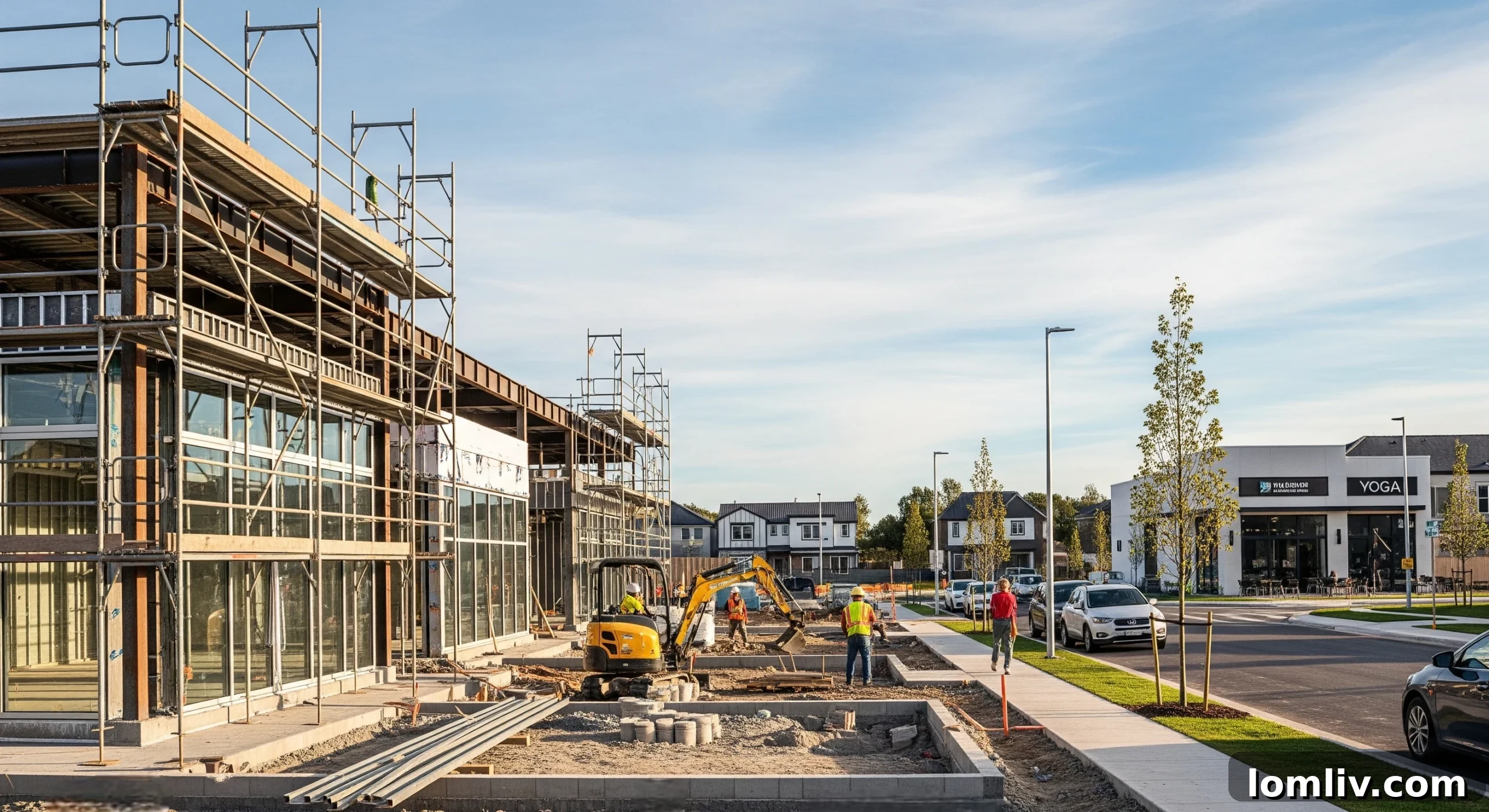
In the expansive DFW real estate landscape, the most promising investment opportunities frequently emerge in neighborhoods before they achieve a fully developed or “polished” status. Astute investors should actively seek out areas where significant development is underway for essential infrastructure such as roads, parks, schools, and retail centers. These types of upgrades are powerful magnets that actively draw in future demand. The optimal strategy is often to acquire property while the area is still in the process of improvement, well before property prices fully reflect the impending value appreciation.
A prime target area for investment typically exhibits affordability relative to its more established, high-demand neighboring areas. Crucially, it must also offer convenient access to major highways or significant employment hubs, alongside amenities and features that are highly valued by both renters and prospective buyers. For those seeking “value plays,” opportunities in distressed properties like pre-foreclosures or bank-owned homes can present themselves, though these often come with additional risks and require extremely tight timelines. While some investors may consider tax lien certificates for real estate exposure without direct property ownership, these are complex, deadline-driven, and demand extensive, meticulous research.
The Rise of Suburbs and Exurbs
An increasing number of homebuyers are making the strategic decision to trade a shorter daily commute for the allure of more expansive living space, the modern appeal of newer homes, and the added benefit of a private yard. This pronounced shift in buyer preference has significantly fueled growth outwards, pushing development and demand into suburban areas and even further into exurbs that were once perceived as being quite distant from the primary action. For shrewd investors, this trend can translate into more accessible entry prices for properties and a consistent, robust rental demand, particularly in locations close to newly established schools and burgeoning retail centers.
If you are placing your investment bets on an emerging area, it is crucial to look for tangible signs that the city or county is making long-term, strategic investments in the region. The presence of large-scale mixed-use developments, the arrival of major grocery anchor stores, and significant employer announcements are generally more indicative of sustainable growth than the appearance of just one new residential subdivision. When evaluating a potential home, always maintain a sharp focus on the fundamental structural elements: the integrity of the roof, the stability of the foundation, and the efficiency of the HVAC system. These are the critical components that, if neglected, can quickly lead to budget-wrecking repair costs.
Infrastructure Investment as a Predictor of Value
Major infrastructure projects possess the unique power to transform a neighborhood more rapidly and profoundly than almost any other factor. The construction of new highway connections, the addition of vital traffic lanes, significant transit system improvements, and the development of large public parks can dramatically reduce commute times and substantially enhance the overall quality of life for residents. These improvements, in turn, provide robust support for higher long-term home values. The inherent challenge, however, lies in accurately distinguishing between genuinely funded, committed projects and mere speculative discussions or proposals.
To effectively track these projects, savvy investors can consult city council agendas, county planning documents, and regional transportation updates. When you identify a specific project that is not only funded but also slated to improve access to an already growing or emerging area, this can serve as a compelling indicator that future housing demand will follow. However, it’s essential to remember that construction timelines can frequently be extended. Therefore, plan your investment horizon to be sufficiently long to allow for the full completion and positive impact of these infrastructure improvements to materialize.
Finding Value in Adjacent Communities
When property prices in a highly sought-after suburb experience a significant upward surge, both prospective buyers and renters naturally begin to shift their focus to the adjacent towns and communities. This phenomenon explains how these “next-door” communities can experience rapid growth, even if they were not initially the primary focus of attention. For instance, if a location like Frisco or Plano has become financially out of reach, nearby cities that offer comparable commuting options and a similar quality of life can frequently provide significantly more home for the money, presenting an attractive alternative.
While this “ripple effect” is a common occurrence in real estate, it is not an automatic guarantee. It’s crucial to seek tangible evidence that the adjacent community is actively developing the same types of amenities that initially made the popular area so appealing—such as new shopping centers, diverse restaurants, and well-maintained parks. If the area is visibly improving and the price differential remains substantial, the likelihood of strong long-term appreciation for your investment significantly increases.
Downtown Revitalization and Commercial Influence
While much of the recent real estate attention has centered on suburban expansion, the central core areas of Dallas and Fort Worth continue to hold significant appeal and potential for investors. Ongoing revitalization projects, the emergence of new and diverse restaurants, and the redevelopment of office spaces can collectively stimulate demand for condominiums, townhomes, and smaller multifamily properties within these urban centers. Buyers and tenants in these areas typically place a high premium on walkability, offering the convenience of reaching amenities on foot, and the benefit of significantly shorter commutes.
Commercial real estate activity also plays a pivotal role, as increased hiring and a vibrant office sector directly support the demand for nearby residential rentals. Some investors also explore opportunities in short-term rentals, particularly near hospitals, major event districts, and business travel corridors. However, it is critical to note that regulations governing short-term rentals vary significantly by city and Homeowners Association (HOA), and managing such properties can often feel more akin to a second job than a source of passive income, requiring substantial time and effort.
Analyzing Multifamily Potential Near Corporate Centers
Small multifamily properties strategically located near major job centers represent potentially robust cash flow opportunities within the DFW market. Duplexes and fourplexes, in particular, often experience rapid rental absorption when they are situated in close proximity to prominent employment hubs, major hospitals, or key commuter routes. The most attractive investment deals in this segment typically involve buildings that are fundamentally functional and have been consistently well-maintained, even if their interior finishes might be somewhat dated or in need of cosmetic updates.
If you choose to acquire a property with existing tenants already in place, it is absolutely essential to recognize that you will be assuming the role of landlord from day one. In most jurisdictions, you are legally obligated to honor all existing lease agreements, adhere strictly to local landlord-tenant regulations, and immediately take on all maintenance responsibilities. Prior to finalizing the closing, diligently review all lease documents, inspect security deposit records, and thoroughly understand the property’s repair history. This comprehensive due diligence will ensure you are fully aware of what you are inheriting and can plan accordingly.
The Appeal of Walkable Urban Neighborhoods
Walkable neighborhoods typically command higher prices, yet they also tend to retain their value exceptionally well, largely because the lifestyle they offer is difficult to replicate elsewhere. The convenience of being able to access coffee shops, grocery stores, and dinner establishments without needing a car is a powerful draw for both young professionals and individuals looking to downsize. Within the DFW metroplex, select pockets of genuine walkability can consistently command a premium in pricing, even during periods when the broader market experiences a general cooling trend.
To accurately identify areas that are on an upward trajectory, observe where new local businesses are actively opening their doors and where the city is making tangible improvements to sidewalks, public lighting, and shared public spaces. These seemingly smaller-scale enhancements can often serve as strong indicators that a neighborhood is progressively becoming more desirable and sought after. If you invest early and exercise patience, this combination of retail growth and public infrastructure investment can reliably translate into higher rental rates and stronger resale demand for your property over the long term.
Strategies for First-Time Homebuyers in a Competitive Market
Navigating the DFW housing market can present significant challenges for first-time homebuyers, yet it is far from an impossible endeavor. The most successful buyers in this environment are typically those who meticulously prepare themselves well in advance of initiating their home search and who forge a strong working relationship with an experienced real estate agent deeply familiar with the local area. While a reckless approach is ill-advised, a highly organized and strategic mindset is absolutely essential for success.
Begin by establishing a clear comfort zone for your monthly mortgage payment, rather than simply aiming for the maximum amount a lender indicates you could qualify for. A home that genuinely fits within your established budget will enable you to build equity comfortably while still affording you the flexibility to enjoy your daily life without undue financial strain. If your available funds for a down payment are limited, proactively research down payment assistance options early in the process. Many such programs come with specific income limits, educational requirements, and additional paperwork that can significantly impact your overall timeline, making early planning crucial.
1. Crafting a Winning Offer Package
It’s a common misconception that the strongest offer is invariably the one with the highest price. In reality, sellers are often equally, if not more, concerned with the likelihood of a smooth and successful closing, along with the overall ease of the transaction. An offer package that includes a meticulously clean contract, a substantial earnest money deposit demonstrating your commitment, and a reasonable, well-defined closing timeline can frequently prevail over a higher monetary offer that is burdened with too many “what ifs” or potential complications.
Your real estate agent should proactively engage in communication with the listing agent to ascertain the seller’s specific needs and priorities. Some sellers may prioritize a rapid closing, while others might require additional time to relocate and could benefit from a leaseback agreement. When your offer package is tailored to align precisely with the seller’s specific circumstances and preferences, it significantly enhances your offer’s appeal and helps it stand out amidst competition.
2. Using Preapproval vs. Prequalification
Prequalification for a mortgage typically involves a quick, preliminary estimate of your borrowing capacity, largely based on the financial information you self-report to a lender. Mortgage preapproval, however, represents a far more comprehensive and rigorous assessment. It generally signifies that the lender has meticulously reviewed your financial documents and credit history and has made a conditional commitment to lend you up to a specific amount. In a highly competitive market, sellers consistently view a preapproval as a much more serious and credible indication of a buyer’s financial readiness.
Whenever possible, strive to obtain a fully underwritten preapproval before you begin making offers on properties. This advanced step significantly reduces the potential for unwelcome surprises later in the transaction process and effectively makes your offer appear much closer to a cash offer in the eyes of a seller. Furthermore, a solid preapproval empowers you to act swiftly and decisively when your ideal home unexpectedly comes onto the market, giving you a competitive edge.
3. Contingency Management for Sellers’ Peace of Mind
While an offer with fewer contingencies can undeniably make your proposal more appealing to sellers, it is critically important not to eliminate safeguards that could ultimately prove detrimental to your interests. Waiving a home inspection, for example, is almost never a advisable strategy, particularly in North Texas where foundation and HVAC system issues can lead to exceedingly expensive repairs. A more prudent approach is to retain the inspection contingency but work with your agent to shorten the inspection timeline, which is typically around seven to ten days but can be negotiated to be even more concise.
The appraisal contingency represents another potential point of stress in competitive bidding situations. If you find yourself in a bidding war, you might consider offering to cover a limited appraisal gap—meaning you commit to paying the difference between the appraised value and your offer up to a certain cap. However, only make such an offer if you genuinely possess the necessary cash funds and are entirely comfortable with the associated financial risk. Establish a clear, firm cap that you can realistically live with and resist allowing emotional impulses to push you beyond that predetermined limit.
4. Setting Realistic Expectations
It is an almost universal experience for first-time homebuyers to encounter a moment when their aspirational wish list inevitably collides with the hard realities of their budget. This disparity is entirely normal and a common part of the homebuying journey. The most effective way to overcome this impasse is to critically evaluate which aspects of the home you are willing to compromise on now, knowing they can be upgraded or altered later, versus those that are immutable.
Location, for instance, is almost always the most challenging and often impossible factor to change after the closing date. While you can gradually upgrade interior finishes, flooring, or even kitchen appliances over time, you simply cannot relocate a home to a different school zone or a more desirable neighborhood. Therefore, prioritize securing the best possible location that your budget allows, and then shift your focus to evaluating the home’s overall layout and the condition of its major, high-cost systems, understanding that cosmetic elements can be addressed incrementally.
5. The Importance of Good Bones Over Cosmetic Finish
Cosmetic flaws, such as outdated paint colors, worn carpeting, or old light fixtures, can often appear quite pronounced and off-putting during a home showing. However, it is crucial to recognize that these are frequently the least expensive and most easily remedied problems in a property. A fresh coat of paint, new flooring, and updated fixtures are all improvements you can realistically tackle after you’ve moved into your new home. What holds far greater importance and long-term financial implication is the structural integrity of the home and the condition of its major, big-ticket systems.
Pay exceptionally close attention to the roof, the foundation, the plumbing system, and the heating, ventilation, and air conditioning (HVAC) system. Rely heavily on a thorough, high-quality home inspection to accurately identify and flag any potential risks or existing problems within these critical components. A house can present a beautiful, polished exterior and still harbor extremely expensive underlying issues hidden beneath fresh paint and modern decor. It is a far wiser investment to allocate your funds towards a comprehensive inspection and the necessary major repairs, rather than being swayed solely by superficial sparkle.
6. Budgeting Beyond the Monthly Mortgage Payment
Your monthly mortgage payment, while substantial, represents only one part of the total financial commitment of homeownership. Beyond the principal and interest portion, you will almost certainly incur additional, ongoing expenses. These typically include property taxes, homeowners insurance premiums, and potentially Homeowners Association (HOA) dues if applicable, along with utility costs and routine maintenance expenses. It is absolutely vital to construct a comprehensive budget that meticulously accounts for all of these associated costs, thereby preventing any unpleasant financial surprises after you’ve closed on your new home.
Most lenders establish an escrow account, through which your property taxes and insurance premiums are conveniently paid as part of your monthly mortgage payment. However, some borrowers, depending on their loan type and existing equity, may qualify to waive escrow. If you opt to waive escrow, you assume direct responsibility for saving and paying these significant bills yourself, typically in large lump sums, so be realistic about your personal budgeting habits. Furthermore, it is a sound financial practice to set aside approximately one percent of the home’s value each year specifically for unexpected repairs and ongoing maintenance, as Texas homes, in particular, can sometimes present costly surprises related to HVAC and foundation issues.
Selling with Pricing and Prep Tactics

If your plans involve selling your home in 2026, it is prudent to anticipate that buyers will be more discerning and selective than they were during the peak frenzy of the recent boom. A home that is impeccably clean, diligently maintained, and strategically priced can still sell quickly and efficiently. However, you should not rely on the expectation of a bidding war to rectify an unrealistically high price. Approach your listing as if it were a product entering a competitive market, understanding that it needs to stand out and appeal to potential buyers online from the very first day it is listed.
Your primary objective as a seller is to proactively eliminate any potential reasons a buyer might hesitate or be deterred. Address all obvious repairs and cosmetic flaws, ensure the home is easily accessible and always ready for showings, and have essential details readily available, such as the age of the roof and HVAC system, along with receipts for any significant past work. The smoother and more transparent you make the entire selling process, the less leverage buyers will have to negotiate down your asking price.
Critical Home Improvements That Pay Off
It’s a common misconception that all home improvements automatically accelerate a sale or increase the final selling price. In the DFW market, buyers generally place a high value on homes that feel genuinely move-in ready and are perceived as affordable to operate. This explains why fundamental maintenance and strategic energy efficiency upgrades can often hold as much, if not more, sway with buyers than transient design trends or purely aesthetic enhancements.
Focus your efforts on visible and trustworthy upgrades: fresh, neutral paint throughout the interior, modern and appealing lighting fixtures, and meticulously repaired or updated plumbing fixtures. If you can significantly enhance the home’s energy efficiency—through improved insulation, sealing air leaks, or installing Energy Star-rated appliances—buyers will often perceive these as tangible, long-term benefits. Even relatively small, green-focused upgrades can help your home distinctly stand out in the market without necessitating a costly and extensive full-scale remodel.
Prioritizing Curb Appeal and Exterior Maintenance
A buyer’s crucial first impression of your home begins long before they step inside—it starts online with photos, and then solidifies at the curb during a physical visit. Therefore, it is absolutely essential to ensure your lawn is neatly cut, landscaping is meticulously trimmed, and the front entry area presents a clean, inviting, and well-maintained appearance. A quick power wash of exterior surfaces and simple touch-up painting can often make a far more significant positive impact than many sellers anticipate.
The condition of your home’s exterior serves as a powerful visual signal regarding the overall care and maintenance it has received. Peeling paint, missing fence boards, or visibly clogged gutters can inadvertently lead buyers to assume that there are more significant, underlying problems hidden inside the property. Proactively address these smaller exterior issues before you list your home. This ensures that prospective buyers arrive feeling confident and positive about the property, rather than approaching it with immediate skepticism.
Addressing Necessary Repairs Before Inspection
One of the fastest and most common ways a real estate deal can unravel is through the discovery of unexpected issues during the buyer’s home inspection. If you are already aware that a significant component of your home is nearing the end of its functional lifespan—such as an aging HVAC unit or a roof that is clearly due for replacement—it is highly advisable to consider addressing these issues proactively before you even list the property. Resolving these repairs early can significantly reduce potential haggling during negotiations and help keep your sales contract firmly on track, avoiding costly delays or cancellations.
Some sellers also strategically opt for a pre-listing inspection conducted by a professional inspector. This approach allows you to identify potential problems on your own timeline, giving you the opportunity to fix them proactively before a buyer can use them as leverage for price reductions or concessions. If you choose to undertake a pre-listing inspection, be sure to share the detailed report with your real estate agent so that you can collaboratively decide which items to repair, which to disclose, and how best to strategically position your home for sale.
Timing Your Listing for Maximum Exposure
While the DFW real estate market maintains activity year-round, buyer behavior still exhibits discernible seasonal patterns. Late spring typically ushers in the largest wave of prospective shoppers, particularly families who are keen to complete their move and settle in before the start of the next school year. This can mean increased competition among sellers, but it also often translates into stronger overall buyer demand and potentially more favorable offers for well-prepared homes.
Listing your home in late fall or winter can also prove to be an effective strategy, especially if your property shows exceptionally well and is priced correctly for the market. During these periods, there are typically fewer active listings, meaning serious buyers have a more limited selection of homes to choose from. The optimal timing for your listing ultimately depends on the specific characteristics of your home, the dynamics of your particular neighborhood, and your personal moving schedule.
The Impact of School Calendars on Selling
School calendars exert a very real and significant influence on the ebb and flow of the North Texas real estate market. Families, particularly those with school-aged children, often prioritize closing on a new home and completing their relocation during the summer months. This allows their children to begin the academic year smoothly in their new school district without interruption. This critical factor explains why buyer activity frequently escalates in early spring and maintains a strong pace well into early summer.
If your home is located within a highly-rated or particularly desirable school district, it is imperative to plan your listing strategy around when families typically begin their home search and touring process, rather than solely based on your personal preference for listing. Homes that are introduced to the market in late winter or early spring often provide prospective buyers with ample time to browse, negotiate, and finalize their closing before the summer break concludes. Your experienced real estate agent can provide invaluable guidance in matching your optimal listing date to the local market’s seasonal rhythm and school calendar influences.
Pricing Strategies for a Quick Sale
Setting the right price remains the single most critical decision in the home selling process; it can either make or break your sale. If you initially price your home too aggressively high, you run the significant risk of it languishing on the market, which inevitably leads buyers to question what might be wrong with the property. Your pricing strategy should be firmly anchored in recent comparable sales data and the current competitive landscape, rather than relying on outdated headlines from previous market conditions.
In some situations, strategically pricing your home slightly below the strongest comparable properties can effectively generate increased showing activity and often lead to the highly desirable outcome of multiple offers. In other scenarios, the most effective approach is to price your home precisely at market value and maintain firm resolve throughout negotiations. Regardless of the strategy, getting the pricing right within the initial two weeks of listing is paramount, as this period typically garners the most intense buyer attention and activity.
Conclusion
The comprehensive outlook for the DFW housing market in the upcoming year points towards a landscape characterized by robust underlying demand, yet with a return to more normalized negotiation dynamics compared to the intense frenzy of previous years. Buyers should prudently anticipate continued competition for the most desirable homes, while sellers should prepare to exert diligent effort, including strong property preparation and realistic pricing, to achieve their top dollar. Investors are likely to find the greatest success by concentrating on fundamental principles such as consistent cash flow, strategic location, and long-term growth catalysts like sustained job expansion and infrastructure development.
The smartest and most effective move for any participant in this market is to meticulously assemble a trusted team of professionals. For those navigating a home purchase, this typically entails partnering with an experienced real estate agent and a responsive lender who can facilitate swift transactions. For investors, this team may also extend to finding a complementary partner whose skills and resources enhance your own. Crucially, in all scenarios involving shared financial interests, it is paramount to clearly define responsibilities and expectations in writing from the outset. This proactive approach ensures that shared money fosters shared success, preventing shared stress arising from unaddressed expectations.