Moving into a first home marks a significant milestone, especially for young families. It’s a moment brimming with anticipation, dreams, and the exciting prospect of transforming a house into a warm, inviting home. Beyond the practicalities of unpacking boxes and settling in, the true essence of this new chapter lies in crafting spaces that not only accommodate daily life but also nurture growth, shared experiences, and countless cherished memories. Furniture, often underestimated, forms the very foundation of this vision. It supports everything from a child’s first steps and boisterous playdates to intimate family meals and peaceful evenings of quiet reflection. Choosing the right pieces means investing in comfort, functionality, and longevity, ensuring that every item contributes to the evolving story of your family.
In today’s dynamic world, where lifestyles are increasingly fluid and space is often at a premium, modern furniture trends are keenly focused on solutions that blend flexibility, unwavering endurance, and thoughtful design. These elements are paramount for contemporary households striving to manage their living spaces, precious time, and budgets with equal consideration. This guide explores the essential furniture trends poised to help young families create beautiful, functional, and enduring homes that grow with them, making every corner count.
Smart Solutions: Multifunctional, Space-Saving, and Storage-Integrated Furniture for Modern Living
As urban living continues to expand and housing footprints become more compact, the demand for intelligently designed furniture has never been higher. A notable trend reveals that nearly 60 percent of first-time homebuyers are opting for smaller, more efficient living spaces. In these homes, every square inch offers potential, making furniture that serves multiple purposes not just a convenience, but an absolute necessity. The goal is to maximize utility without sacrificing style or creating visual clutter, leading to an innovative array of space-saving furniture solutions.
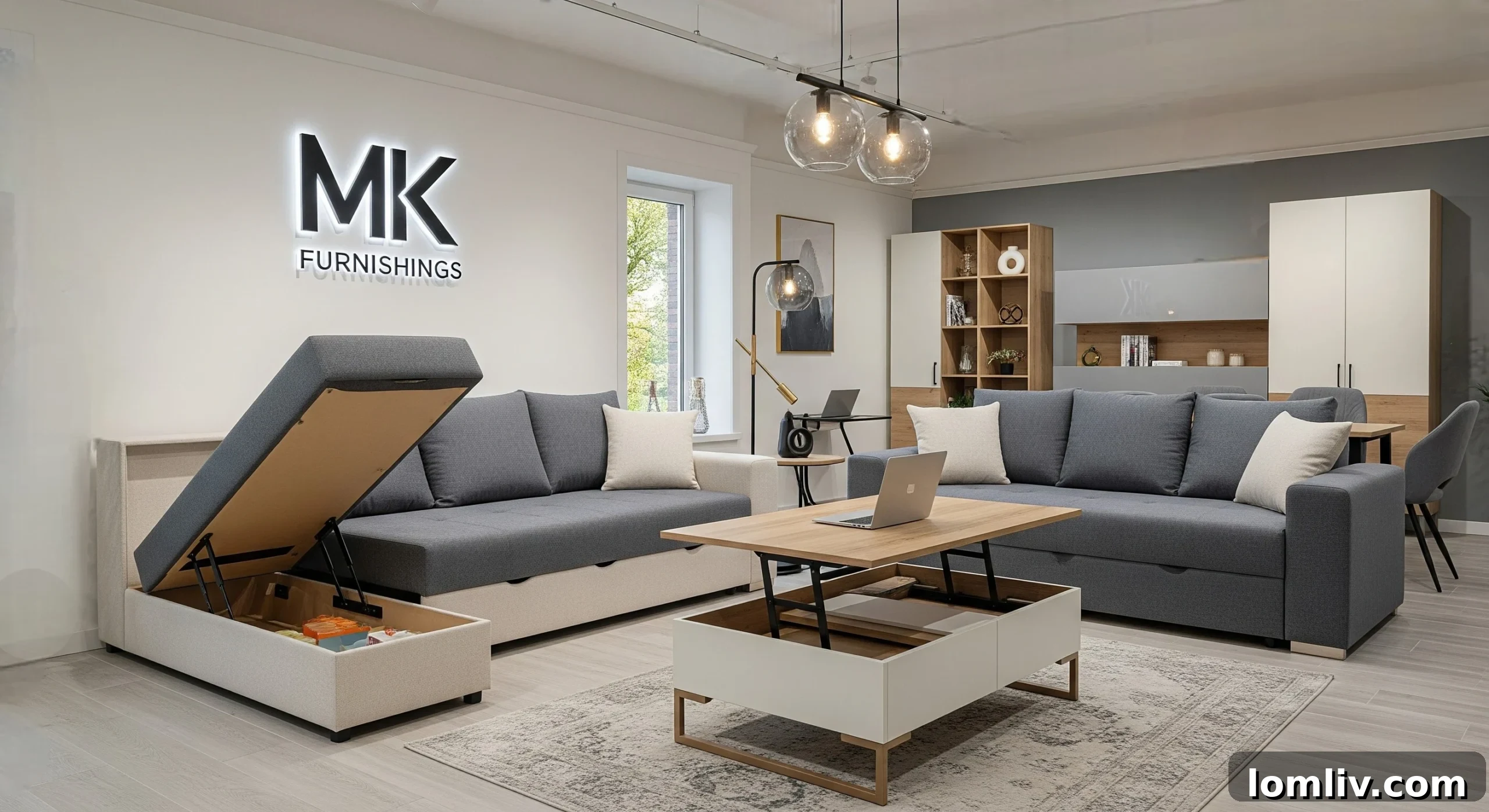
Consider the transformative power of expandable dining tables that can gracefully host a dinner party one moment and fold away to free up floor space the next. Sofas and ottomans with cleverly concealed compartments offer discreet storage for blankets, toys, or media, keeping living areas neat and organized. Beds, especially those designed for children’s rooms, frequently incorporate built-in drawers or lift-up mechanisms, transforming otherwise unused space into valuable storage. These ingenious designs help maintain a sense of openness and order, crucial for busy family life.
Children’s rooms, in particular, benefit immensely from this trend. L-designed bunk beds exemplify smart spatial planning by utilizing corners efficiently, often incorporating desks, shelves, or play areas beneath the top bunk. This not only optimizes vertical space but also creates distinct zones for different activities, fostering both productivity and play. Furthermore, modular benches can provide flexible seating for dining or entryways, often doubling as storage chests. Lift-top coffee tables offer the dual benefit of a convenient work surface or dining area and hidden storage, making them indispensable in multi-functional living rooms. Embracing such innovative pieces allows families to adapt their environment to their changing needs, making the most of every corner without compromising on aesthetic appeal or everyday functionality.
Built to Last: Selecting Durable Materials for Enduring Family Furniture
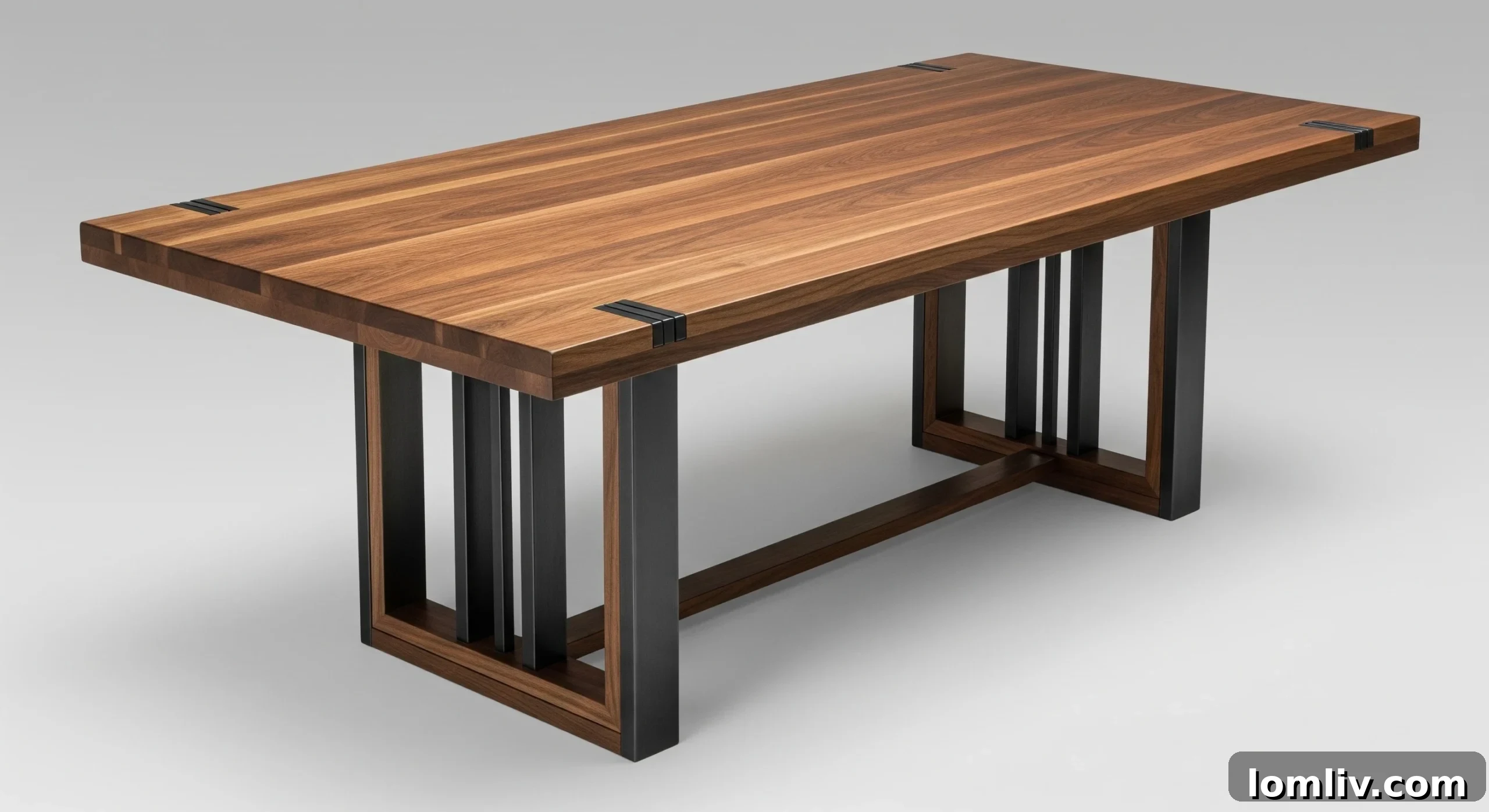
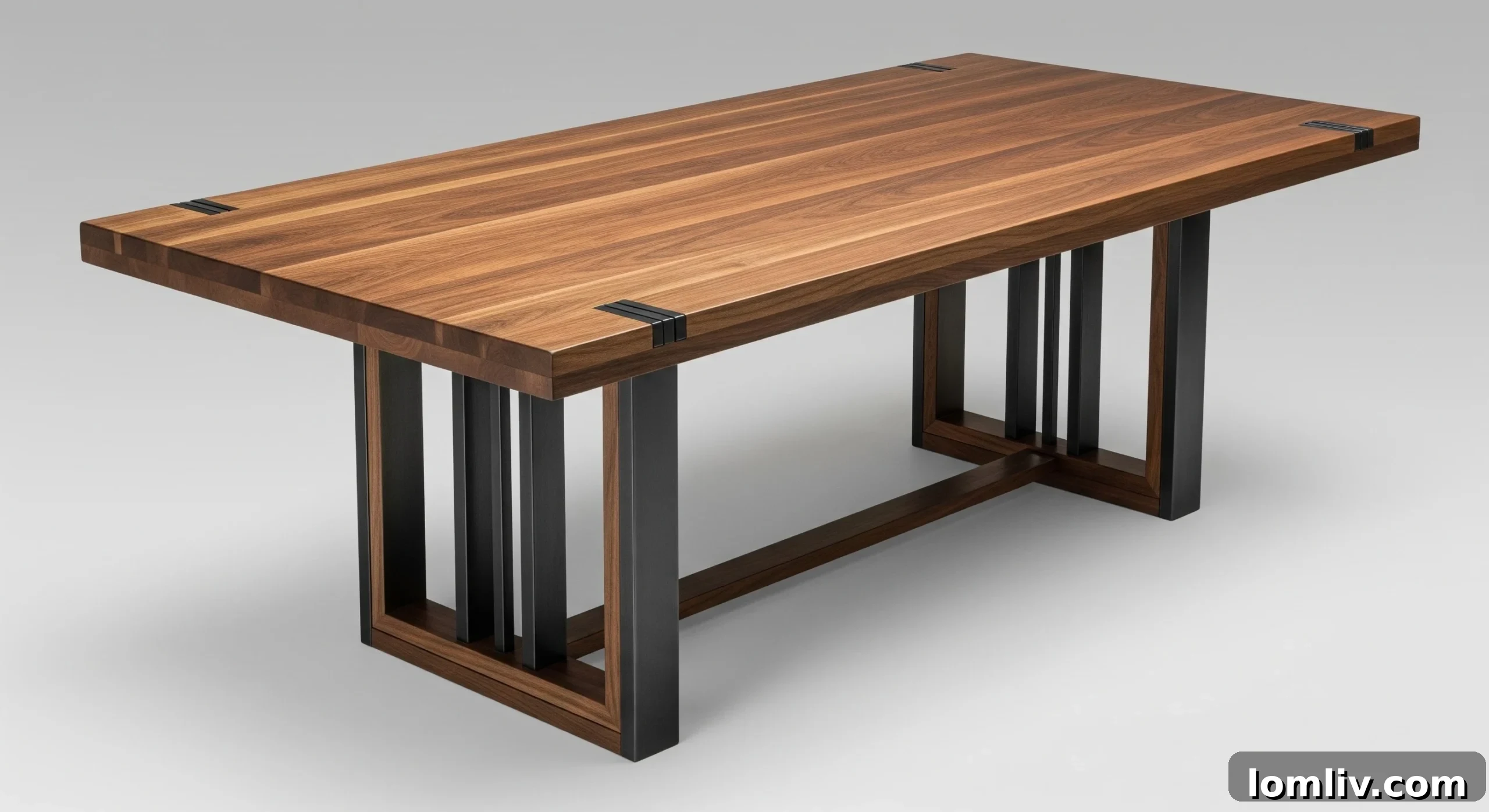
The best family furniture is a testament to resilience, quietly performing its duty day in and day out. For young families, durability isn’t just a preference; it’s a critical investment that saves money and headaches in the long run. Materials that can withstand the rigors of everyday life—spills, scratches, bumps, and constant use—are paramount. Solid hardwood, a classic choice, continues to reign supreme for its inherent strength, timeless beauty, and remarkable longevity. Pieces crafted from oak, maple, or cherry can endure generations, often gaining character with age, and can even be refinished to renew their appearance, offering a sustainable alternative to frequent replacements.
Beyond traditional wood, metal accents are increasingly integrated into furniture design, not just for their sleek, modern aesthetic but also for enhanced structural integrity. Steel, wrought iron, and aluminum components provide robust support for legs, frames, and hardware, ensuring stability and extending the lifespan of pieces. These combinations offer a sophisticated industrial edge while guaranteeing unparalleled strength, particularly in high-stress areas like dining chairs and coffee tables.
Surface finishes have also evolved significantly to meet the demands of active households. Finishes that offer superior resistance to scratches, scuffs, and moisture are gaining considerable traction, especially in dining areas, kitchen islands, and children’s furniture. These include high-performance laminates, melamine, and specialized lacquers that are not only tough but also remarkably easy to clean, allowing for quick wipe-downs of spills and messes. Furthermore, construction quality is key; pieces with reinforced joints, such as dovetail or mortise-and-tenon connections, and robust hardware help maintain a polished and sturdy appearance, even in homes bustling with pets, impromptu playdates, and the general ebb and flow of daily family activity. Opting for such materials and construction ensures that your furniture remains beautiful and functional, truly going the distance with your growing family.
The Heart of the Home: Marrying Comfort and Style in the Living Room
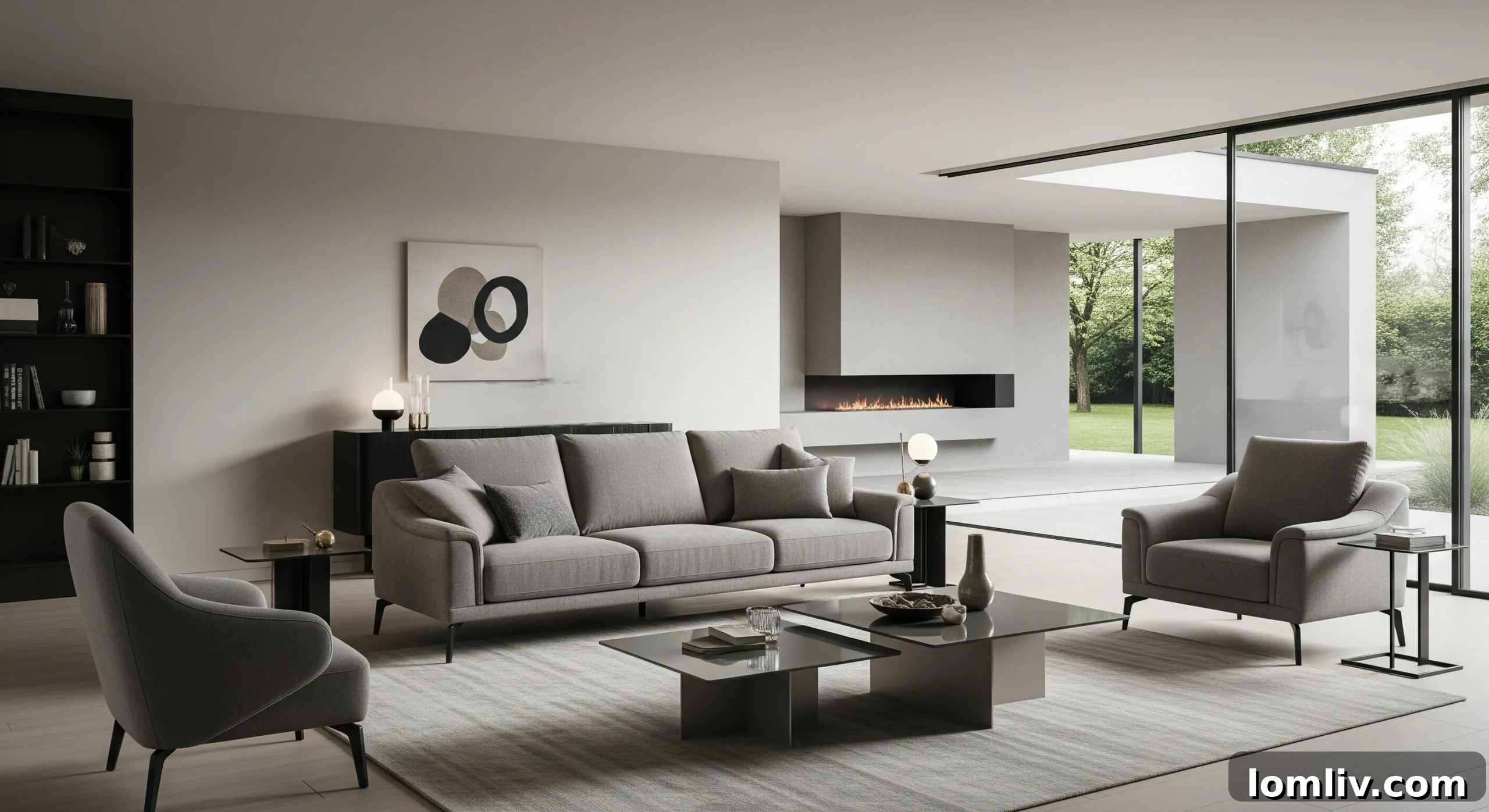
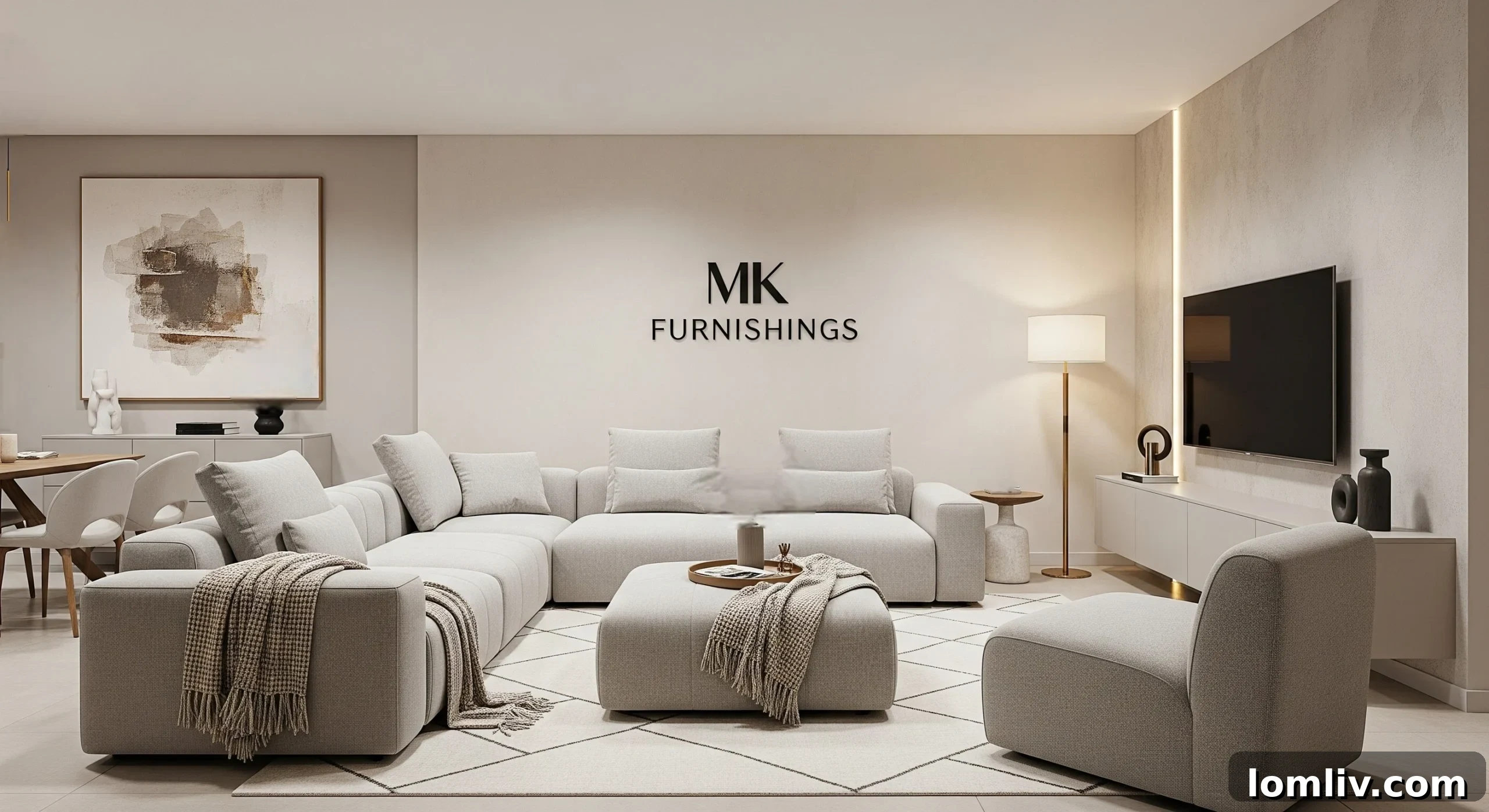
The living room undeniably serves as the nucleus of family life. It’s a versatile space that witnesses everything from boisterous game nights and movie marathons to quiet reading sessions and afternoon naps. Therefore, seating in this vital area must strike a perfect balance between supreme comfort and exceptional durability. Sectional sofas have emerged as a frontrunner for family living rooms, offering ample seating and flexibility in layout. When paired with high-performance fabrics like sumptuously soft chenille and luxurious velvet, they create an inviting ambiance that feels both cozy and sophisticated. These advanced fabrics are engineered to resist stains, fading, and wear, making them ideal for homes with children and pets, all while adding rich texture, vibrant color, and undeniable comfort to the heart of the home.
Beyond traditional sectionals, modular sofas continue to captivate homeowners with their remarkable adaptability. These innovative seating systems are composed of individual units that can be rearranged to suit various needs – whether it’s expanding for extra guests, creating a lounge-like setup for a family movie night, or even transforming into a temporary sleeping area. Their inherent flexibility perfectly mirrors the fluid and informal nature of modern family life, where spaces often need to evolve and transform on a whim. The beauty of modular design lies in its capacity for customization; families can start with a basic configuration and add or remove pieces as their needs or living situation changes, ensuring the furniture always fits perfectly. This adaptability not only enhances functionality but also offers a sustainable approach to furnishing, reducing the need for complete overhauls as the family grows.
Complementing these larger seating arrangements, consider adding elements like oversized floor cushions, poufs, or beanbags. These versatile pieces provide additional comfortable seating for children or casual lounging, are easy to move, and can inject pops of color or texture into the room. When choosing a design aesthetic, consider contemporary styles that blend clean lines with plush upholstery, or opt for a Scandinavian-inspired look that prioritizes both form and function with a focus on natural materials and understated elegance. The key is to select pieces that invite relaxation and togetherness, creating a living room that truly feels like a welcoming sanctuary for every member of the family.
Seamless Integration: Furniture Designed for Open-Plan Living
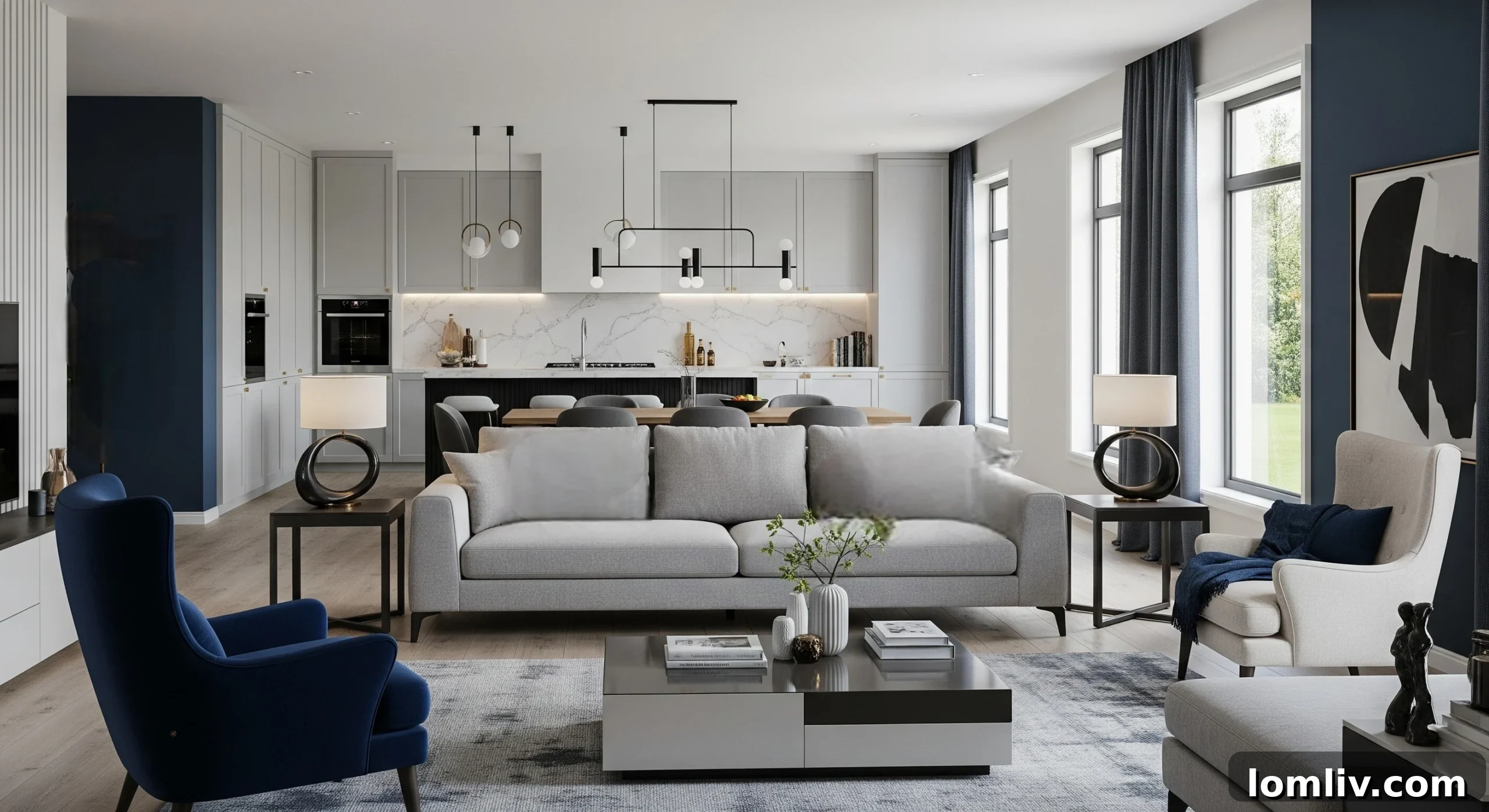
The rising prevalence of open-plan layouts in modern homes reflects a desire for greater social connectivity, abundant natural light, and a more expansive feel, even in smaller footprints. In these integrated spaces, where the kitchen, dining, and lounge areas flow seamlessly into one another, furniture plays a crucial role beyond mere aesthetics. It must effectively help define distinct functional zones without erecting physical barriers or impeding the overall sense of openness. The challenge lies in creating visual cues that delineate areas for cooking, eating, relaxing, and playing, all while maintaining a harmonious and cohesive design flow.
To achieve this, carefully selected furniture pieces act as subtle room dividers. Lightweight poufs, for instance, can delineate a casual seating area within a larger living space, easily moving aside for an impromptu play zone. Nesting tables offer exceptional versatility, serving as compact side tables when stacked or spreading out to provide multiple surfaces for drinks, snacks, or décor when entertaining. Rolling carts, particularly those with a stylish design, can transition effortlessly from a kitchen island extension to a mobile bar or a temporary workstation, adapting to various needs throughout the day. These flexible pieces allow a space to fluidly transition from a bustling family meal setting to a relaxed evening lounge, and then to a vibrant area for creative play, all within moments.
Maintaining a cohesive aesthetic across these open zones is paramount to avoid a disjointed look. This can be achieved by repeating certain materials, textures, or a consistent color palette throughout the interconnected areas. For example, using the same wood finish on dining chairs and a coffee table, or integrating accent colors from the living room into kitchen textiles, helps tie the entire space together. Furthermore, furniture with clean lines, slender legs, and minimalist designs inherently preserves a sense of airiness and spaciousness, preventing the area from feeling overcrowded. These design choices ensure that while comfort and practicality are fully addressed, the visual continuity and expansive feel of the open-plan layout remain uncompromised, creating an inviting and functional environment for the entire family.
Conscious Living: Sustainable Choices with Enduring Style
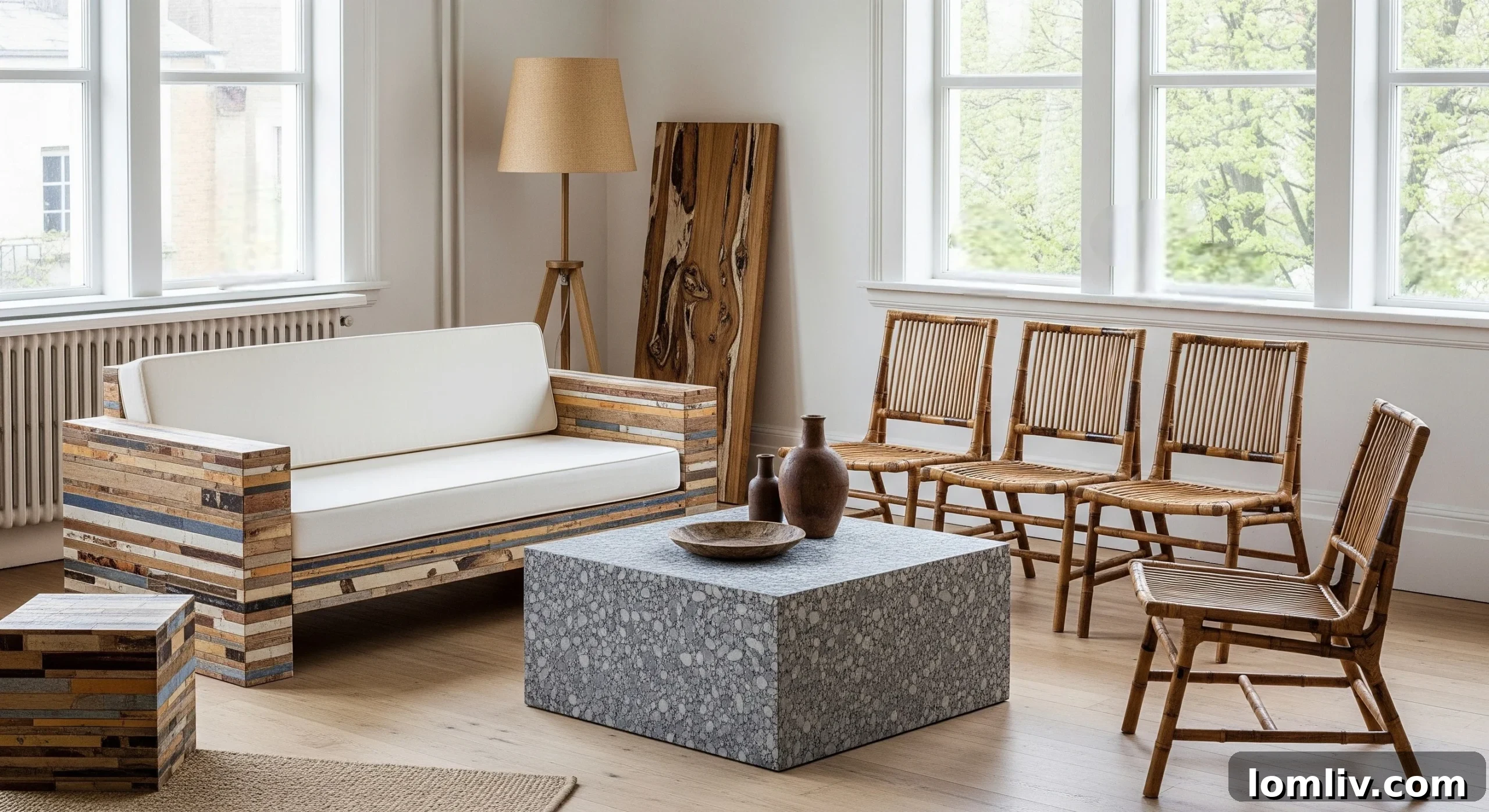
Today’s families are increasingly forward-thinking, prioritizing not only the immediate needs of their home but also its long-term impact on the planet and their family’s well-being. This growing environmental awareness has spurred a significant demand for sustainable furniture options. Pieces crafted from responsibly sourced wood, certified by organizations like the Forest Stewardship Council (FSC), ensure that forests are managed ethically and sustainably. Similarly, furniture incorporating recycled metals, reclaimed timber, or innovative materials made from recycled plastics reduces waste and conserves natural resources. Furthermore, the emphasis on non-toxic finishes, low-VOC (volatile organic compound) paints, and natural glues is crucial for maintaining healthy indoor air quality, which is especially important for young children and individuals with sensitivities.
Recent data underscores this shift in consumer priorities, indicating that over 75 percent of buyers now express a strong preference for eco-conscious home furnishings. Many are even willing to invest more for products that align with their environmental values, viewing these purchases as a contribution to a healthier future. This trend extends beyond just materials; it encompasses the entire lifecycle of a product.
Choosing timeless designs that transcend fleeting trends is another cornerstone of sustainable living. Furniture that is well-made and aesthetically classic avoids the need for frequent replacement, thereby reducing waste and minimizing environmental footprint. These pieces become cherished staples rather than disposable items. Integrating vintage pieces or furniture made from reclaimed materials adds a unique character and history to a home, celebrating craftsmanship from the past while actively participating in a circular economy. Each reclaimed beam or antique cabinet tells a story, offering an aesthetic that cannot be replicated by mass-produced items. By opting for sustainable choices, families not only create a healthier living environment but also instill values of conscious consumption and environmental stewardship in their children, building a home that is as responsible as it is beautiful.
A Home That Grows: Personalized Touches That Evolve with the Family
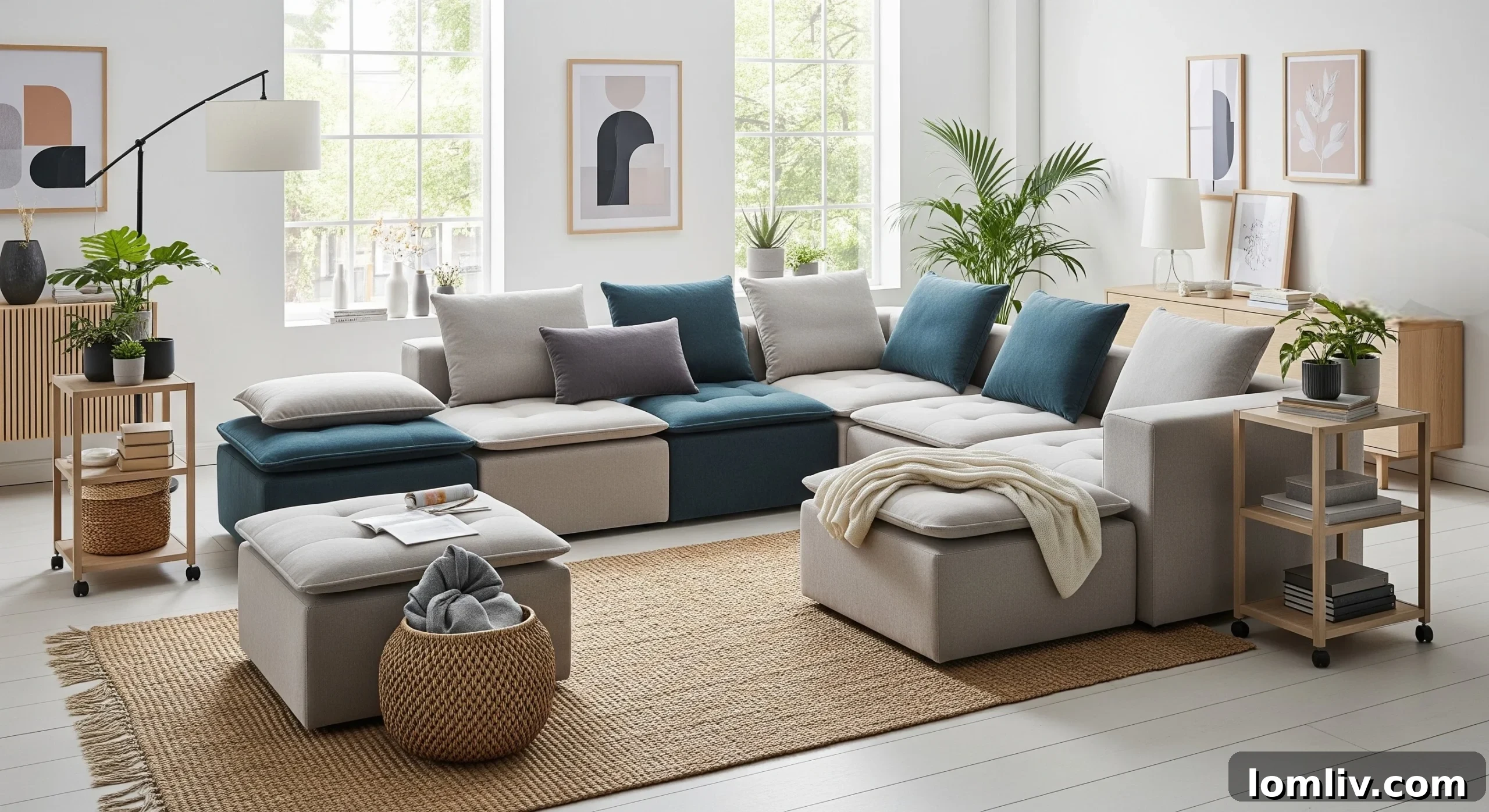
A home is far more than just a collection of objects; it’s a living canvas that reflects the unique personalities, passions, and evolving lives of the family residing within its walls. Crafting a space that feels deeply personal yet remains flexible enough to adapt to changing needs is a key aspect of modern family home design. Starting with a foundation of neutral base tones for larger furniture items, such as sofas or major storage units, provides a versatile backdrop. This allows families the freedom to layer in textures through throws, cushions, and rugs, introduce vibrant pops of color through artwork, and bring life into the space with lush indoor greenery. These easily changeable elements enable families to update their decor with the seasons, evolving tastes, or as children grow, without the expense or disruption of major overhauls.
Interchangeable covers for upholstered furniture, particularly on sofas and chairs, offer both practicality and stylistic flexibility. They allow for easy cleaning of spills and provide the option to refresh the room’s look simply by swapping out the fabric. Similarly, modular units, whether for shelving, seating, or storage, can be reconfigured as family needs change, making them highly adaptable investments. As children grow from toddlers to teenagers, their spaces and requirements shift dramatically, and furniture that can be easily rearranged or repurposed ensures longevity and utility.
Crucially, for families with young children, safety and comfort are paramount without sacrificing design. The preference for rounded corners, soft edges, and child-safe materials has become a significant design consideration. Furniture with softened profiles minimizes the risk of bumps and bruises, creating a safer environment for energetic play. Additionally, anchoring tall furniture to walls, choosing non-toxic finishes, and selecting durable, easy-to-clean fabrics are increasingly becoming standard practices. These thoughtful choices create spaces that feel open, inviting, and comfortable for all ages, promoting a sense of ease and relaxation, while still maintaining an elegant and refined aesthetic. By embracing personalization and adaptability, families can cultivate a home that not only mirrors who they are today but also beautifully anticipates who they will become tomorrow.
Building Your Sanctuary: Laying the Groundwork for a Well-Furnished Home

The journey to a beautifully furnished family home begins long before the first piece of furniture is placed. The moving process itself plays a pivotal role in influencing how furniture choices ultimately take shape and how smoothly a family transitions into their new environment. A well-orchestrated move sets a positive tone for thoughtful space planning and allows families to focus their energy on creating meaningful spaces rather than dealing with logistical headaches.
Hiring moving professionals and partnering with reliable movers is an investment that pays dividends. These experts bring experience, efficiency, and the right equipment to handle your belongings with care, protecting cherished family pieces and new furniture alike. From specialized packing for delicate items to safe transportation and efficient unpacking, professional movers streamline what can often be an overwhelming process. This crucial support allows families to dedicate their precious time and attention to essential tasks like interior design, furniture arrangement, and settling their children into their new surroundings. A smooth, stress-free move empowers you to approach the furnishing process with clarity and creativity, ensuring that from day one, your new house truly begins to feel like home.
Final Thoughts on Furnishing Your First Family Home
Furnishing a first family home is an exciting and multifaceted endeavor that extends far beyond mere aesthetics. It’s a delicate balancing act, harmonizing comfort with essential function, and ensuring longevity with timeless appeal. The most influential trends guiding today’s choices point towards smart, integrated storage solutions, a steadfast commitment to sustainable materials, and the unparalleled versatility of adaptable pieces. From modern bunk beds that intelligently maximize space to modular sofas that reconfigure with ease, each selection is an opportunity to craft a living environment that is both resilient and responsive to the evolving needs of a growing family.
Every piece of furniture chosen contributes to a larger, more intimate story—a narrative built on togetherness, fostering creativity, and providing a sanctuary where daily life unfolds. By prioritizing durability, flexibility, and conscious choices, young families can create a home that not only meets their immediate requirements but also gracefully evolves alongside the people who call it their own. This thoughtful approach ensures that your first family home becomes a cherished foundation, supporting countless memories and adventures for years to come.