

The burgeoning North Texas region, encompassing the dynamic Dallas-Fort Worth (DFW) Metroplex, is currently grappling with a severe housing affordability crisis. This isn’t a new development, but rather a worsening challenge that demands immediate and comprehensive action. Previous discussions have highlighted the escalating nature of this crisis, revealing that new construction alone is proving insufficient to alleviate the strain, and many prospective homeowners face significant hurdles in securing a suitable residence.
Our ongoing examination of the North Texas housing landscape has previously covered several critical facets:
- In Part I, we established the stark reality of the Housing Crisis in North Texas, underscoring its broad impact on residents and the regional economy.
- Part II delved into why New Construction Isn’t Effectively Addressing the North Texas Housing Crisis, pointing out systemic issues that limit its impact on affordability.
- Part III offered a firsthand account of the Struggles Faced When Searching for a Home in North Texas, illustrating the human dimension of this complex problem.
Now, it’s time to pivot our focus from diagnosis to prescription. This article will explore actionable, multifaceted solutions to the North Texas housing crisis. It’s crucial to understand that there isn’t a single “silver bullet” solution; rather, a combination of innovative approaches, policy reforms, and shifts in societal mindset will be necessary to foster real, lasting improvement in housing affordability across the DFW Metroplex.
Embracing Innovation: Expect and Accept Change in Construction
The current state of housing construction in North Texas is unsustainable. The rising costs, bureaucratic hurdles, and scarcity of skilled labor have rendered traditional building methods increasingly expensive and inefficient. Events like Hurricane Harvey, which devastated parts of Texas, highlight the fragility of existing supply chains and the immediate need for resilient, cost-effective building solutions. When resources like builders, contractors, materials, and labor flock to disaster zones, regions like DFW experience exacerbated delays and cost increases in their own new construction projects. This creates a compelling opportunity for DFW to rethink its approach to home building.
One transformative solution lies in embracing modern modular home construction. It’s imperative to dispel common misconceptions: we are not talking about outdated mobile homes or trailer parks. Modern modular homes are sophisticated, high-quality residences built in controlled factory environments. This method offers numerous advantages over traditional site-built construction:
- Faster Construction: Modules are built concurrently with site preparation, significantly reducing overall project timelines.
- Enhanced Quality Control: Factory settings allow for rigorous quality checks at every stage, minimizing errors and ensuring consistent standards.
- Cost Efficiency: Reduced waste, bulk purchasing of materials, and streamlined labor processes lead to substantial cost savings, translating into more affordable housing options.
- Weather Protection: Construction is immune to adverse weather conditions, preventing delays and material damage.
- Sustainability: Factories often implement greener building practices, reducing environmental impact.
This innovative approach provides all the benefits of conventional construction but with greater efficiency, superior supervision, and a significantly reduced price point. To tackle the North Texas housing crisis effectively, we must shift our collective mindset regarding what constitutes a “home” and how it’s built. Resisting change in the face of escalating problems is, as Albert Einstein famously suggested, the very definition of insanity. It’s time for the DFW construction industry and its consumers to accept and champion new, more efficient building methodologies.

Rethinking Land Use: Moving Beyond the Traditional Texan Mindset
Texas culture proudly cherishes wide-open spaces and large properties. While this sentiment is deeply ingrained, it’s a mindset that is contributing significantly to the current housing affordability crisis in densely populated areas like North Texas. There is no constitutional mandate stating that every Texan must own a sprawling 6,500 square feet (or more) of land. We need to challenge the deeply held belief that every home requires a substantial yard.
Currently, the typical tract home in DFW often features extensive yard space, usually over 30 feet, in addition to significant front building line setbacks of 20-30 feet. This practice inflates land costs and limits density. If municipalities permitted reduced front setbacks and smaller, more functional backyards, it could dramatically lower property costs per unit. This concept is far from novel; it is widely implemented in other major U.S. cities and around the globe where land is a precious commodity. It’s a pragmatic approach to urban development that North Texas urgently needs to adopt.
With land prices at an all-time high, increasing density is crucial for developers to achieve reasonable margins and for housing to remain accessible. By reducing the size of individual homesites, developers can build more units per acre, thereby decreasing the land basis per home. This, in turn, allows for lower home prices. To offset the reduction in private yard space, communities can invest in shared amenities such as vibrant parks, meticulously designed playgrounds, extensive walking trails, and dedicated spaces for neighborhood activities. These communal areas not only enhance the quality of life but also foster a stronger sense of community. For meaningful change and viable solutions to emerge, we must shed the outdated mentality that equates a quality home with an oversized yard.
Transforming Urban Landscapes: Blight Busting for New Communities
“Every mammal on this planet instinctively develops a natural equilibrium with the surrounding environment but you humans do not. You move to an area and you multiply and multiply until every natural resource is consumed and the only way you can survive is to spread to another area. There is another organism on this planet that follows the same pattern. Do you know what it is? A virus.”
Agent Smith, The Matrix
Agent Smith’s poignant observation, while fictional, holds a profound truth for our urban development patterns. We are all familiar with the sight – the ubiquitous urban blight. This phenomenon occurs when developers construct vast “big box” shopping centers, expansive strip malls, and massive impermeable parking lots. Initially, residents are enthusiastic about the convenience of a new store just minutes away. However, the lifecycle of these developments is often short. Within a few years, parking lots degrade, stores go out of business, and newer, more appealing retail options emerge elsewhere. What’s left behind are decaying, abandoned shopping malls, strip centers, or grocery stores – eyesores that consume valuable land and depress surrounding property values.
It’s time to bust the blight! While it undoubtedly requires significant investment, creative vision, and strategic planning, re-purposing these abandoned DFW areas presents a tremendous opportunity to build entirely new, affordable residential communities. Consider the implications of e-commerce giants like Amazon expanding rapidly into grocery delivery. The need for colossal brick-and-mortar grocery stores and their accompanying vast parking surfaces will likely diminish further, leaving more large commercial buildings vacant. These underutilized spaces offer prime locations for urban housing developments, bringing life and residents back into neglected areas.
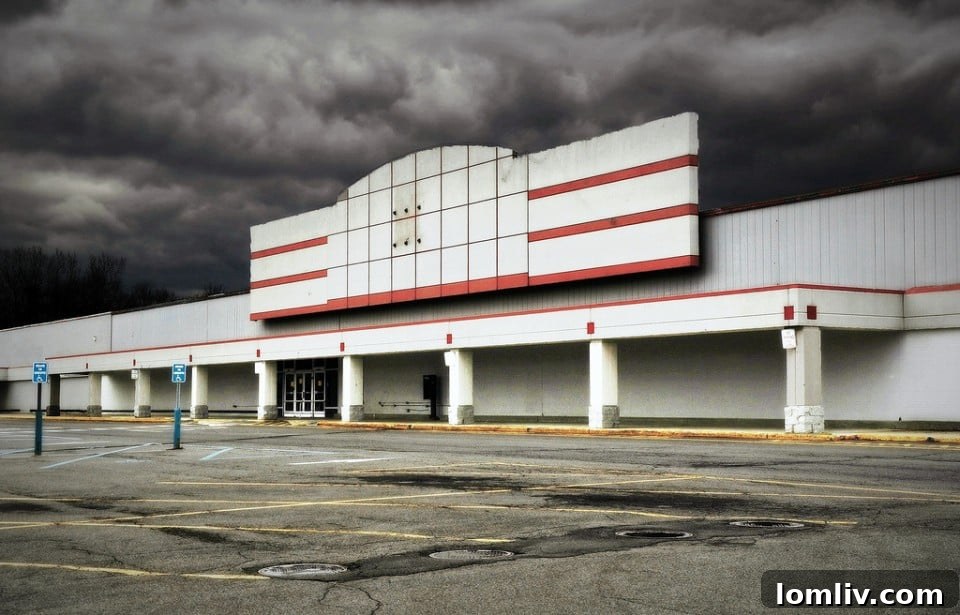
Rather than continuing to sprawl outwards, consuming valuable greenfield sites, DFW has an abundance of existing infrastructure and land within its urban core that can be revitalized. Redeveloping blighted commercial zones into vibrant mixed-use communities not only addresses housing shortages but also reduces urban decay, enhances property values, and promotes more sustainable growth patterns. This approach can transform liabilities into assets, ensuring that we, as humans, don’t follow the pattern Agent Smith warned against, but instead cultivate a more harmonious and sustainable urban environment.
Optimizing Space: Go Small… Not Tiny
The “Tiny House Movement” has captured popular imagination, showcasing minimalist living in homes as small as 300 square feet. While the aesthetic can be charming, and the concept of downsizing appealing, the long-term sustainability and practicality of truly “tiny” homes for widespread family living remain questionable. Living happily ever after in a home the size of a recreational vehicle might prove challenging for many, leading to high rates of disillusionment within five to ten years.
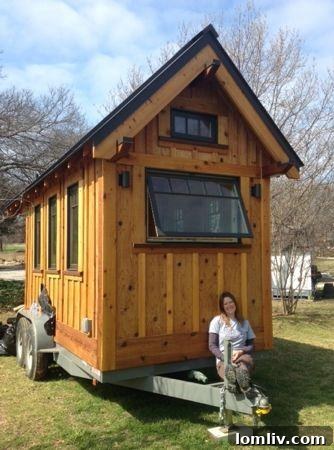
However, the movement offers valuable insights for addressing the North Texas housing crisis. The primary lesson is a fundamental realization: we often don’t need excessively large living spaces. Many individuals and families can thrive in smaller, well-designed homes that are still packed with modern amenities and intelligent storage solutions. The growing appreciation for the benefits of downsizing – less clutter, lower utility bills, reduced maintenance, and a smaller environmental footprint – can significantly influence the demand for more appropriately sized housing.
A crucial solution for affordability in North Texas would be the development of quality homes under 1,000 square feet. Imagine a scenario where builders could consistently deliver attractive homes ranging from 700 to 1,000 square feet for under $250,000. Such a product line would undoubtedly be met with enthusiastic demand. Target demographics, such as young professionals, single-person households, and empty-nesters, often do not require expansive layouts with three bedrooms, two bathrooms, a dedicated study, and 1,500+ square feet of living space. It’s not always necessary to have a private master bathroom, a guest bedroom, an attached two-car garage, or a formal dining area.
What we desperately need from builders is creativity and innovation in floor plans, material selection, and construction techniques. The goal should be to provide high-quality, efficient smaller homes that eliminate wasted space and unnecessary added costs. The “tiny house era” has taught us that often, more space simply leads to acquiring more “stuff.” By embracing “right-sizing,” where homes are tailored to actual needs rather than inflated expectations, we can unlock significant affordability gains and cater to a broader segment of the North Texas population.
Driving Policy Reform: Shake Up City Hall for Progressive Solutions
Perhaps the most formidable obstacle to creating innovative and affordable housing solutions in North Texas is the entrenched bureaucracy and resistance to change within local government. Stubborn municipalities, burdened by antiquated zoning laws, restrictive building codes, excessive impact fees, and outdated mandates, are stifling progressive development. These policies actively prevent increased urban density and hinder efforts to keep home prices affordable.

This is a direct call to action for DFW mayors, city councils, zoning boards, and all municipal decision-makers: it’s time to prioritize the housing needs of your constituents over maintaining the status quo. The current inaction and resistance to modern urban planning principles are unacceptable. Being overly concerned with job security and political positions at the expense of progressive, innovative solutions for affordable housing is a disservice to the community. You are on notice: either actively engage with change and embrace new ways of thinking about urban development, or step aside to allow others to lead the charge.
Reforming zoning laws to permit higher density, streamlining the permit process, reducing excessive impact fees, and encouraging diverse housing types (like accessory dwelling units, duplexes, and multi-family units in historically single-family zones) are critical steps. Such reforms would not only reduce development costs but also stimulate a more diverse and affordable housing supply. Collaboration between city officials, developers, and community stakeholders is essential to identify and dismantle these systemic barriers, paving the way for a more accessible housing market in North Texas.
Integrating Public Transit for Sustainable Communities
For any new affordable housing developments to be truly successful and sustainable, they must be inextricably linked to high-quality public transit infrastructure. Building new communities in car-dependent areas without robust transportation options is a recipe for failure, perpetuating traffic congestion, increasing household expenses, and limiting accessibility. These new affordable communities are intended to serve a diverse population – including Millennials seeking urban lifestyles, young families desiring alternatives to distant suburbs, and empty-nesters looking to downsize and reduce their reliance on private vehicles. Not everyone will own a car, and many will prefer the convenience and environmental benefits of public transportation.
Proximity to reliable public transit – whether it’s light rail, commuter trains, or efficient bus networks – enhances the appeal and functionality of affordable housing. It provides residents with access to employment centers, educational institutions, healthcare facilities, shopping, and entertainment, all without the financial burden of car ownership. Integrating housing with transit infrastructure also promotes sustainable urban growth, reduces carbon emissions, and fosters healthier, more walkable communities. City planners and developers must collaborate to ensure that future affordable housing initiatives are strategically located along existing or planned transit corridors, making public transit an integral component of North Texas’s housing solution.
Charting a Course: Where to Begin with Solutions
Revolutionizing the affordable housing market is undeniably a daunting undertaking, fraught with challenges and requiring immense political will and innovative thinking. So, where do we start? The good news is that numerous forward-thinking companies are already pioneering solutions that North Texas can adapt and scale:
- Blokable: Imagine home building as a sophisticated version of Lego – modular, stackable, and highly efficient.
- Kasita: While leaning towards the tiny home concept, their work in Austin showcases exciting potential for compact, intelligently designed living spaces.
- ExpressModular: Offering incredibly stylish and diverse designs, these homes represent a fraction of the cost of traditional site-built construction without compromising quality or aesthetics.
While the task before us is immense, it is unequivocally necessary. The common pushback from developers and builders – “It’s too hard dealing with City Hall,” “No one is going to lead this initiative,” “It’s easier doing the status quo” – is precisely what prevents progress. However, there are signs that change is already underway. The acquisition of Oakwood Homes, Colorado’s largest privately held home builder, and its 18,000 homesites by Berkshire Hathaway’s Clayton Homes, a leader in manufactured and modular housing, signals a growing mainstream acceptance and investment in modular construction. The modular home construction revolution is truly beginning.
We need an ambitious, visionary developer in the DFW area to seize this opportunity. Imagine a groundbreaking development featuring minimal yard sizes, a large, well-maintained neighborhood park, and homes ranging from 700 to 1,500 square feet, designed with innovative floor plans and high-quality, sustainable materials, perhaps without attached garages to optimize space and cost. The key is to increase density thoughtfully, creating a vibrant, community-oriented environment rather than just another apartment complex. Such a development would prioritize access to robust public transit, integrated walking trails, local shops, diverse entertainment options, and other points of interest, making it an attractive destination for a broad spectrum of residents. By demonstrating the feasibility and desirability of such a model, this development could serve as a powerful blueprint for future affordable housing projects in North Texas.
Can this vision be realized? Perhaps. The challenges are real; affordable homes inevitably increase in value over time, potentially becoming unaffordable for new market entrants. However, the critical first step is to create a supply of genuinely affordable, quality housing now. At the very least, this critical discussion needs to continue, evolve, and translate into concrete action. Your thoughts and ideas are invaluable as we collectively seek to resolve this pressing issue.
That’s all from Tarrant County this week, Dirty Readers. Remember, if you have comments, questions, or ideas for future stories – I’m always here to listen! Bring it.
Seth Fowler is a licensed real estate sales professional with Williams Trew Real Estate in Fort Worth. Statements and opinions are his own. Seth has been involved in the home sales and real estate business in DFW since 2004. He and his family have lived in the Fort Worth area for over 14 years. Also, Seth loves bow ties. You can reach Seth at 817.980.6636 or [email protected].