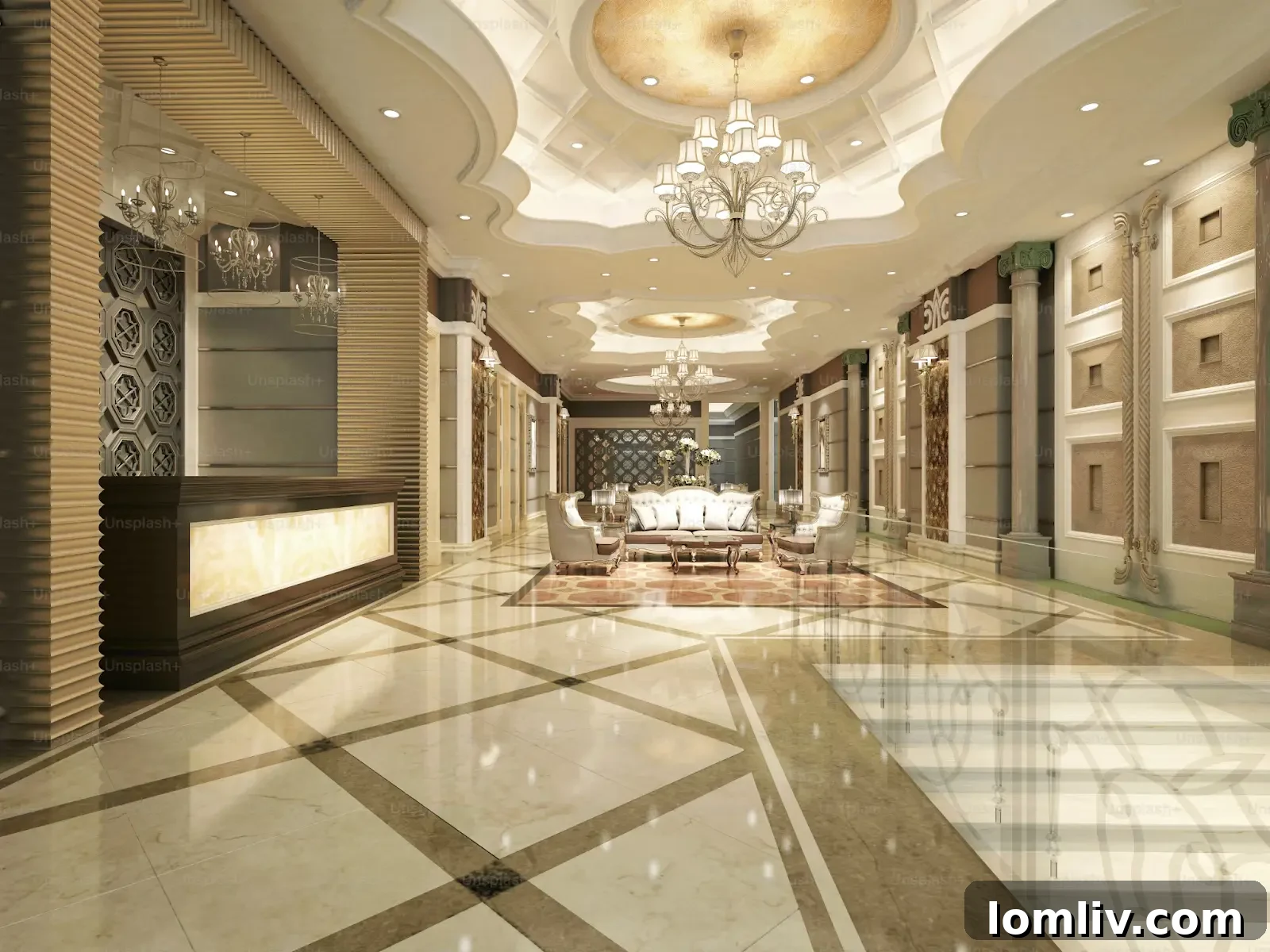
The artful integration of furniture from diverse historical periods, once perceived as a simple economic necessity, has today blossomed into one of the most sophisticated and compelling approaches in contemporary interior design. This meticulously curated eclecticism, when executed with thought and precision, transcends mere decoration, fostering spaces brimming with depth, individual personality, and a compelling narrative. Such environments possess a unique character that purely matched furniture collections simply cannot replicate. The harmonious interplay between cherished vintage treasures and sleek, modern pieces delivers an unparalleled blend of historical charm and cutting-edge functionality—a coveted balance increasingly sought by discerning homeowners who desire spaces that feel both established and refreshingly current.
Mastering the Art of Blending: Core Principles for Eclectic Interiors
Creating a truly cohesive and inviting eclectic space requires a nuanced understanding of design principles. It’s not about random accumulation, but intentional curation that weaves together disparate elements into a unified whole. This approach celebrates individuality while ensuring visual harmony.
The Unifying Element Strategy: Forging Visual Cohesion
Successful mix-and-match interiors are always anchored by unifying elements. These threads of commonality subtly connect visually diverse pieces, guiding the eye and creating a sense of effortless cohesion. Consider these key strategies:
- Consistent Color Palette: Employing a carefully selected color scheme, perhaps focusing on a dominant neutral with strategic accent hues, can effortlessly bridge the gap between furniture from different eras. A consistent use of specific fabric tones or wood finishes instantly creates a visual language that speaks across time.
- Repeated Materials: The strategic reappearance of certain materials—be it natural wood, polished metal, plush velvet, or distressed leather—across various pieces, regardless of their origin, fosters a powerful sense of unity. Imagine a mid-century modern credenza and an antique side table both featuring subtle brass accents.
- Similar Proportional Relationships: Despite their varied origins, pieces can share similar scale or proportional balance. For example, a sleek contemporary sofa and a traditional armchair can feel harmonious if their seat heights or overall visual weight are thoughtfully considered and aligned.
- Textural Themes: A deliberate blend of textures can be a powerful unifier. Contrasting smooth, contemporary surfaces with the rich, tactile quality of vintage fabrics or aged wood creates a sensory experience that binds the room together. Think rough linen paired with polished chrome, or a chunky knit throw draped over a minimalist chair.
- Intentional Shape Echoing: Subtle repetition of geometric or organic forms can create a subconscious connection. The curve of an Art Deco console might be mirrored in the arch of a modern floor lamp, establishing an elegant visual rhythm.
In my experience collaborating with clients who possess cherished collections, rooms that masterfully blend furniture from multiple periods almost invariably leverage at least two strong unifying elements—most often color and proportion. This allows the observer’s eye to first register a comforting sense of cohesion before appreciating the unique character of each individual piece. For instance, a recent living room project successfully paired a clean-lined contemporary sectional with an ornate French Provincial commode. Their unity stemmed from a shared undertone in their material finishes and a complementary verticality that allowed them to converse elegantly despite centuries separating their styles.
The 80/20 Style Distribution: Achieving Balanced Eclecticism
To prevent a space from feeling chaotic or disjointed, balanced eclecticism typically adheres to a dominant-with-accents approach. This strategic distribution ensures a grounded aesthetic while allowing for spirited personality:
- Establishing a Primary Style: Designate one core style, representing approximately 80% of the visible furniture and overall aesthetic. This dominant style provides a foundational anchor for the room’s character.
- Introducing Complementary Accents: Integrate pieces from different eras or styles for the remaining 20%. These carefully selected accents inject personality and depth without overwhelming the primary theme.
- Allowing Statement Pieces: Leverage non-dominant style elements as powerful focal points. An antique armoire in a predominantly modern room, for instance, can command attention and tell a story.
- Creating Intentional Tension: Thoughtful juxtaposition of old and new, or sleek and ornate, can generate a dynamic visual tension that makes a space far more engaging than a monochromatically styled room. This tension is deliberate, not accidental.
- Maintaining Clear Design Intention: Every piece should feel intentionally placed, contributing to a cohesive vision rather than suggesting a random accumulation. This conscious curation elevates the space from cluttered to artfully collected.
This calculated 80/20 approach skillfully avoids the visual dissonance that can arise from an equal representation of multiple styles. Instead, it delivers the rich, layered depth that comes from thoughtful and deliberate combination, making the space feel both sophisticated and uniquely personalized.
Strategic Combination Techniques: Weaving Narratives in Design
Beyond broad principles, specific techniques allow designers to expertly blend furniture, creating compelling stories within each room.
The Common Thread Method: Emphasizing Shared Characteristics
This technique focuses on identifying and amplifying inherent shared characteristics that exist across different design periods, enabling a seamless integration of diverse pieces:
- Mid-Century and Contemporary Pieces: These often share a profound connection through their emphasis on clean lines, functional forms, and minimalist aesthetics. Pairing a streamlined Scandinavian sideboard with a modern abstract painting feels inherently natural.
- Traditional and Transitional Styles: Many traditional and transitional pieces are united by similar wood tones, classic silhouettes, or enduring craftsmanship. A Georgian-style dining table can beautifully complement upholstered chairs with subtly updated lines.
- Formal Antiques and Modern Interpretations: The grandeur of formal antiques can be softened and updated when linked by proportional relationships to modern designs. A tall, elegant antique mirror might visually extend the height of a contemporary console.
- Rustic Elements: Rustic pieces, defined by their raw materials and honest construction, can bridge significant period differences. A reclaimed wood coffee table can ground a room featuring both vintage industrial lamps and sleek contemporary seating.
- Industrial and Traditional Pieces: Material honesty often connects these seemingly disparate styles. Exposed metal from an industrial console can find an echo in the raw ironwork of a traditional chandelier, creating an unexpected but pleasing dialogue.
Case studies consistently demonstrate that this approach is particularly effective in open-concept living spaces, where a smooth visual flow between distinct areas is paramount to the overall experience. By highlighting these common threads, a subtle yet powerful sense of continuity emerges, allowing individual pieces to retain their distinctive character while contributing to a unified design narrative.
The Intentional Contrast Approach: Embracing Dynamic Juxtaposition
In contrast to finding commonality, this method deliberately emphasizes differences, creating a dynamic interplay while maintaining a balanced and visually captivating composition:
- Geometric Simplicity with Ornate Detail: Pairing the clean, minimalist lines of contemporary furniture with the intricate carvings and elaborate forms of genuine antiques creates a striking visual conversation. A sleek modern armchair placed beside a highly detailed Rococo cabinet is a classic example.
- Light and Floating with Visually Heavy: Juxtaposing light, ethereal modern furniture, perhaps crafted from glass or acrylic, with the visually weighty presence of traditional, solid wood pieces adds intriguing tension. A robust, antique oak table can be beautifully balanced by delicate, translucent modern dining chairs.
- Richly Patterned with Minimalist Designs: Combining the vibrant patterns and textures of vintage rugs or upholstery with the understated elegance of current, minimal designs can elevate both elements. A boldly patterned kilim rug provides a grounding warmth for a simple, neutral-toned sofa.
- Matte and Glossy Finishes: Contrasting finishes across different eras introduces a tactile and visual richness. The soft, absorbent quality of a matte-finished antique wooden chest can be wonderfully offset by the reflective sheen of a contemporary lacquered side table.
- Organic Handcrafted Elements with Precise Forms: Setting the fluid, imperfect beauty of organic, handcrafted furniture against the precise, often machine-made forms of modern designs creates a compelling textural and aesthetic dialogue. A hand-blown glass vase on a perfectly geometric concrete console illustrates this beautifully.
Have you ever noticed how the most memorable and inspiring rooms often feature at least one element that deliberately breaks from an expected pattern? This intentional disruption, when executed with confidence and a clear vision, transforms spaces from merely coordinated to genuinely interesting. It creates a vibrant visual energy and a sense of discovery that rooms furnished with purely matched sets often lack, inviting the eye to linger and explore.
Application Across Different Spaces: Tailored Eclectic Design
The principles of mixing furniture styles can be applied with stunning effect throughout the home, each space offering unique opportunities for creative expression.
Living Areas: Cultivating a Conversation Between Eras
Living rooms, as the heart of social interaction, offer prime opportunities for a meaningful dialogue between furniture from different periods, creating spaces that feel both welcoming and rich with history:
- Anchor Seating with Vintage Accents: Ground the main seating, such as a large sectional or sofa, in contemporary forms for comfort and accessibility. Then, introduce character with vintage occasional tables, accent chairs, or a repurposed antique chest as a coffee table.
- Modern Lighting Illuminating Traditional Features: Use sleek, modern lighting fixtures to highlight and bring a fresh perspective to traditional architectural details like crown molding, a carved fireplace, or a classic built-in bookshelf.
- Historic Case Pieces Housing Current Technology: Repurpose antique armoires or grand consoles to cleverly conceal and house modern televisions, sound systems, or media components, blending functionality with heritage.
- Antique Decorative Elements on Clean-Lined Surfaces: Display cherished antique decorative items, such as ornate vases, classic sculptures, or intricate boxes, on simple, clean-lined modern shelves or sideboards to elevate their presence.
- Contemporary Art with Traditional Furniture: The bold strokes and abstract forms of contemporary art can create a dynamic tension when hung above or alongside traditional furniture, injecting a modern edge and unexpected contrast.
A recent project beautifully integrated a client’s inherited Chippendale chest alongside their minimalist Italian sofa. Rather than trying to force a match, both pieces were treated as sculptural elements within a neutral, serene envelope. The result was a space that felt intentionally curated, not compromised, with each piece elevating the other through thoughtful contrast, telling a story of generational style and modern living.
Dining Spaces: Breaking Free from the Suite Mentality
Dining areas, traditionally confined to matching suites, particularly benefit from a liberated, mix-and-match approach. This allows for greater flexibility, personality, and often, enhanced comfort:
- Host Chairs in Different Styles from Side Seating: Introduce variety by selecting distinct styles for the host chairs at the heads of the table compared to the side chairs. This creates visual interest and often allows for more comfortable or statement seating at the ends.
- Antique Tables Paired with Contemporary Seating: A grand antique dining table, with its rich history and craftsmanship, can be dramatically updated and made relevant by pairing it with a set of sleek, comfortable contemporary dining chairs. This combination offers both gravitas and modern appeal.
- Vintage Buffets or Sideboards: Complement a modern dining table with a vintage buffet or sideboard. Its unique character, patina, and storage capabilities add warmth and a touch of the past without making the room feel dated.
- Traditional Chandeliers with Contemporary Styling: Update a classic or traditional chandelier with modern LED bulbs or a minimalist suspension system. This simple tweak can transform a heritage piece into a fresh focal point.
- Modern Serving Pieces in Antique China Cabinets: Display contemporary servingware, colorful ceramic collections, or minimalist glassware within an antique china cabinet. This juxtaposes the new with the old, breathing new life into a traditional piece.
The dining room stands as one of the most significant transformations in modern design thinking, evolving dramatically from rigidly matched furniture suites to intentionally assembled collections. These curated ensembles tell far more interesting stories, reflecting the owners’ journey and diverse tastes, making every meal a more engaging experience.
Bedroom Design with Wardrobe: Balancing Function and Character for a Personal Sanctuary
Bedroom spaces demand a careful balance, creating a serene environment conducive to rest while simultaneously reflecting personal expression and character. The integration of bedroom design with wardrobe elements offers a unique opportunity for this blend:
- Contemporary Beds with Vintage Nightstands: A modern, comfortable bed frame provides the foundational element for sleep. Pair it with vintage nightstands, perhaps antique wooden chests or mid-century modular units, to introduce warmth, history, and a touch of the unexpected.
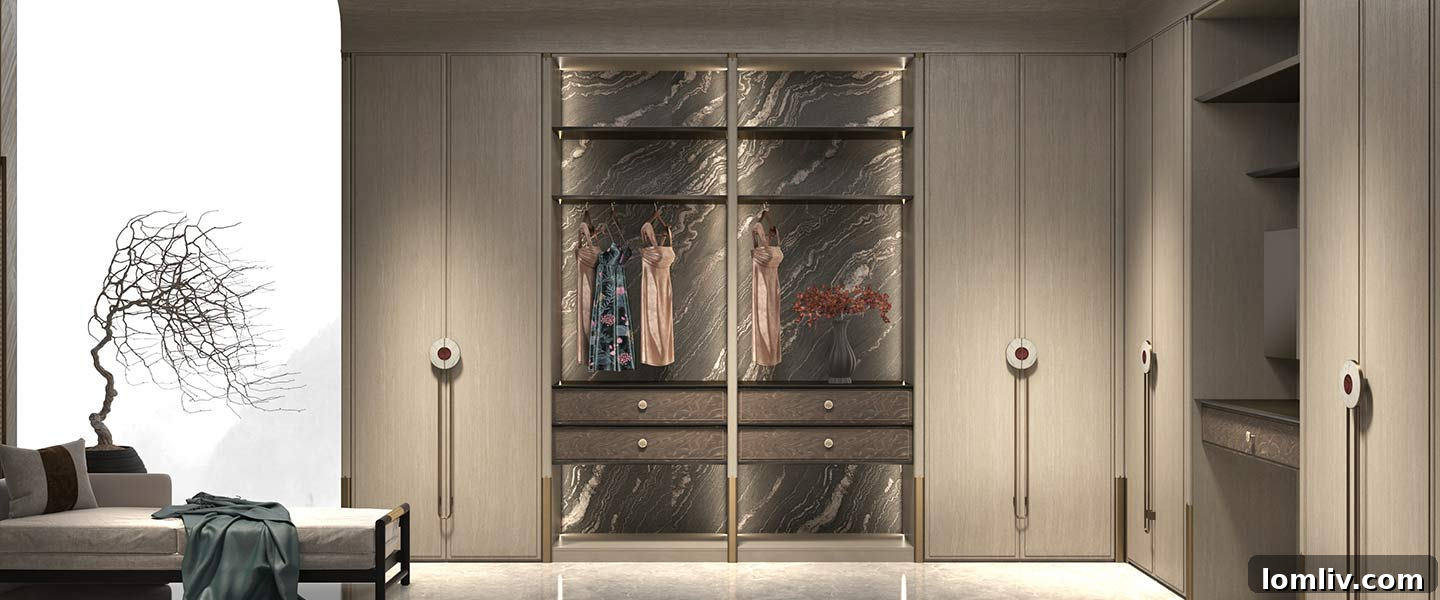
- Modern Wardrobes Complementing Traditional Details: Sleek, built-in modern wardrobes offer efficient storage and a clean aesthetic. When placed within a room featuring traditional architectural details like plasterwork or classic window frames, they create a beautiful contrast that enhances both elements.
- Antique Seating or Occasional Pieces: Introduce an antique armchair, a carved vanity, or a small vintage writing desk into a clean-lined sleep space. These pieces add a layer of personal history and a comfortable spot for reading or reflection without cluttering the restful atmosphere.
- Heritage Chests or Dressers with Current Lighting: A cherished heritage chest or dresser can serve as a functional and beautiful storage piece. Update its surroundings with contemporary lighting – a sculptural table lamp or minimalist pendant – to illuminate its character in a fresh way.
- Vintage Decorative Elements Against Neutral Backdrops: Display vintage decorative elements such as antique mirrors, framed botanical prints, or unique ceramic pieces against a neutral, contemporary wall color or minimalist headboard. This allows the individual beauty of each item to stand out.
I recently oversaw a bedroom design with wardrobe solutions that elegantly spanned three distinct eras: a contemporary platform bed provided the modern anchor, a mid-century dresser offered timeless storage, and a beautifully restored antique armoire served as a grand closet alternative. These diverse pieces were harmoniously united through consistent wood tones and complementary hardware finishes. The client later shared that the space feels deeply personal and perfectly cohesive, precisely because of these thoughtfully considered combinations, creating a true sanctuary.
Sourcing Strategies for Eclectic Design: The Hunt for Unique Treasures
The magic of eclectic design often lies in the journey of discovering unique pieces. Diverse sourcing strategies are key to building a collection that tells a story.
The Global Hunt Approach: Curating a Worldly Aesthetic
Truly distinctive eclectic spaces benefit immensely from a diverse sourcing strategy, venturing beyond conventional retail. This global hunt enriches the narrative of a home:
- Estate Sales and Auctions: These are treasure troves for authentic period pieces, offering items with genuine patina and history that cannot be replicated. Success here often comes from patient searching and a clear vision.
- Mainstream Retailers for Contemporary Foundations: Modern furniture stores are excellent for acquiring clean-lined, comfortable anchor pieces such as sofas, beds, or basic storage units that serve as the contemporary canvas for your eclectic vision.
- Specialty Manufacturers for Transitional Interpretations: Seek out manufacturers who specialize in transitional styles, which often blend elements of traditional and contemporary design. These pieces can be excellent bridges between different eras.
- International Markets for Distinctive Cultural Influences: Traveling or exploring import stores can yield unique finds with distinctive cultural influences, adding layers of global perspective and rich texture to a space.
- Trade-Only Resources for Unique Designer Pieces: For those with professional access, trade showrooms offer access to exclusive, designer-quality pieces that can act as exquisite focal points and conversation starters.
Events like the China Furniture Fair have emerged as particularly valuable resources for both professional designers and savvy consumers. These expos provide an unparalleled opportunity to discover a vast array of both cutting-edge contemporary pieces and high-quality reproductions of historical styles. They offer exceptional craftsmanship and diverse design options, often at price points that facilitate more adventurous and layered combinations than solely relying on Western manufacturers, thereby making sophisticated eclectic design more accessible.
The High-Low Integration: Smart Investment in Style
Successful eclectic spaces frequently incorporate a varying range of investment levels. This strategic blend is not just about budget, but about creating depth and authenticity:
- Anchor Pieces as Significant Investments: Allocate a larger portion of the budget to anchor pieces like a high-quality sofa, a custom dining table, or a statement art piece. These are often the foundation of the room and are chosen for their longevity and design integrity.
- Supporting Elements at Accessible Price Points: Balance investments by selecting supporting elements such as accent tables, smaller rugs, or decorative accessories from more accessible price points. These can be updated more frequently without significant financial commitment.
- Vintage Finds Valued for Character: Embrace vintage and antique finds not just for their cost-effectiveness but for the unique character, story, and patina they bring. Their imperfections often add charm that new pieces lack.
- DIY or Customized Pieces: Incorporate DIY projects or customized pieces, whether it’s a refurbished piece of furniture or a personalized art creation. These items infuse the space with deeply personal significance and one-of-a-kind appeal.
- Strategic Splurges on High-Impact Items: Don’t shy away from strategic splurges on items that offer maximum visual impact—perhaps an extraordinary light fixture, a hand-knotted rug, or a striking piece of sculptural furniture that ties the entire room together.
This high-low approach not only addresses practical budget considerations but also fosters the creation of more authentic, evolved, and layered spaces. Such rooms possess a natural lived-in quality and a sense of history that is often absent in environments furnished entirely at a single, uniform price point.
Common Pitfalls to Avoid: Navigating the Challenges of Eclectic Design
While eclectic design offers immense creative freedom, it also presents specific challenges. Being aware of common pitfalls is crucial for successful execution.
The Balance Breakdown: Preserving Visual Harmony
Unsuccessful mixing often stems from fundamental issues of proportion and balance, leading to a visually jarring or overwhelming environment:
- Scale Inconsistencies: Mismatched scales, where a tiny accent table is dwarfed by a massive sofa, or vice versa, create visual disruption and make a room feel unanchored.
- Overcrowding with Too Many Statement Pieces: When every piece vies for attention, the result is visual noise. A room needs heroes and supporting characters, not an entire cast of lead roles.
- Insufficient Negative Space: A lack of empty space, or “breathing room,” prevents the eye from appreciating individual distinctive elements. Every item needs space around it to be seen and admired.
- Competing Focal Points: Multiple strong focal points without a clear hierarchy can create visual confusion, making the room feel busy and disorienting. A single, well-defined focal point helps ground the space.
- Lack of Intentional Curation: When pieces appear to be randomly accumulated without a clear design intention, the space loses its sophistication and can resemble a jumbled collection rather than a thoughtfully designed interior.
In my experience renovating homes with accumulated furnishings, the process of editing often proves more important than adding new pieces. Removing items that compete unnecessarily for attention allows the truly intentional combinations to shine, revealing the inherent beauty and dialogue between chosen elements.
The Theme Collapse: Ensuring Cohesion Over Chaos
Another common pitfall in eclectic design is the collapse of an overarching theme, leading to a space that feels chaotic rather than cohesive:
- Too Many Divergent Styles: Introducing too many disparate styles without clear connecting elements can result in a fragmented look, where no single aesthetic feels grounded.
- Jarring Color Transitions: Abrupt and incompatible color transitions between different pieces or areas can create visual discord, making the space feel disjointed and uninviting.
- Incompatible Material Palettes: Mixing materials that fundamentally clash—like overly rustic wood with ultra-modern plastic, without a unifying bridge—can create an uncomfortable visual disconnect.
- Stylistic Combinations Without Meaningful Dialogue: Simply placing items from different eras together without considering how they interact or “converse” stylistically leads to a lack of depth and purpose.
- Lacking Intentional Curation: A haphazard approach to selection and placement suggests happenstance rather than deliberate design. The absence of a curatorial vision results in a mismatched rather than a beautifully blended space.
The crucial distinction between a thoughtfully eclectic room and one that is simply mismatched often lies in the presence of a clear curatorial vision. This consistent, guiding thread allows diverse elements to engage in a meaningful dialogue, complementing and enriching one another, rather than competing for attention or creating visual disharmony.
The Evolving Approach: A Timeless Design Philosophy
The practice of mix-and-match design is far from static; it continues to evolve as new aesthetic movements emerge and historical pieces are discovered in fresh, contemporary contexts. The most accomplished practitioners approach this method not as a fleeting trend, but as a fundamental and enduring design philosophy. This philosophy profoundly values authentic character, celebrates personal narratives, and embraces the natural, organic evolution of living spaces over time.
Consider the choice: would you rather inhabit a perfectly preserved, yet sterile, period room, or a thoughtfully evolved space that eloquently tells the story of those who have lived within its walls? The answer to this question often illuminates our true, deeply personal relationship with the objects that furnish our lives. It compellingly explains why the deliberate and artful blending of furniture from different eras continues to resonate so profoundly with those who seek to create homes that feel both exquisitely designed and genuinely, authentically lived in—spaces that truly echo the soul of their inhabitants.