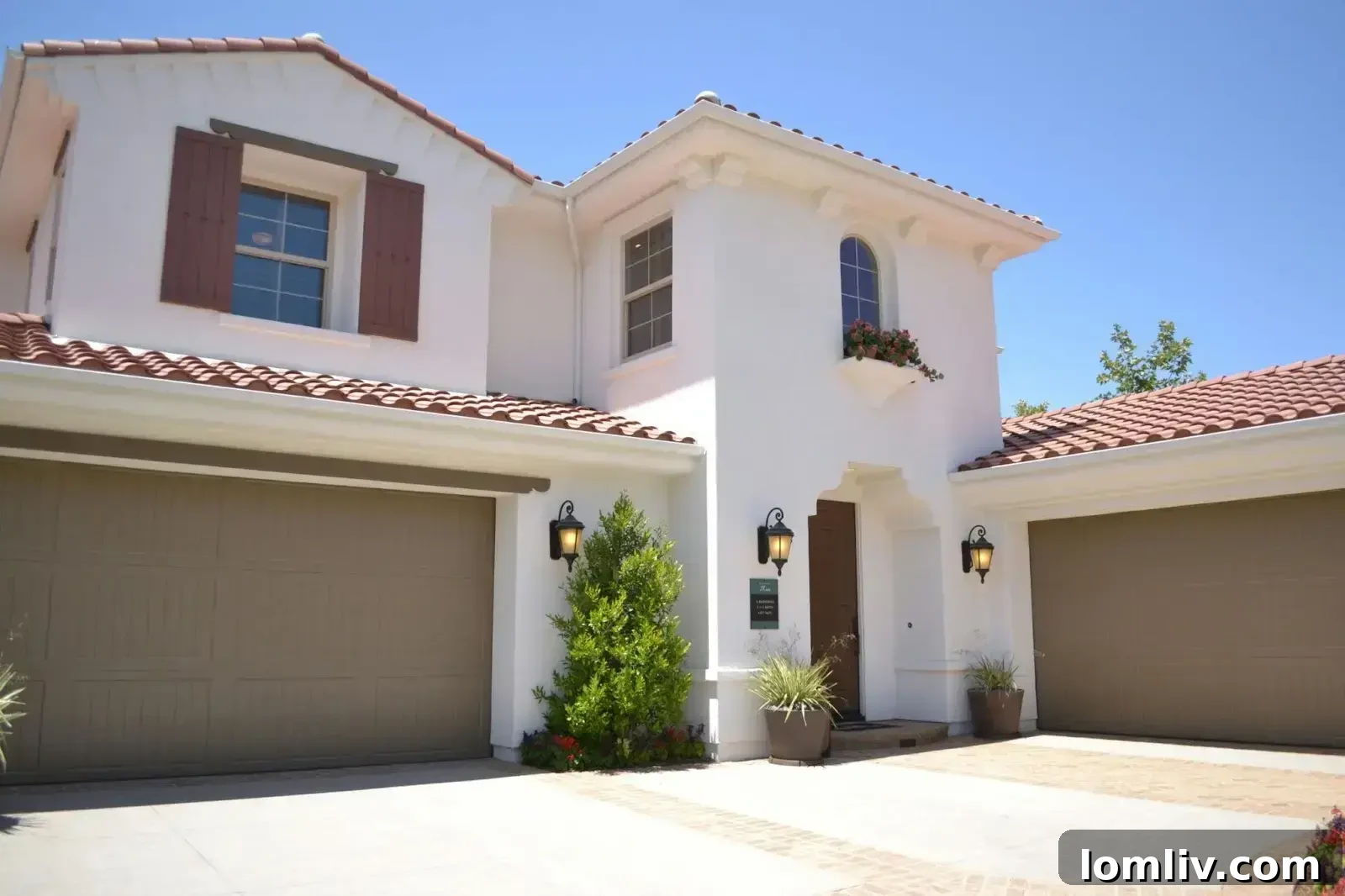
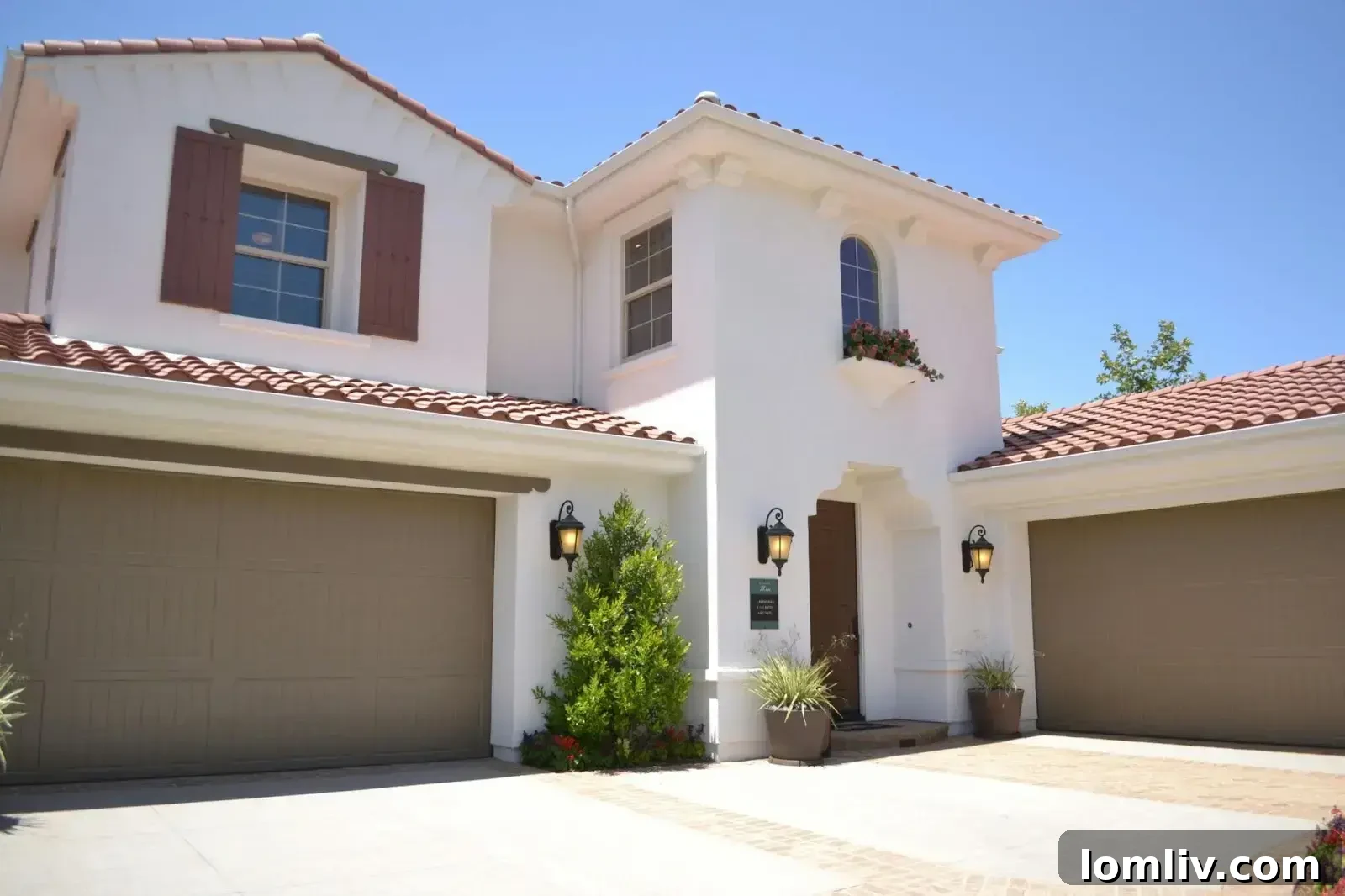
In the evolving landscape of modern homes, the garage has transcended its traditional role as a mere parking spot. What was once a simple shelter for vehicles has now become a multifaceted space, offering immense utility, enhanced security, and significant potential for property value appreciation. From providing essential protection for your automobiles against harsh weather and theft, to serving as a crucial buffer against external noise, and even functioning as a versatile area for various household activities, a garage stands as a cornerstone of contemporary living. Yet, in the competitive world of real estate, understanding the true impact and comprehensive value of a garage is paramount for both homeowners and prospective buyers.
The decision to include or enhance a garage in a house can profoundly influence its overall market value and eventual selling price. An attached or detached garage undeniably adds a layer of convenience and comfort for residents, translating directly into increased property appeal and value. However, when faced with the design or remodeling stages of a construction project, homeowners often grapple with whether investing in such an endeavor is truly worthwhile. This detailed guide aims to thoroughly explore the myriad advantages and potential disadvantages associated with adding a garage, providing you with a clear perspective to make an informed investment decision for your property.
Compelling Benefits of Adding a Garage to Your Home
Integrating a garage into your property offers a wealth of advantages that extend far beyond simple vehicle storage. These benefits can significantly enhance your lifestyle and the long-term value of your home.
1. Substantial Increase in Property Value and Market Appeal
One of the most compelling reasons to add a garage is its direct impact on your property’s market value. A well-designed and functional garage can substantially appreciate the worth of your home, making it a highly attractive feature for potential buyers. This is particularly true in suburban areas where car ownership is prevalent, and in regions experiencing diverse or cold climates, where protection from elements like snow, ice, hail, and extreme heat is essential. Homes equipped with a garage often command higher prices and sell more quickly, as this feature is consistently ranked as a top priority for homebuyers.
Beyond vehicle protection, a garage offers invaluable additional space within the home, effectively resolving common domestic storage challenges. This versatile area can neatly house a wide array of household items, from seasonal decorations and gardening tools to bicycles, sports equipment, and workshop essentials. By providing a dedicated, organized space for these belongings, a garage helps to declutter your main living areas, making your home feel more spacious and orderly. This enhanced organization and accessibility contribute significantly to the overall functionality and appeal of the property, further boosting its resale potential. A secure and well-maintained garage ensures that your valuables are not only protected from the elements but also from theft, offering peace of mind and adding another layer of desirability for future owners.
2. Enhanced Curb Appeal and Modern Home Aesthetics
While the practical utility of a garage is undeniable, its contribution to your home’s aesthetic appeal cannot be overstated. A thoughtfully designed garage, especially with modern and sleek door designs, can dramatically elevate your home’s curb appeal, presenting a polished and sophisticated facade to the neighborhood. The garage door, being a prominent feature, acts as a significant architectural element that, when chosen wisely, can complement and enhance your home’s overall design language. Real estate professionals frequently emphasize that strong curb appeal is often the make-or-break factor in securing a favorable sale.
Furthermore, advancements in home automation have brought sophisticated smart garage technologies within reach. Homeowners can now equip their garages with smart doors that offer remote control via smartphone apps, providing unparalleled convenience and security. These high-tech solutions from providers like A1 Garage Door Service often include features such as real-time security alerts, automatic locking mechanisms, and the ability to monitor garage door activity from anywhere. Such intelligent integration not only enhances safety but also streamlines daily routines, allowing for secure package deliveries or granting access to trusted individuals remotely. For consistent performance and longevity, routine maintenance by experts, such as letting DFW Overhead Door Group maintain your garage door, ensures these advanced systems operate flawlessly, preserving both their functionality and visual appeal. These modern features are highly attractive to contemporary buyers seeking convenience, security, and smart home integration.
Potential Drawbacks and Important Considerations
While the benefits of adding a garage are compelling, a balanced perspective requires a careful examination of the potential drawbacks. Acknowledging these challenges is crucial for making a well-rounded and financially sound decision.
1. Significant Costs of Construction and Ongoing Maintenance
The numerous advantages that a garage brings inevitably come with a considerable financial investment. Developing a space that is not only ample enough to meet your storage needs but also attractive to potential buyers can be an expensive undertaking. For those operating within a stringent budget, the immediate financial outlay for adding a garage might not be feasible, making it essential to carefully assess your current financial situation before committing to such a project.
The total cost of constructing a garage can vary widely based on several factors, including its size, the materials chosen for construction, and its precise location on your property. Larger garages naturally incur higher construction costs, while material choices—such as brick, wood, or metal siding—each present different price points and aesthetic implications. Furthermore, if you plan to construct a detached garage in an outlying area of your property, you might face additional expenses for extensive excavation, grading, and the installation of a robust foundation. These foundational works are critical but can significantly inflate the initial project budget.
Beyond the initial construction, garages demand regular and ongoing maintenance to preserve their structural integrity, functionality, and appearance. This includes periodic cleaning, repainting or restaining, and timely repairs to the roof, walls, and the garage door mechanism itself. Neglecting these maintenance tasks can lead to more costly repairs down the line, ultimately adding to your long-term expenses. Moreover, the construction process itself can sometimes lead to environmental disruptions, such as the removal of trees or alterations to natural habitats, which might contribute to localized environmental concerns. It’s important to consider these factors and potentially explore eco-friendly construction practices or landscaping mitigation.
2. Adherence to Neighborhood Restrictions and Local Regulations
Before embarking on any garage addition project, it is absolutely essential to thoroughly research and understand the local zoning laws, building codes, and any neighborhood-specific restrictions. In many urban and suburban areas, such as cities like Dallas, homeowners may encounter restrictions concerning the size, architectural style, placement, and even the materials allowed for garages. These regulations are often put in place to maintain neighborhood aesthetics, ensure public safety, and manage property density.
Failing to comply with these rules can result in costly delays, fines, or even the requirement to alter or remove the completed structure. Therefore, consulting with your local zoning board, city planning department, or homeowner’s association (HOA) is a crucial preliminary step. They can provide detailed information regarding setback requirements (how far the structure must be from property lines), height limitations, design guidelines, and the necessary permits for your specific project. Proactive engagement with these authorities will help ensure your garage addition is compliant, avoiding potential legal or structural issues in the future.
3. Impact on Available Outdoor Space and Property Taxes
Adding a new garage, especially a detached one, often requires a significant footprint that can reduce your usable outdoor space. If you have a small lot, this could mean sacrificing valuable yard space that might otherwise be used for gardening, recreation, or outdoor living areas. Homeowners must weigh the benefits of additional enclosed space against the potential loss of open green areas, considering their lifestyle and priorities for outdoor activities.
Furthermore, adding a substantial structure like a garage typically increases the assessed value of your property. This increased assessment will, in turn, lead to higher annual property taxes. While a garage can boost resale value, it also means a higher recurring cost in property taxes, which should be factored into the long-term financial planning for the home. It’s wise to investigate how such an addition might impact your property tax bill with your local assessor’s office.
Making an Informed Decision: The Endnote
Adding a garage to your property represents a significant investment, offering a wealth of benefits ranging from enhanced vehicle protection and invaluable storage solutions to a substantial boost in property value and curb appeal. The integration of modern smart technologies further elevates the convenience, security, and overall appeal of your home, making it more desirable in a competitive market.
However, it is equally important to approach this decision with a comprehensive understanding of the potential drawbacks. The considerable initial construction costs, ongoing maintenance expenses, and the necessity of adhering to strict local zoning laws and neighborhood restrictions are critical factors that demand careful consideration. Before moving forward, take the time to thoroughly research, weigh the pros and cons specific to your property and financial situation, and perhaps consult with real estate professionals, architects, and contractors. By evaluating all aspects—financial, aesthetic, and regulatory—you can make an informed decision that aligns perfectly with your long-term property goals and enhances your home for years to come.