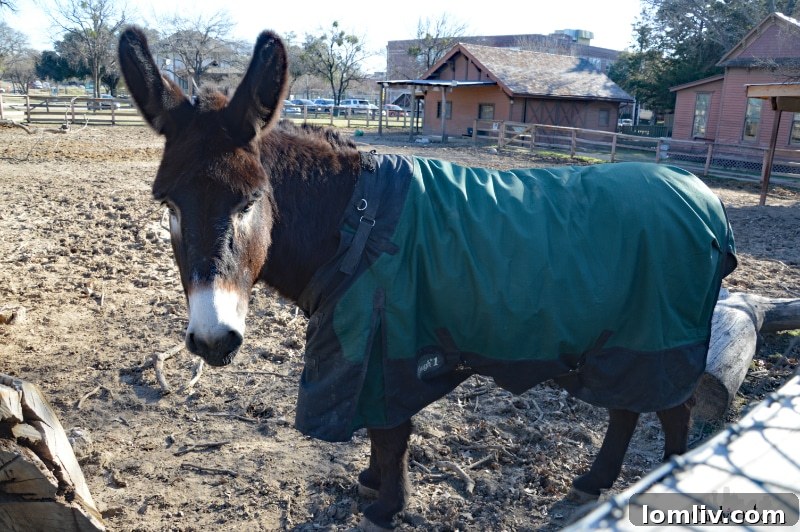
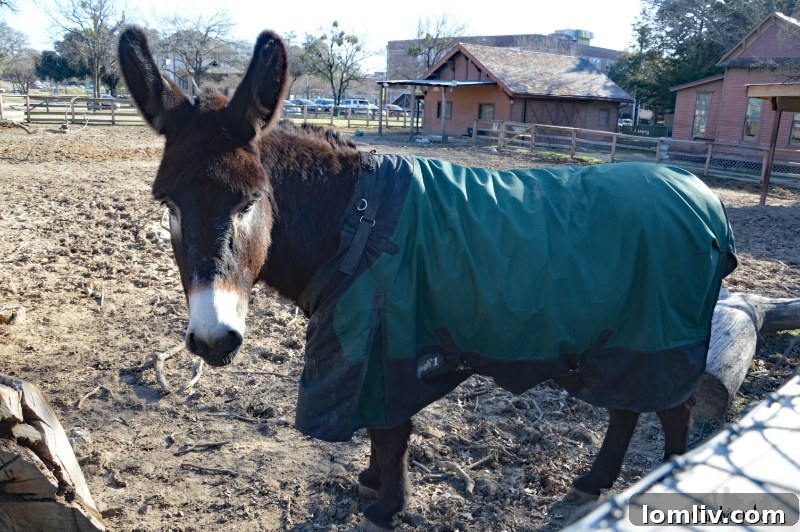
A recent social media ripple turned into a fervent wave of discussion regarding the beloved Old City Park, a historical gem nestled just south of downtown Dallas. The catalyst? An announcement concerning the departure of the park’s long-time resident donkeys, Waylon and Willie. This news ignited a robust online conversation, drawing over 30 comments, many of which expressed profound concern and even inflammatory remarks about potential demolition of historic buildings and fears of developers encroaching upon this cherished community space. Such passionate responses underscore the deep emotional connection Dallas residents have with Old City Park, viewing it not merely as a parcel of land but as a living repository of their city’s heritage.
In an age where social media platforms function as our modern-day town halls, these digital dialogues often signal underlying community anxieties and a critical need for transparent information. Recognizing the urgency of these concerns, it became imperative to delve deeper, cut through the speculation, and seek clarity regarding the future of Old City Park, its historical structures, and the fate of its unique cultural programming.
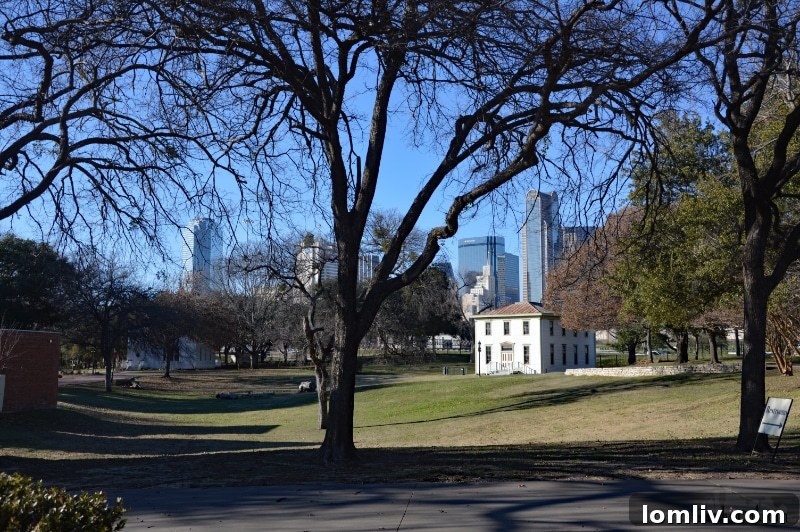
A Century and a Half of History: The Legacy of Old City Park, Dallas
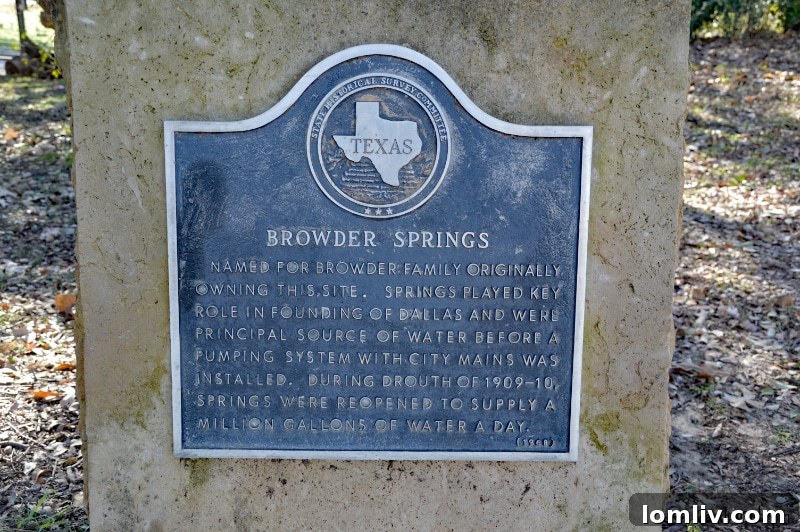
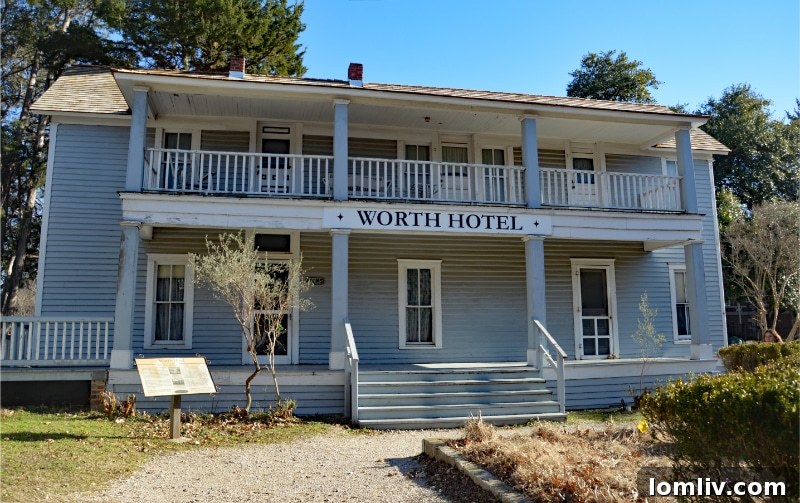
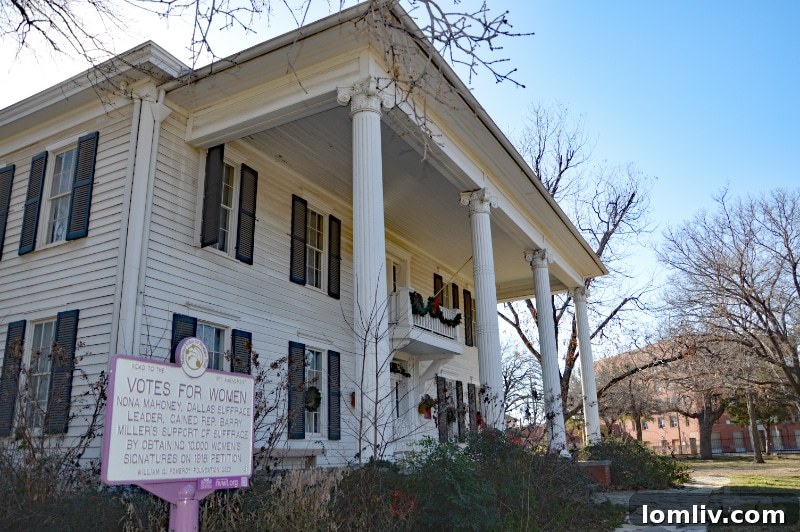
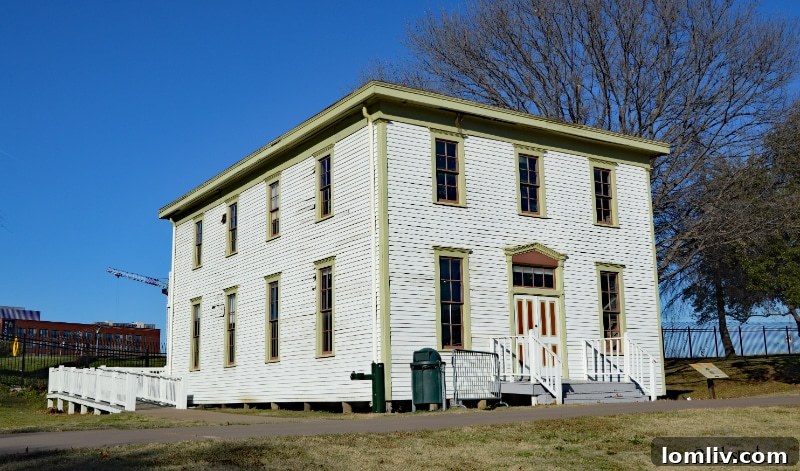
Old City Park, often affectionately known as Dallas Heritage Village, holds a distinctive and irreplaceable place in the urban fabric of Dallas. Established in 1876, it proudly claims the title of Dallas’s first city park, a pioneering green space that also housed the city’s inaugural public swimming pool and zoo. However, by the mid-20th century, this historic ground had fallen into disrepair. It took the unwavering dedication of a group of visionary Dallas women in 1966 to orchestrate its miraculous revival.
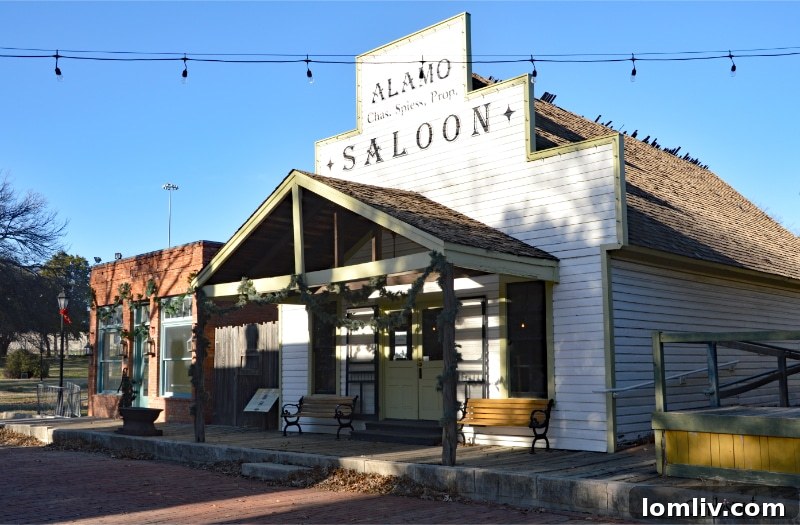
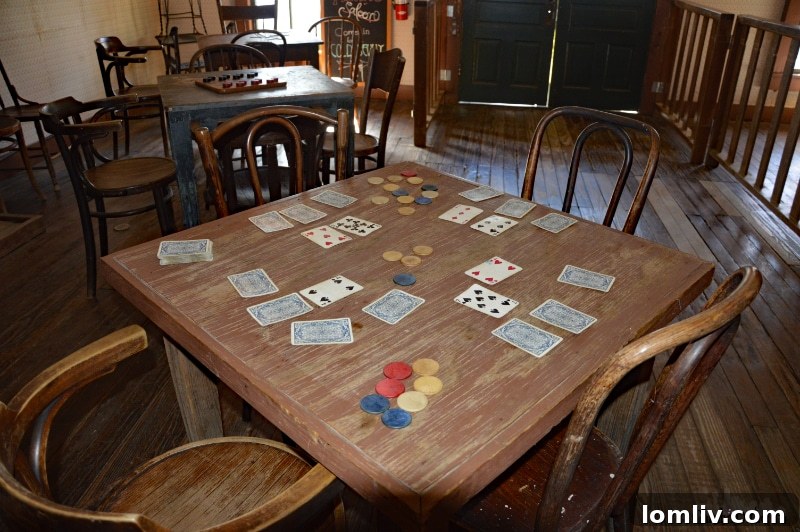
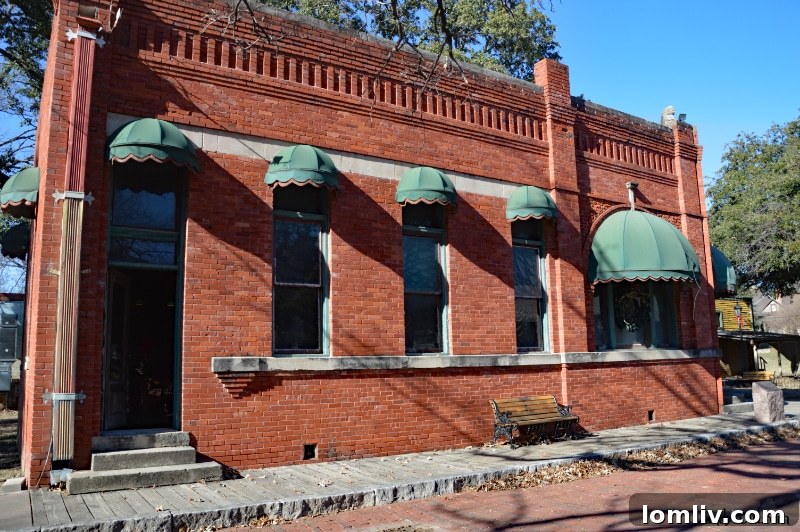
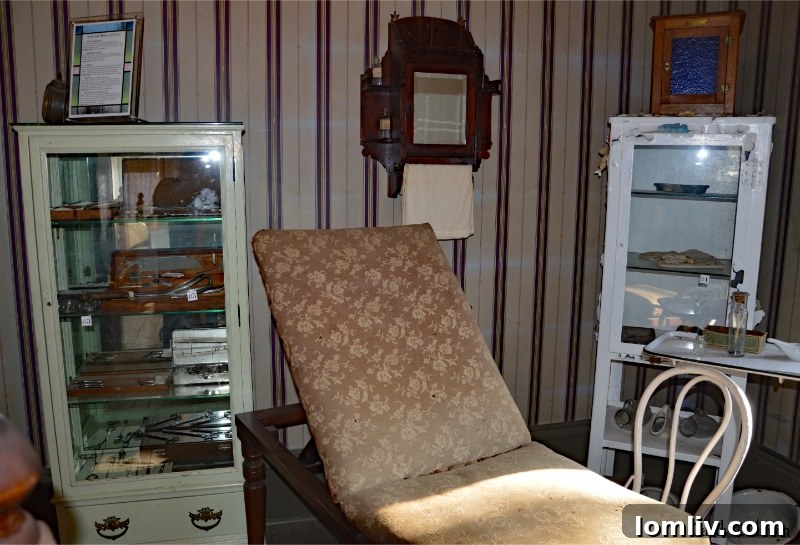
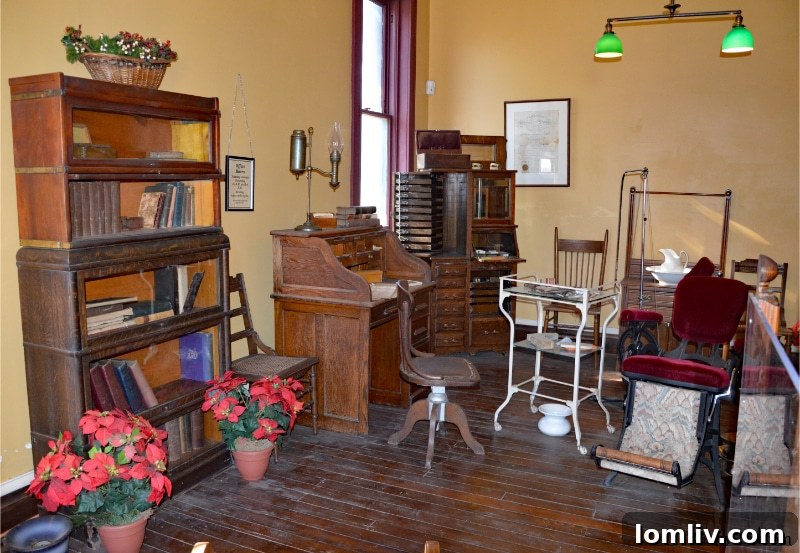
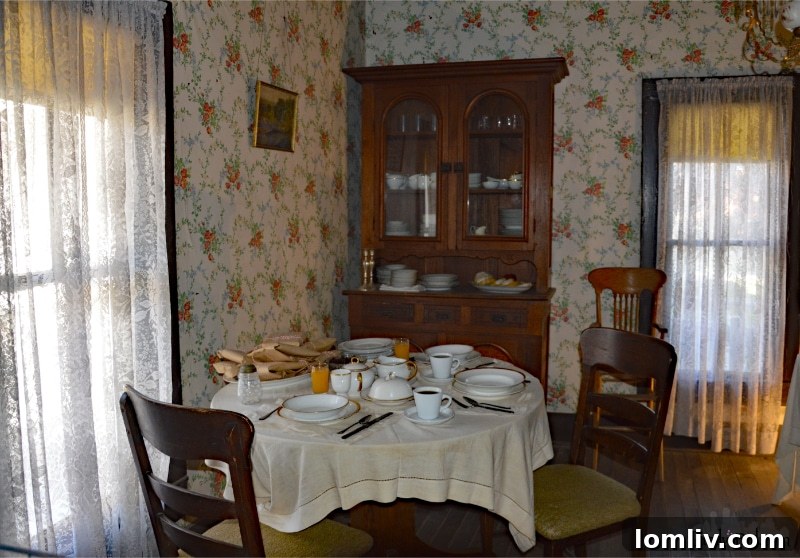
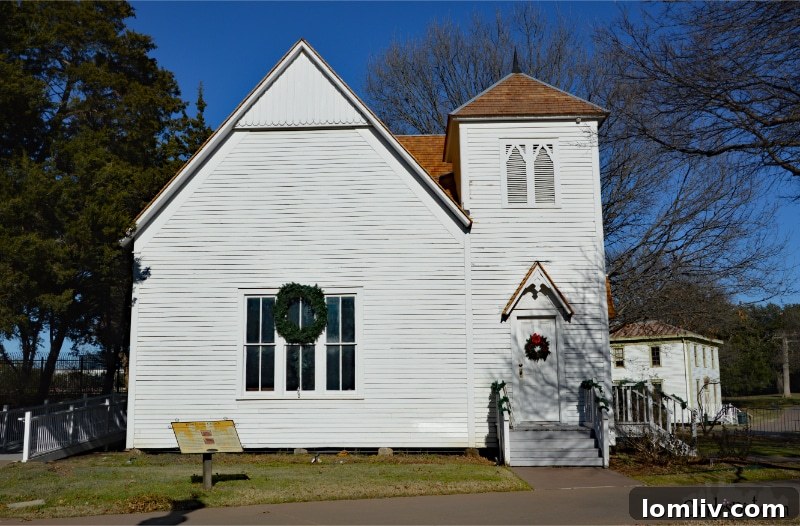
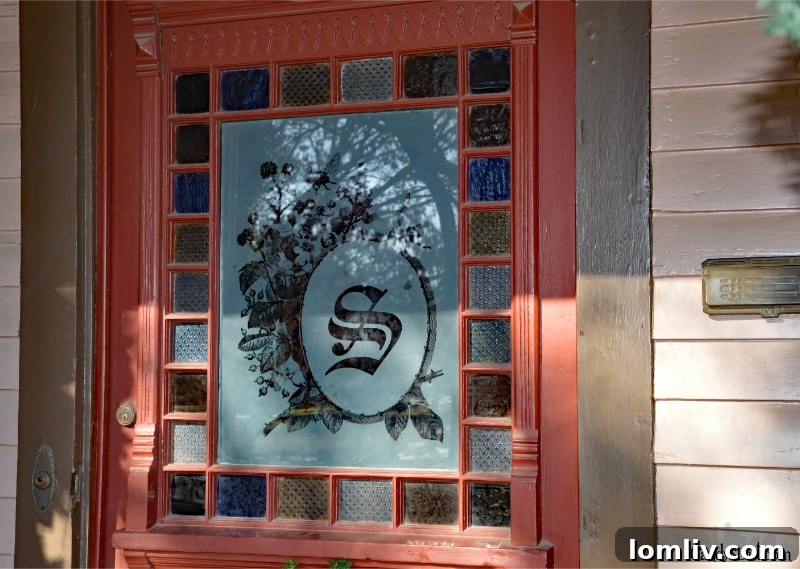
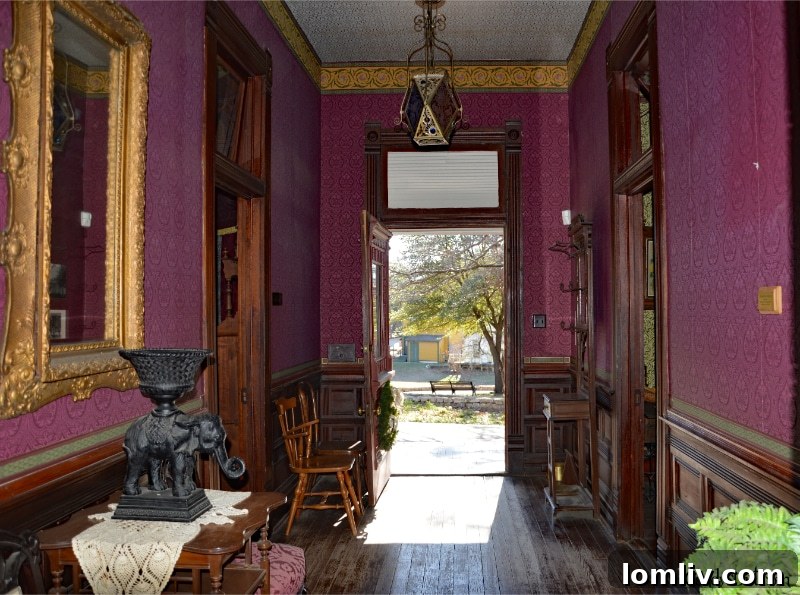
Their ambitious project involved the meticulous relocation and preservation of 21 historic buildings from various corners of Dallas, carefully reassembling them on the park grounds. This monumental effort transformed Old City Park into a vibrant heritage village, a sprawling, open-air museum that vividly portrays life in North Texas during the 19th and early 20th centuries. Each building, from elegant Victorian mansions to humble log cabins, tells a story, offering an immersive journey back in time.
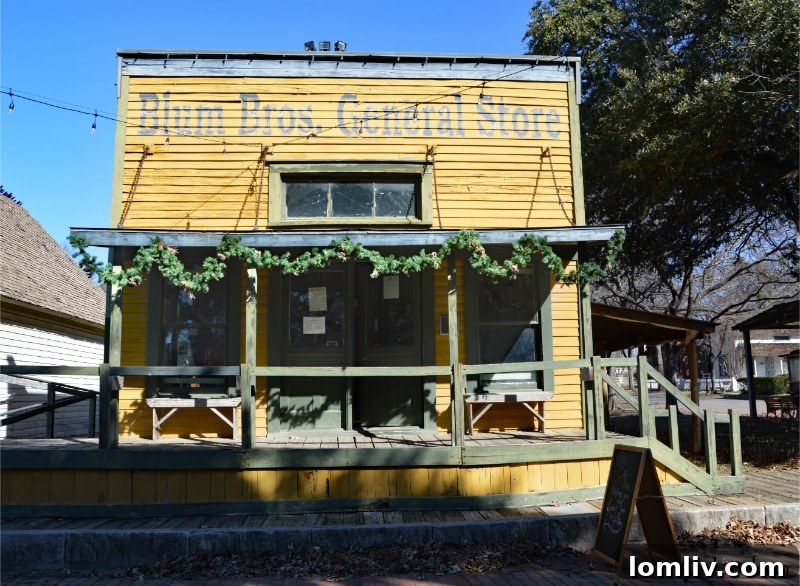
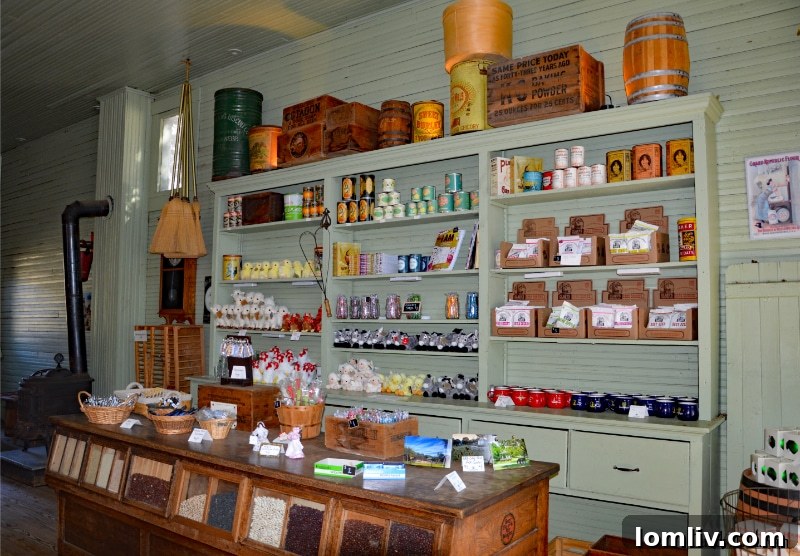
For generations of Dallas-area public school children, Old City Park has been an indispensable educational destination. Field trips here come alive with the sights and sounds of history: the clanging hammer of a period-costumed blacksmith, the nostalgic charm of a working railroad depot, and the captivating array of goods within a meticulously recreated general store. Beyond school excursions, the park has served as a beloved backdrop for countless community milestones and cherished memories. Many couples have exchanged vows in its historic church, families have gathered for the festive “Candlelight in Old City Park” events, and before 2003, residents savored brunch at the charming Brent Place. This rich tapestry of experiences underscores the park’s profound cultural and educational value, making its future a matter of deep concern for the entire community.
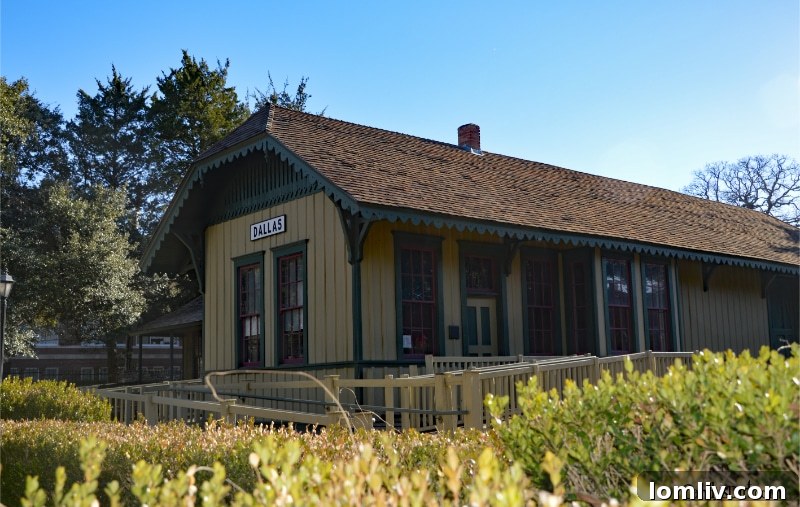
The Exodus Unpacked: Animals Leaving and a Park in Transition
The questions that immediately followed the news of Waylon and Willie’s departure reverberated through the community: Why are these beloved donkeys leaving? Where have the chickens gone, and why are the sheep being relocated? More broadly, what other cherished elements of Old City Park might be next on the list to disappear? These poignant questions are symptoms of a larger, more complex issue: a fragmented management structure that has hindered effective operation and planning for decades.
Currently, the stewardship of Old City Park is divided among multiple municipal entities. The Dallas Parks and Recreation Department oversees the general grounds and landscaping. The City of Dallas Office of Arts and Culture holds responsibility for the maintenance and preservation of the historic buildings. Meanwhile, the nonprofit Dallas County Heritage Society (DCHS) has historically managed the park’s vital programming, educational initiatives, and day-to-day operations. This tripartite arrangement, while perhaps well-intentioned in its inception, has proven to be less than efficient or effective. Such a multi-headed approach frequently leads to crossed wires, a lack of unified focus, inconsistent direction, and critical communication breakdowns, even when each entity strives to fulfill its distinct mission. The result is often stagnation, underfunding, and a gradual erosion of the park’s vibrant character.
For more than five decades, the Dallas County Heritage Society (DCHS) has operated Old City Park under a long-term management agreement with the City of Dallas. This remarkable fifty-one-year tenure is a testament to their enduring commitment and deep institutional knowledge. This lengthy partnership is a crucial detail, as it highlights the profound shift currently underway and the significant institutional memory that risks being sidelined in the transition.
A Pivotal Date: May 26th and the Future of Dallas Heritage Village
The calendar marks May 26th as a pivotal moment for Old City Park. On this date, the management of the entire park, including its historic buildings and programming, is slated to be consolidated under the Dallas Parks and Recreation Department. This significant shift raises immediate questions, particularly given the Dallas County Heritage Society’s more than half-century of dedicated stewardship. The core of the unfolding dilemma appears to stem from a profound lack of clear, consistent communication between the various parties involved, particularly as the deadline approaches.
The situation strikingly resembles the classic childhood game of “telephone,” where an initial message becomes distorted and fragmented as it passes from one person to the next. The message originating from city leadership, seemingly intended to reassure, isn’t reaching the Dallas County Heritage Society intact, nor is a comprehensive, coherent message being delivered to the concerned public. This vacuum of information, perhaps because a full, unified message has yet to be fully formulated, inadvertently fuels the very public discontent observed in social media discussions. It is this ambiguity that prompted a deeper investigation, starting a “telephone game” of inquiry to bridge the communication chasm.
Seeking Answers from Dallas Parks and Recreation
In an effort to gain clarity, direct contact was made with John Jenkins, Director of the Dallas Parks and Recreation Department. His assurances were firm: developers would not encroach upon Old City Park, and there were absolutely no plans to demolish any of its invaluable historic buildings. “We want to preserve it, and we will do everything we can to do so,” Jenkins stated emphatically. He further elaborated, “We are working on the transition plan right now. We want DCHS to stay involved. Nobody is tossing artifacts. We can do an interim agreement with them to get us through this to complete the master plan.”
While these words from Director Jenkins offer a degree of reassurance, several critical issues still require extensive dialogue and resolution. The primary concern is that this hopeful message, articulated at the top level of the Parks Department, has not effectively permeated down to the Dallas County Heritage Society, leaving them in a state of uncertainty and apprehension.
The Disconnect: Between Talks and Tangible Solutions for Old City Park
Despite numerous conversations, a fundamental communication gap persists between the Dallas Parks and Recreation Department and the Dallas County Heritage Society. It’s a crucial distinction: conversation, by itself, does not equate to effective communication, especially when it comes to actionable plans and concrete commitments. Sarah Crain, Chief Operating Officer for DCHS, confirmed that discussions between her organization and the Parks Department have been ongoing for over a year. However, the substance of these discussions has been concerning.
“We have been told repeatedly that yes, the city wants to continue the cultural program here, but no funding has been found to do so,” Crain revealed. This statement highlights a stark contrast between the city’s stated desire to preserve programming and its apparent inability to secure the necessary financial backing. Crain emphasized, “The city has known our contract is expiring for some time. DCHS would love to work to continue to maintain historic programming.” This sentiment underscores the Heritage Society’s willingness to remain involved and leverage their extensive experience, provided a viable path forward is established.
The Perennial Struggle: Funding and a Broken Business Model for Old City Park
At the heart of Old City Park’s current predicament lies a long-standing and critical issue: chronic underfunding. Despite the park’s immense historical and cultural value, it has consistently struggled to secure adequate financial resources. This isn’t for a lack of dedicated advocates, but rather a reflection of a business model that, for many years, proved unsustainable.
Recognizing the severity of the financial challenges, the DCHS Board Chair, Jim Kipp, and Board Chair-elect, Michael Duty, engaged Michael Meadows of the Meadows Family Consulting Group in March 2021. Meadows, a highly respected figure in the nonprofit world, was tasked with conducting a deep organizational assessment following the resignation of the DCHS executive director. He recounted, “They told me they had been losing hundreds of thousands of dollars on their operations for several years and wanted to know if their business model of being a living history museum had any future.”
Meadows’ expert assessment was stark: the existing model was not viable. His recommendations, developed in collaboration with former Dallas Parks and Recreation Department heads Paul Dyer and Willis Winters, presented a comprehensive plan for the park’s future. Key proposals included: eliminating admission fees, thereby affirming its status as a public park; significantly increasing attendance to create more opportunities for revenue generation; and, crucially, a substantial increase in annual subsidies from the City of Dallas as a prerequisite for the park’s survival. The report also envisioned introducing viable businesses into some of the historic buildings and creating exciting new attractions, such as a Victorian-style carousel, to draw in a wider audience. “The DCHS board loved what we recommended and adopted the plan,” Meadows confirmed. This forward-thinking plan, which included a clear roadmap for driving attendance, increasing earned revenues, and reducing unnecessary costs, was widely shared with city leaders, including John Jenkins, Council members Moreno and Mendelsohn, and Benjamin Espino at the Office of Arts and Culture, effectively becoming public record. The undeniable bottom line was that without significant financial investment from the city, the park’s current trajectory was unsustainable.
Missed Opportunities? Old City Park Amidst Dallas’s Urban Renewal
Considering the decades of experience held by DCHS, combined with the strategic insights from a consultant like Meadows and a clear, adopted business model, one might reasonably expect the city to embrace these ideas with enthusiasm. The logical response, it would seem, should be “Yippee! These are great ideas, so here’s another contract and some money to make it all happen.” This would be especially pertinent given the monumental urban development projects currently underway in Dallas. The construction of a new $2.8 billion convention center is set to commence in late 2024, and the ambitious deck park project over Interstate 30 is scheduled for completion in 2030.
This future deck park is designed to be a transformative connector, linking the new convention center directly to The Cedars neighborhood, and crucially, leading directly into Old City Park. From a strategic and economic perspective, integrating Old City Park into these grand development plans seems like an absolute no-brainer. While bond money is allocated to cover the construction costs of these projects, and a recent increase in hotel occupancy tax, approved in November, will inject $1.5 billion into the convention center and Fair Park, the glaring omission is any dedicated funding for Old City Park.
Recent city council meetings further illustrate this disconnect. During a lengthy three-hour council meeting last Friday, a straw vote was taken on allocating millions for various city parks. The Dallas Parks and Recreation Department is currently tasked with preparing park allocations in substantial amounts: $325 million, $300 million, and $275 million. This sounds incredibly promising for Dallas’s green spaces. However, when asked about Old City Park’s inclusion in these plans, Director Jenkins delivered a disheartening truth: “At this point, Old City Park is not included in that funding right now.”
The Funding Labyrinth: A Race Against Time for Old City Park
This revelation brings us back to the core conundrum of having three disparate entities involved in the park’s management and funding. The question becomes an intricate financial maze: Can funding be secured from the Office of Arts and Culture, which is theoretically responsible for maintenance, but whose contract expires in May? Should funding be primarily sought from the Dallas Parks and Recreation Department? While this seems logical, their primary responsibility currently lies with the grounds, and their complete takeover isn’t until May 26th. Can they request funds now, or only after the full transition? And what about private institutions? How can private philanthropy be effectively courted when the city itself has yet to commit substantial, consistent funding?
Old City Park finds itself caught between a rock and a hard place, facing critical deadlines in May for both the bond vote and the operational changeover. Securing any portion of that much-needed bond money would require an extraordinary level of planning and advocacy, starting immediately. Without a clear, unified vision and committed financial support, the future of this irreplaceable piece of Dallas history remains precariously uncertain.

A Call for Unity and a Hero to Save Dallas’s Historic Heart
The financial struggles of Old City Park are not new. Approximately two years before its contract was set to expire, the Dallas County Heritage Society approached the city, clearly stating that increased funding was essential for their continued operation. It’s a well-understood principle in the world of cultural preservation: without a foundational investment from the city, attracting private philanthropists becomes an almost insurmountable challenge. Frankly, Old City Park desperately needs both public and private champions—a hero, much in the same vein as Kelcy Warren’s transformative support for Klyde Warren Park.
The ongoing disconnect remains puzzling. Why are the assurances from Director Jenkins not translating into tangible, reassuring communications for the DCHS? The Heritage Society deeply loves the park, possesses over five decades of invaluable institutional knowledge, and is eager to continue its vital role. While the Dallas Parks and Recreation Department undoubtedly has much to offer in terms of park management expertise, it is widely acknowledged that they lack the specific cultural education experience and nuanced understanding required to operate a living history museum of Old City Park’s complexity unassisted.
Sarah Crain elaborated on these concerns: “We had the programming team from Samuell Farm come out and look at Old City Park. When they came out, I asked if they had anyone with cultural education experience. They did not. We have multiple concerns — in addition to programming, there is maintenance and security. There has been no conversation about DCHS staying.” This highlights a significant gap in capability and a critical failure in communication regarding DCHS’s future involvement.
The FY 2022-2023 expense budget for DCHS/Old City Park, which was approved by our Executive Board in September, is approximately $1.6M and projects an operating deficit of ($576K). This deficit will be funded out of our operating reserves and an unrestricted estate gift we received this past December. Our Board’s bottom line is that DCHS can and will absorb this year’s projected deficit but is unwilling to continue to this practice in the future.
Michael Meadows in an email to city leaders
The message from the Dallas County Heritage Society is clear: they cannot indefinitely absorb substantial operating deficits. The urgency of the situation cannot be overstated. Old City Park is more than just a collection of old buildings; it is a living classroom, a community gathering space, and a irreplaceable link to Dallas’s foundational history. Preserving its future requires a unified vision, clear and consistent communication, and a strong, unequivocal financial commitment from the City of Dallas, coupled with robust private philanthropic support. Without these elements, Dallas risks losing a cherished cornerstone of its cultural identity, an outcome that would diminish the city for generations to come.