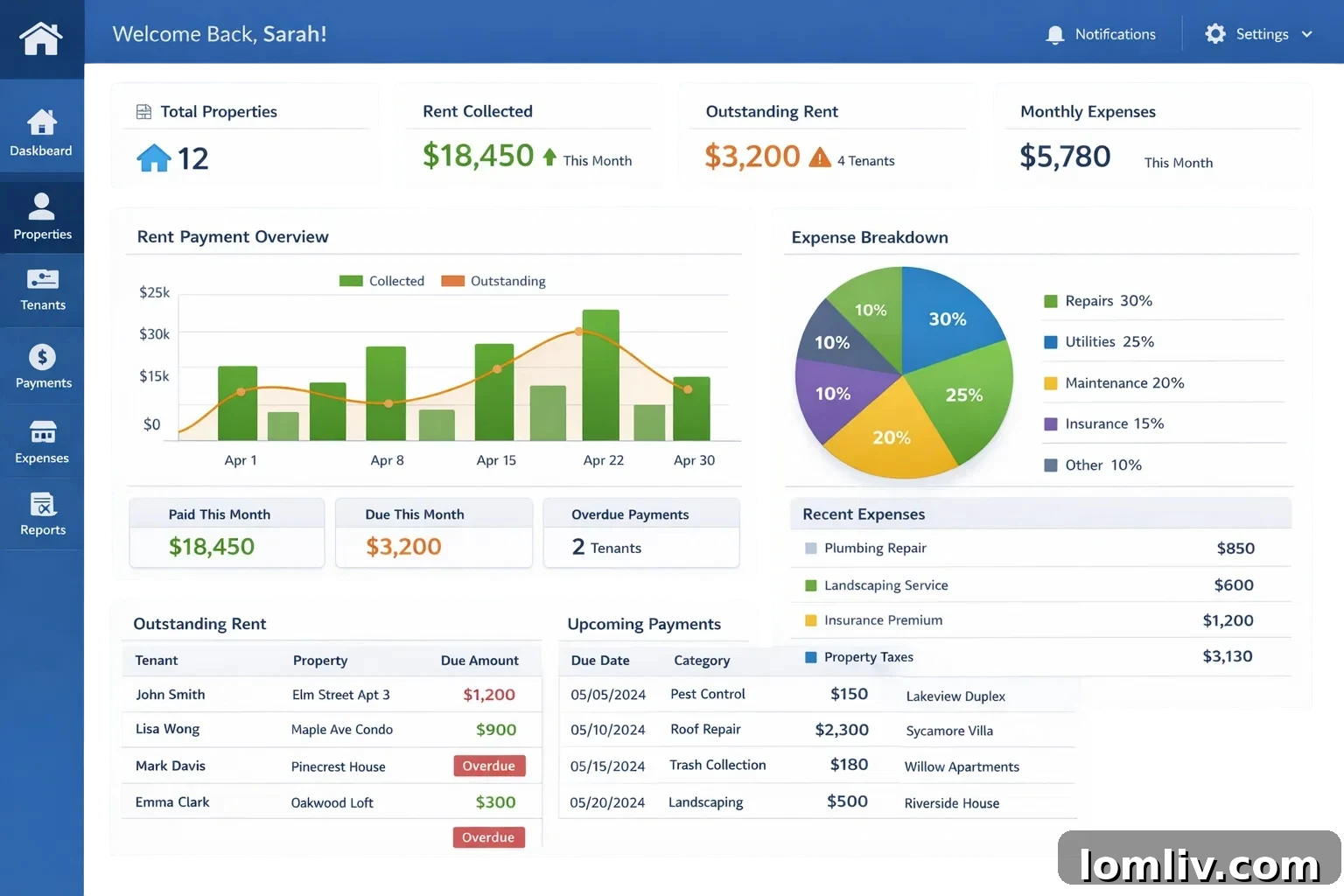
Effective cash flow management is the backbone of any successful rental property business. It represents the crucial difference between the rental income and fees you collect and the operational expenses required to maintain your properties. Without diligent tracking and strategic oversight, even fully occupied properties can lead to unexpected financial shortfalls.
Many property owners inadvertently encounter cash flow difficulties due to straightforward issues: a critical payment is missed, a repair cost isn’t promptly recorded, or essential financial documents are scattered across various platforms—from banking apps and email inboxes to physical receipts and disparate spreadsheets. This disorganization makes it incredibly challenging to gain a unified and accurate financial picture. This is precisely where modern property management software becomes indispensable, centralizing rent payments, detailed expenses, and comprehensive financial reports into one accessible system, eliminating the need to piece together fragmented data later.
This comprehensive guide will explore practical, step-by-step methods for leveraging property management software to ensure your cash flow remains consistent, predictable, and effortlessly manageable, empowering you to make informed decisions and secure the financial health of your rental portfolio.
Understanding the Essentials of Cash Flow in Property Management
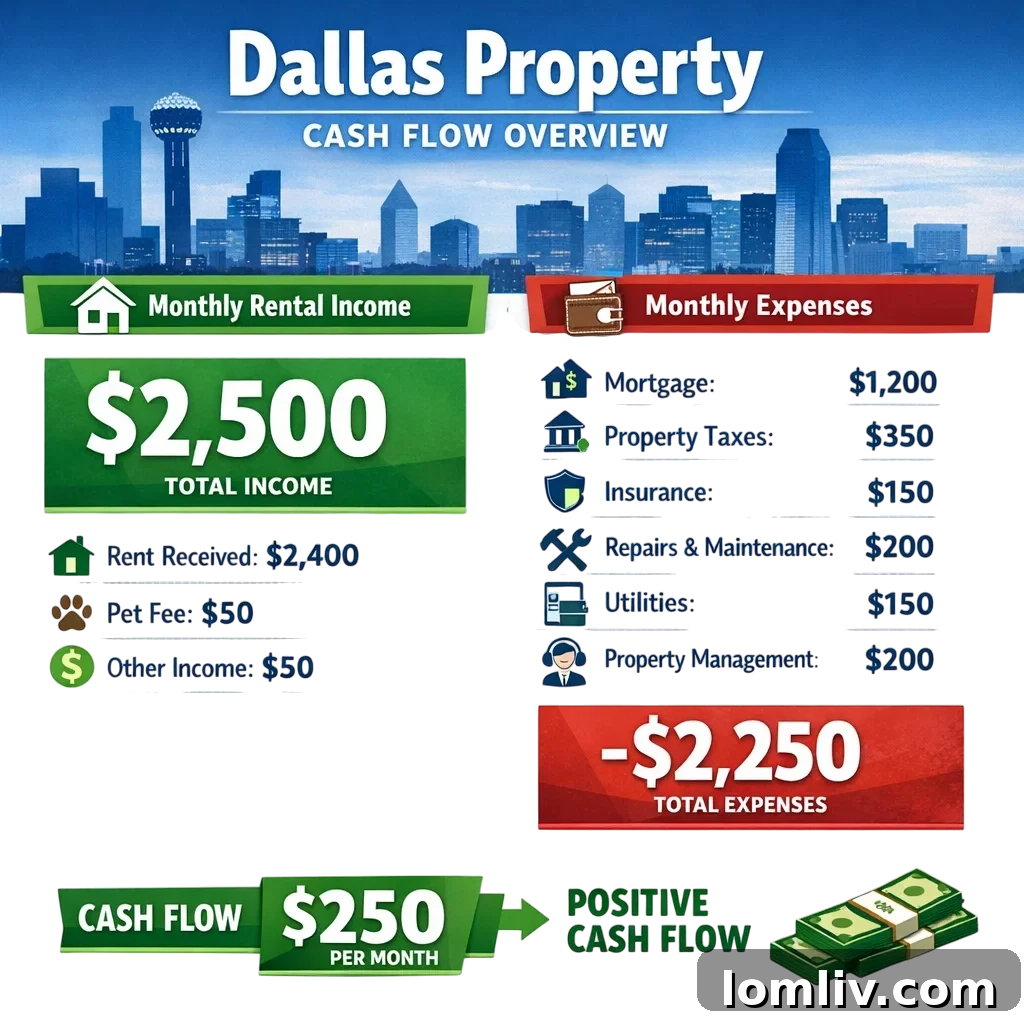
At its core, cash flow in property management is a straightforward concept: it’s the net movement of money into and out of your business. However, its impact on your financial stability is profound.
- Positive cash flow: This ideal scenario means your total rental income and other fees consistently exceed your operating expenses, leaving you with surplus funds. This surplus can be reinvested, used for property upgrades, or saved for future contingencies, signaling a healthy and profitable operation.
- Negative cash flow: Conversely, negative cash flow occurs when your operational costs surpass your collected income. This situation can quickly lead to financial strain, making it difficult to meet obligations, fund necessary repairs, or plan for long-term growth.
The significance of maintaining a robust cash flow cannot be overstated. It directly influences your capacity to cover crucial financial responsibilities, such as timely mortgage payments, essential property repairs, and the ability to set aside reserves for seasonal fluctuations, unexpected vacancies, or significant capital improvement projects. A clear understanding of your cash flow empowers you to anticipate financial needs, identify potential issues early, and make proactive decisions.
Tools like SimplifyEm property management software are specifically designed to simplify this complex aspect of real estate. By meticulously recording every payment and expense as they occur, the software provides an up-to-the-minute, transparent view of your finances, eliminating guesswork and fostering greater financial control. This real-time data allows you to see your numbers clearly, enabling confident decision-making for your rental business.
Step-by-Step Guide: Mastering Cash Flow with Property Management Software
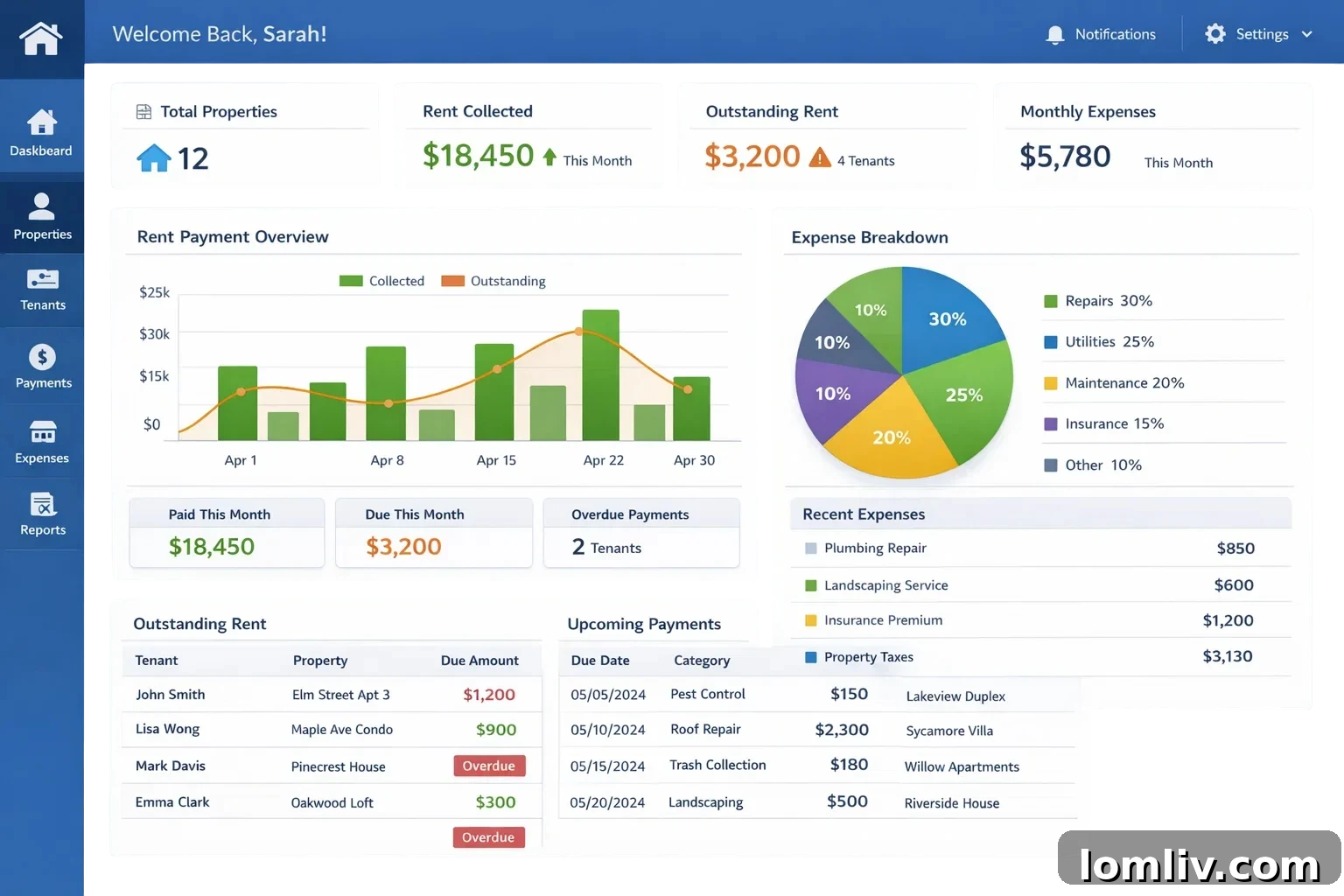
Embracing property management software transforms how you handle your rental business finances. Here’s how to systematically leverage its features for optimal cash flow.
1. Streamline Rent Collection with Online Payments and Automated Tracking
Rent is the lifeblood of your rental business’s cash flow. Traditional methods, such as paper checks and manual bank deposits, are often slow, prone to errors, and create administrative burdens. It’s all too easy to lose track of what has been paid and what is outstanding. Property management software revolutionizes this process by enabling tenants to pay rent online through various secure methods, including credit cards, ACH transfers, and e-checks. This shift from manual to digital collection significantly improves efficiency and reliability.
The tangible benefits of this approach are numerous:
- Faster payment processing: Funds typically clear and transfer quicker, improving your access to capital.
- Reduced late payments: The convenience of online payments, often coupled with automated reminders, encourages tenants to pay on time, minimizing disruptions to your cash flow.
- Comprehensive payment history: The software automatically creates an immutable, digital ledger of every payment for each tenant, providing a clear audit trail for any discrepancies or disputes.
- Transparent month-by-month totals: Gain immediate insight into your total rental income for any given period, simplifying financial reconciliation.
- Elimination of uncertainty: Say goodbye to the constant “Did they pay yet?” questions, as the software provides real-time payment statuses.
- Enhanced security: Online payment platforms are typically more secure than handling cash or checks, reducing risks of theft or loss.
2. Capture All Income and Expenses in Real-Time for Accuracy
Cash flow challenges often stem from delayed or incomplete recording of financial transactions. When income and expenses aren’t logged immediately, you’re forced into time-consuming reconciliation later, which can lead to inaccuracies and missed deductions. Property management software resolves this by providing a dedicated system to log all transactions as they occur, eliminating the need for tedious manual data entry post-factum.
With robust software, you can:
- Track diverse income streams: Accurately record not just rent, but also late fees, security deposits, application fees, pet fees, and any other income generated by your properties.
- Monitor all expenditure categories: Keep a meticulous record of all costs, including property repairs, routine maintenance, property taxes, utility bills, insurance premiums, mortgage interest, and administrative expenses.
- Attach supporting documentation: Digitally attach receipts, invoices, contracts, and other relevant documents directly to the corresponding transaction. This ensures all paperwork is securely linked to the correct property and accounting period, invaluable for audits and tax preparation.
The result of complete and timely records is unparalleled accuracy in your financial reporting. This clarity makes it effortless to answer fundamental questions, such as “How much did I actually spend on plumbing repairs last quarter?” or “Which property generates the most consistent income?”—facilitating better budgeting and financial control.
3. Leverage Powerful Reports to Uncover Financial Insights
Financial reports are not just for accountants; they are vital tools for landlords to understand the underlying dynamics of their business. Most property management software comes equipped with powerful reporting capabilities that generate common, yet critical, financial statements that landlords rely on for strategic decision-making. These typically include cash flow reports, income statements (profit & loss), and balance sheets.
These comprehensive reports provide actionable insights, helping you to:
- Perform month-to-month and year-over-year comparisons: Easily track trends in income and expenses, allowing you to identify seasonal patterns, significant cost increases, or revenue growth.
- Proactively identify rising costs: Spot unusual spikes in specific expense categories, like maintenance or utilities, before they escalate into major financial issues. This early warning system enables you to investigate and mitigate problems.
- Assess property profitability: Clearly see which individual properties or units are generating the highest profit and which might be underperforming. This data is critical for making informed decisions about portfolio adjustments or investment strategies.
- Analyze spending by category: Gain detailed insights into how much you’re allocating to specific expense categories, such as marketing, repairs, or property management fees. This granular view assists in optimizing budgets and identifying areas for cost reduction.
- Forecast future performance: By understanding historical trends, you can create more accurate financial forecasts and budgets for upcoming periods.
4. Proactively Manage Maintenance Costs to Avoid Budget Surprises
Repairs and maintenance are an inevitable part of owning rental properties. The challenge arises when these costs are unexpected and disrupt your monthly budget. Property management software offers a structured approach to managing maintenance, transforming it from a reactive headache into a more predictable and controlled expense.
The software enables you to:
- Log and track maintenance requests: Tenants can often submit requests directly through a portal, centralizing all repair needs. You can track the status of each request from initiation to completion.
- Assign and manage vendors: Easily assign tasks to preferred contractors or handymen, track their progress, and store their contact and billing information.
- Record final costs and attach invoices: Once work is complete, log the actual cost and attach the invoice directly to the job, linking it to the specific property and tenant.
Over time, this diligent record-keeping builds a valuable history that provides answers to crucial questions:
- What specific issues were addressed?
- Which vendor performed the work?
- What was the exact cost of the repair?
- Which property or unit required the maintenance?
This comprehensive history moves you beyond rough estimates, allowing you to create a realistic and data-driven maintenance budget based on actual past expenditures. Furthermore, it helps identify recurring issues in a specific property, prompting closer inspection or preventative action.
5. Efficiently Manage Late Rent and Past-Due Balances
Late rent payments can significantly disrupt your monthly financial planning, particularly if you rely on rental income to cover your own property expenses, mortgage payments, or personal bills. Property management software is a game-changer in managing this common challenge.
The software provides immediate clarity on:
- Payment status: A quick glance reveals who has paid their rent and who hasn’t.
- Outstanding balances: Clearly displays the exact amount that is past due for each tenant.
- Late fees: Automatically calculates and applies late fees according to lease terms, ensuring consistency and fairness.
Beyond tracking, many advanced tools offer automation capabilities:
- Automated reminders: Send friendly payment reminders to tenants a few days before rent is due, significantly reducing the likelihood of late payments.
- Automated late notices: If a payment is missed, the software can automatically generate and send professional late notices, ensuring consistent communication and adherence to lease agreements.
- Streamlined communication: Centralize all communication regarding payments, creating a clear record for both you and your tenants.
This automation ensures follow-up actions are consistent, professional, and timely, saving you valuable time and reducing the stress often associated with chasing down late payments.
6. Strategic Planning and Financial Forecasting for Future Stability
Once you establish a foundation of reliable and comprehensive financial records, property management software empowers you to transition from reactive management to proactive strategic planning. By analyzing historical data, you can identify patterns and anticipate future financial scenarios with greater accuracy.
The software assists in examining crucial patterns and upcoming events, such as:
- Seasonal changes in occupancy or rent demand: Understand when your properties typically experience higher vacancies or periods of reduced demand, allowing you to adjust marketing or pricing strategies accordingly.
- Recurring monthly or annual costs: Accurately predict and budget for consistent expenses like property taxes, insurance premiums, or scheduled maintenance contracts.
- Upcoming lease renewals: Track lease expiration dates, giving you ample time to negotiate renewals, plan for potential rent increases, or prepare for tenant turnovers.
- Expected move-outs and vacancy periods: Forecast potential gaps between tenants, allowing you to budget for lost income and the costs associated with preparing a unit for a new renter.
- Capital expenditure planning: Use historical data on repairs and upgrades to plan for larger future investments, such as roof replacements, HVAC upgrades, or significant renovations.
Planning ahead doesn’t mean you can predict every single eventuality. Instead, it means having a realistic, data-backed picture of potential future outcomes. This foresight enables you to strategically set aside necessary funds, make informed decisions about property improvements, and effectively mitigate last-minute financial stress, contributing significantly to the long-term profitability and stability of your rental business.
7. Simplify Tax Preparation and Ensure Compliance
One of the most significant, yet often underestimated, benefits of property management software is its ability to streamline and simplify tax preparation. By centralizing and organizing all your financial data throughout the year, the software transforms a typically daunting task into a manageable process, saving you time, stress, and potentially accountant fees.
Property management software diligently maintains and categorizes:
- Detailed income totals: Every rent payment, late fee, and other income stream is accurately aggregated.
- Categorized expense records: Expenses are automatically sorted into relevant categories (e.g., repairs, utilities, insurance, property taxes, management fees), making it easy to identify deductible items.
- Attached receipts and invoices: All supporting documentation for expenses is digitally stored and linked, providing indisputable proof for deductions.
- Exportable financial reports: Generate and export comprehensive reports, such as Profit & Loss statements and expense summaries, in formats easily shared with your accountant or used for self-filing.
This level of organization makes it incredibly simple to identify and sort deductible expenses, reconcile accounts, and present clean, accurate financial records to your accountant. The result is a much smoother tax season, reduced likelihood of errors, and greater confidence in your financial compliance.
Key Features to Prioritize in Property Management Software for Cash Flow
When selecting property management software with cash flow optimization as your primary objective, focus on solutions that offer a robust suite of financial tracking and reporting tools. The most impactful features include:
- Integrated Online Rent Payments: Essential for timely and consistent income collection, offering convenience to tenants and streamlining your process.
- Comprehensive Expense Tracking by Property/Unit: Allows for granular financial analysis, showing profitability down to individual units and accurately allocating costs.
- Robust Financial Reporting: Must include Cash Flow Statements, Income Statements (Profit & Loss), and Balance Sheets to provide a holistic view of your financial health.
- Bank Reconciliation Features: Tools that help you match your software’s records with your bank statements, ensuring accuracy and detecting discrepancies quickly.
- Cloud-Based Accessibility: Ensures you can access your financial data, generate reports, and manage operations securely from any device, anywhere, anytime.
- Vendor Management: For tracking payments to contractors and service providers, helping to manage maintenance expenses effectively.
- Customizable Chart of Accounts: Allows you to tailor expense categories to your specific business needs and for seamless integration with tax preparation.
SimplifyEm property management software is designed with these critical features in mind, offering an intuitive setup that caters exceptionally well to the needs of small and mid-sized property managers seeking superior cash flow management.
Common Cash Flow Management Mistakes to Avoid
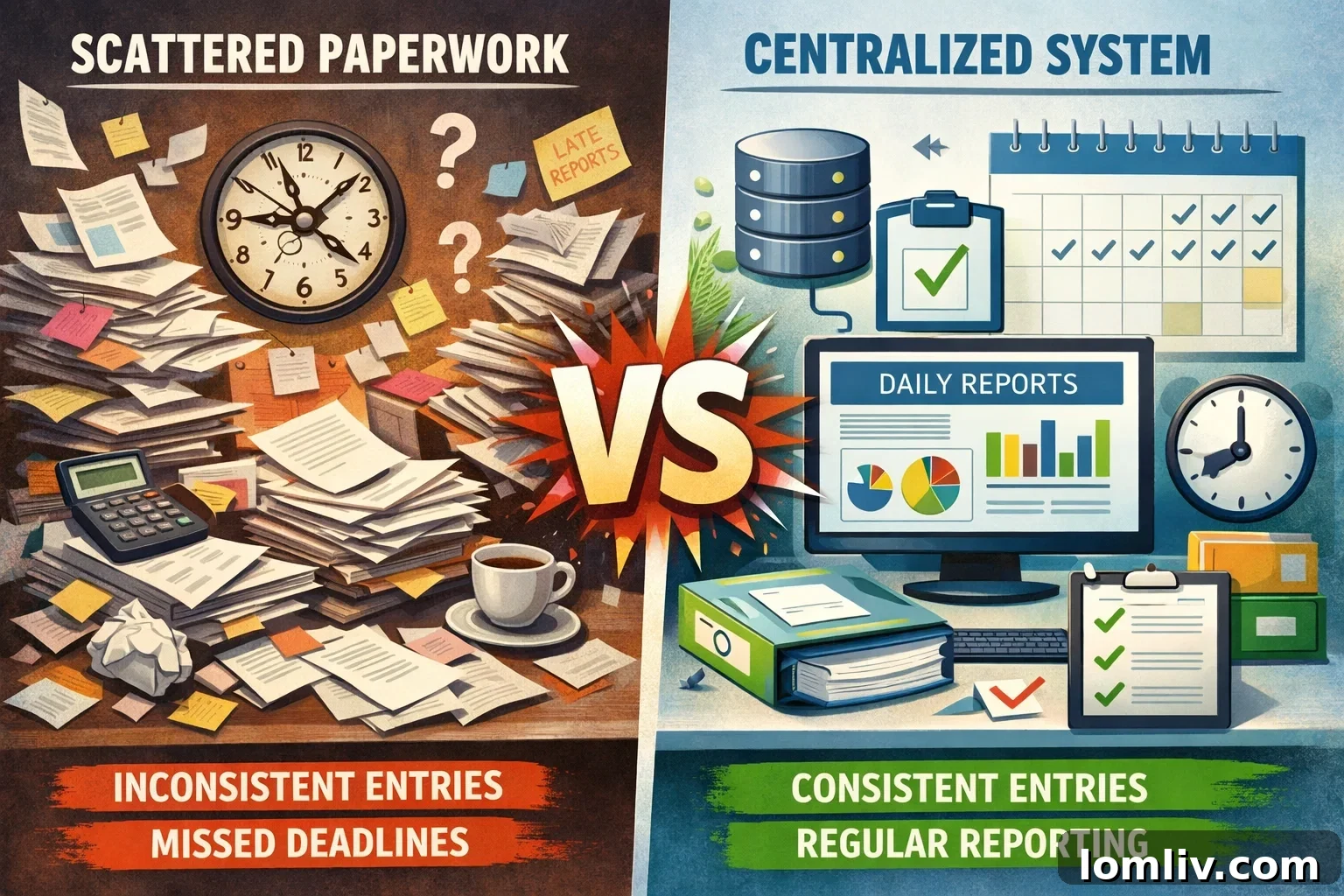
Even the most sophisticated property management software can only be as effective as the data entered into it. To truly harness its power for optimal cash flow, it’s crucial to avoid common pitfalls:
- Skipping Entries: Neglecting to record every single income and expense, no matter how small, leads to incomplete and inaccurate financial pictures. Always enter transactions promptly and consistently.
- Infrequent Report Reviews: Don’t just generate reports; actively review them regularly (at least monthly). Waiting too long means missed opportunities to identify trends, address rising costs, or correct discrepancies before they become significant problems.
- Assuming Perfect Backups: While cloud software typically handles backups, it’s wise to occasionally verify your system settings and understand your data recovery options. Regularly exporting key reports can also provide an extra layer of security.
- Inconsistent System Usage: If multiple individuals are involved in managing your properties, ensure everyone adheres to the same standardized procedures for data entry and software usage. Inconsistency leads to messy data and undermines the software’s effectiveness.
- Ignoring Discrepancies: If your bank statement doesn’t match your software’s records, investigate immediately. Unresolved discrepancies can mask serious errors or even fraudulent activity.
- Not Budgeting for Vacancies or Capital Expenses: Over-reliance on current income without planning for periods of vacancy, unexpected repairs, or major capital improvements will inevitably lead to cash flow crises.
Frequently Asked Questions (FAQs) About Property Management Software and Cash Flow
1. How specifically does property management software improve cash flow for landlords?
Property management software significantly boosts cash flow by centralizing and automating key financial processes. It facilitates online rent collection, which accelerates payments and reduces late fees. It also provides a dedicated system for meticulously tracking all income and expenses in real-time. By having complete, accurate, and up-to-date financial records in one accessible location, landlords gain immediate clarity on their financial position, making it far easier to assess what they can afford, identify areas needing financial attention, and respond proactively to market changes.
2. Can property management software genuinely help reduce late rent payments?
Absolutely, yes. Property management software is highly effective in reducing late payments. It achieves this by offering tenants convenient online payment options (e.g., credit card, ACH), making it simpler for them to pay on time from anywhere. Furthermore, most systems automate the sending of friendly payment reminders before the due date and prompt late notices once a payment is missed. This consistent and automated communication minimizes forgetfulness and encourages timely payments, freeing up landlords from manual follow-ups.
3. Does the software automatically track and categorize expenses?
Many modern property management software solutions offer robust expense tracking features. While it typically requires you to initially input transactions or categorize them upon entry, the software often includes bank reconciliation tools that can pull in transactions directly from your bank account, streamlining the process. You can then categorize these expenses (e.g., repairs, utilities, taxes) and attach digital receipts or invoices directly to each record, ensuring comprehensive documentation for every expenditure tied to the correct property.
4. How does property management software save time for landlords and property managers?
The time-saving benefits are substantial. The software drastically cuts down on manual data entry, eliminates the need for paper-based filing, and automates repetitive administrative tasks like sending rent reminders or generating standard reports. Instead of spending hours on bookkeeping, reconciling accounts, or chasing down payments, landlords can pull up accurate financial summaries, payment histories, and expense reports in mere moments. This efficiency allows property managers to dedicate more time to strategic growth, tenant relations, and property maintenance, rather than tedious paperwork.
5. Is property management software beneficial for tax preparation?
Yes, it is immensely helpful for tax time. Property management software centralizes all your financial data—income, expenses, receipts, and reports—into one organized system throughout the year. When tax season arrives, you can effortlessly export comprehensive summaries of your rental income and categorized expenses. This organized documentation simplifies the process of identifying deductible expenses, provides clear audit trails, and allows you to present well-structured records to your accountant, potentially saving on accounting fees and reducing the stress of tax filing.
Conclusion: Empowering Your Rental Business with Smart Cash Flow Management
Mastering cash flow is not merely about tracking numbers; it’s about gaining a complete and transparent understanding of your rental business’s financial health—knowing precisely what funds have entered, what has exited, and what financial obligations or opportunities lie ahead. Property management software serves as the ultimate financial command center, meticulously consolidating all rent payments, detailed expenses, crucial receipts, and insightful reports into a single, intuitive platform.
By transforming fragmented financial data into clear, actionable insights, the software empowers you with unparalleled financial clarity. This improved record-keeping and transparent numerical data make it significantly easier to adhere to your budget, effectively manage inevitable property repairs, and strategically plan for the future growth and stability of your rental portfolio. Investing in robust property management software is an investment in the long-term profitability and peace of mind for every landlord and property manager.