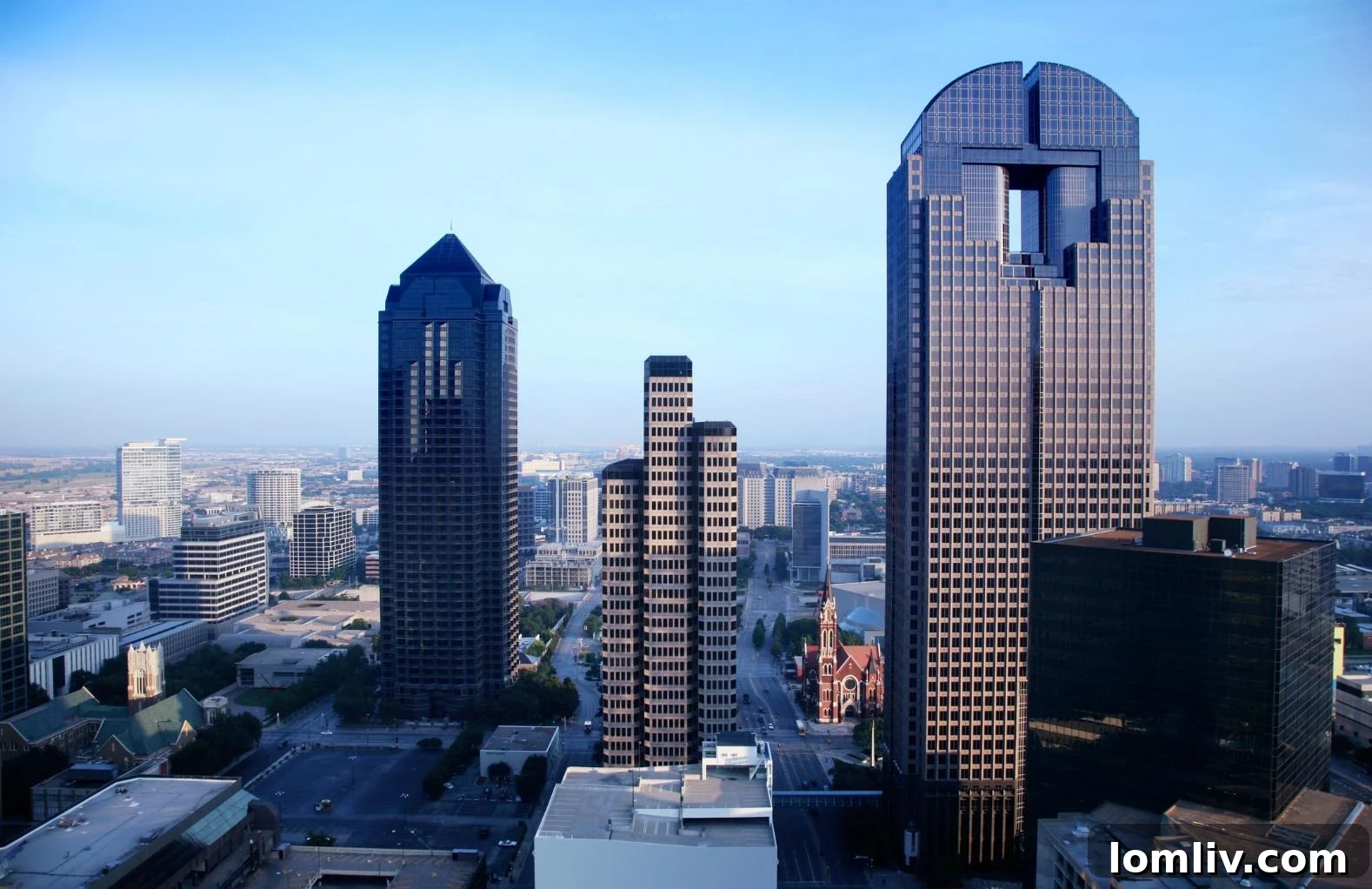
The Dallas real estate market is currently experiencing unprecedented dynamism, characterized by rapid growth, shifting demographics, and innovative development projects. This bustling environment has created a unique set of demands on businesses within the sector, leading to a significant increase in the need for flexible workforce solutions. For both seasoned entrepreneurs and aspiring professionals in the real estate industry, understanding these evolving trends—particularly the surge in demand for temporary labor—is crucial for navigating the market successfully and capitalizing on emerging opportunities.
The strategic deployment of temporary hires is no longer merely a stopgap measure but a vital component of a resilient and agile business model. This comprehensive analysis will delve into why temporary real estate professionals are becoming indispensable in Dallas, exploring the underlying market forces, specific areas of demand, future projections, and the associated compensation and challenges.
Understanding the Current Landscape: A Surge in Dallas Real Estate Opportunities
The Dallas-Fort Worth metropolitan area stands as one of the nation’s fastest-growing regions, attracting corporations, investors, and residents alike. This expansion fuels a vigorous real estate sector encompassing residential, commercial, and industrial properties. Amidst this robust growth, companies are increasingly recognizing the strategic advantages of a flexible workforce. Recent data highlights a notable 27% rise in requests for temporary workers across the Dallas-Fort Worth real estate market, signaling a fundamental shift in staffing strategies.
This escalating demand extends across various segments of the industry, from established property management firms overseeing vast portfolios to agile real estate agencies facilitating transactions and innovative development companies launching new projects. The ability to quickly scale operations up or down without the long-term commitments associated with permanent hires offers unparalleled flexibility. Below are the key areas experiencing the most significant uptick in the need for contingent staff:
- Property Management Excellence: The robust growth of multi-family complexes, commercial office spaces, and burgeoning industrial properties in Dallas has intensified the need for adept property management. There has been a substantial 34% jump in the demand for temporary property managers and leasing agents. These professionals are crucial for ensuring smooth operations, managing tenant relations, overseeing maintenance, and driving occupancy rates. Their flexibility allows firms to effectively manage new property acquisitions or seasonal leasing cycles without overextending their core teams.
- Streamlining Transaction Processing: The sheer volume of real estate transactions in Dallas necessitates efficient and accurate processing. Temporary support for critical tasks like paperwork, contract administration, due diligence, and closing coordination has surged by an impressive 42%. With a highly active market, companies require adaptable workers who can absorb peak workloads, ensuring that deals progress smoothly and deadlines are met without compromising accuracy. This also includes specialized roles in real estate law support and compliance.
- Bolstering Administrative and Operational Support: The backbone of any successful real estate operation lies in its administrative and operational efficiency. Roles handling property listings, client communication, database management, marketing support, and general office administration are in high demand, seeing a 31% increase in temporary positions. These behind-the-scenes professionals ensure seamless communication, organized data flow, and effective support for client-facing teams, allowing permanent staff to focus on strategic initiatives and core business development.
Key Drivers Behind the Escalating Demand for Flexible Staffing

The rise in temporary hiring within the Dallas real estate market is not accidental; it is driven by several interconnected economic, operational, and strategic factors. Companies are proactively adopting agile staffing models to thrive in a competitive and ever-changing environment. Understanding these catalysts is essential for both businesses seeking to optimize their workforce and individuals looking to enter or advance in the real estate sector.
- Navigating Market Volatility and Economic Shifts: The real estate market, while generally robust in Dallas, is susceptible to economic fluctuations, interest rate changes, and shifts in buyer/renter sentiment. Rather than committing to extensive permanent hires during boom cycles only to face downsizing challenges during slower periods, real estate companies are increasingly leveraging temporary staffing. This strategy allows them to maintain optimal staffing levels, ensuring efficiency and productivity during peak activity while controlling overhead costs during leaner times. It provides a vital buffer against unpredictable market changes, fostering greater financial stability and operational resilience.
- Optimizing for Seasonal Demands: The Dallas real estate market, much like others, exhibits distinct seasonal patterns. Peak seasons for home sales often occur in spring and summer, while commercial lease renewals and new development launches can also create intense, time-bound workloads. Temporary workers are invaluable for managing these short-term surges in demand without burdening the permanent workforce or necessitating year-round overstaffing. They can be brought in specifically to handle increased client inquiries, property showings, marketing campaigns, or administrative tasks during these periods, ensuring customer service remains high and opportunities are not missed.
- Addressing Specialized Project Requirements: The dynamic nature of real estate in Dallas often involves large-scale, specialized projects that require unique skill sets for a finite period. These could range from the launch of a new luxury condominium complex, the redevelopment of a commercial district, the implementation of new property management software, or a targeted marketing campaign for a portfolio of properties. Such initiatives often demand specific expertise in areas like project management, digital marketing, data analytics, or construction administration that may not be available or needed within the existing permanent staff. Temporary professionals bring this specialized knowledge directly to the project, ensuring its successful execution without the long-term commitment of a permanent hire.
Glimpsing the Horizon: Future Projections and Evolving Market Trends
The trajectory of temporary staffing in Dallas real estate indicates continued growth and evolution. As the market matures and technology advances, the types of roles available and the skills required will also transform. Keeping an eye on these future projections is crucial for both employers designing their workforce strategies and individuals planning their career paths.
- Technology as a Transformative Force: The digital revolution continues to reshape the real estate industry, creating entirely new categories of temporary jobs. The widespread adoption of digital tools, from advanced CRM systems and predictive analytics to virtual reality tours and AI-powered property management platforms, means a growing demand for tech-savvy temporary workers. These roles might include digital marketing specialists, content creators for immersive virtual property experiences, data analysts to interpret market trends, and IT support professionals for new software rollouts. The ability to quickly integrate and leverage new technologies will be a key differentiator.
- The Rise of the Hybrid Workforce Model: Companies are increasingly moving towards a balanced “hybrid workforce” model, strategically blending permanent full-time employees with a contingent force of temporary workers. This approach offers unparalleled agility, allowing businesses to scale operations efficiently, access specialized skills on demand, and maintain a competitive edge. This trend is not expected to slow down; projections indicate that this integrated staffing model will grow by an impressive 23% over the next year and a half, highlighting its growing acceptance as a best practice in talent management.
- Premium on Specialized Skills and Expertise: As the real estate sector becomes more complex, the demand for highly specialized skills will intensify. Beyond traditional real estate knowledge, there will be a significant increase in roles requiring expertise in emerging areas. For instance, jobs related to sustainability practices (e.g., LEED certification, green building management) and smart building technology (e.g., IoT integration, energy efficiency systems) are expected to rise by 29%. Furthermore, skills in cybersecurity for property data, advanced data analytics for market forecasting, and sophisticated digital marketing techniques will become highly sought-after, offering lucrative opportunities for specialized temporary professionals.
Compensation and Benefits: Attracting Top Temporary Talent

The increasing demand for skilled temporary real estate workers in Dallas has led to a noticeable uplift in compensation and benefits packages. This is a clear indicator that companies recognize the value and critical role these flexible professionals play in their success. Attracting and retaining top temporary talent requires more than just competitive pay; it involves a holistic approach to benefits and career development.
Currently, temporary real estate workers in Dallas are enjoying significantly higher pay rates, up by a substantial 12% compared to the previous year. This rise is a reflection of the competitive market for talent and the specialized skills many temporary roles now demand. Beyond elevated hourly rates, companies are also enhancing their offerings with a variety of perks designed to make temporary positions more appealing. These include performance-based bonuses that incentivize high achievement, and longer contract durations that provide greater stability and planning security for professionals. Furthermore, some firms are beginning to offer opportunities for professional development, access to internal training programs, and even the potential for temporary roles to transition into permanent positions, providing a clear career pathway for ambitious individuals. This comprehensive approach to compensation and benefits is crucial for recruiting the best talent and maintaining a highly motivated contingent workforce in the dynamic Dallas real estate market.
Navigating the Hurdles: Challenges in the Temporary Staffing Market
While the temporary hiring market in Dallas real estate offers significant advantages, it is not without its complexities. Both employers and job seekers face specific challenges that need to be addressed to ensure successful placements and productive engagements. Understanding these obstacles is the first step toward developing effective solutions and maximizing the benefits of a flexible workforce.
- Identifying and Securing Qualified Talent: One of the most pressing challenges for companies is finding temporary professionals with the precise skills and qualifications required for specialized roles. Positions demanding specific real estate certifications (e.g., licensed real estate agents for certain tasks), advanced software proficiencies (e.g., specific CRM or property management platforms), or niche expertise (e.g., sustainability consulting, financial modeling) can be particularly difficult to fill. The limited pool of highly specialized temporary talent means that companies must often partner with reputable staffing agencies, invest in targeted recruitment strategies, or even consider offering attractive incentives to draw in the best candidates.
- Ensuring Optimal Skill Matching and Cultural Integration: Beyond technical qualifications, ensuring that a temporary worker possesses the right soft skills and seamlessly integrates into the existing company culture is paramount. A mismatch in work style, communication preferences, or team dynamics can hinder productivity and negatively impact morale. Companies are actively working on more sophisticated assessment methods to evaluate not just a candidate’s hard skills but also their adaptability, problem-solving abilities, communication prowess, and overall cultural fit. Successful integration also involves clear onboarding processes and ensuring temporary staff feel valued and supported, even for short-term engagements.
- Retaining Top Temporary Performers: While temporary roles are, by definition, finite, businesses still face the challenge of retaining high-performing temporary talent for future projects or extended contracts. With strong demand, top temporary professionals have options. Companies must therefore create an attractive work environment, offer fair compensation, provide meaningful work, and ensure clear communication about potential future opportunities to encourage these individuals to return or extend their assignments, fostering a loyal pool of contingent workers.
Conclusion: Embracing Flexibility for Future Success in Dallas Real Estate
The Dallas real estate market is undeniably booming, and the demand for temporary staff, particularly in specialized roles, is growing at an unprecedented pace. This significant trend is a testament to the industry’s need for flexibility, efficiency, and access to diverse expertise in a rapidly evolving landscape. From property management and transaction processing to administrative support and emerging tech roles, contingent workers are proving to be an invaluable asset.
Companies that strategically embrace and adapt to this shift in workforce dynamics—by optimizing their hiring processes, investing in talent attraction, and fostering an inclusive environment for temporary professionals—will be exceptionally well-equipped to capitalize on the ongoing growth and complex opportunities within the Dallas-Fort Worth real estate sector. For individuals, the surge in demand for flexible real estate roles presents exciting career pathways, offering diverse experiences and competitive compensation in one of the nation’s most dynamic markets. The future of real estate employment in Dallas is undoubtedly flexible, skilled, and deeply integrated with strategic temporary staffing solutions.