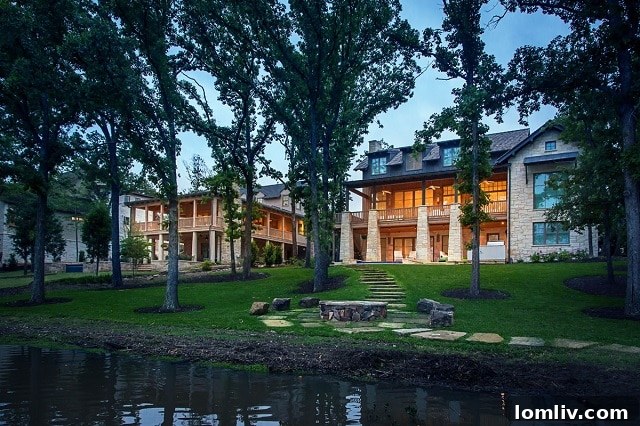
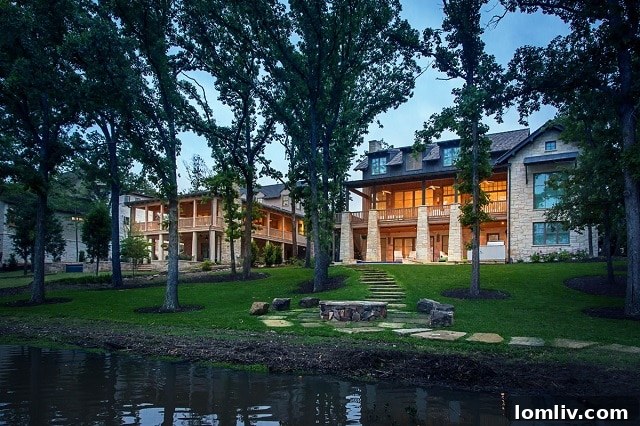
Designing the perfect vacation home goes far beyond aesthetic appeal. It requires a profound understanding of how people interact with their environment, especially when seeking relaxation and escape from daily life. For renowned architects, like Mark Hoesterey, principal architect at SHM Architects in Dallas, this involves a meticulous consideration of both interior and exterior spaces, a level of detail that often eludes the untrained eye. Hoesterey’s insights reveal that the most sought-after features in a luxury second home are not just about grandeur, but about thoughtful functionality and creating an unparalleled experience. From optimizing sun exposure to ingenious storage solutions, these architectural considerations transform a simple retreat into an extraordinary sanctuary. We delve into Hoesterey’s brilliant mind to uncover the essential elements that homeowners truly desire and undeniably need in their dream vacation property, ensuring every detail contributes to a seamless and memorable escape.
1. Embrace the “Big Hat” Principle: Strategic Sun and Shade Planning
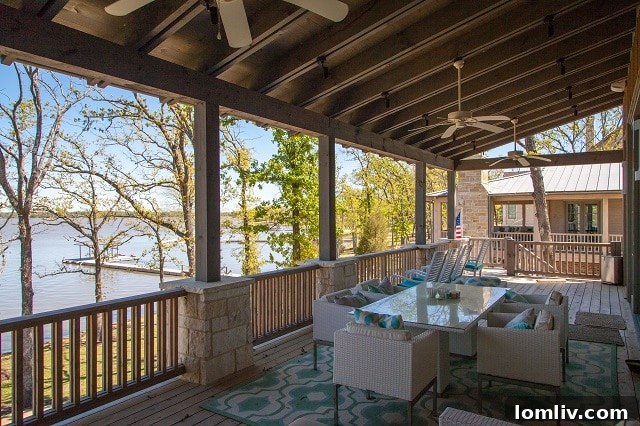
The wisdom of a cowboy’s wide-brimmed hat offers a powerful metaphor for optimal vacation home design. Just as the hat protects from the harsh sun, a well-designed home strategically incorporates overhangs and careful orientation to provide natural shade and harness prevailing breezes. This is particularly crucial in regions like Texas, where intense heat can quickly diminish comfort. When planning your dream vacation property, the initial and most vital step is a comprehensive analysis of the sun’s path and local wind patterns throughout the day and across seasons.
Hoesterey emphasizes, “When you’re looking at views for your home, you’re looking at the sun and shade very carefully because you’re planning spaces that tend to be for a higher percentage of outdoor use.” Vacation homes inherently encourage outdoor living – be it dining al fresco, lounging by the pool, or simply enjoying the natural surroundings. Without proper sun and shade management, these cherished outdoor spaces can become unbearable. Thoughtful design ensures that patios, decks, and even indoor areas bathed in natural light remain pleasant and usable, rather than becoming scorched or excessively bright. This principle not only enhances comfort but also contributes significantly to the home’s energy efficiency, reducing the reliance on air conditioning and creating a more sustainable and enjoyable environment for years to come. Investing in passive solar design principles is foundational to truly integrating your home with its natural landscape and maximizing the enjoyment of both indoor and outdoor living areas.
2. Generous Communal Spaces: Designed for Grand Gatherings
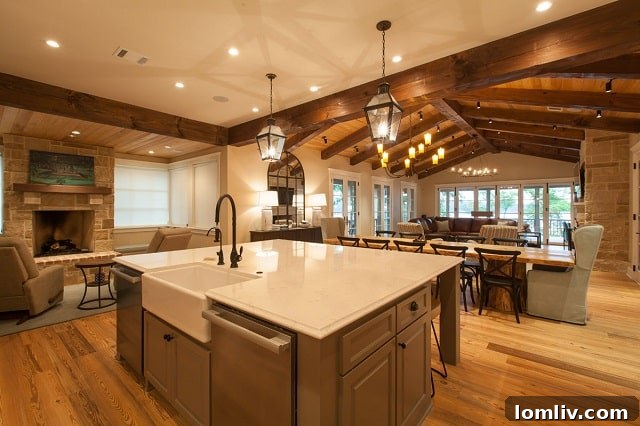
While a vacation home can certainly serve as an intimate retreat for a couple, the reality for many families is that it becomes a cherished gathering place for extended family and friends. Visions of summer barbecues, holiday celebrations, and spontaneous get-togethers demand a different approach to interior spatial planning. The core of a successful vacation home lies in its ability to comfortably host a “gaggle” of loved ones, fostering togetherness and shared experiences. This means prioritizing spacious and interconnected communal areas over isolated, overly private zones.
Hoesterey passionately advocates for communal spaces – such as the great room, kitchen, and adjacent outdoor living areas – that are significantly more generous than those found in a primary residence. “You want everybody to be able to feel like they’re together,” he explains. This doesn’t simply mean larger rooms; it implies an intelligent open-concept design where conversation flows freely from the kitchen island to the dining table and into the living area. The kitchen, often the heart of any home, becomes a central hub for collaborative cooking and casual mingling. Seamless transitions to outdoor patios, expansive decks, or inviting screened porches further extend the entertaining footprint, ensuring ample room for everyone to relax, dine, and socialize comfortably. These well-proportioned and thoughtfully linked spaces are fundamental to creating a truly welcoming and functional family-friendly vacation home, ensuring that every visit is filled with connection and joy.
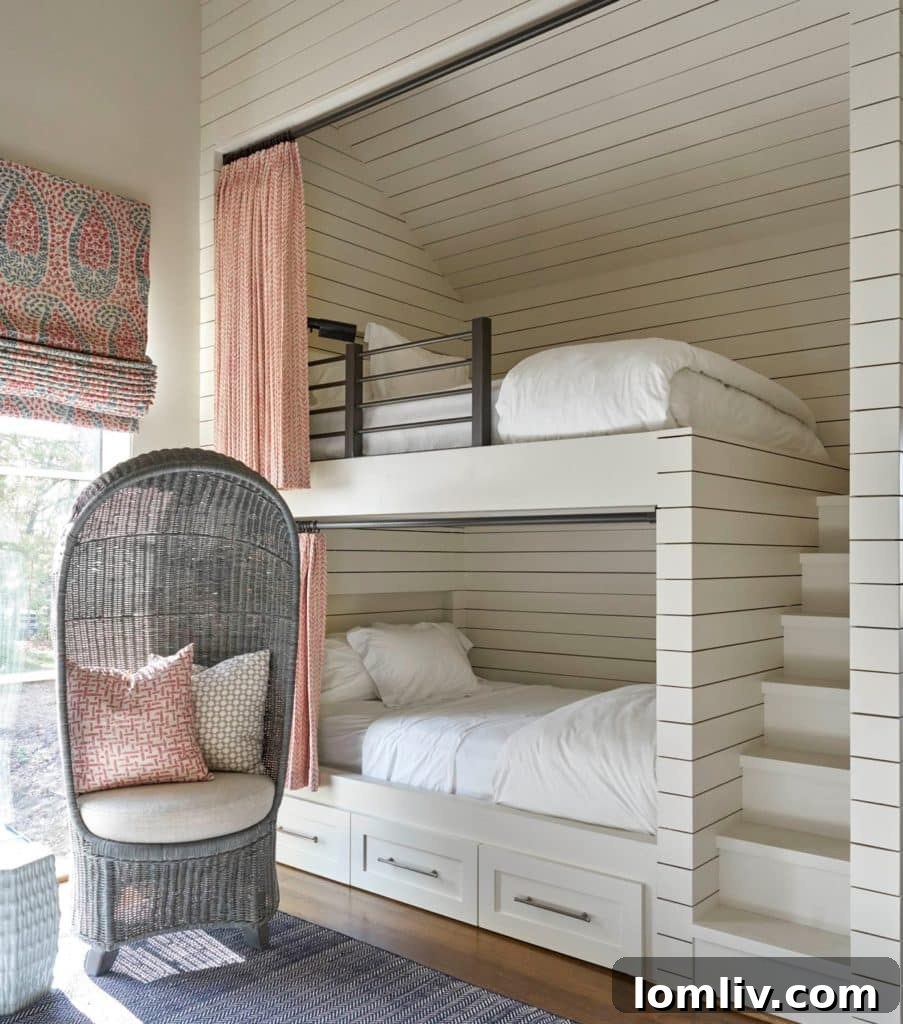
3. Smart Kids’ Bedrooms: Prioritizing Bed Count Over Room Count
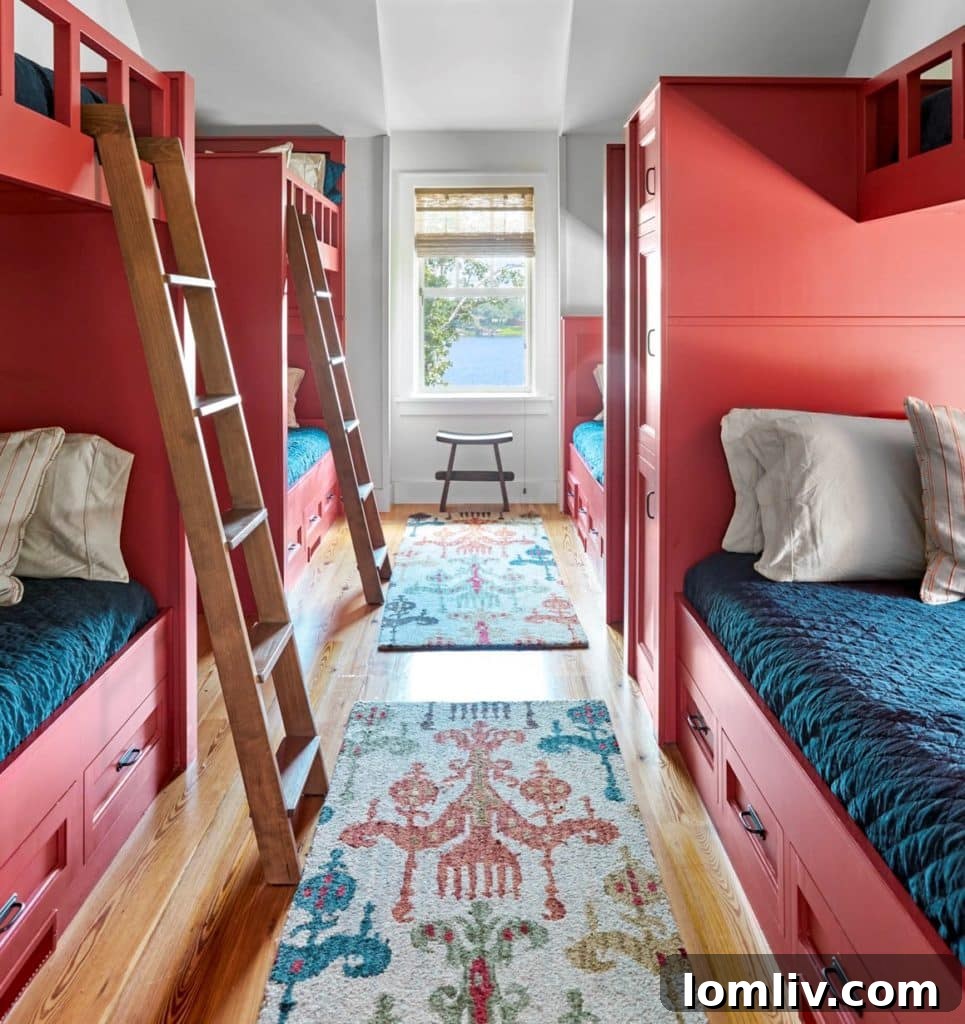
When designing bedrooms for the younger generation in a vacation home, the traditional notion of large, individual rooms often gives way to a more pragmatic and efficient philosophy: prioritizing “bed count” over “room count.” Hoesterey insightfully notes, “Someone once told me it’s really more about bed count than room count, so you have smaller, more efficient spaces where people are going to sleep because you’re trying to encourage them to be either outside or with a bigger group of people.” This approach aligns perfectly with the vacation home ethos, where the majority of waking hours are spent exploring, playing outdoors, or enjoying time with the larger family group.
Consequently, there’s no need for expansive, primary-suite-sized bedrooms for children in a second home. The more effective and beloved solution for kids’ rooms is the strategic incorporation of bunk beds. Bunk rooms offer a fantastic way to maximize sleeping capacity within a relatively compact footprint, allowing more kids to stay together and fostering a fun, camp-like atmosphere. Hoesterey highlights the charm of this design, explaining, “The scale is a little bit tighter and cozy.” Beyond space efficiency, bunk beds can be enhanced with thoughtful details. Adding individual curtains provides a valuable element of privacy, allowing children to create their own personal nook for reading or quiet time, even while others are still sleeping nearby. Integrated shelving, reading lights, and charging ports further elevate the functionality of these cozy, well-designed sleeping quarters, making them a popular and practical choice for any family-focused vacation property.
4. Vacation-Ware Wardrobes: Custom Closets for Casual Comfort
Conventional closet design often defaults to extensive hanging space, a feature that can be largely redundant in a vacation home. Unlike primary residences, where formal wear and business attire demand significant hanging rods, a second home caters to a different lifestyle: one of relaxation, comfort, and often casual clothing. Hoesterey explains that guests typically pack for seven days, needing space for a bag and a selection of clothes tailored to leisure. This necessitates a re-evaluation of traditional closet layouts, focusing instead on practical storage solutions for “vacation-ware.”
Designing smart closets for a vacation home means anticipating the type of clothing guests will bring most frequently. For a summer lake house or beach retreat, for instance, homeowners are unlikely to require multiple rows of single-rod hanging space. Instead, a few generous hanging sections for sundresses or lightweight shirts, combined with an abundance of built-in drawers, cubbies, and shelves, will be far more functional for storing shorts, t-shirts, swimwear, and casual accessories. Conversely, a winter ski chalet in a cold locale demands ample vertical hanging space for long coats, ski suits, and snow pants, alongside numerous shelves and drawers specifically designed for bulky sweaters, hats, gloves, and scarves. Hoesterey amusingly adds, “Plus drawers for kids. I’m lucky if my kids hang up any of their clothes.” This highlights the practical need for flexible, drawer-heavy storage that accommodates relaxed habits and diverse seasonal needs, preventing clutter and making unpacking and repacking a breeze.
5. The Indispensable “Costco Closet”: A Dedicated Pantry for Bulk Essentials
Here’s a feature you might not realize you desperately need until you experience its sheer convenience: the “Costco closet” or a dedicated, generously sized pantry designed for bulk items. A vacation home, by its very nature, often serves as a base for longer stays, large groups, and less frequent shopping trips. Guests arriving for a week-long getaway will appreciate not having to immediately embark on a major grocery run, and homeowners will find it invaluable for stocking up. Hoesterey highlights its necessity: “For a lake house, for example, you’ll have bulk non-perishables that you’re going to leave there.”
This dedicated storage area should offer ample shelving and floor space for industrial-sized quantities of everyday necessities. Think cases of paper towels, toilet paper, paper plates, and plastic cutlery – items that disappear quickly with a crowd. It also provides a home for bulk food items like large cans of tuna, family-sized condiments, and cases of beverages, including water, soda, or beer. Beyond household essentials, this pantry space is also crucial for accommodating what guests often bring: a potluck dish, extra drinks, snacks, or coolers. Without a designated area for these bulk and supplementary items, kitchen counters quickly become overwhelmed, and storage areas spill into general living spaces. A well-organized, spacious bulk pantry is a hidden gem in vacation home design, ensuring that the essentials are always on hand, reducing stress, and allowing everyone to simply relax and enjoy their time.
6. Locale-Specific Storage: Tailored for Every Adventure
Each type of vacation destination comes with its unique set of gear, equipment, and accessories. A truly thoughtful vacation home design anticipates these specific needs by integrating specialized storage solutions directly into the architectural plan. This isn’t merely about having extra closets; it’s about creating dedicated, purposeful spaces that prevent clutter, protect valuable equipment, and enhance the overall leisure experience. Hoesterey underscores the critical importance of building this kind of specialized storage into your vacation home from the outset.
Consider the distinct requirements of various popular vacation home types:
- Lakehouse: Owners will have bulky floats, paddleboards, kayaks, life vests, fishing rods, tackle boxes, and waders. A designated gear room with built-in racks, hooks, and shelving can keep these items organized and accessible, preventing them from accumulating in common areas or garages.
- Beach House: Sand-covered boogie boards, surfboards, beach chairs, umbrellas, and coolers are standard. An outdoor shower coupled with a “sand room” or mudroom entry designed for hosing off gear and storing it cleanly can be invaluable.
- Ranch House: Hunting equipment, fishing gear, ATVs, and equestrian supplies require secure and robust storage. Lockable closets, gun safes, and utility sheds built for heavy-duty use are essential for safety and organization.
- Ski Chalet or Mountain Home: Ski boots, skis, snowboards, helmets, and heavy winter outerwear need a well-ventilated mudroom or dedicated ski locker with benches for changing and specialized racks for drying gear.
By pre-planning for these locale-specific items, architects ensure that the vacation home remains tidy, functional, and ready for adventure, making it easier for guests to store their belongings and immerse themselves fully in the activities the destination offers.

“When you’re dealing with a second home, this is where people dream to be when they’re not doing their day-to-day grind,” Hoesterey aptly states. A vacation home is more than just a structure; it’s a vessel for creating cherished memories, fostering connection, and offering a serene escape. However, the unique challenge in designing such a space lies in striking a delicate balance. “But the unique struggle with it is that you’re creating a manmade footprint on the very environment you’re trying to celebrate,” he continues. This profound insight underscores the responsibility architects bear in crafting homes that not only meet the functional and aspirational needs of homeowners but also respect and enhance their natural surroundings.
Ultimately, thoughtful design is not merely an aesthetic choice; it’s a fundamental part of the special consideration you take when embarking on the journey of building a new, second home. It’s about blending comfort with sustainability, luxury with practicality, and personal dreams with environmental consciousness. By collaborating with visionary architects like Mark Hoesterey and the team at SHM Architects, homeowners can ensure their vacation property is a meticulously planned sanctuary, designed to deliver unparalleled enjoyment and lasting value, while harmoniously integrating into its beautiful locale.