
Owning Your Local Market in the Digital Age: Why Print Ads Fail Real Estate
The writing has been on the wall for quite some time: traditional print media, including newspapers and many magazines, finds itself in a precarious financial position. Once a cornerstone of information dissemination and advertising, these outlets are now grappling with rapidly shrinking audiences. This significant shift isn’t just affecting newsrooms; it has profound implications for a multitude of industries, particularly real estate, which has historically relied heavily on print for marketing and outreach.
Recent studies unequivocally underscore this dramatic change in consumer behavior. A comprehensive report released by the Pew Research Center in late September highlighted that print newspaper usage for local news hovered between 36% in metropolitan areas and 42% in smaller cities. More strikingly, newspaper website consumption was even lower, ranging from 31% in metro areas down to a mere 20% in smaller markets. This data paints a clear picture: the traditional newspaper, in both its physical and early digital forms, is struggling immensely to capture modern attention, steadily yielding its influence to more dynamic, accessible, and instantaneous digital platforms.
The Evolution of Media and the Rapidly Changing Real Estate Market
There was a time, not so long ago, when media options were wonderfully limited and life moved at a different pace. Daily newspapers delivered the morning news, radio broadcasts filled the airwaves with updates, and a handful of local TV stations provided the evening’s events. In this comparatively slower era, real estate agents could confidently advertise a property listing in a newspaper or a glossy magazine, secure in the knowledge that homes often stayed on the market for several months. This afforded ample time for print advertisements to circulate, reach potential buyers, and generate sustained interest, making such marketing investments seem both logical and highly effective.
However, that landscape has irrevocably transformed. Today, the real estate market operates at an unprecedented, lightning-fast pace. Properties are frequently under contract, if not completely sold, long before a monthly or even weekly magazine ad can even hit the newsstands. For real estate professionals who continue to channel substantial portions of their marketing budgets into these increasingly outdated print channels, the harsh reality is stark: their precious ad dollars are rapidly diminishing in value, often dissolving with minimal to no return on investment. It’s a costly oversight in a market that demands immediacy, agility, and precise targeting.
But amidst this challenging transition, there is a clear, proven, and effective path forward, promising a much higher yield on your marketing efforts and a stronger connection with your target audience.
Empowering Realtors: A Free Online Marketing Class for Digital Dominance
In direct response to this critical shift in consumer behavior and market dynamics, CandysDirt has partnered with BubbleLife to offer an invaluable opportunity: a free online marketing class designed specifically for realtors. This comprehensive course is meticulously crafted to equip real estate professionals with the essential skills to strategically leverage social media and email marketing, empowering them to effectively own and dominate their local markets in the digital sphere.
The significant advantage of this class lies not only in its rich, actionable content but also in its unparalleled accessibility and cost-effectiveness. The vast majority of the cutting-edge techniques taught are free to implement, making this an ideal resource for agents eager to maximize their impact without incurring substantial additional expenses. The live session is conveniently scheduled for Tuesday, July 22, at 11:30 am CT, allowing you to attend comfortably from the convenience of your own PC or iPad. To secure your valuable spot and begin the journey of transforming your real estate marketing strategy, simply visit: http://www.realtormarketingclass.com/. There’s absolutely no charge, just pure, practical knowledge waiting for you to harness.
The modern media landscape is in a state of perpetual flux, a volatility that closely mirrors the dynamic and often unpredictable nature of our real estate market. At daltxrealestate.com, we are profoundly committed to helping you navigate this complex environment with confidence and success. We continuously seek out the latest insights, innovative tools, and proven strategies, ensuring you are always equipped with the best possible resources to thrive. Consider this your invitation to stay informed, adapt, and lead in the evolving world of real estate. In fact, we’re constantly on the move, loading up the oars at events like Inman Real Estate Connect, to bring you the freshest perspectives and most effective strategies. Stay tuned for continuous updates and groundbreaking insights.
The Decline of Print: A Powerful Cautionary Tale for All Industries, Including Real Estate
The demise of print media is far from an abstract economic theory; it’s a palpable reality that has had a profound impact on countless individuals and organizations. As someone who personally worked at D Magazine, and having seen fellow journalists within NAREE grappling with the very real threat of job losses, the struggle feels deeply personal and immediate. To truly grasp the gravity of this shift, consider the unsettling example of the Orange County Register in California—a publication that once served as a robust, weekly local news source for a high-net-worth community, strikingly similar to Dallas’s affluent Park Cities or Preston Hollow neighborhoods.
In June, the newspaper implemented a mandatory two-week furlough for every single employee, a drastic measure that followed dozens of layoffs just the previous January, alongside the offer of voluntary severance packages. This grim situation became a prominent and somber topic of discussion in Houston that same month, with OCR employees expressing profound fear, worry, and uncertainty about their livelihoods and professional futures. The Orange County Register had, ironically, once been celebrated as “a poster child for confident community news investment and a revival of targeted print,” largely due to the ambitious, if perhaps overly optimistic, vision of publisher Aaron Kushner. His conviction was so strong that he even launched an L.A. Register in December, despite increasingly visible “yellow flags” signaling imminent financial distress and unsustainable business practices.
Just two months prior to the ill-fated L.A. Register launch, the company had boldly announced the acquisition of the neighboring Riverside Press-Enterprise for a hefty $27 million from A.H. Belo. The finalization of this deal, which occurred around Thanksgiving, was unfortunately marred by public embarrassment as the precarious and high-wire financial maneuvers required to secure the necessary cash and close the transaction became painfully clear. Then, in January, merely weeks after the grand announcement of the L.A. Register, the Register abruptly eliminated 32 jobs from its newsroom. This strategic upheaval prompted the resignation of its four top newsroom leaders, including long-serving editor Ken Brusic, in a move that was a clear blend of principled protest and pure emotional resignation. A critical question immediately arose: who would staff the ambitious Los Angeles Register—a publication intended to serve a population three times larger than Orange County in neighboring L.A. County—if jobs were being drastically cut in its home county? The answer eventually came as approximately forty existing staffers were prepared for transfer across the county line; crucially, no new journalism jobs were to be added. This entire episode serves as a powerful, cautionary tale, vividly illustrating the inherent perils and ultimate futility of clinging to an outdated business model in the face of overwhelming and inevitable digital transformation.
While this might initially appear to be a concern exclusively for the publishing industry, it holds immense and direct relevance for real estate professionals. For generations, agents have consistently poured substantial marketing dollars into print advertisements, operating under the long-held, yet increasingly misguided, belief that this was the most effective avenue for connecting with potential buyers. Yet, as real estate agents continue to allocate significant funds to print, they are, in essence, no different from the “risk-blind” investors and publishers like Kushner, whose contrarian business strategies—while perhaps well-intentioned in their attempts to revive a dying medium—have, without exception, proven to be ineffective and ultimately catastrophic.
The fatal flaw embedded in many of these traditional strategies has been a pervasive and often stubborn over-investment in print, a medium that continues its slow but inevitable decline. This has been consistently coupled with a severe and shortsighted under-investment in robust digital platforms. This profound imbalance has not only exacerbated the negative effects of poor strategic planning but has also highlighted a fundamental failure to adapt to rapidly evolving consumer preferences and technological advancements that redefine how information is consumed and acted upon.
As we’ve repeatedly emphasized, an accelerating number of people are now consuming news and, by direct extension, all forms of critical information, electronically. They do so through a diverse array of new mediums and devices, a trend that has undeniably watered down the audiences of traditional media outlets and rendered their advertising spaces increasingly ineffective and economically unsound.
So, given this undeniable and accelerating trend, a critical question arises: why do so many real estate agents persist in advertising with traditional media, clinging to methods that clearly no longer yield optimal results? It’s a question that demands not just an answer, but a pragmatic, urgent shift in strategy.
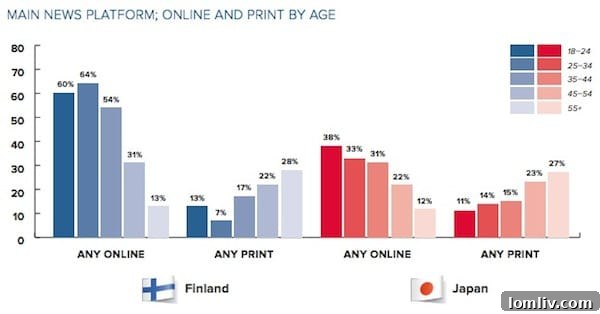
According to a new, authoritative survey published by the Reuters Institute for the Study of Journalism at Oxford, smartphones have unequivocally emerged as the primary disruptors, commanding an ever-larger and more significant share of our collective attention. A remarkable 37 percent of survey respondents reported accessing news on their phone at least once a week, with a substantial 20 percent primarily relying on mobile devices for their news consumption. This trend is not merely static; it is accelerating rapidly, with projections suggesting this figure will surge to 57% or more in the coming year. Concurrently, the percentage of readers who are actually willing to pay for news has remained stubbornly stagnant. Even in countries with a historically robust print culture, such as Finland, the data clearly shows that smartphones are overwhelmingly winning the battle for consumer attention and engagement.
“People often discuss smartphones and tablets interchangeably, but I believe the smartphone is the true disruptor,” noted digital strategist Nic Newman, one of the study’s insightful co-authors. He further observed that, generally, tablet users tend to skew older demographically. “It’s inherently more mobile, profoundly more personal, and perpetually at hand.” This deeply personal and pervasive nature of the smartphone makes it an unparalleled and indispensable channel for reaching potential real estate clients directly, immediately, and with unmatched efficiency, forming the bedrock of modern real estate marketing.
The Myth of Paid Digital News: Lessons for Realtors’ Content Strategy
In the face of steadily declining advertising revenues, many traditional publishers attempted to pivot their business models by making readers pay for news content, often through various forms of digital subscriptions or paywalls. However, despite these widespread and often aggressive efforts across the industry, data collected over the past year reveals strikingly little change in the absolute number of people globally who are willing to pay for digital news. In the vast majority of countries, the percentage of online users who actually pay for any news content hovers around a mere 10%, and in some significant cases, it is even less than that.
These consistent findings align precisely with recent Pew research reports conducted in the United States, which strongly suggest that increased industry activity in monetization strategies does not necessarily translate into a larger number of individuals actually paying for news. Instead, it indicates that “more revenue is being squeezed out of a smaller, or at least flat, number of paying consumers.” This fundamental reality carries a crucial lesson for real estate professionals: consumers in the digital age largely expect information, especially highly accessible and relevant information like local property listings, market insights, and agent profiles, to be readily available and free of charge. Crafting a content strategy that recognizes this inherent expectation is paramount for effective engagement, lead generation, and ultimately, success in today’s real estate market.
Realtors: Navigating the Digital Transition to Unprecedented Success
It’s enough to make your head spin with the volume of shifting data and rapidly evolving trends, isn’t it? Yet, the overarching message is unequivocally clear and compelling: consumers are no longer primarily turning to print for their news, and by direct extension, they are not relying on it for their property searches or critical real estate information. Instead, they are everywhere—on their smartphones, tablets, and personal computers, constantly connected and actively seeking out information on demand, whenever and wherever they need it. Consequently, a rapidly growing number of truly forward-thinking realtors are keenly recognizing this undeniable shift and are wisely reallocating their invaluable marketing resources away from obsolete print channels and towards dynamic, measurable, and highly effective digital platforms.
However, the transition process, while absolutely necessary, isn’t always immediately straightforward or clear-cut for every agent. The critical question for many agents remains: how do you effectively replace traditional print advertisements with sophisticated online strategies to generate more high-quality leads, attract larger crowds to open houses, cultivate meaningful client relationships, enhance your personal brand, and ultimately, sell more homes in a competitive and fast-paced market? This is precisely where our expertise and guidance become indispensable. We are here to illuminate the path, providing the practical tools, strategic insights, and confidence you need to not just survive, but truly thrive and achieve unprecedented success in this new digital real estate landscape.
Visualizing the Digital Shift: Key Consumer Data & Preferences for Realtors
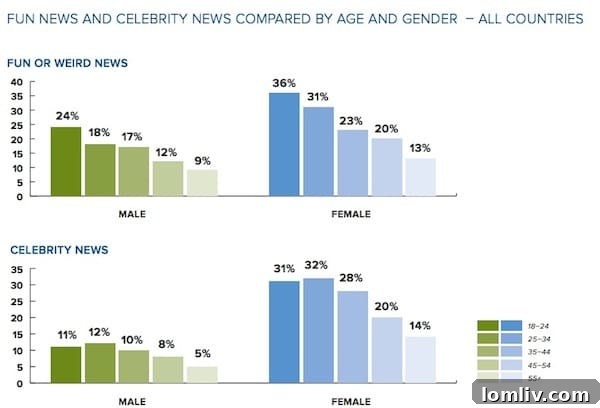
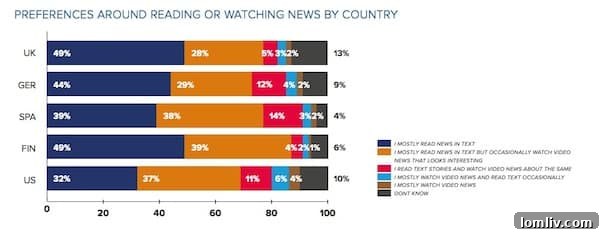
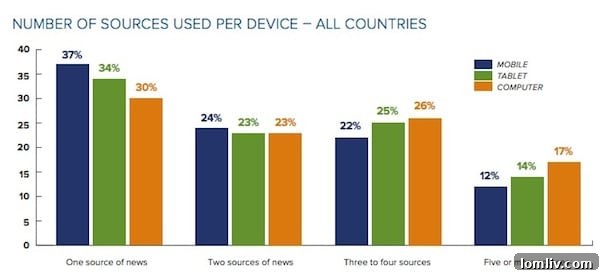
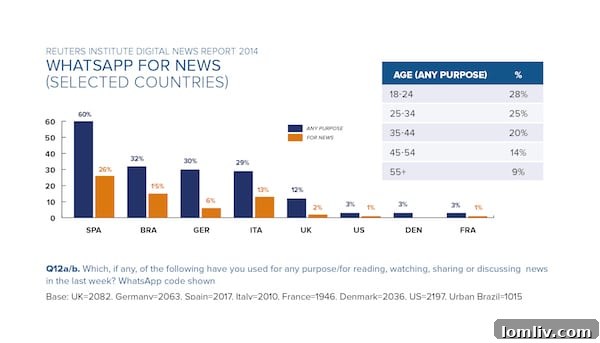
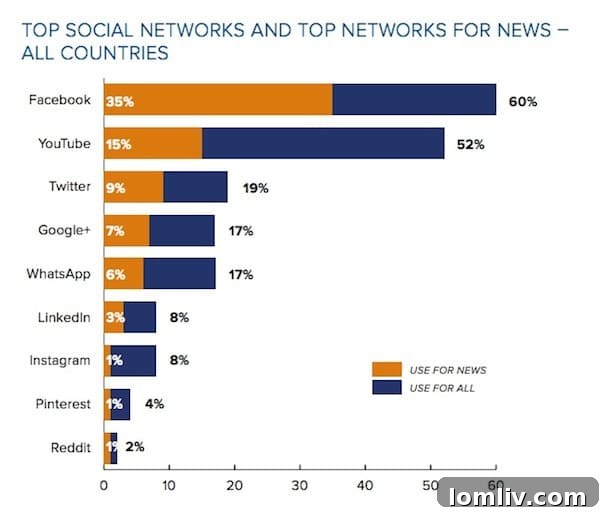
The following compelling graphics provide undeniable visual evidence of the seismic shifts in media consumption habits and user preferences discussed extensively throughout this article. They powerfully underscore the profound urgency and absolute necessity for all real estate professionals to wholeheartedly embrace and master robust digital marketing strategies in order to remain competitive, relevant, and successful in the modern market.