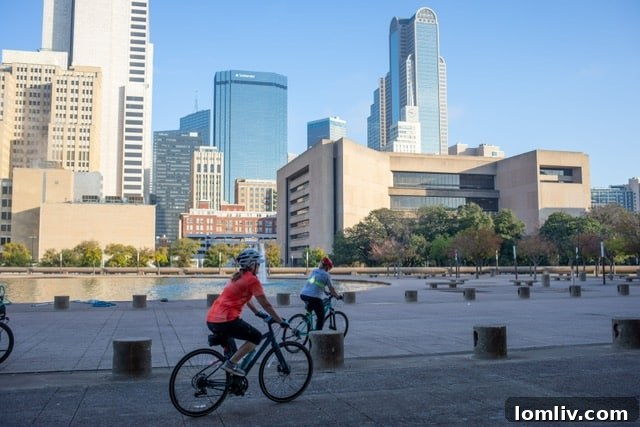
Dallas, a vibrant and expanding metropolis, is on the cusp of a significant transformation in its urban landscape. City leaders are increasingly recognizing the imperative of fostering a more walkable and bikeable environment, not just for recreation but as a core component of sustainable urban development. A recent Dallas City Council briefing underscored this commitment, highlighting that while a comprehensive vision is vital, the immediate and most impactful steps involve connecting existing bike paths and rigorously ensuring the safety of all cyclists and pedestrians.
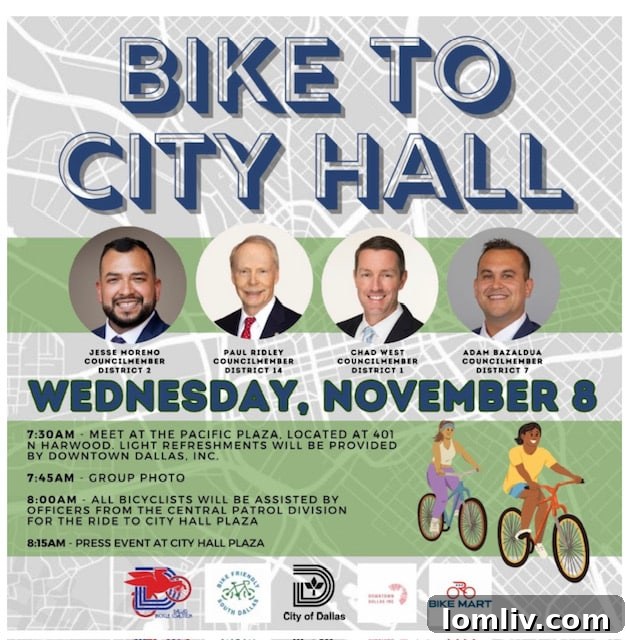
The urgency of this initiative was palpable, with three City Council members set to demonstrate their commitment by cycling to City Hall in the coming week. This symbolic gesture comes as discussions intensify around a proposed update to the Dallas Bike Plan, an ambitious blueprint poised to redefine urban mobility for residents and visitors alike.
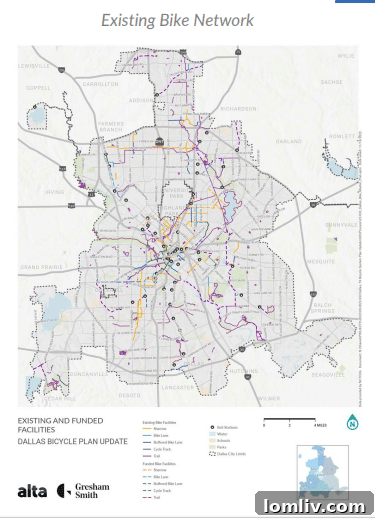
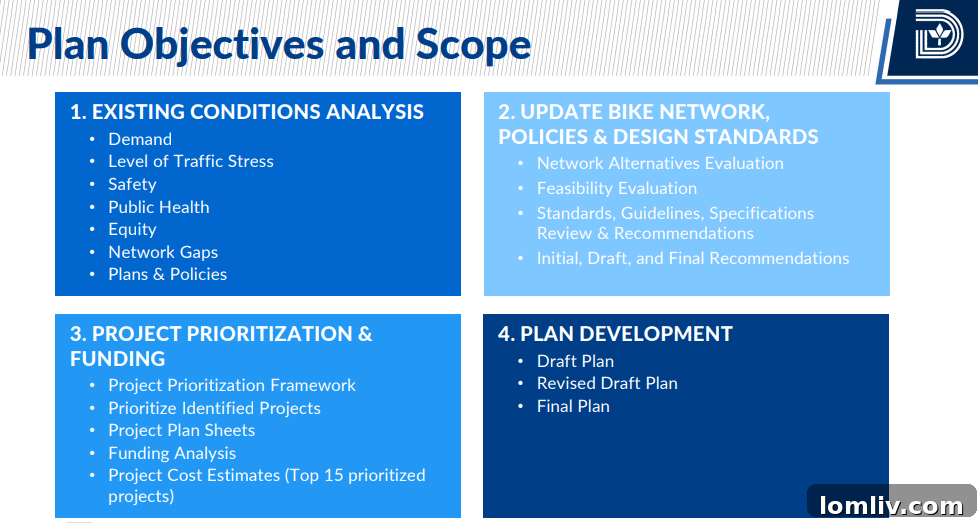
Gus Khankarli, the Director of Transportation, provided a comprehensive update to council members. He detailed the extensive efforts undertaken by his staff, which include refining a citywide bicycle network map, developing state-of-the-art bike facility standards, meticulously prioritizing future projects, and launching educational campaigns to inform and engage residents in this transformative endeavor. This multi-faceted approach aims to create a robust and user-friendly cycling infrastructure that caters to a diverse range of urban needs.
The updated Dallas Bike Plan is a monumental undertaking, proposing an impressive 536 miles of improvements and strategic additions to the already existing network. This ambitious expansion is not merely about increasing mileage; it’s about intelligent growth designed to maximize utility and safety.
As Khankarli elaborated during his presentation, the primary objectives of these updates are clear: to seamlessly connect existing network gaps, significantly enhance public safety for all road users, and forge crucial connections to Dallas’s extensive trail systems and vital public transit hubs. This integrated approach envisions a future where cycling is not an isolated activity but a central, well-integrated mode of transportation within the broader urban fabric. The Dallas City Council is expected to formally adopt this groundbreaking updated bike plan in early 2024, marking a pivotal moment for the city’s sustainable transportation initiatives.
Implementing The Dallas Bike Plan: From Vision to Reality
While the updated plan garnered broad support for its ambitious scope, the discussion also highlighted critical considerations for its practical application. Councilman Chad West articulated a common sentiment, expressing his satisfaction at the prospect of a forthcoming “implementation piece.” He emphasized that a plan, however well-intentioned, remains a theoretical document without a clear roadmap for execution.
“The plan reads more like a consultant document than an actual plan,” West observed, underscoring the necessity for a tangible, actionable strategy. He firmly stated, “Before we publish anything that’s called a plan, I think we need to include that implementation piece. That really needs to be at the core of this, because that’s what everyone’s going to look at. This other stuff is just window dressing.” This powerful statement underscored the council’s desire for concrete actions and measurable outcomes rather than abstract proposals.
To ensure a robust and flexible implementation strategy, Councilman West specifically requested that city staff, as they develop this crucial “implementation piece,” present three distinct options for financing. These options would cater to different levels of ambition and resource availability:
- **A Conservative Option:** This approach would utilize a funding plan similar to what has been successfully employed in recent years, focusing on incremental, sustainable growth.
- **An Aspirational Option:** This more ambitious pathway would outline the resources and strategies needed for Dallas to evolve into a model city for cycling, setting a benchmark for urban bike infrastructure.
- **A Middle-Ground Approach:** This option would strike a balance between conservative growth and aspirational goals, offering a pragmatic yet forward-looking trajectory for the city’s cycling future.
Beyond financing, the councilman also called for a comprehensive project priority matrix. This matrix would enable the city to allocate resources and plan projects based on either a geographic approach, targeting specific areas or neighborhoods for development, or a targeted ridership approach, focusing on routes and segments most likely to be utilized by the cycling community. This strategic framework ensures that implementation efforts are both equitable and impactful.
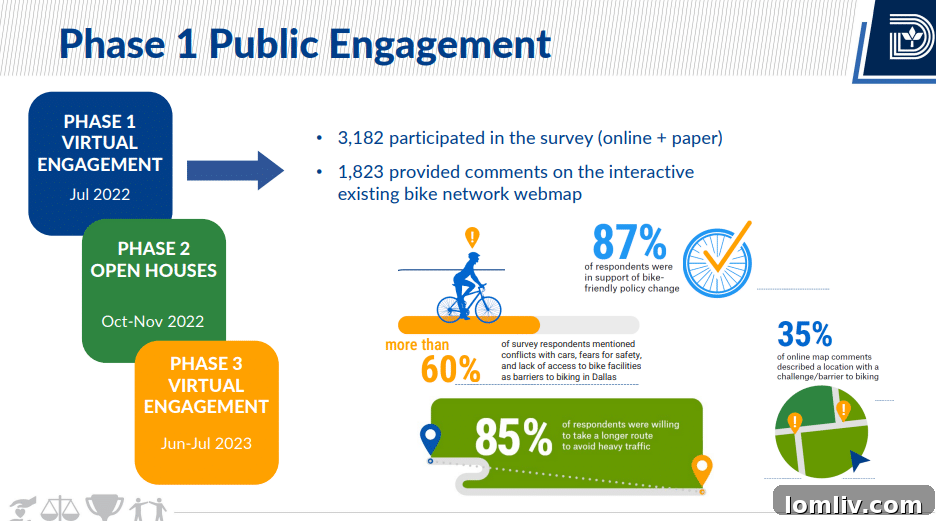
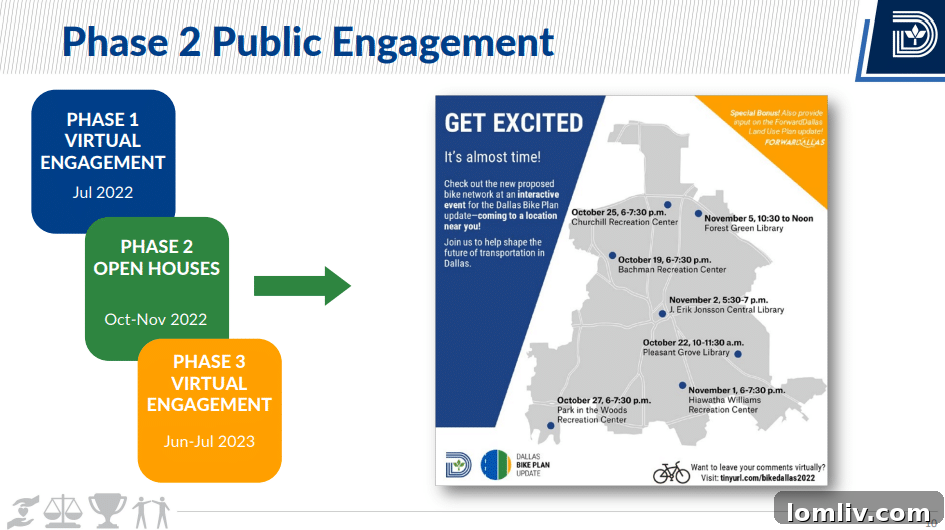
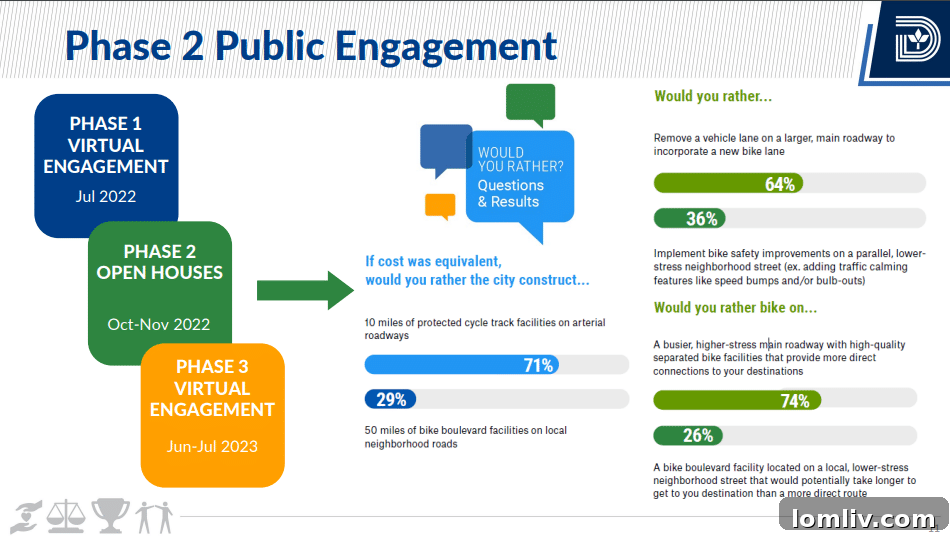
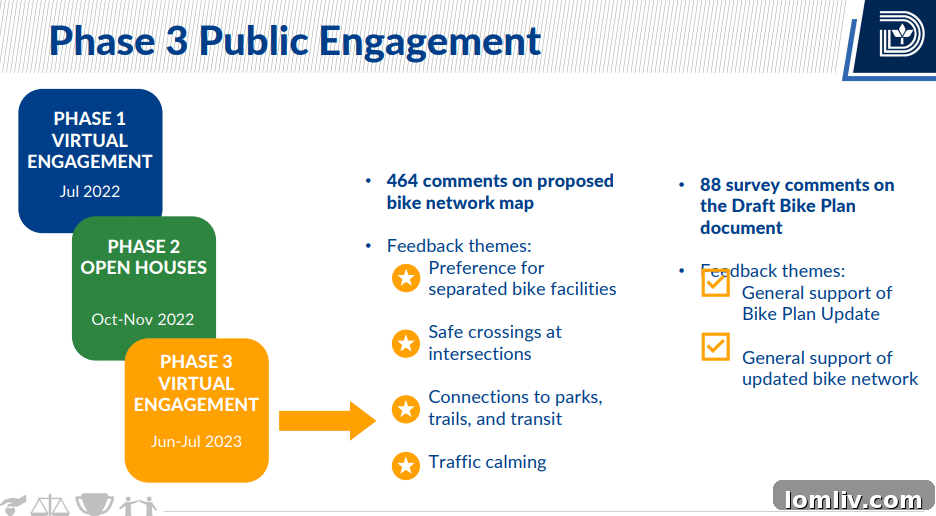
Acknowledging the importance of public input, Khankarli confirmed that while the proposed changes have already undergone an extensive community engagement process, the possibility of holding another public workshop remains open. This additional round of consultation could be instrumental in fine-tuning the plan before the council’s final adoption next year, ensuring that community voices are heard and integrated into the ultimate design.
However, the plan’s reception is not universally uniform across all districts. District 12 Councilwoman Cara Mendelsohn articulated the specific concerns of her constituents, noting that residents in her district are not particularly receptive to the bike plan as currently envisioned. “I would definitely agree with the need for another round [of public input], now that you’ve got a map of what you’re thinking,” she stated, highlighting the importance of concrete visuals for community feedback. She explained the unique challenges faced by her district: “It’s very clear to me that different parts of the city have different needs. My district is surrounded by highways. All of the major roads are actually part of the highway network.”
Mendelsohn provided a stark example, noting that Campbell Road, where a new bike lane is proposed, already carries approximately 17,000 cars per day. “It’s already very heavy traffic,” she emphasized. “If they were willing to convert to bikes, maybe that works out. I rarely see somebody on a bike on one of the roads. They are on the trails, though.” This observation highlights a critical challenge: integrating cycling infrastructure into areas dominated by heavy vehicular traffic and where cycling culture on roads is less prevalent.
District 9 Councilwoman Paula Blackmon echoed the need for clarity, urging that the plan be guided by a singular, overarching “North Star” or guiding focus. “You can’t have multiple North Stars,” she asserted, advocating for a clear, unified vision. She proposed that the primary focus should be “providing meaningful transportation through bike mobility,” with subsequent goals and resource allocation flowing from this central objective. This emphasis on a defined purpose ensures that all efforts are aligned and contribute effectively to the plan’s core mission.
Adding another layer to the discussion, Deputy Mayor Pro Tem Carolyn King Arnold, known for her advocacy for equity among council districts, shared a different perspective from District 4. She noted that her constituents’ immediate priorities lie with essential street repairs rather than new bike lanes. “I think there are some targeted neighborhoods that will benefit from this particular design, but where I am right now, our constituents are continuing to ask for road and street improvements so they can drive their cars,” she explained. “We need to work on that first.” Her comments underscore the complex interplay of urban planning, community needs, and equitable resource allocation, reminding leaders that basic infrastructure needs often take precedence for many residents.
Impact on Neighborhoods and Reimagining Dallas Infrastructure
The historical development of Dallas’s infrastructure, primarily designed for motor vehicles, presents both challenges and unique opportunities for integrating a robust cycling network. As Khankarli explained, this car-centric legacy has led to instances of “bike to nowhere” – disconnected segments of bike paths that abruptly end without logical continuity. “One of the challenges that we have here is we have ‘bike to nowhere’ in some locations,” he highlighted. “You’ll be biking and all of a sudden you’re in the middle of an intersection that doesn’t connect to anything. We want to start looking at these gaps to make sure we have connectivity.” This objective of creating seamless, connected routes is fundamental to making cycling a viable and enjoyable mode of transportation.
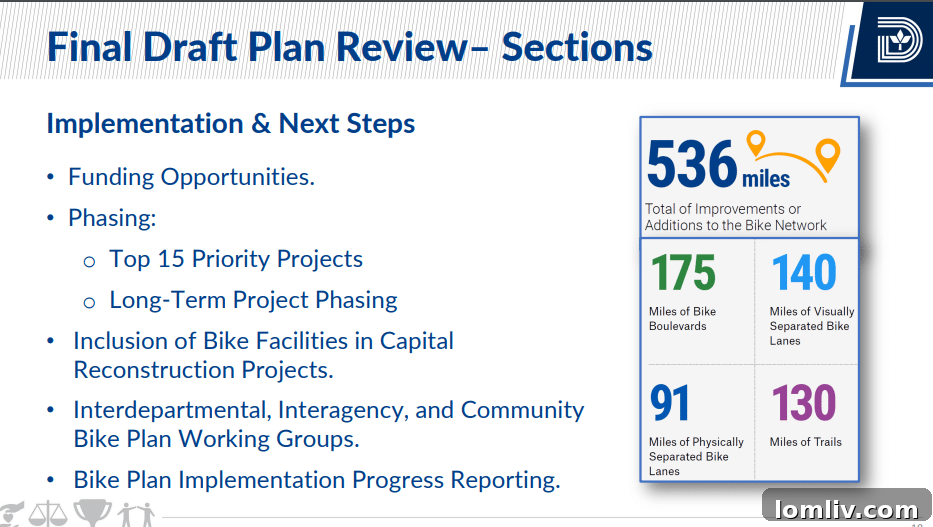
Chief Transportation Planner Kathryn Rush introduced the concept of “bike boulevards” as a key strategy for integrating cycling infrastructure thoughtfully into residential areas. These shared lanes, designated for both bicycles and vehicles, are not just about facilitating cycling; they serve a crucial role as traffic-calming measures, effectively lowering motorist speeds within residential neighborhoods. This design approach enhances safety for all residents, making streets more pleasant and accessible. Rush also noted that planners have made concerted efforts to avoid placing bike facilities on streets directly fronting homes, minimizing potential conflicts and preserving residential tranquility.
District 2 Councilman Jesse Moreno articulated a compelling argument for additional bike lanes, emphasizing their role in promoting traffic law obedience and encouraging safer driving habits. He pointed out that in increasingly dense areas, particularly within the Central Business District, roads often exceed their capacity for high-volume car traffic. Moreno sees these congested thoroughfares as prime candidates for transformation: “As we look at roads throughout the city especially here in the [Central Business District] where it’s more dense now and we have roads that no longer have the capacity for high-volume traffic, those are perfect opportunities to convert those lanes into bike lanes.” He underscored the efficiency of this approach, stating, “The infrastructure is already there,” implying that such conversions can be a cost-effective way to repurpose existing urban space for sustainable mobility.
The Broader Benefits of a Bicycle-Friendly Dallas
Beyond alleviating traffic and enhancing safety, the updated Dallas Bike Plan is poised to unlock a multitude of benefits for the city and its residents, contributing to a more sustainable, healthy, and vibrant urban future.
- Economic Vitality: A robust bike network can stimulate local economies. Cyclists tend to shop at local businesses, supporting community growth. Bike tourism can also flourish, attracting visitors eager to explore Dallas’s unique neighborhoods and attractions on two wheels. Moreover, cities with excellent cycling infrastructure often see increased property values along these routes, signaling a higher quality of life.
- Environmental Stewardship: Shifting away from car-centric commuting, even partially, can lead to significant environmental improvements. Reduced reliance on automobiles translates to lower carbon emissions, improved air quality, and decreased noise pollution. This aligns with broader global efforts to combat climate change and create healthier urban ecosystems.
- Public Health and Well-being: Promoting cycling directly encourages physical activity, which is crucial for public health. Regular cycling can help combat obesity, reduce the risk of chronic diseases such as heart disease and diabetes, and improve mental well-being. A bike-friendly city empowers residents to integrate exercise seamlessly into their daily routines.
- Enhanced Equity and Accessibility: For many residents, especially those without access to a private vehicle, cycling offers an affordable and efficient mode of transportation. A well-connected bike network can provide equitable access to jobs, education, healthcare, and recreational opportunities, thereby reducing transportation-related disparities and fostering greater social inclusion.
- Traffic Reduction and Congestion Relief: As more residents opt for bicycles for short-to-medium distance trips, the overall volume of vehicular traffic on Dallas streets can decrease. This not only eases congestion but also reduces the demand for parking, making city centers more pleasant and efficient for everyone.
- Improved Quality of Life: Ultimately, a bikeable city is a more livable city. Streets become safer, neighborhoods are quieter, and public spaces are more inviting. The ability to move freely and actively through one’s city contributes to a greater sense of community, engagement, and overall urban enjoyment.
Challenges and the Path Forward for Dallas Cycling
While the vision for a bike-friendly Dallas is clear, realizing it will require overcoming several inherent challenges. Securing consistent and adequate funding, navigating public acceptance in traditionally car-dependent areas, and strategically adapting existing infrastructure built for a different era are significant hurdles. However, the commitment demonstrated by the Dallas City Council and the transportation department signals a proactive approach to these obstacles.
The ongoing dialogue, the willingness to conduct additional public workshops, and the detailed requests for implementation strategies and financing options all point to a thoughtful and adaptive planning process. Dallas is not just building bike lanes; it’s investing in a fundamental shift in its urban identity – one that prioritizes health, sustainability, and community connectivity. The adoption of the updated Dallas Bike Plan in early 2024 will be a landmark moment, setting the city on a promising trajectory towards becoming a truly active and accessible urban center.
The journey to a fully integrated, bike-friendly Dallas is an evolutionary one, requiring continuous collaboration between city leaders, urban planners, and the community. By focusing on smart connections, unwavering safety, and robust implementation, Dallas is poised to transform its urban mobility landscape, paving the way for a healthier, more environmentally conscious, and economically vibrant future for all its residents.