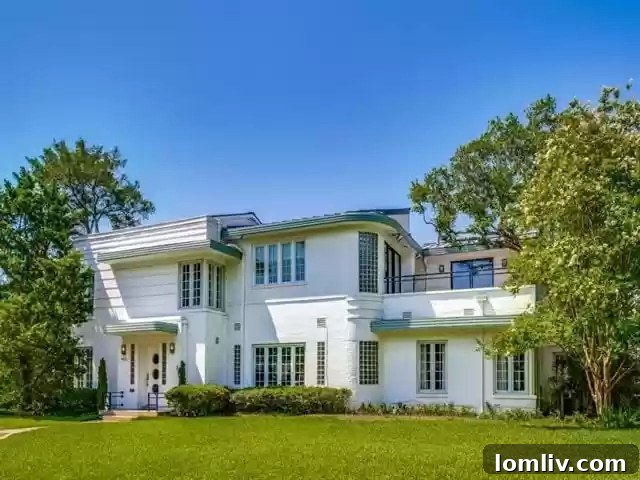
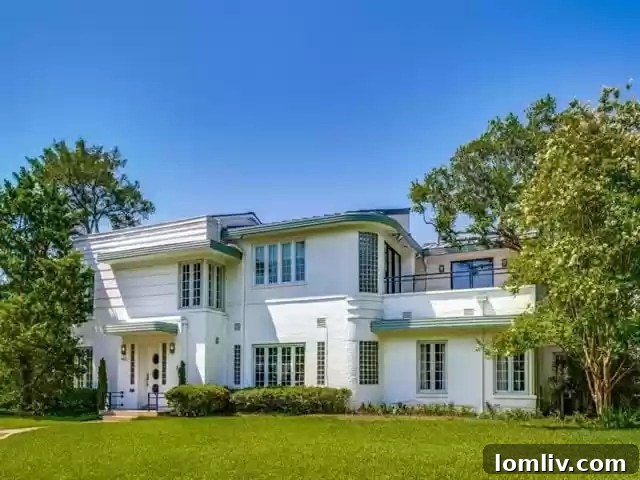
Unveiling a Dallas Masterpiece: The East Kessler Art Deco Home with a Storied Past
The true essence of a home extends far beyond its structural blueprints; it resides within the captivating narratives etched into its very walls. In the heart of Dallas’s prestigious East Kessler neighborhood, an extraordinary Art Deco residence stands as a testament to this timeless truth. Built in 1939, this architectural marvel isn’t just a house; it’s a living archive, blending exquisite design with an intriguing history that weaves through the vibrant, and at times shadowy, tapestry of Dallas’s past.
This distinctive property was brought to life by Maurice Peterman of Peterman Brothers, a name less commonly associated with residential projects. Peterman’s portfolio largely comprised significant commercial and government undertakings, from sprawling bakery plants to the Dallas County juvenile headquarters and a substantial 1937 addition to the Mount Auburn school in East Dallas. His involvement in this East Kessler home, therefore, speaks volumes about its inherent quality and robust construction. It’s a rare residential example of an architect whose expertise was typically reserved for large-scale, durable structures, guaranteeing a level of craftsmanship that sets this home apart. Furthermore, this residence holds the distinction of being one of the exceedingly few Art Deco homes found within the East Kessler area, amplifying its unique appeal and historical significance.
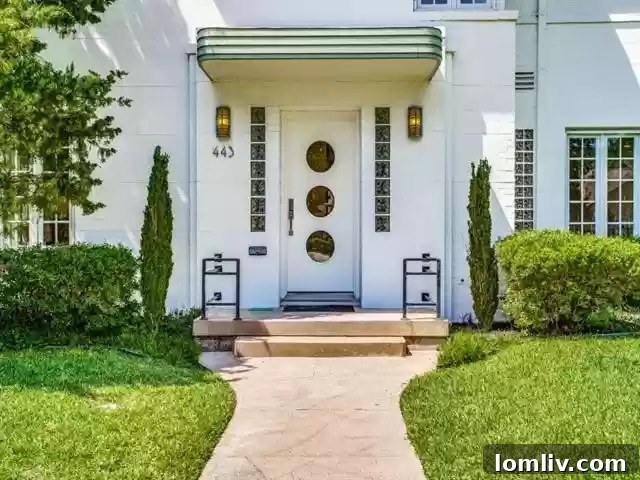
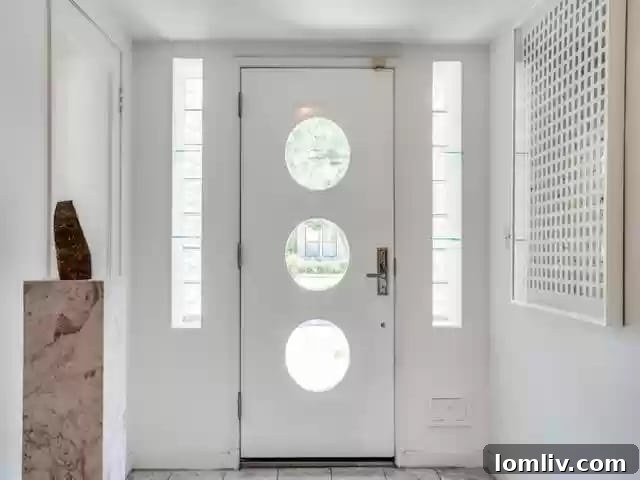
The Art Deco movement, flourishing in the 1920s and 30s, celebrated modernity, glamour, and optimism. Characterized by sleek lines, geometric patterns, rich colors, and luxurious materials, it was a style that symbolized progress and sophistication. In residential architecture, especially in regions like Dallas, pure Art Deco expressions are notably scarce, making this East Kessler property a true jewel. “I think there are only four in Oak Cliff,” noted Jason Saucedo, a respected Realtor with Hewitt + Saucedo, underscoring the extreme rarity of such homes. He highlights another iconic example, the Art Deco house at 1302 Cedar Hill, built in 1936 as the first all-electric home for the Texas Centennial. While that property is a renowned piece of Dallas history, this 1939 East Kessler residence offers its own distinct charm and an unexpected grandeur that rivals its contemporaries.
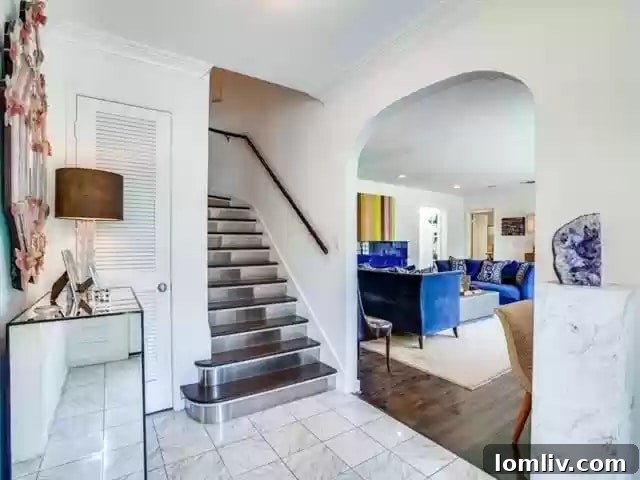
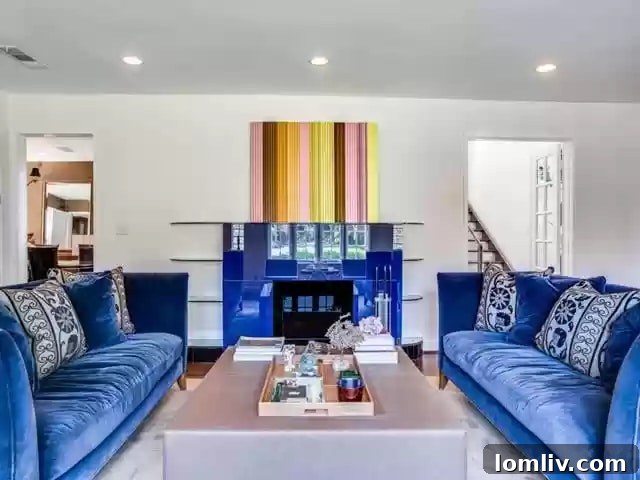
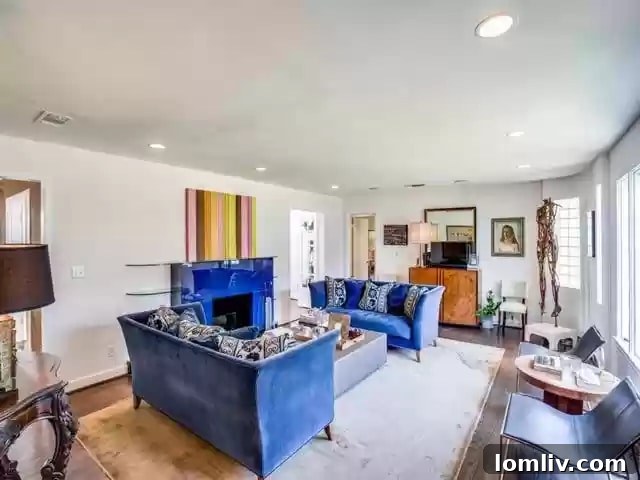
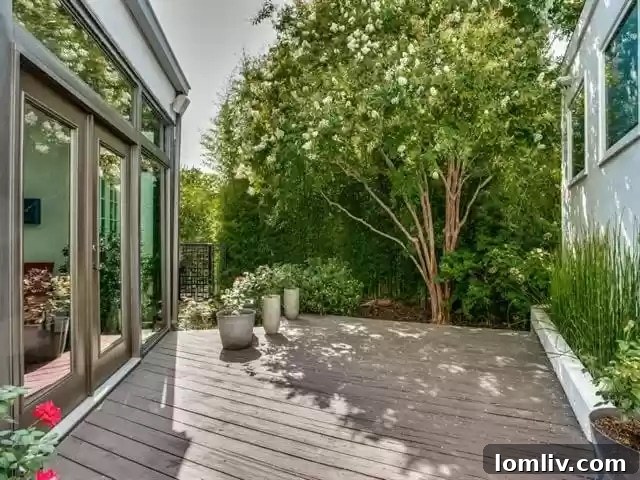
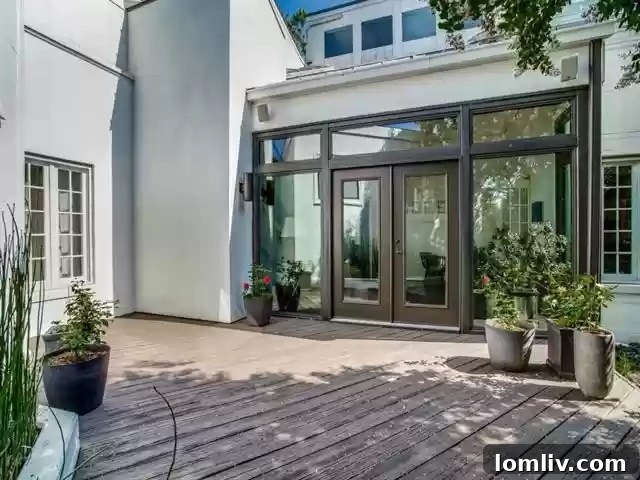
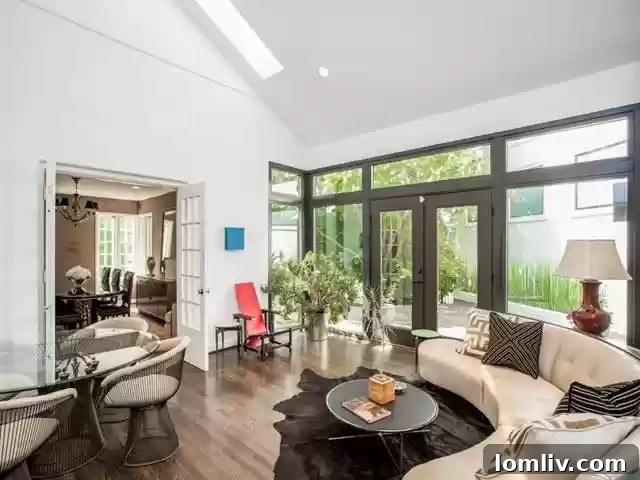
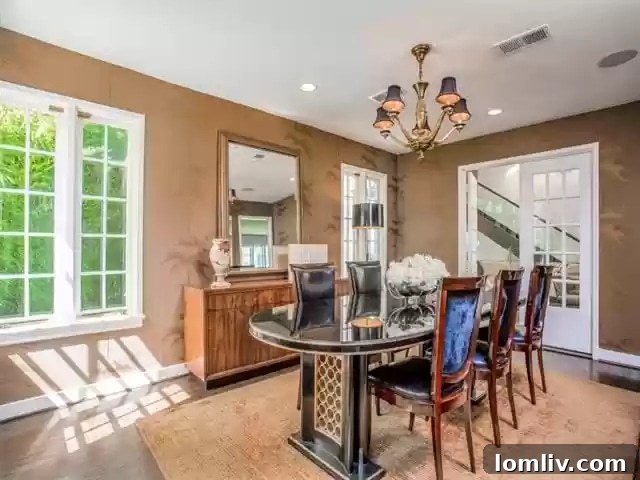
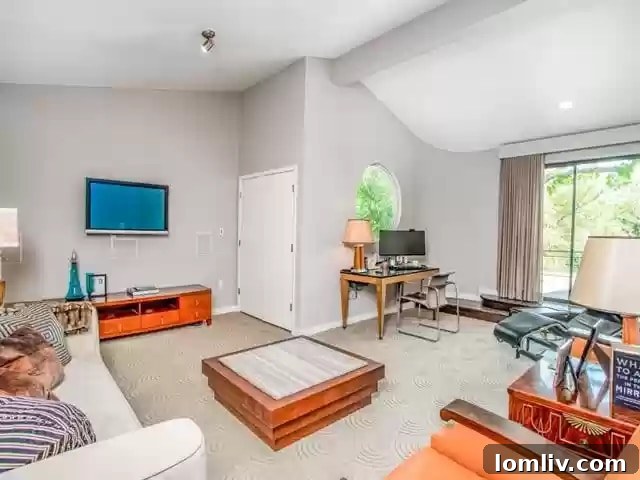
Every corner of this magnificent home captivates with its period-appropriate design and meticulous detailing. From the charming circular windows that punctuate its façade to the gracefully distinctive curved walls that define its interior spaces, the residence is a masterclass in Art Deco aesthetics. Upon entering, one is immediately struck by the sweeping staircase, a grand architectural feature that serves as a dramatic focal point. In the formal living area, the backlit cobalt blue glass fireplace surround commands attention, creating a mesmerizing glow and adding a touch of opulent glamour. This generously proportioned home boasts an impressive 3,934 square feet, thoughtfully laid out with three bedrooms and two bathrooms, offering both space and comfort.
The principal suite is particularly noteworthy, designed as a true sanctuary within the home. It features a spacious living area and an exclusive private terrace, providing a serene retreat for relaxation. “It’s extremely unusual for a home of this age to have such a grand principal suite,” remarks Saucedo, highlighting the forward-thinking design and luxurious amenities integrated into the original build.
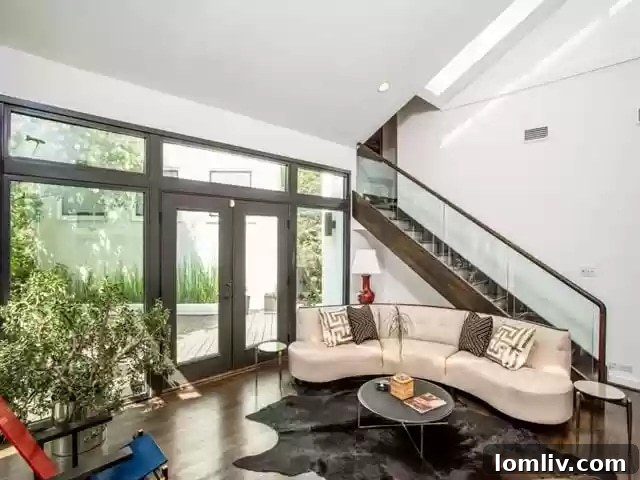
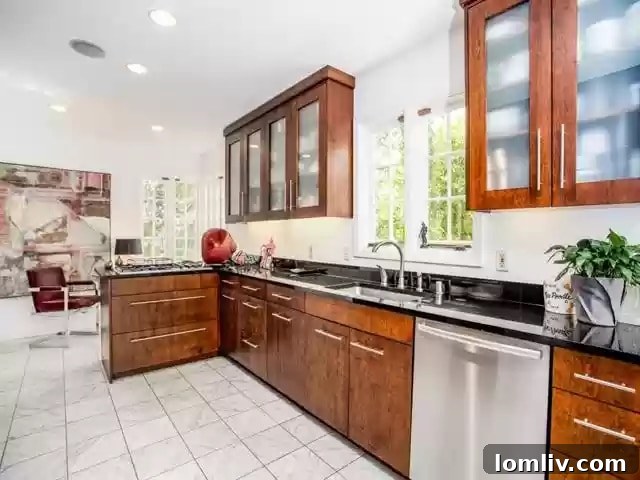
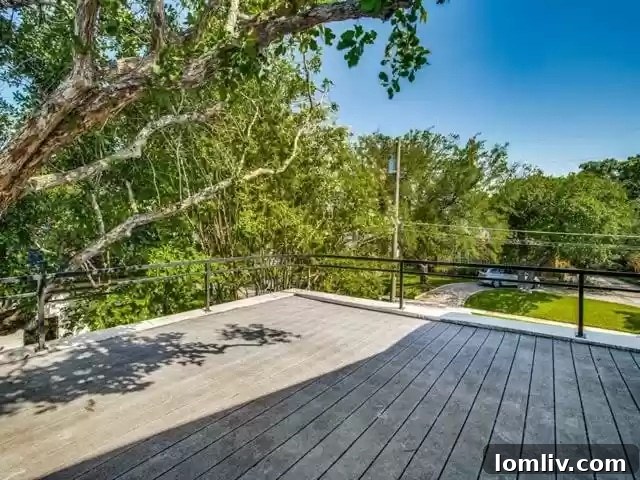
Indeed, this is a house meticulously crafted for sophisticated entertaining. It offers three expansive living areas, providing versatile spaces for gatherings both intimate and grand. The kitchen, a haven for any culinary enthusiast, is equipped to inspire gastronomic creativity, featuring ample space and a functional layout that blends vintage charm with modern potential. Ascending to the second floor, residents will discover a dedicated media room, complete with its own private staircase, offering an ideal setting for cinematic experiences or a quiet den. Adjacent to this media room is another outdoor terrace, perfect for enjoying the Dallas climate and the property’s incredible surroundings.
The home’s prime location further enhances its allure. Nestled on a corner, pie-shaped lot, it enjoys an elevated position that affords breathtaking vistas. “You are up on the hill looking at the tree tops,” Saucedo describes, painting a picture of tranquility and natural beauty. These amazing views are a constant reminder of the privileged setting within East Kessler, blending urban convenience with a sense of serene escape.
Unearthing the Past: Jack Ruby and a Dallas Legend
Beyond its striking architecture and luxurious spaces, this East Kessler Art Deco home carries a truly captivating secret – a historical connection to one of Dallas’s most infamous figures: Jack Ruby, the man who murdered Lee Harvey Oswald. Steve Habgood of Hewitt + Saucedo meticulously delved into the property’s past, even engaging with long-time local neighbors, to uncover the fascinating “dirt” that imbues this home with an unparalleled historical resonance.
The owner of this East Kessler Art Deco gem was Bertha Roth Weintraub, a woman who played a fascinating role in Dallas’s mid-20th-century entertainment scene. Bertha’s younger brother, Ernest Roth, partnered with her husband, Joseph Weintraub, in the successful Oak Cliff cafe, Roth’s. After Joseph’s passing in 1946, Bertha found herself a widow, but not without connections. One of the regular patrons at Roth’s was Abe Weinstein, a prominent figure in the local entertainment industry of the era. It’s crucial to understand that in that time, the “entertainment industry” in Dallas often carried a different connotation, frequently involving burlesque clubs, nightclubs, and, as rumor had it, connections to less savory elements like organized crime. Think of legendary performers like stripper Candy Barr, and the atmosphere of a burgeoning, sometimes illicit, nightlife comes into focus.
Weinstein, recognizing Bertha’s sharp mind and steady demeanor, offered her a position as a cashier at one of his establishments: The Colony Club. This high-end burlesque nightclub was a Dallas institution, operating successfully from 1939 all the way until 1973. It was at The Colony Club that Jack Ruby, before he opened his own infamous Carousel Club next to Weinstein’s thriving business on Commerce Street in 1960, spent a considerable amount of time. Reports suggest that Ruby grew to know Bertha quite well during these years. The fascinating revelation, according to local neighbors and historical accounts, is that Ruby frequently spent the night at Bertha’s lovely East Kessler Art Deco home. The speculation surrounding Bertha’s activities suggests she was more than just a cashier. Neighbors recall her routinely taking a cab to the club, always clutching a distinctive large black patent leather purse. The prevailing theory is that Bertha was entrusted with collecting the nightly cash receipts from Ruby’s strip clubs, discreetly transporting them for deposit at the bank on his behalf. This arrangement highlights a deep level of trust and a significant, albeit understated, role Bertha played in Ruby’s operations, connecting this elegant Art Deco home directly to the infamous figure and the clandestine underbelly of Dallas nightlife.
Bertha’s influence and warm personality were widely recognized. Larry Powell penned an excellent piece about the “lovely Bertha” in The Dallas Morning News in 1987, painting a vivid picture of her character. The article quotes Bertha, affectionately known as “Aunt Bertha” to many, stating, “Honey, I knew everybody that’s to be known. Liberace used to call me ‘Aunt Bertha.’” This speaks volumes about her social standing and the wide array of notable personalities she encountered. Her connections extended to the club’s famed strippers, including Candy Barr, who, to deter unwanted advances from “cads,” would often request Aunt Bertha to join her for dinner. Bertha was clearly a woman of respect, discretion, and an undeniable presence, someone who moved effortlessly among Dallas’s elite and its more colorful characters, making her home a silent witness to an extraordinary period in the city’s history.
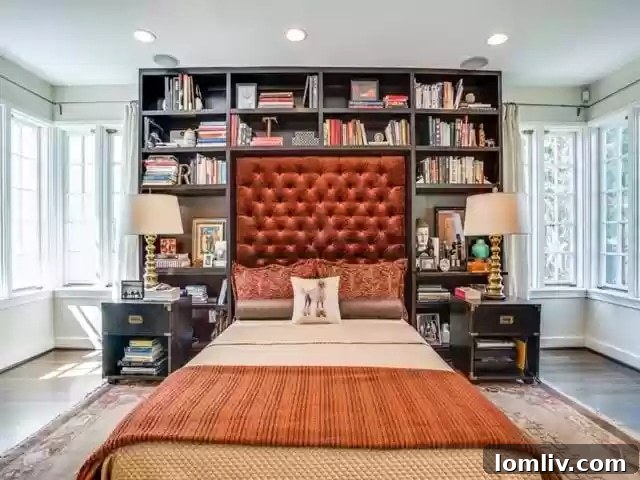
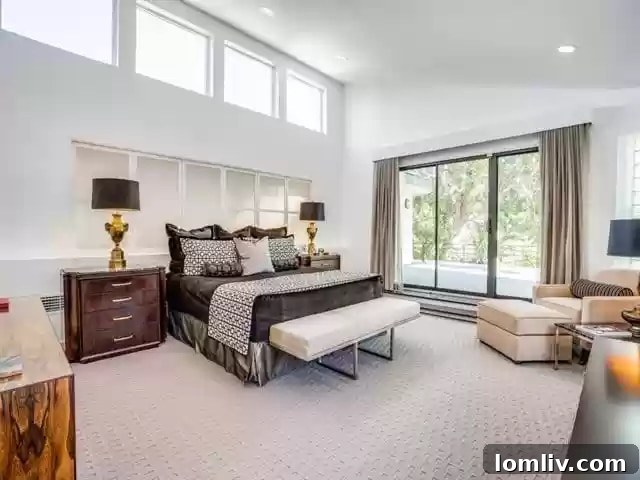

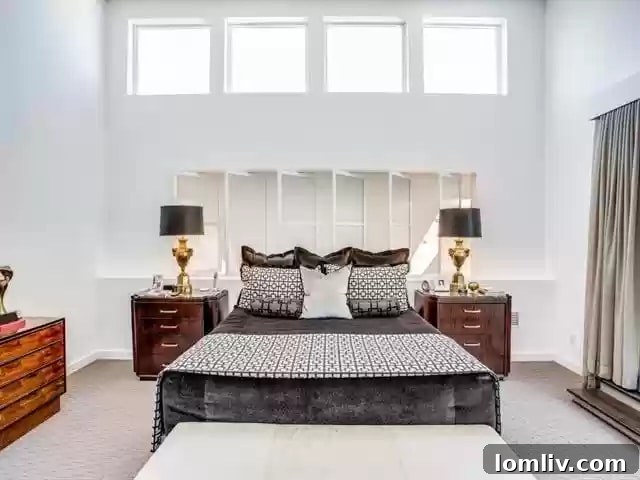
This remarkable property represents a truly once-in-a-generation opportunity for discerning buyers. It’s not merely a chance to acquire a rare Dallas Art Deco home, cherished for its unique architectural style and the exceptional craftsmanship of Maurice Peterman. It’s also an invitation to own a tangible piece of fascinating American history, directly linked to pivotal moments and iconic figures of 20th-century Dallas. Imagine living within walls that have silently witnessed the comings and goings of a bygone era, hearing the echoes of legendary entertainers and the whispers of intrigue connected to one of the nation’s most talked-about events. This home offers an unparalleled blend of architectural beauty, luxury living, and an irresistible historical narrative, making it a truly distinct offering in the Dallas real estate market.
This rare East Kessler Art Deco home, located at 443 Allison Drive, is currently listed for $1.375 million by Kathy Hewitt and Jason Saucedo of Dave Perry-Miller Real Estate.