For too long, the narrative surrounding Millennials has been painted with broad strokes of struggle and arrested development. We’ve all encountered the persistent, often condescending, image of young adults living with their parents, burdened by student loan debt, and underemployed in careers far removed from their higher education. While this portrayal holds a kernel of truth for a segment of the population, it significantly oversimplifies the reality and diverse experiences of an entire generation.
Indeed, a Pew Research Study from 2016 indicated that 32 percent of Millennials (then aged 18 to 34) were living with their parents. However, a much larger proportion — 48 percent — were living independently, forging their paths, and establishing their own households. A significant number of these independent young adults are choosing to rent, a decision driven by a complex interplay of economic realities, lifestyle preferences, and evolving societal values. Understanding these drivers is paramount for anyone involved in the modern real estate market.
Why Millennials Are Redefining the Rental Landscape
The choice to rent, rather than buy, for many Millennials isn’t simply a matter of necessity; it’s often a deliberate lifestyle decision that aligns with their priorities. Student loan debt undeniably plays a role, making the prospect of a substantial down payment and a long-term mortgage commitment daunting, if not impossible, for many. But beyond financial constraints, this generation values flexibility and experience above traditional notions of ownership.
Millennials often prioritize career mobility, personal growth, and the freedom to explore new opportunities without being tethered to a fixed asset. The housing market, with its high entry barriers and transactional costs, can feel restrictive. Renting offers the agility to move for a new job, experience a different city, or simply change living environments as life evolves. As Sumner Billingsley, a managing partner of The Brickyard in Farmers Branch, insightfully puts it, “For Millennials, life is about experience over ownership.” This philosophy extends to their living spaces, where thoughtfully designed apartments and rental townhomes can offer unique architectural and design elements typically associated with single-family homes, but at a more accessible price point.
Moreover, the communal aspects and amenity-rich environments often found in modern rental developments appeal strongly to this generation. They seek convenience, connection, and a lifestyle that supports their dynamic routines. This shift in priorities necessitates a re-evaluation of what constitutes desirable housing, prompting developers and property managers to innovate and adapt.
Top 5 Considerations for the Modern Millennial Renter
To truly understand what makes a rental property attractive to today’s Millennial, the Billingsley Company undertook research to identify the key considerations guiding their housing decisions. Their findings offer invaluable insights into the values and expectations of this influential demographic:
-
Proximity to Work and Entertainment
Millennials are acutely aware of the value of their time, and they prioritize it. Unlike previous generations who might have endured longer commutes for larger homes, Millennials often place a higher emphasis on their personal lives, seeking to maximize time spent outside of work. This translates directly into housing preferences: locations that minimize commute times, offer easy access to public transportation, or ideally, allow for walking or biking to work and leisure activities. They crave the freedom to choose exactly where and how they spend their time, making centrally located developments with vibrant surrounding neighborhoods among the most popular.
This preference extends beyond just work. Access to a diverse range of entertainment options – from trendy restaurants and cafes to cultural venues, fitness centers, and green spaces – is a significant draw. A ’15-minute city’ concept, where most daily needs and desires are within a short walk or ride, resonates deeply with this generation, enabling a more balanced and fulfilling lifestyle.
-
Eco-Friendly Housing and Sustainable Living
Growing up amidst escalating conversations about climate change and environmental responsibility, Millennials have a strong innate consciousness regarding sustainability. “Going green” isn’t a trend for them; it’s a fundamental aspect of responsible living. They actively seek out housing that reflects these values, paying attention to the amount of resources being consumed and advocating for a lifestyle that minimizes waste and ecological impact.
This interest translates into a demand for properties with energy-efficient appliances, smart thermostats, effective recycling programs, and features that promote water conservation. Many are drawn to communities with green building certifications (like LEED), communal gardens, and designs that maximize natural light and ventilation. Developers who integrate sustainable practices, from renewable energy sources to thoughtful landscaping, will find a receptive audience among Millennial renters who appreciate both the ethical implications and the potential for lower utility bills.
-
Dynamic Public Spaces Fostering Community
More than just shared amenities, Millennial renters desire public spaces that genuinely foster community and facilitate organic connections. They yearn for environments that act as vibrant hubs of activity, where residents can seamlessly transition from work to socializing to relaxation. This isn’t about forced interaction but rather creating spaces that naturally encourage residents to hang out, collaborate, and play.
Examples of such spaces include co-working lounges equipped with high-speed internet, stylish communal kitchens, rooftop decks with stunning views, fitness centers with group class options, and versatile social rooms designed for events or casual gatherings. Crucially, given the prevalence of pet ownership among this demographic, dedicated dog parks or pet-friendly common areas are highly valued amenities. These spaces acknowledge that pets are often considered family members, and providing convenient outdoor areas for them enhances the quality of life for their owners.
-
Urban Feel and Distinctive Design
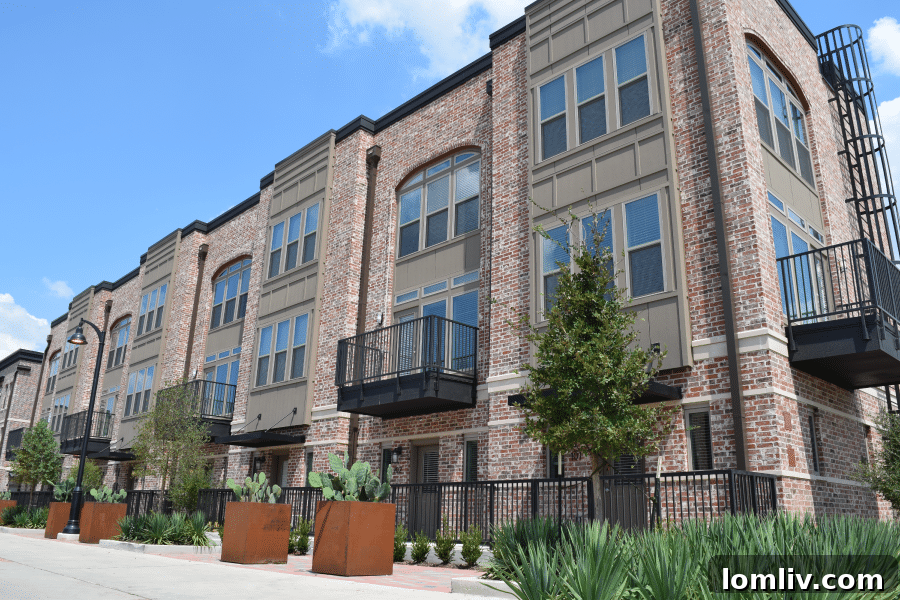
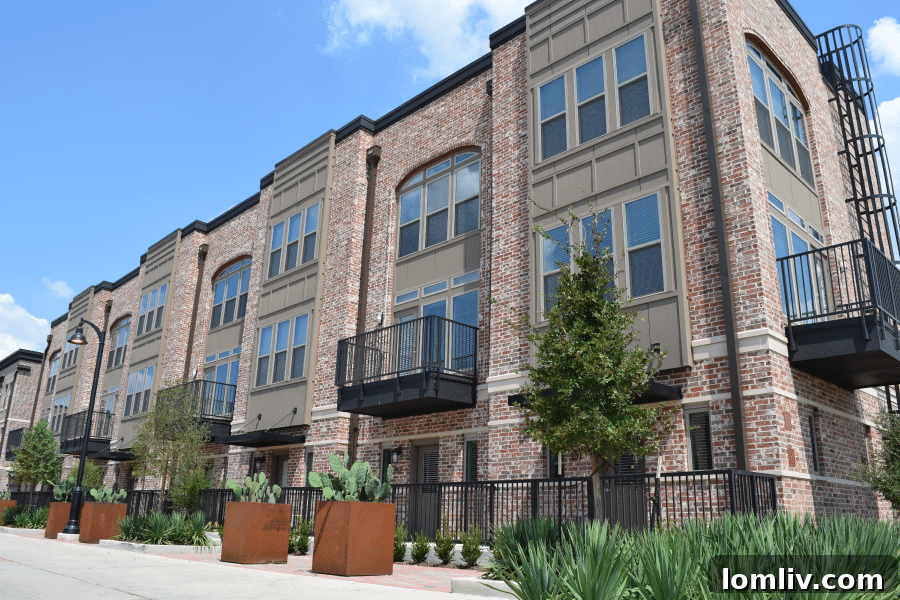
Millennials are celebrated for their appreciation of unique aesthetics and authenticity. In housing, this translates into a preference for urban feel and design elements that tell a story, often mirroring industrial heritage or blending retro charm with contemporary flair. This generation are the consummate “mix-masters,” adept at juxtaposing exposed brick and vintage fixtures with sleek, modern finishes and smart technology.
This hybrid “industrial-yet-earthy” aesthetic offers the excitement and character of urban living, regardless of the property’s precise geographical location. They value spaces with character, unique architectural details, and a departure from generic, mass-produced designs. Developers who focus on creating distinct identities for their properties, incorporating artistic elements, and celebrating the individuality of design will capture the attention of this discerning demographic, providing an inspiring backdrop to their lives.
-
Seamless Technological Integration
Technology isn’t an add-on for Millennials; it’s an intrinsic part of their daily existence. From communication to entertainment, work, and personal organization, their lives are digitally integrated. Consequently, their housing expectations reflect this ubiquitous connectivity. Smart and smartly appointed multi-purpose lounges, tech hubs with state-of-the-art equipment, and robust internet infrastructure are not luxuries but necessities.
Rental communities aiming to attract young adults must be fully cable and internet ready, offering high-speed connectivity as a standard. Complimentary Wi-Fi throughout common areas is a significant plus, as are an abundance of indoor and outdoor electrical outlets for charging the multitude of mobile devices. Furthermore, the advent of “smart apartment” systems – controlling lighting, locks, thermostats, and even blinds via a smartphone – is rapidly becoming an expectation, enhancing convenience, security, and energy management for residents.
The Industry Responds: Innovations in Millennial Housing
These findings resonate deeply with broader real estate trends, particularly the undeniable fact that Millennials are driving significant change across the housing market. As we’ve explored previously, while many Millennials aspire to home ownership, it remains out of reach for a substantial portion due to compounding factors like student debt and relatively low wages compared to previous generations at the same life stage. This makes the rental market a critical battleground for attracting and retaining this powerful demographic.
One company leading the charge in catering to these evolving preferences is Billingsley. Their development, The Brickyard, stands as a prime example of a property meticulously designed with young professionals in mind. Inspired by the vibrant energy of New York, The Brickyard offers a fresh, urban feel strategically located for excellent commuter access. The extensive array of amenities goes beyond the expected, ranging from a resort-style pool and state-of-the-art fitness center to crucial green initiatives such as convenient valet trash service, comprehensive recycling programs, and smart car charging ports to support the growing electric vehicle market.
Further demonstrating its commitment to innovation, The Brickyard is actively piloting a cutting-edge smart apartment system through Dwelo. This program seamlessly integrates smart lights, locks, and thermostats within multifamily communities, allowing residents unprecedented control over their living environment. “The program consists of lights, locks and thermostats for multifamily communities that can all be controlled in or out of your apartment through your smart phone,” explained Billingsley. “The Brickyard is currently trialing the system in a few units,” indicating a forward-thinking approach to enhancing resident experience and aligning with Millennial expectations for technological convenience.
The Future of Rental Living: Adapting to a New Generation
The insights from The Billingsley Company and the innovations exemplified by The Brickyard underscore a fundamental truth: the real estate industry must continue to evolve and adapt to the distinct values and priorities of Millennial renters. As this generation continues to mature and influence market dynamics, we will undoubtedly see more rental properties competing fiercely for their attention and their rental dollars, integrating advanced technology, sustainable practices, and community-focused design.
The stereotypical image of the struggling Millennial is fading, replaced by a more accurate understanding of a generation that is discerning, values experience, and actively shapes the spaces they inhabit. Their preferences are not just temporary trends but fundamental shifts that are changing the real estate business for everyone. So, next time you encounter a Millennial, whether at a smart tech hub or your local coffee shop, remember the profound impact they are having on the very fabric of our communities and living spaces.