By Brenda Masse
Special Contributor
Your home’s heating, ventilation, and air conditioning (HVAC) system is a complex network of components designed to maintain a comfortable, healthy, and energy-efficient indoor environment. Often taken for granted, especially when functioning flawlessly, the HVAC system plays a critical role in our daily lives. While summer months naturally bring the air conditioning component to the forefront of our minds, it’s crucial to remember that the entire system works synergistically throughout the year to ensure optimal temperature control, proper air circulation, and superior indoor air quality. Understanding the different elements of your HVAC system and recognizing potential issues can save homeowners significant money, prevent uncomfortable disruptions, and even safeguard against serious health risks.
From the chill of winter to the sweltering heat of summer, your HVAC unit is constantly working to keep your living spaces just right. But what happens when parts of this vital system begin to fail or are improperly maintained? This article delves into common deficiencies found in HVAC systems, highlighting the importance of regular inspections and maintenance to ensure your home remains a safe and comfortable sanctuary.
Understanding Your HVAC System: More Than Just Temperature Control
Before diving into specific issues, let’s briefly overview the core functions of your HVAC system. HVAC stands for Heating, Ventilation, and Air Conditioning. Each component has a distinct yet interconnected role:
- Heating: Typically provided by a furnace or heat pump, responsible for warming your home during colder months.
- Ventilation: Controls indoor air quality by introducing fresh outdoor air and exhausting stale indoor air, helping to remove pollutants, allergens, and excess moisture.
- Air Conditioning: Cools your home by removing heat and humidity from the indoor air, primarily during warmer seasons.
All these functions rely on a system of ductwork, vents, and a central thermostat to distribute conditioned air evenly throughout your home. A well-maintained system not only provides comfort but also operates more efficiently, leading to lower energy bills and a smaller carbon footprint. Conversely, neglecting maintenance can lead to a cascade of problems, from minor inconveniences to severe dangers.
Furnace Deficiencies: The Heart of Your Home’s Heat
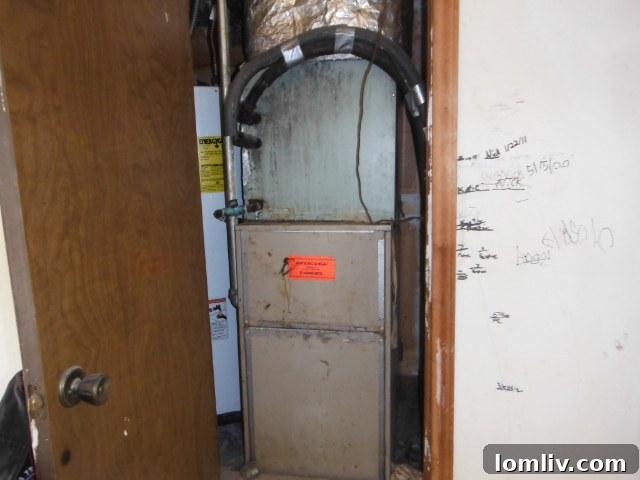
The furnace, a critical component of your HVAC system, operates independently from the air conditioning unit but utilizes the same network of vents and ductwork to distribute heated air throughout your home. While it might seem dormant during the summer, its condition is paramount for safety and efficiency when colder weather arrives. Home inspectors frequently uncover a range of common issues, particularly in older models from the 1990s or earlier, as highlighted by inspector Brian in his findings. If your home features an older furnace that hasn’t received professional attention recently, it is absolutely essential to schedule a thorough service appointment well before the heating season begins again next fall.
Many homeowners overlook their furnace until it fails, but proactive maintenance can prevent costly repairs and, more importantly, ensure safety. Common issues found in older furnaces include:
- Inadequate Clearance to Combustibles: This is a critical safety concern. As noted, “clearance to combustibles” refers to the minimum safe distance required between any heat-producing appliance, like a furnace, and flammable materials such as wood, insulation, or drywall. A furnace’s heat shield is specifically designed to absorb and reflect the intense heat generated, preventing it from igniting surrounding materials. When this clearance is insufficient or compromised, it creates a significant fire hazard. Older installations or modifications might not adhere to current safety standards, making regular checks imperative.
- Cracked Heat Exchanger: One of the most dangerous furnace problems, a cracked heat exchanger can allow deadly carbon monoxide gas to leak into your home’s air supply. This issue is often difficult to detect without professional equipment.
- Dirty Filters: While seemingly minor, a clogged air filter restricts airflow, forcing the furnace to work harder, reducing efficiency, and potentially leading to overheating or premature wear on components. It also compromises indoor air quality.
- Ignition Problems: Older furnaces might have issues with pilot lights or electronic ignitions, leading to inconsistent heating or complete failure.
- Worn Blower Motor: The blower motor is responsible for distributing heated air. A failing motor can result in poor airflow, strange noises, or no heat at all.
- Thermostat Malfunctions: A faulty thermostat can lead to inaccurate temperature readings, erratic cycling, or the furnace not turning on or off as needed.
Addressing these deficiencies promptly ensures your furnace operates safely and efficiently, providing reliable warmth when you need it most.
*Clearance to combustibles refers to the safest minimum amount of distance between a source of combustion and flammable material — like wood. A furnace’s heat shield is meant to absorb and reflect the high heat coming from the furnace — so not wood.
The Silent Killer: Carbon Monoxide Danger
Perhaps one of the most insidious dangers associated with furnace deficiencies is the risk of carbon monoxide (CO) poisoning. If a problem like a cracked heat exchanger or improper combustion goes undiscovered, new homeowners could unknowingly activate a deadly threat come heating season. Carbon monoxide is a colorless, odorless, and tasteless gas, often referred to as “the silent killer,” produced when fuels like natural gas, propane, oil, or wood burn incompletely. In sufficient concentrations, it displaces oxygen in the blood, leading to severe health issues and even death.
The symptoms of CO poisoning can be subtle and easily mistaken for other illnesses, such as the flu. At lower levels, occupants might experience headaches, nausea, dizziness, fatigue, and shortness of breath. At higher concentrations, symptoms escalate to confusion, impaired vision, loss of coordination, and eventually loss of consciousness and death. Children, the elderly, and pets are particularly vulnerable and can be affected much more quickly. At the levels that a compromised furnace could produce, the people and pets living in the home would undoubtedly be seriously affected, potentially experiencing life-threatening conditions.
Preventing carbon monoxide poisoning is paramount. Beyond regular furnace maintenance, which includes thorough inspections for heat exchanger integrity and proper ventilation, installing UL-listed carbon monoxide detectors on every level of your home, especially near sleeping areas, is crucial. These devices provide an early warning, giving you precious time to evacuate and seek professional help. Never ignore a CO alarm; immediate action is vital.
Ductwork Disconnections: Wasting Energy and Compromising Comfort
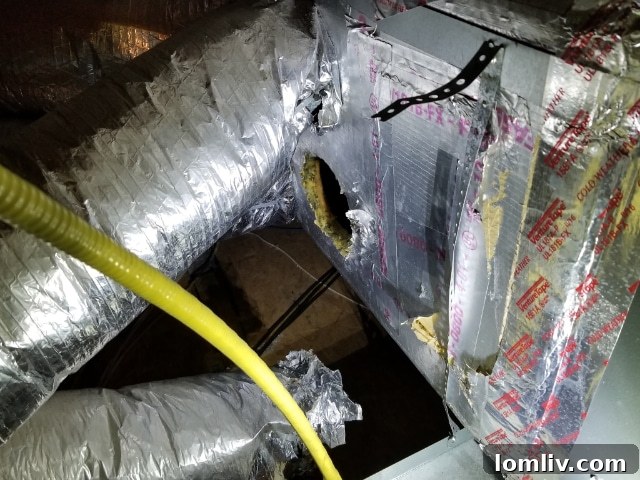
Imagine leaving your front door wide open while your air conditioning or heating system is running at full blast – that’s essentially what happens when your home has disconnected or leaky ductwork. Just as your parents might have admonished you, “Shut the door, are you trying to air-condition the whole world?” a disconnected duct effectively blows all that valuable conditioned air directly into an unconditioned space, like an attic or crawl space, rather than into your living areas.
The ductwork system is the circulatory system of your HVAC, responsible for delivering conditioned air from your furnace or air conditioner to every room in your home and returning stale air to the unit for reconditioning. When ducts are disconnected, poorly sealed, or damaged, several negative consequences arise:
- Energy Waste: This is the most immediate impact. You are paying to heat or cool air that never reaches your living space, leading to significantly higher utility bills. It’s like throwing money away.
- Reduced Comfort: Rooms furthest from the disconnected duct may not receive adequate heating or cooling, resulting in uneven temperatures and uncomfortable hot or cold spots throughout your home.
- Decreased HVAC Efficiency: The HVAC unit has to work harder and longer to compensate for the lost air, increasing wear and tear on components and potentially shortening the lifespan of your system.
- Compromised Indoor Air Quality: Leaky return ducts can pull in unconditioned, dirty air from attics, crawl spaces, or wall cavities, introducing dust, allergens, mold spores, and other pollutants into your living environment. This can exacerbate allergies and respiratory issues.
- Moisture Problems: In humid climates, disconnected ducts can contribute to moisture issues in attics or crawl spaces, creating an environment ripe for mold growth.
Professional duct sealing and repair can significantly improve your HVAC system’s performance, reduce energy consumption, and enhance your home’s overall comfort and air quality. It’s a fundamental step toward an efficient and healthy home.
Rusty Vent Covers: A Sign of Deeper Issues and Health Risks
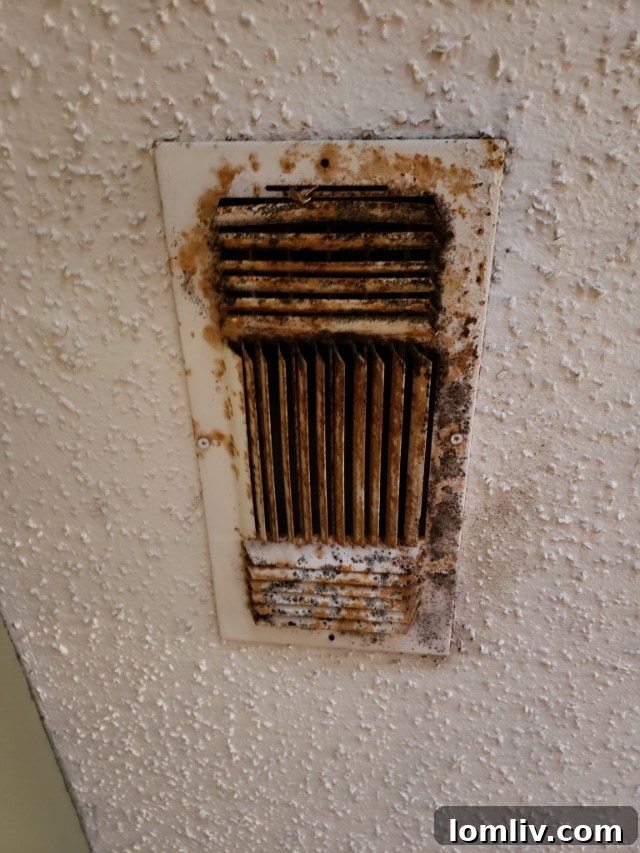
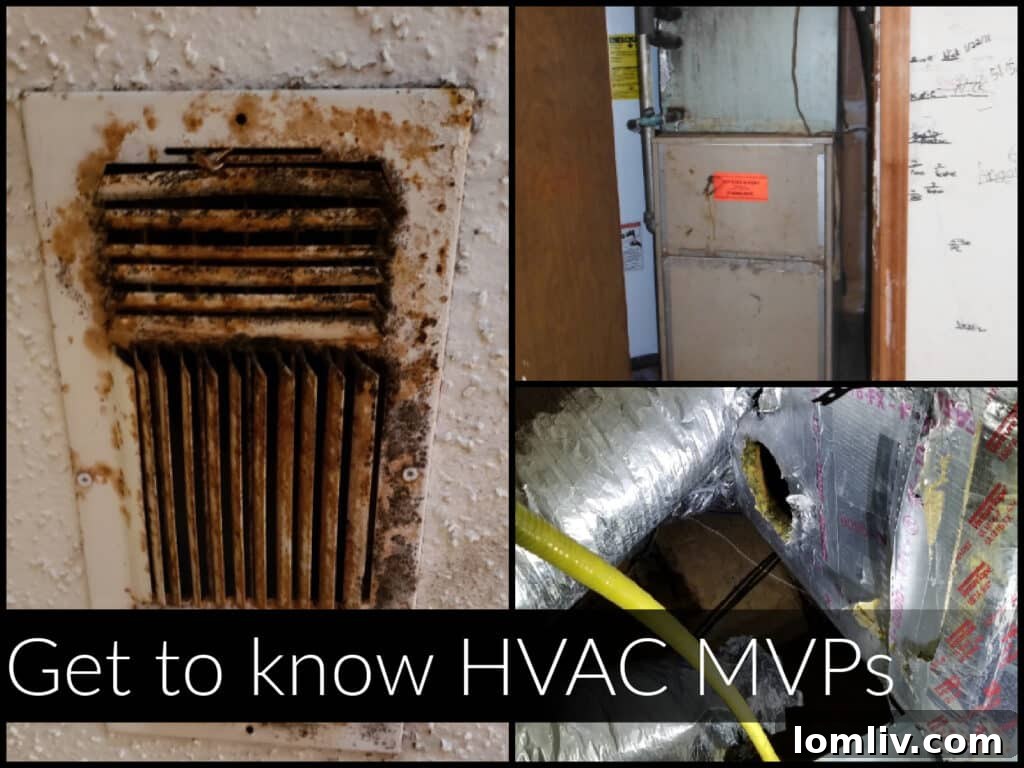
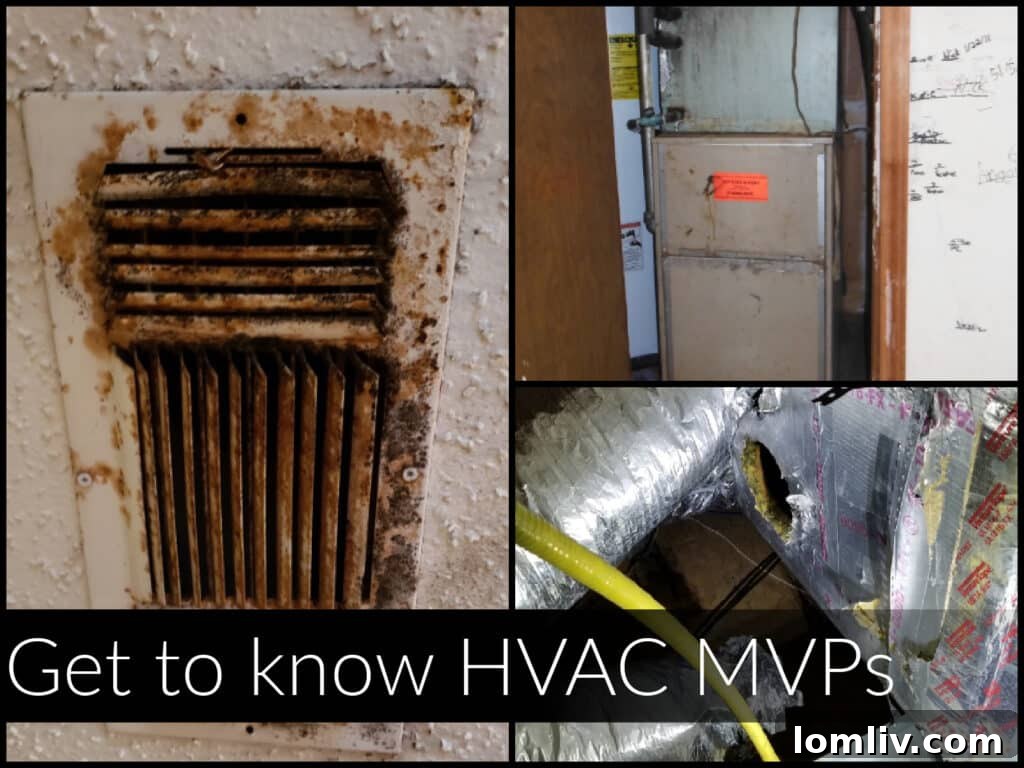
Vent covers, also known as registers or grilles, are more than just decorative elements; they are the visible endpoints of your ductwork, through which conditioned air enters and leaves your rooms. Rusty vent covers are not merely an aesthetic concern; they often signal underlying moisture problems within your home and can contribute to poor indoor air quality.
Several factors contribute to the formation of moisture on vent covers, leading to rust and, in many cases, mold:
- High Humidity: Climates with naturally high humidity levels, especially during warmer months, create a constant moisture challenge.
- Condensation: The stark temperature difference between the warm, humid air in unconditioned spaces (like an attic or the exterior of a wall) and the cold air flowing through your AC ducts causes condensation to form on surfaces, including metal vent covers.
- Bathroom Humidity: Bathrooms are notorious for high moisture levels. Without adequate ventilation, this humid air settles on cool surfaces, including vent covers, accelerating rust and mold growth.
- Leaky Ducts or Roof: Sometimes, water staining or rust on vent covers can indicate more severe issues, such as a leaky duct spilling moisture into the ceiling or even a roof leak.
The presence of rust compromises the appearance and integrity of your vent covers. More concerning is the potential for mold growth, which thrives in damp conditions. Mold spores released into the air can trigger allergies, asthma attacks, and other respiratory problems, posing a significant health risk to occupants.
So, what can homeowners do to mitigate these issues?
- Regular Cleaning: Clean your metal vent covers periodically to remove dust, grime, and any nascent signs of rust or mold. A mild detergent and water solution often suffice. Ensure they are thoroughly dried before reinstallation.
- Improve Ventilation: Ensure proper ventilation in bathrooms and other high-humidity areas. Use exhaust fans during and after showers, and make sure they vent to the outside, not into the attic.
- Address Humidity: Consider using a whole-home dehumidifier, especially in humid climates, to maintain optimal indoor humidity levels (typically between 30-50%).
- Replace with Resin Vent Covers: For a more permanent solution, consider replacing existing metal vent covers with resin alternatives. Resin is inherently moisture-resistant, will not rust, and is less prone to mold growth, making it an excellent choice for areas susceptible to condensation and humidity. They are durable, easy to clean, and come in various styles to match your home’s decor.
- Inspect for Leaks: If rust or water staining is persistent or severe, it’s crucial to investigate for underlying duct leaks, roof leaks, or other sources of moisture intrusion.
The Indispensable Value of Professional HVAC Maintenance
Whether you’re in the market to buy a new home or you’re a long-time homeowner, the health and performance of your HVAC system should always be a top priority. As we’ve seen, issues ranging from a neglected furnace to rusty vent covers can impact your comfort, your energy bills, and most critically, your safety and health. The complexity of modern HVAC systems means that identifying and resolving these issues often requires specialized knowledge and tools.
This is where professional HVAC maintenance becomes indispensable. An annual check-up by a certified HVAC technician goes beyond a superficial glance. It’s a comprehensive assessment that typically includes:
- Furnace Inspection: Checking the heat exchanger for cracks, verifying proper combustion, ensuring adequate clearance to combustibles, inspecting gas lines, and testing safety controls.
- Air Conditioner Check: Assessing refrigerant levels, cleaning coils, inspecting electrical connections, and checking the condensate drain.
- Ductwork Evaluation: Identifying leaks, disconnections, or blockages that compromise airflow and efficiency.
- Filter Replacement: Advising on appropriate filter types and recommending replacement schedules.
- Thermostat Calibration: Ensuring accurate temperature control and optimal system cycling.
- Blower Motor and Fan Inspection: Lubricating moving parts and ensuring proper operation.
- Overall System Performance: Measuring airflow, temperature differential, and other parameters to ensure the system is operating at peak efficiency.
The benefits of such proactive maintenance are profound. It helps prevent unexpected breakdowns, extends the lifespan of your equipment, ensures your system operates at maximum energy efficiency (saving you money on utility bills), and most importantly, safeguards your home and family from potential dangers like carbon monoxide poisoning or mold growth.
If you have questions about any part of your HVAC system or suspect an issue, don’t hesitate. You can schedule a regular service appointment with a reputable HVAC company. Alternatively, for a broader understanding of your home’s condition, you can #AskAHomeInspector and opt for a Home Health Check Up. Investing in your HVAC system’s health is an investment in your home’s comfort, efficiency, and the well-being of everyone living within its walls.