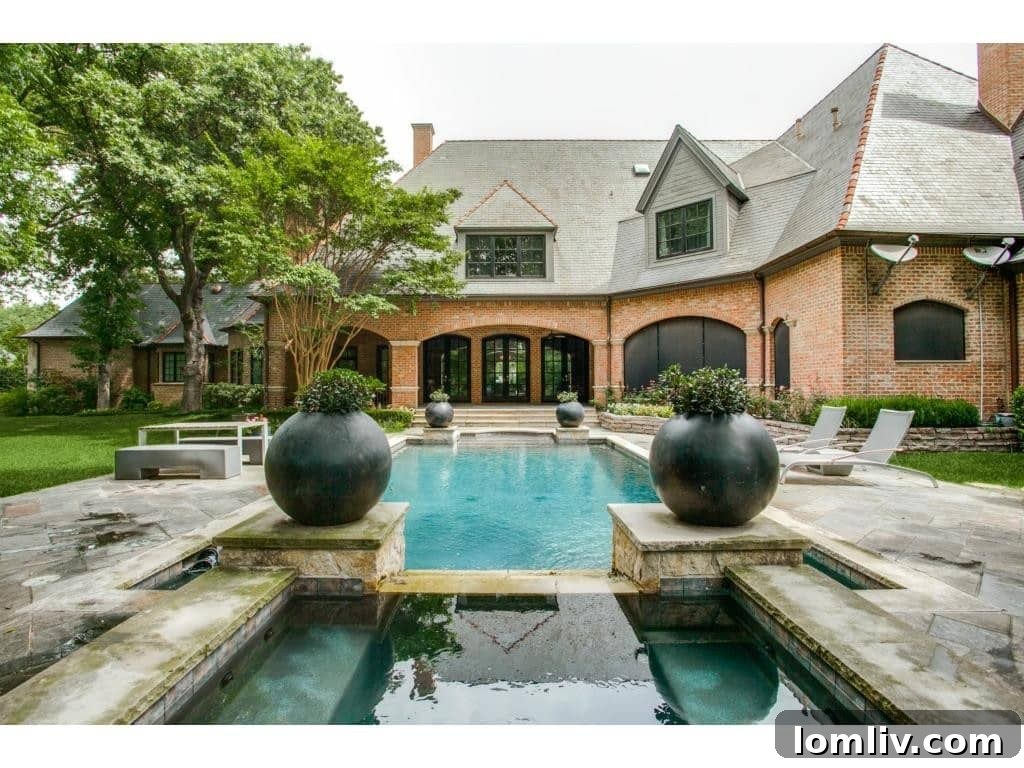
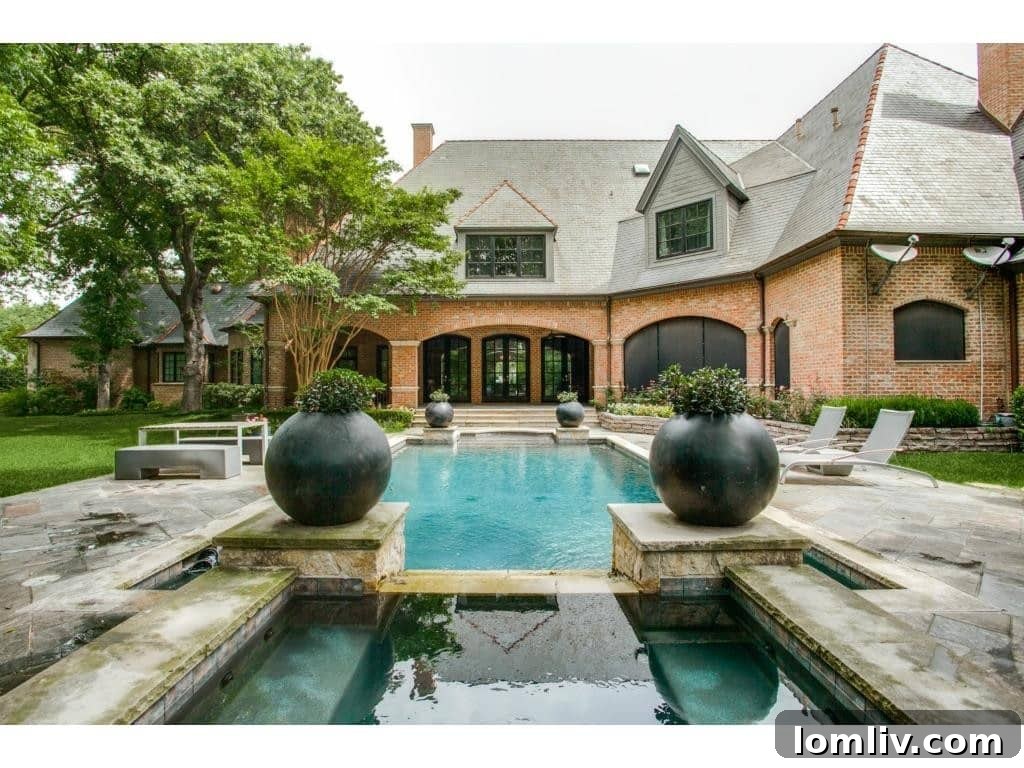
In today’s dynamic real estate market, the power of visual storytelling cannot be overstated. As potential homebuyers increasingly begin their property search online, their initial impressions are almost entirely shaped by listing photographs. Many buyers find it challenging to envision themselves and their families living in a particular space, making comprehensive and engaging visuals an indispensable tool for real estate agents. To meet this evolving demand and empower Realtors with more robust marketing capabilities, the MetroTex Association of Realtors recently announced a significant change: increasing the maximum number of photos agents can upload for each listing from 25 to a more expansive 36. This update aims to provide a deeper, more immersive digital experience for prospective buyers, allowing them to truly “fall in love” with a property long before they step through the front door.
While some real estate professionals have hailed this development as a monumental leap forward in property marketing, offering unprecedented opportunities to showcase homes, others remain skeptical. The decision has sparked a lively debate within the industry, with agents, photographers, and stagers weighing the benefits against potential drawbacks.
The Debate: More Photos – A Boon or a Burden for Real Estate Listings?
The core of the discussion revolves around whether more photos automatically translate to better marketing. For many, the ability to upload an additional 11 images is a game-changer, especially for certain types of properties. However, for others, it raises questions about relevance, buyer attention spans, and the true purpose of online listings.
Perspectives from Professional Photographers
Lance Selgo of Unique Exposure Photography, a seasoned real estate photographer, noted the mixed reactions from his clientele. After surveying his clients about their interest in a 36-photo option at a slightly higher fee, the results were telling. Out of 18 responses, only four expressed a definite desire for the extra images. “Of the remaining 14, 8 clients have stated they are interested in having the 36 photo option as part of my services, however they wouldn’t choose that package for every listing,” Selgo explained. “That leaves 6 clients that specifically said no, they aren’t interested at all in the 36 package.”
Selgo himself highlights a crucial point: not every property necessitates an extensive photo gallery. For smaller homes, such as an Uptown condo, capturing 25 distinct and compelling images can already be a challenge. Expanding to 36 would often mean resorting to redundant shots, photographing the same room from only slightly altered angles. “It seems redundant,” he commented, emphasizing that quality and uniqueness should always take precedence over sheer quantity.
Showcasing Grand Estates and Expansive Ranches: The Case for More Photos
Despite concerns about redundancy for compact properties, a significant number of Realtors and real estate professionals firmly believe that an increased photo count is immensely beneficial for larger, more complex listings. For sprawling estates, luxury homes, and especially vast farm and ranch properties, 36 photos provide the canvas needed to tell a complete visual story.
Kathryn Roan, a Keller Williams Farm and Ranch Realtor, enthusiastically supports the change. “For some properties, 36 images may be excessive. But, for what I do, it sounds great,” Roan stated. She often faces the dilemma of condensing the vastness and diversity of a farm and ranch property into a limited number of photos. “I often struggle to choose what images I’ll use for a farm and ranch property — it is hard to capture the house, land, barns, fields, fencing, and equestrian facilities in just 25 images! So, for that reason, I’m happy to at least have the option, even though I may not use that many for every listing.” The additional slots allow agents like Roan to showcase not just the main residence, but also auxiliary buildings, various land features, equestrian amenities, water sources, and the property’s overall utility and lifestyle potential.
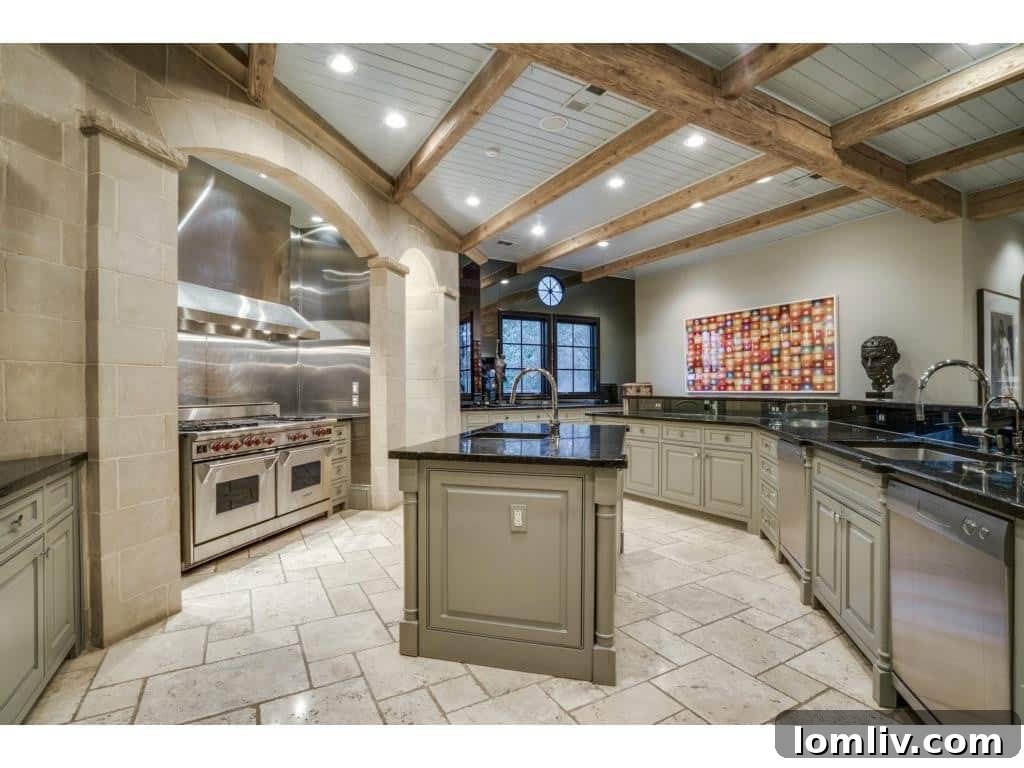
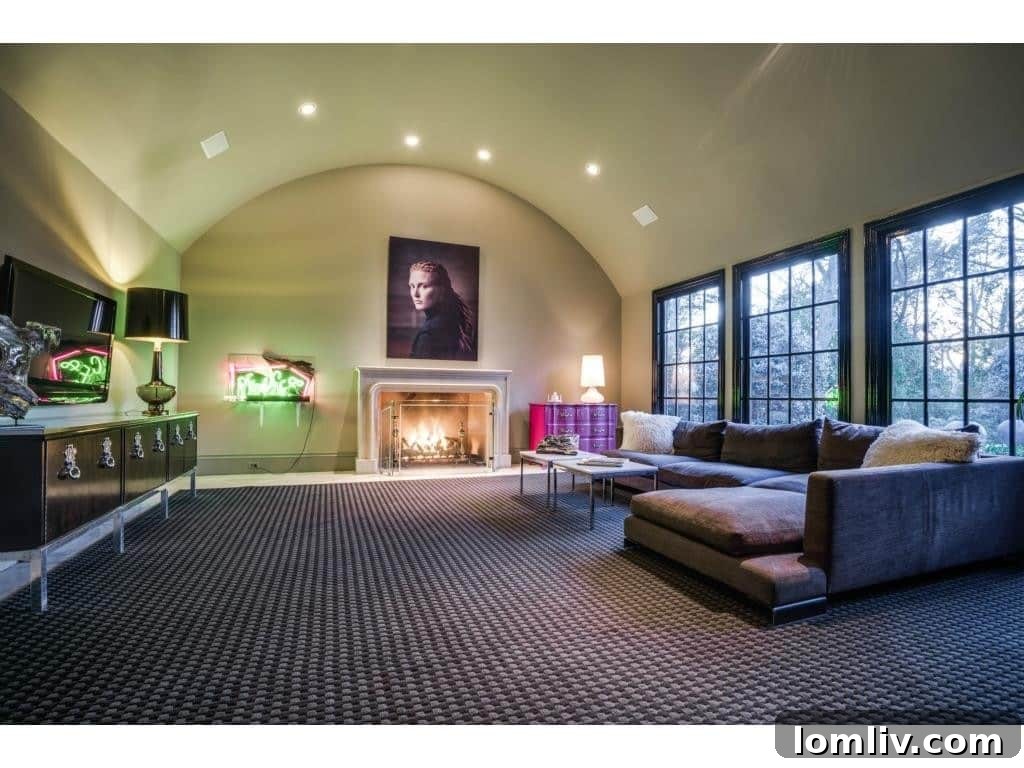
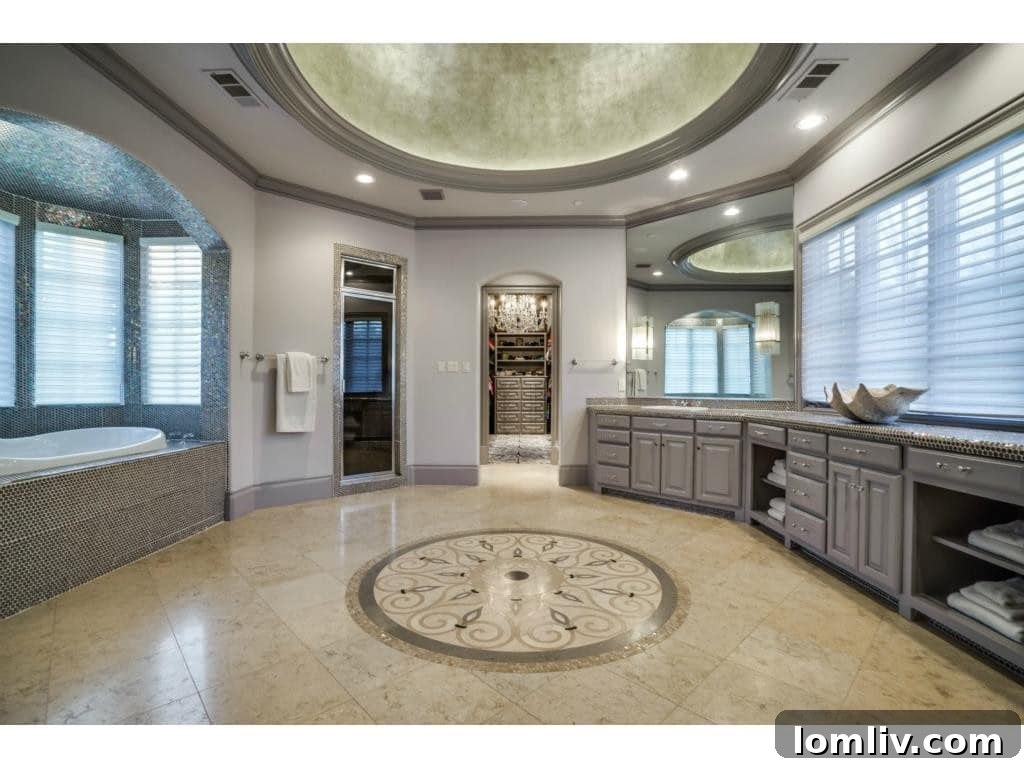
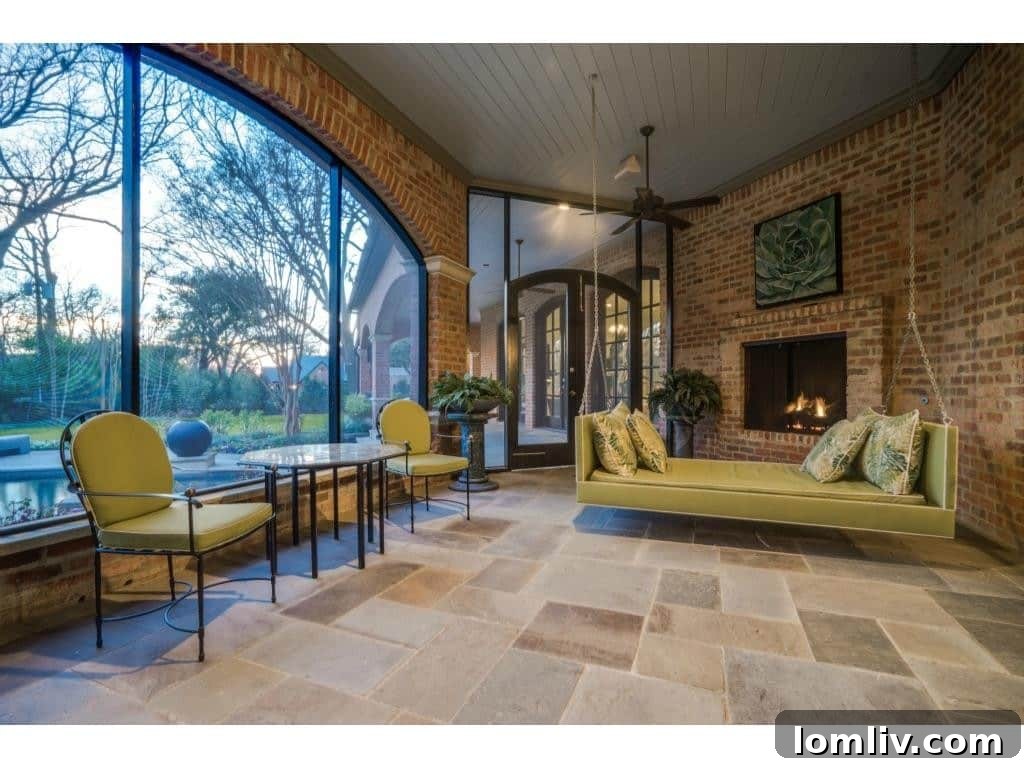
Similarly, for luxurious estates, more photos enable Realtors to highlight intricate details, bespoke craftsmanship, and unique architectural features that would otherwise go unnoticed. Christine McKenny of Dave Perry-Miller Real Estate emphasizes that the extra images help both buyers and sellers fully appreciate the larger, often unique spaces her listings encompass. “My Woodland Drive listing is a great example,” McKenny shared. “We could feature more secondary bedrooms, various angles showing how rooms connect, powder rooms or secondary baths, and more exterior property and yard angles. In the past, I always needed to narrow the possibilities and usually had the seller assist me. Sometimes I would want to cut an image that they felt was important.” The ability to include more comprehensive views ensures that every significant aspect of a high-end property is presented effectively, justifying its luxury appeal and value.
The Counter-Argument: Buyer Fatigue and Diminished Enticement
On the flip side, some Realtors contend that an overabundance of photos can be counterproductive. They argue that 25 images were already sufficient for generating interest, and 36 images might inadvertently reduce the incentive for buyers to visit homes in person. The concern is that if every nook and cranny is meticulously documented online, the element of discovery during a physical showing is diminished.
M Streets Realtor Ken Lampton voiced this sentiment strongly. “Somebody has forgotten — I don’t know whether it is our MLS vendor or our Association leadership — that the purpose of these images is not to provide an archival database showing the color of every bedcover in a house,” Lampton stated. “The purpose is to help real estate agents entice prospective buyers to come on out and visit our listings. I don’t think the addition of 11 more images will make a house more enticing. In fact, I think prospective homebuyers will be bored by the extra time it takes to look at all the images. This change will serve no useful purpose in the end.” Lampton’s perspective highlights a potential pitfall: overwhelming buyers with too much information can lead to ‘buyer fatigue’ and disengagement rather than increased interest. The goal, he argues, should be to create curiosity, not to exhaust every visual detail.
Beyond the Obvious: Creative Visual Marketing with More Photos
While Lampton’s point about potential boredom holds weight for some properties, it also opens a discussion about the *type* of images being uploaded. What if the additional photos aren’t just more angles of a bedroom, but rather showcase unique, hard-to-capture details, community amenities, or lifestyle aspects that significantly enhance a property’s appeal?
Karen Otto, founder of Home Star Staging, believes the expanded photo allowance offers a fantastic opportunity for creative visual marketing. “Many times there are specific features and details of a home that often go unnoticed during a showing or on the online MLS photos,” Otto notes. “Getting creative with the photo marketing is now possible with the additional number allowed or even just being able to show multiple angles in a room.” This means going beyond standard room shots to highlight built-in storage solutions, unique fixtures, smart home technology, or even the texture of custom finishes that add character and attractiveness.
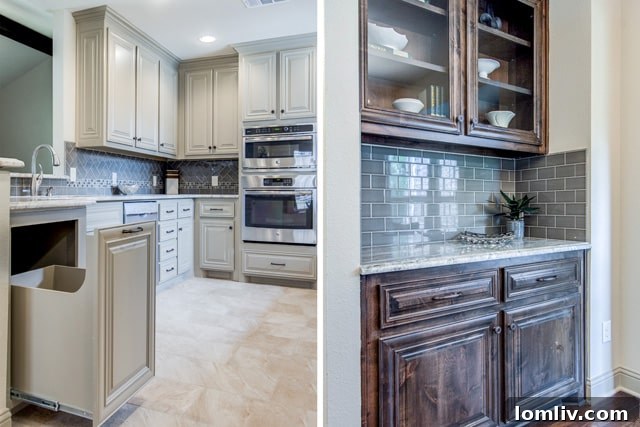
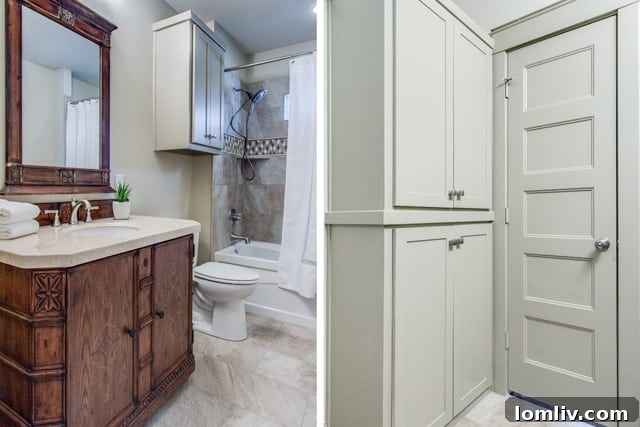
Otto suggests leveraging techniques like collages and split-screen images to highlight specific features that traditional MLS photos might miss. Imagine showcasing an updated granite countertop detail right next to a hidden storage solution for garbage cans and recyclables, all within a single, compelling image. This approach not only maximizes the photo count but also provides buyers with a comprehensive understanding of a home’s thoughtful design and functionality. Furthermore, the additional slots can be used to include exterior lifestyle shots, community amenities (like pools, clubhouses, or nearby parks), illustrative graphics of floor plans, or even visuals of local attractions and walkability scores, transforming the listing into a holistic presentation of the lifestyle a home offers, not just its structure.
“What rule says you have to use the same old, same old photos for the MLS?” Otto provocatively asks. In an era dominated by visually-driven platforms like Pinterest and Instagram, where unique and stylistic photography reigns, Realtors now have the flexibility to inject more creativity and personality into their listings. This allows them to create marketing that truly stands out, capturing the attention of a modern buying public accustomed to high-quality visual content. Agents can maintain traditional views of the house while simultaneously incorporating artistic and detailed shots that highlight the property’s unique selling propositions, without feeling compelled to omit crucial images that help paint a complete and enticing picture for potential buyers.
Maximizing Your Real Estate Marketing: The Strategic Use of 36 Photos
The increase in photo allowance is not merely about uploading more pictures; it’s about strategic visual storytelling. For agents dealing with properties that have extensive grounds, multiple structures, luxurious finishes, or unique architectural elements, these extra 11 slots are invaluable. They allow for a deeper dive into the property’s character, its connection to the landscape, the flow between different living spaces, and the finer details that differentiate it from others.
However, for smaller, more standard properties, the focus should remain on quality over quantity. An agent might choose to use fewer than 36 photos if doing so means avoiding repetitive or uninteresting shots. The goal is to curate a collection of images that are captivating, informative, and ultimately, persuasive enough to motivate a buyer to schedule a showing. By embracing creative photography, showcasing lifestyle elements, and focusing on unique selling points, Realtors can effectively leverage this expanded photo library to their advantage, ensuring their listings shine in a competitive digital landscape.