The Dallas-Fort Worth (D-FW) metroplex, a consistent powerhouse in the national real estate landscape, continues to demonstrate remarkable resilience and growth, according to the latest Texas Housing Insight report. Published monthly by the esteemed Texas Real Estate Research Center at Texas A&M University, this insightful report delivers a largely positive, if moderately tempered, outlook for the D-FW real estate scene. While the meteoric growth rates witnessed in 2020 have naturally begun to normalize, projections for sales and housing permits in 2021 remain robust, painting a picture of a dynamic market adapting to evolving conditions.
The core takeaway for Dallas-Fort Worth is a sustained, albeit recalibrated, expansion. After an exceptional year, the region’s housing market is poised for continued buoyancy. This steady progression is a testament to D-FW’s enduring appeal, fueled by robust economic indicators, a growing population, and sustained buyer demand. Investors, homeowners, and prospective residents alike are keenly watching these trends, which underscore D-FW’s status as a premier destination for both living and investment within the nation.
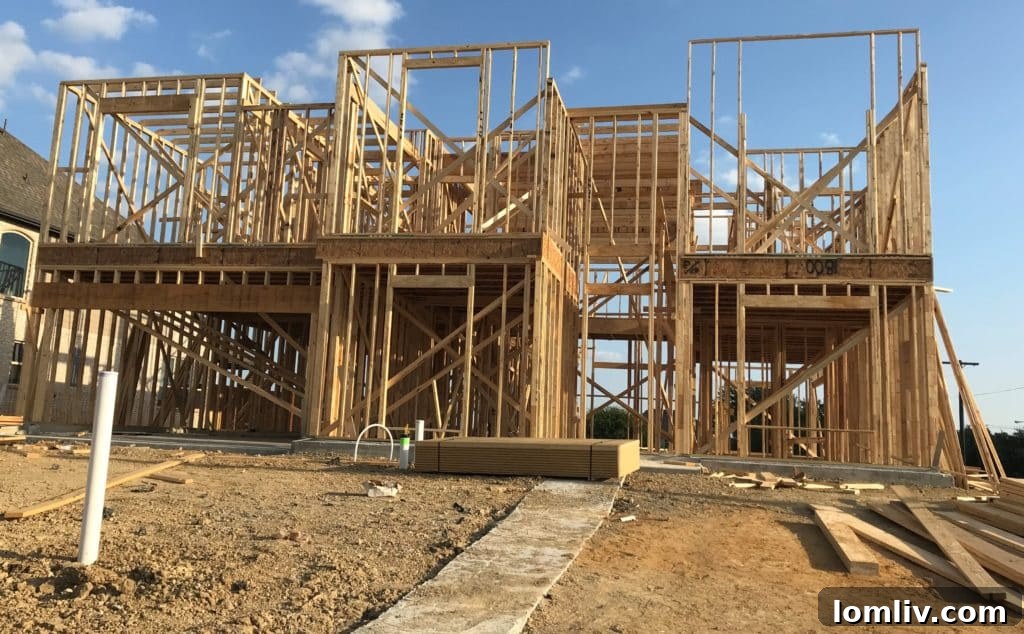
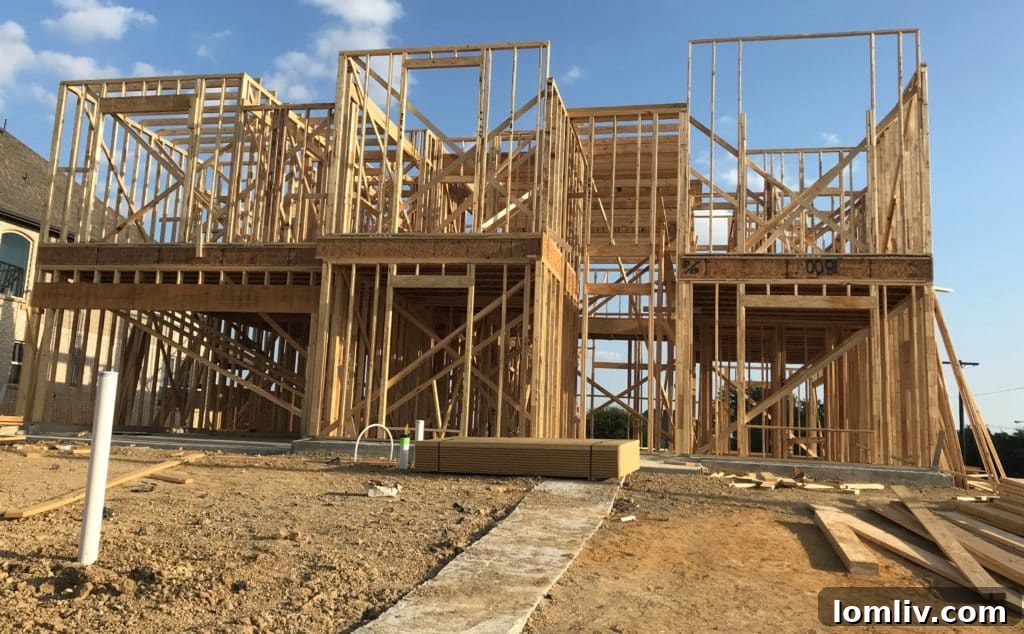
One of the most telling indicators of future housing supply and market confidence is the volume of new home construction permits. In 2021, D-FW is projected to see a commendable 13.8 percent increase in new home construction permits. While this figure represents a moderation from the substantial 21.5 percent surge recorded in 2020, it nonetheless signifies a powerful commitment to expanding the region’s housing stock. This growth rate is particularly impressive when considering the broader economic context and ongoing challenges related to supply chains and labor availability within the construction sector.
Further highlighting its leadership, D-FW proudly topped the national list for new home construction permits, issuing an impressive 3,641 non-seasonally adjusted permits. This significant volume underscores the intense development activity concentrated within the metroplex, signaling strong investor confidence and a proactive approach to meeting the demands of its burgeoning population. This level of permitting activity not only assures future housing availability but also stimulates local economies through job creation and ancillary business growth.
Looking at the broader Texas landscape, new construction statewide is also on a healthy upward trajectory. An anticipated 15.2 percent increase in new construction is expected for 2021, following a 20.3 percent increase in 2020. This statewide trend mirrors D-FW’s pattern of strong, yet normalized, growth. The slight cooling from 2020’s unprecedented pace is a healthy sign, suggesting the market is finding a more sustainable equilibrium after months of intense, often frenzied, activity. The normalization of building permits and housing starts indicates a market that is consolidating its gains, providing a more stable environment for developers, buyers, and sellers alike.
The velocity of the market continues to impress, with homes selling at a record pace. The average days on market (DOM) fell to an all-time low of just 44 days across the state. This swift turnover is a clear indicator of robust and sustained buyer demand, significantly amplified by historically low mortgage interest rates. Such low DOM figures reflect a competitive market where properties, especially well-priced ones, are quickly snatched up, often with multiple offers.
Within the D-FW metroplex, market speed was even more pronounced, with homes in Fort Worth selling in an astonishing 33 days and properties in Dallas moving in just 35 days. These figures significantly outpace the statewide average, underscoring the intense desirability of properties within these core urban centers. This rapid sales pace benefits sellers, often leading to higher sale prices, while challenging buyers who must act quickly and decisively in a competitive environment. The low interest rate environment has been a critical catalyst, empowering more buyers to enter the market and accelerate their purchasing decisions.
Single-family home sales in D-FW are also projected to see continued growth, with an expected increase of 7.3 percent over the previous year. While this is a modest dip from the 9.8 percent increase observed in the prior year, it still represents a solid expansion in transaction volume. Statewide, total housing sales have stabilized following several months of record-setting levels. This stabilization should not be interpreted as a slowdown, but rather a natural recalibration after extraordinary growth. It suggests a more balanced, albeit still highly active, market where underlying demand remains strong without the frenetic pace that can sometimes lead to unsustainable conditions.
Key Findings from the Texas Housing Insight: Understanding Market Dynamics
Beyond the headline figures, the Texas Housing Insight report delves into crucial granular details that paint a comprehensive picture of the market. These findings are vital for anyone looking to buy, sell, or invest in the D-FW area, offering insights into pricing, sales performance, and economic health.
- Accelerating Home Price Appreciation: The Texas median home price continued its upward trajectory, appreciating an impressive 12.7 percent year over year in November, reaching a new record-high of $274,800. This sustained growth in home values reflects strong demand coupled with constrained supply. Within the D-FW area, home-price appreciation was nearly as vigorous at 11.9 percent, underscoring the region’s desirability. Dallas values soared to an average of $328,200, reflecting its status as a major economic hub, while Fort Worth followed closely with values averaging $278,600. This appreciation builds significant equity for homeowners but also presents challenges for affordability, particularly for first-time buyers.
- November Sales Recalibration: Despite the overall positive trend, November saw a slight, likely seasonal, dip in total housing sales for both Dallas and Fort Worth. Dallas experienced a 2.9 percent decline, and Fort Worth was down 2.3 percent. This minor adjustment aligns with statewide sales, which were essentially flat, down 0.7 percent. Such minor fluctuations are common in real estate markets and often reflect seasonal patterns rather than fundamental shifts in demand. It also aligns with the broader theme of market normalization after an exceptional period.
- Improving Mortgage Health: A highly encouraging sign for the region’s economic stability comes from the U.S. Census Bureau’s Household Pulse Survey, which reported a significant improvement in mortgage delinquency rates. Only eight percent of Dallas-Fort Worth residents were not caught up on their mortgages, a notable decrease from 12 percent in the previous month. This positive trend indicates a stronger financial footing for D-FW homeowners, likely supported by job market recovery and ongoing economic support measures. It reflects increased consumer confidence and reduced financial strain, both vital for a healthy housing market.
Beyond Sales: Other Notable Reports Shaping the D-FW Market
The D-FW real estate story isn’t just about home sales and new construction; the rental market and suburban development patterns also play critical roles. Several other reports provide valuable context, revealing the nuanced dynamics of this vibrant region.
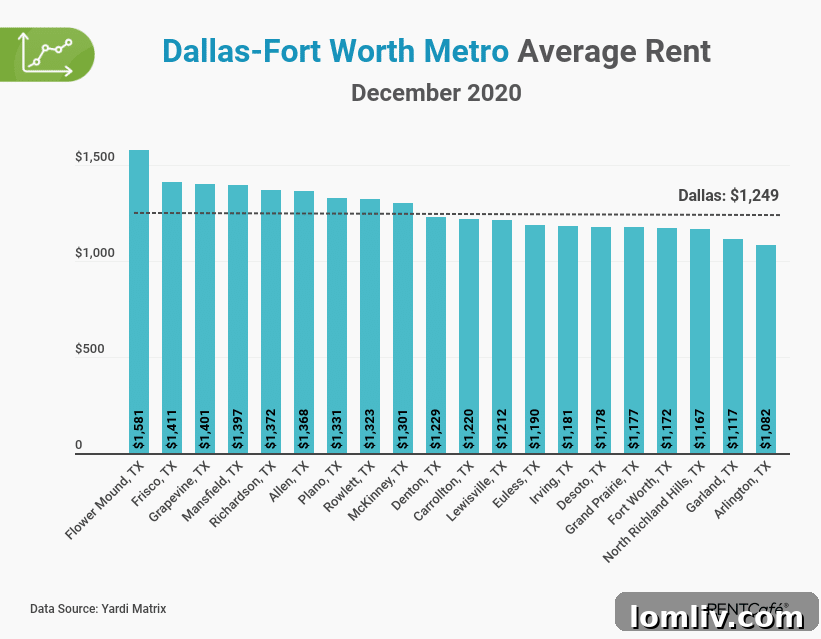
- December Rent Report: Data from the RentCafe December Rent Report highlighted the dynamic nature of the D-FW rental market. In Dallas, the average rent for a one-bedroom apartment unit increased by a modest 0.2 percent compared to December 2019, reaching $1,249. This is still notably below the national average rent of $1,462 at the end of the year, suggesting Dallas offers relatively more affordable rental options compared to other major U.S. cities. Fort Worth saw a more substantial increase of 3.9 percent, with average rents reaching $1,172, while Arlington recorded a 3.8 percent rise since last December, bringing its average to $1,082. Irving emerged as a particularly popular area for renters, boasting a significant 63 percent renter share, indicating its appeal to a diverse demographic seeking convenient and amenity-rich living. On the higher end, Flower Mound charges the most rent in D-FW at $1,581, despite a slight 1.4 percent decrease over the year, reflecting its upscale suburban appeal. Conversely, Mesquite offers the most budget-friendly options, with an average price of $1,014, making it an attractive choice for those prioritizing affordability. These varied rental prices across the metroplex showcase the diverse living options available, catering to different lifestyles and budgets, and are crucial for understanding the overall cost of living and housing demand in D-FW.
- Tomlin Investments Report: The Tomlin Investments Report shed light on the explosive growth in D-FW’s suburban areas, particularly in residential single-family home construction permits. Frisco, a rapidly expanding northern suburb, led the pack, issuing an impressive 2,445 residential single-family home construction permits last year—the highest among all D-FW suburbs. This underscores Frisco’s status as a magnet for families and corporations alike, driven by excellent schools, robust job growth, and master-planned communities. Celina followed closely in second place with 1,862 permits, highlighting the westward expansion of growth within the metroplex. McKinney also demonstrated strong development activity, issuing 1,547 permits last year. These figures collectively emphasize the strong migration towards D-FW’s burgeoning suburbs, where land availability, quality of life, and new amenities continue to attract significant investment and population influx. This suburban boom is a key driver of D-FW’s overall housing market strength and future economic prosperity.
In conclusion, the Dallas-Fort Worth real estate market remains a beacon of strength and opportunity. While the frantic pace of 2020 has given way to a more normalized yet still robust growth trajectory, the underlying fundamentals are exceptionally strong. With new home construction permits soaring, market velocity remaining high, and home values appreciating steadily, D-FW continues to attract significant investment and new residents. The improvements in mortgage health, coupled with a dynamic rental market and thriving suburban development, paint a comprehensive picture of a resilient and expanding metroplex. For those seeking to navigate one of the nation’s most vibrant housing markets, D-FW presents a compelling landscape of continued growth and promising prospects.