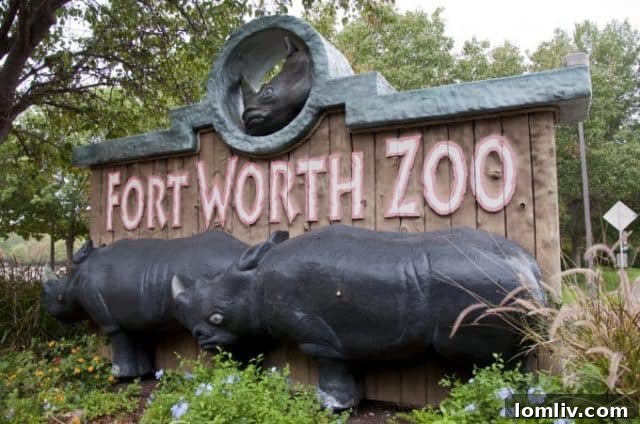
Fort Worth Zoo Set for Controversial Redevelopment: A City’s Priceless Gem to Become Prime Residential Land
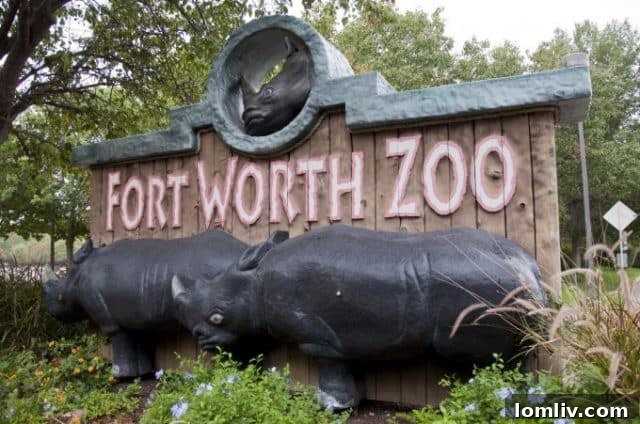
In a decision reverberating through the heart of North Texas and sending shockwaves across the nation, the City of Fort Worth has ignited a fervent public debate with its audacious announcement: the beloved Fort Worth Zoo, a cornerstone of the community for over a century, is slated for sale and subsequent redevelopment. This pivotal move, framed by city officials as a strategic embrace of the “highest and best use” for prime urban real estate, is widely perceived by residents, conservationists, and long-time patrons as a brutal capitulation to financial expediency, marking an incredibly sad day for a city proud of its heritage.
The Fort Worth Zoo is not merely an animal park; it is a profound historical institution that has woven itself into the very fabric of the city’s identity. From its humble origins in 1909, when it housed a modest collection of animals—including a solitary lion, two playful bear cubs, a watchful alligator, a sly coyote, a vibrant peacock, and a few scurrying rabbits—it has undergone a remarkable transformation. Over 110 years, this venerable institution blossomed into a world-class zoological park, earning accolades and a reputation for excellence in animal care, conservation, and education. Today, its sprawling 64-acre campus, a vibrant green sanctuary amidst an ever-expanding urban landscape, provides a home for an astonishing diversity of approximately 7,000 animals, representing countless species from every corner of the globe. This cherished expanse, which has nurtured generations of curious minds and inspired countless moments of wonder, is now earmarked for a dramatic and irreversible transformation: its subdivision into 172 individual residential lots, paving the way for a major urban housing development. The announcement has not only sparked a local outcry but has also raised profound questions about the value of public green spaces, the future of urban conservation, and the enduring legacy of civic institutions.
The City’s Rationale: Economic Imperatives Over Public Parklands

The city’s rationale behind this monumental and deeply divisive decision stems from a confluence of intense urban development pressures and the urgent need to address critical municipal financial obligations. While acknowledging the profound emotional attachment the community holds for the zoo, an unnamed city official articulated the pragmatism driving the choice: “It was undeniably a difficult decision, fraught with complex social and cultural considerations. However, the economic reality is that this particular parcel of land, nestled in such a prime location, has become immensely valuable – arguably too valuable to maintain solely as parkland.” This stark declaration underscores the city’s strategic shift towards prioritizing economic return on its most valuable assets.
The anticipated financial gains from the sale are indeed substantial, with conservative estimates projecting the transaction could inject hundreds of millions of dollars into city coffers. A significant and, for the city, critical portion of these projected funds is specifically earmarked to bolster Fort Worth’s employee pension funds. This move is indicative of a growing national trend where municipalities leverage high-value public properties to shore up long-term financial liabilities, often making tough choices between immediate fiscal relief and the preservation of cherished community landmarks. Proponents of the sale argue that this strategic infusion of capital is not merely a short-term fix but a vital measure to ensure the long-term financial stability and future solvency of the city’s retirement programs, thereby directly impacting the livelihoods and security of thousands of current and former municipal employees who depend on these funds. This perspective frames the sale as a responsible, albeit painful, act of fiscal stewardship.
Community Outcry: Disbelief and Disappointment
The revelation of the zoo’s impending sale ignited an immediate and fervent firestorm of public outrage and widespread dismay across Fort Worth. The reaction from residents, passionate animal advocacy groups, and particularly from the city’s influential philanthropic community, was both powerful and unequivocal. Among the most prominent voices expressing profound disappointment were members of the esteemed Perch family, whose philanthropic legacy has been inextricably linked to the Fort Worth Zoo for generations. Their substantial financial contributions have supported numerous exhibits, conservation initiatives, and educational programs, solidifying their role as dedicated benefactors. Speaking on behalf of the family, spokesperson Jocelyne Carp articulated a deep sense of shock and betrayal: “We were absolutely flabbergasted by this announcement. It represents an incredibly sad day for Fort Worth, and indeed, for everyone who cherishes this iconic institution and believes in its mission.” Carp’s words resonated with countless citizens who feel a similar sense of loss and disillusionment.
Carp further shed light on the daunting legal challenges confronting those who oppose the sale. While the Perch family is committed to “protesting in the strongest possible terms,” she conceded the apparent limitations of any potential legal recourse. “Regrettably, from a strictly legal standpoint, there appears to be little effective action we can take to halt this process,” she stated with a heavy heart. This acknowledgment highlights the often-unilateral authority of municipal governments in land use and sales decisions, particularly when such actions are justified under the banner of economic necessity. The Perch family’s response mirrors a pervasive sentiment among the city’s most loyal donors and civic leaders, who perceive years of dedicated investment and passionate advocacy for the zoo’s future being summarily dismissed in favor of financial expediency. The potential loss of such a vital cultural and educational anchor raises serious questions about Fort Worth’s long-term commitment to its green spaces, its role in global conservation efforts, and the preservation of its most treasured historical assets for future generations.
The Mega-Deal Mechanics and Vision for a New Neighborhood

The intricate legal and logistical framework of this unprecedented – and undeniably controversial – mega-deal is being meticulously managed by the highly respected external legal team of Swindler, Mountebank & Conners. The firm’s engagement underscores the sheer scale and inherent complexities involved in transitioning a major zoological park into a vibrant, high-density residential community. Lead attorney Jerry Swindler, a prominent figure known for his expertise in large-scale urban development and real estate law, conveyed the firm’s enthusiastic commitment. “We are incredibly excited and profoundly proud to be integral to this truly transformative endeavor for Fort Worth,” Swindler remarked, emphasizing the potential for this project to redefine a significant portion of the city’s urban fabric and economy.
Swindler provided an optimistic outlook on market reception, noting that “interest in the development has already proven to be nothing short of explosive.” This intense market demand is largely fueled by the zoo’s unparalleled location, directly abutting the historically prestigious and highly affluent Park Hill neighborhood. The enviable proximity to such an esteemed area guarantees that the newly created residential lots are anticipated to sell “briskly,” attracting discerning buyers and commanding premium prices. Looking towards the future, Swindler expressed the firm’s ambition for a sustained partnership with the municipality. “If all aspects of this project proceed successfully, we eagerly anticipate the opportunity to collaborate further with the city on additional large-scale development initiatives and future bond offerings,” he added, signaling the potential for ongoing public-private ventures that could reshape Fort Worth’s future urban landscape.
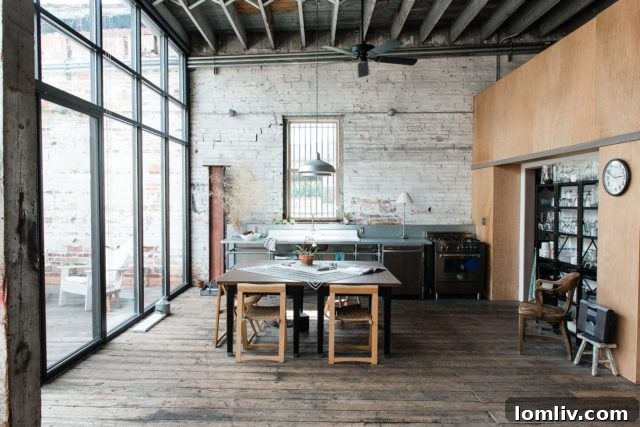
The proposed master plan for the site envisions a sophisticated mixed-use community, artfully designed to integrate diverse residential options with carefully curated commercial and public spaces. A particularly innovative and environmentally conscious aspect of the plan centers on the adaptive reuse of the zoo’s existing administrative complex. Rather than succumbing to demolition, these substantial and historically significant structures are slated for a meticulous repurposing, transforming them into stylish, modern loft condominiums. This ingenious approach seeks to preserve a tangible piece of the zoo’s architectural legacy while simultaneously addressing the surging demand for unique urban living spaces. The integration of high-quality residential units, potentially complemented by new retail establishments, parks, and community amenities, promises to fundamentally redefine the area, transitioning it from a beloved public recreational space into a dynamic, upscale urban neighborhood that pays homage to its past while embracing a forward-looking vision.
The Herpetarium Saga: Alice Bolton’s Failed Bid for MOLA
Amidst the flurry of commercial interest generated by the zoo’s prime real estate, a truly unique and highly publicized bid emerged from the renowned billionaire philanthropist, Alice Bolton. Known for her distinctive tastes and a long history of significant charitable contributions, Bolton reportedly tabled an offer, rumored to be well in excess of $100 million, for a particularly iconic and specialized section of the zoo: the impressive 30,000-square-foot herpetarium, widely recognized by its acronym, MOLA (Museum of Living Art). MOLA, celebrated for its cutting-edge facilities, its innovative display techniques, and its comprehensive collection of reptiles and amphibians from around the world, quickly became the coveted object of Bolton’s ambitious and unconventional vision.
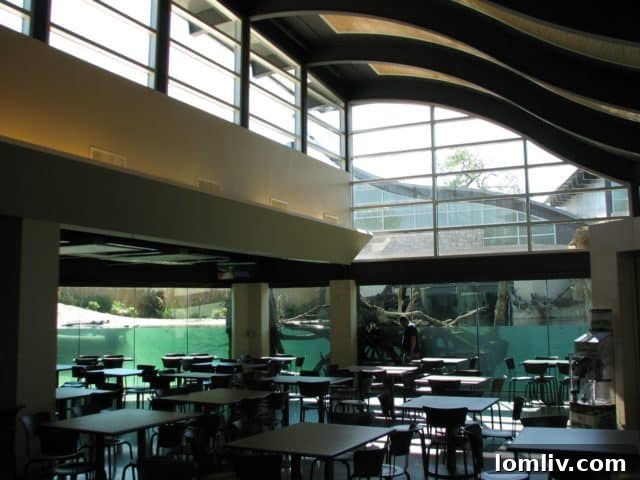
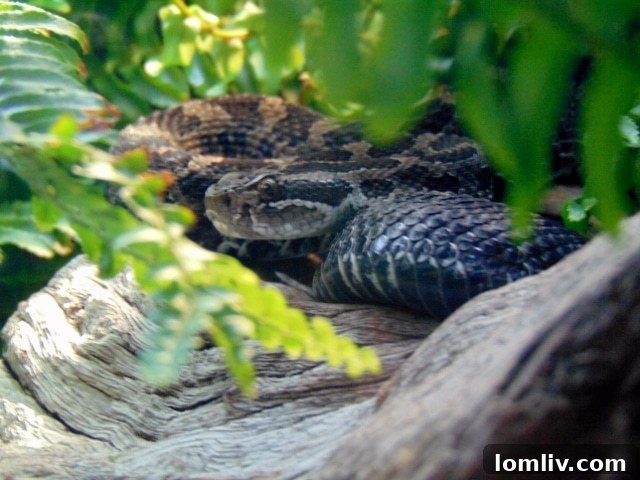
Bolton’s intention was far from maintaining MOLA as a public educational exhibit; instead, she envisioned transforming the state-of-the-art facility into an extraordinary and unparalleled private residence, meticulously leveraging its unique architectural structure and existing display infrastructure. However, her intriguing and highly unusual proposition ultimately faced rejection, not from the city’s finance department, but unequivocally from Animal Control. The overriding concern articulated by authorities was squarely focused on public safety: the inherent, undeniable dangers associated with housing a collection of potentially venomous and hazardous reptiles within a future residential environment. The stringent safety protocols, specialized containment systems, and expert oversight required for such animals were deemed fundamentally incompatible with the concept of a private home situated within a newly developed residential area, even for a facility as robust and purpose-built as MOLA. The potential for escape or accidental exposure, however remote, presented an unacceptable risk.
Expressing profound disappointment at the decision, Bolton lamented the missed opportunity for a truly unique living space. “It’s a real pity, a genuine loss for an architectural marvel,” she remarked, reflecting on the dashed hopes for her eccentric dream home. “My most earnest hope now is that they will at the very least preserve the remarkable structure itself. I had vividly envisioned it making an absolutely wonderful and utterly unparalleled home, where the existing, beautifully designed exhibits would have provided truly fantastic and dramatic backdrops for countless philanthropic fundraisers, elegant social gatherings, and unforgettable private events.” Her statement highlights a recurring theme in urban redevelopment: the challenging fate of unique architectural assets that once served a public purpose, now facing an uncertain future in a commercially driven landscape. While her vision of a personal reptile palace will not materialize, the MOLA structure’s ultimate destiny remains a point of keen interest, symbolizing the complex tension between historical preservation, innovative reuse, and the relentless march of new development.
The Fate of 7,000 Animals and Failed Relocation Attempts
The momentous decision to sell the Fort Worth Zoo was not a knee-jerk reaction; it followed extensive, albeit ultimately unsuccessful, explorations into alternative solutions. Initial city plans involved an ambitious proposal to relocate the entire zoological park to a new, sprawling venue strategically situated near the Texas Motor Speedway. This prospective site, boasting vast acreage, appeared to offer a promising canvas for re-establishing the zoo in a less densely populated area, far from the escalating land values of its current urban footprint. However, these comprehensive relocation efforts tragically floundered due to vociferous opposition from a powerful coalition of animal advocacy groups, most notably “People for the Esoteric Treatment of Animals.” These organizations raised profound and scientifically backed concerns regarding the unsuitably high and potentially psychologically detrimental noise levels that emanate from the nearby racetrack. The incessant roar of engines, they meticulously argued, would impose an unacceptable and deeply stressful environment, severely compromising the long-term well-being and natural behaviors of the zoo’s incredibly diverse animal inhabitants, from sensitive birds to large, territorial mammals.
Faced with these insurmountable environmental and animal welfare challenges at the proposed new location, and unable to secure a viable alternative site that met both ethical and logistical criteria, the city ultimately made the definitive and difficult decision to sell the zoo “lock, stock, and barrel.” This meant a complete and total dispersal of its extensive and invaluable animal collection rather than a continuation of its operations in a new form. The logistical complexities inherent in rehoming approximately 7,000 animals are staggering, demanding meticulous coordination among an international network of zoological experts, specialized veterinarians, and highly trained animal transport specialists. The vast majority of the zoo’s beloved inhabitants, encompassing everything from rare exotic birds to majestic large mammals, are now slated for careful transfer to other accredited zoological parks, reputable wildlife sanctuaries, and dedicated conservation facilities across the nation. While this arduous process aims to ensure that the animals continue to receive the highest standards of professional care and contribute to global conservation efforts, it undeniably marks the poignant end of an era for Fort Worth’s direct, intimate connection to these magnificent creatures, signifying a profound loss for local biodiversity education and appreciation.
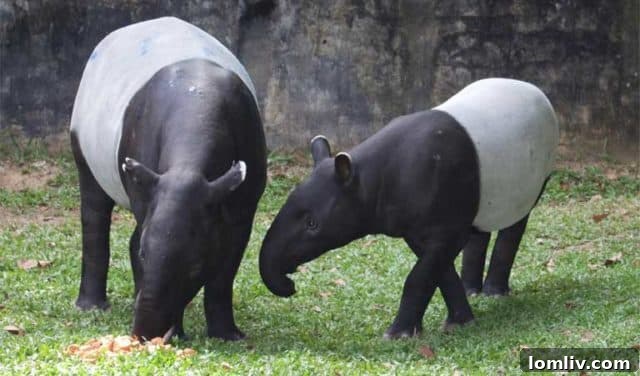
Amidst the overwhelming details of animal transfers and the somber farewells, one particular story has captured the public’s imagination and offered a glimmer of heartwarming news: the future of Jeffrey and Roger, a notorious and deeply beloved pair of tapirs. These two charming and distinctive individuals, known for their unique personalities and an exceptionally strong bond, have already secured a new, permanent home at the world-renowned San Diego Zoo. The San Diego Zoo, celebrated globally for its progressive animal welfare policies and innovative exhibits, expressed its enthusiastic delight in welcoming Jeffrey and Roger into their expansive animal family. In a particularly inclusive statement, the zoo highlighted the opportunity to embrace “LGBT animals” into their diverse collection, underscoring a modern, open-minded approach to animal companionship and diversity within zoological institutions. This specific transfer, while a small detail in the grand scheme, adds a touching, positive narrative to an otherwise challenging and controversial city decision, offering a testament to the individual stories within a massive relocation effort.
Fort Worth’s Identity: A Future Without Its Zoological Heart?
As the City of Fort Worth grapples with the aftermath of its profoundly controversial decision, city spokesman David Crikey presented a measured, albeit somewhat detached, perspective on the zoo’s closure. While acknowledging the institution’s esteemed standing, Crikey stated, “The Fort Worth Zoo has, without question, been rightfully judged as one of the finest zoological parks in the entire country. Its century-long run has been truly remarkable, a testament to dedicated care, pioneering conservation efforts, and unwavering public support.” However, this praise was quickly followed by a pragmatic, almost philosophical, observation: “But as with all good things, a time eventually comes for an end.” This sentiment crystallizes the city’s official stance, portraying the closure not as an abrupt or arbitrary act, but rather as an inevitable, if painful, progression dictated by modern urban economics.
For those deeply lamenting the loss of such a major institution that provided unique opportunities for “human on animal contact” and unparalleled educational experiences, Crikey attempted to pivot the public’s attention towards existing, smaller-scale alternatives within the broader metropolitan area. “Zoo lovers can still satisfy their cravings for direct interaction with animals at several excellent local petting zoos and smaller wildlife parks located throughout the region,” he advised, seeking to offer a practical, albeit significantly diminished, substitute for the comprehensive engagement provided by a world-class zoo. This suggestion, while offering some limited comfort, largely fails to address the profound emotional and educational void left by the departure of a major conservation and cultural anchor.
Crikey further underscored Fort Worth’s enduring appeal by prominently highlighting its vibrant and internationally recognized cultural district. “Fort Worth continues to possess a tremendous draw in its renowned cultural district,” he emphasized, pointing to the city’s impressive array of museums, art galleries, and performance venues as alternative cultural attractions for both residents and the millions of tourists who visit annually. Yet, his statement carried a subtle undercurrent of irony, or perhaps a hint of civic regret, regarding the ownership status of these other prime cultural assets. “The museums, which occupy choice Westside land, regrettably for the city, largely remain in private hands,” he noted. This revealing remark suggests a potential wistfulness on the part of the city, hinting that if these culturally significant parcels were municipally owned, they too might have been subjected to a similar ‘highest and best use’ reevaluation, thereby starkly illustrating the powerful economic lens through which the zoo’s fate was ultimately determined, and raising questions about the future vulnerability of other beloved civic institutions in an era of escalating urban land values.
The Legacy Continues: Iggy’s New Perch and Architectural Salvage
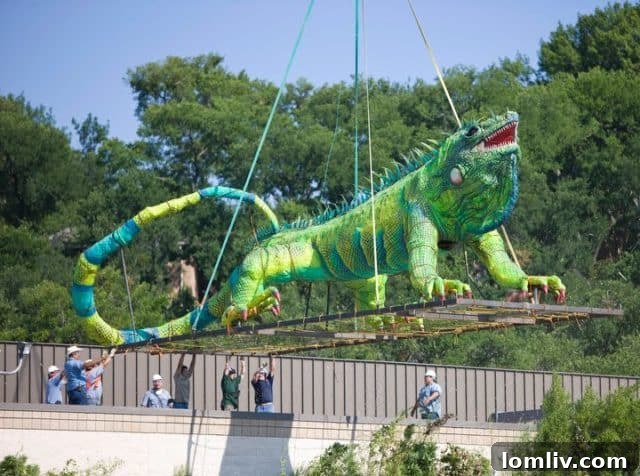
Amidst the sprawling redevelopment plans and the poignant farewells to the zoo’s animal residents, one final, intriguing question persistently lingers: what ultimate fate awaits Iggy, the iconic 40-foot iguana mascot that has for decades served as the beloved symbol of the Fort Worth Zoo? This colossal reptilian figure, a towering sentinel, has greeted countless generations of visitors, becoming an indelible part of the zoo’s identity and a cherished landmark for the entire city. Speculation is now running high that Iggy, with his distinctive and memorable presence, may soon find a new, equally prominent perch atop one of Fort Worth’s most celebrated and popular Northside culinary institutions, Joe T. Garcia’s. Such a move would serve not only to preserve a significant and quirky piece of the zoo’s visual heritage but would also provide an instantly recognizable and charmingly eccentric new landmark for a different kind of cultural institution. This transfer would ingeniously inject a tangible piece of the zoo’s spirit into a beloved culinary destination, ensuring Iggy continues to inspire smiles and conversation for years to come, albeit in a new, perhaps unexpected, context.
For individuals with a keen appreciation for history, unique architectural elements, or simply a desire to own a tangible piece of Fort Worth’s past, a rare and unique opportunity now presents itself: the acquisition of architectural salvage from the soon-to-be-demolished structures of the Fort Worth Zoo. As the process of deconstruction commences, various distinctive elements – ranging from unique building materials, intricate decorative details, and specialized fixtures, to even pieces of the iconic exhibit designs – are anticipated to become available. Individuals, dedicated preservationists, or discerning collectors interested in acquiring these palpable remnants of the zoo’s century-long history are strongly encouraged to directly contact the designated demolition company. Further comprehensive details, including procedures for submitting specific requests for items that might hold particular sentimental or historical value, can be conveniently accessed via the provided hyperlink. This initiative offers a bittersweet chance for a piece of the Fort Worth Zoo to embark on a new chapter, living on in new contexts and homes, embodying both its architectural legacy and the countless cherished memories it holds for so many members of the community.
Those who want to get their hands on architectural salvage from the Zoo should contact the demolition company with requests here.