Donald Trump, Real Estate Mogul Turned Presidential Candidate: A Dallas Rally Perspective
The profound influence of real estate permeates every facet of modern life, extending far beyond brick and mortar to shape culture, economics, and even politics. No figure better exemplifies this intricate connection than Donald Trump, whose journey from a prominent real estate developer to a leading contender for President of the United States created an unprecedented political phenomenon. His high-profile appearance in Dallas on a Monday night starkly illustrated this convergence, igniting both fervent support and vocal opposition, transforming the city into a captivating stage for national political discourse.
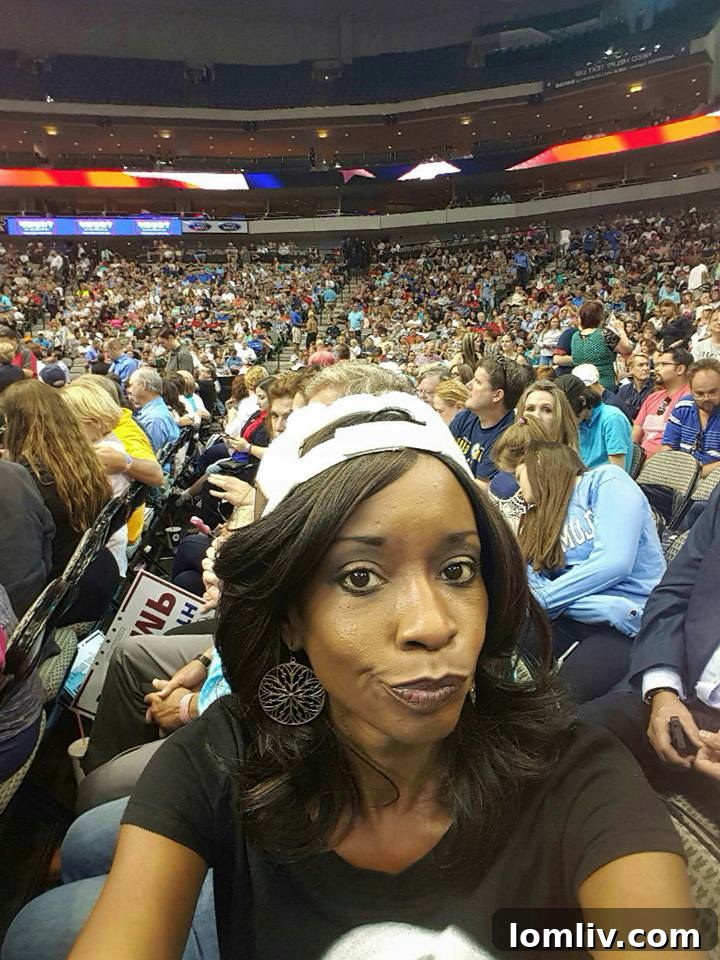
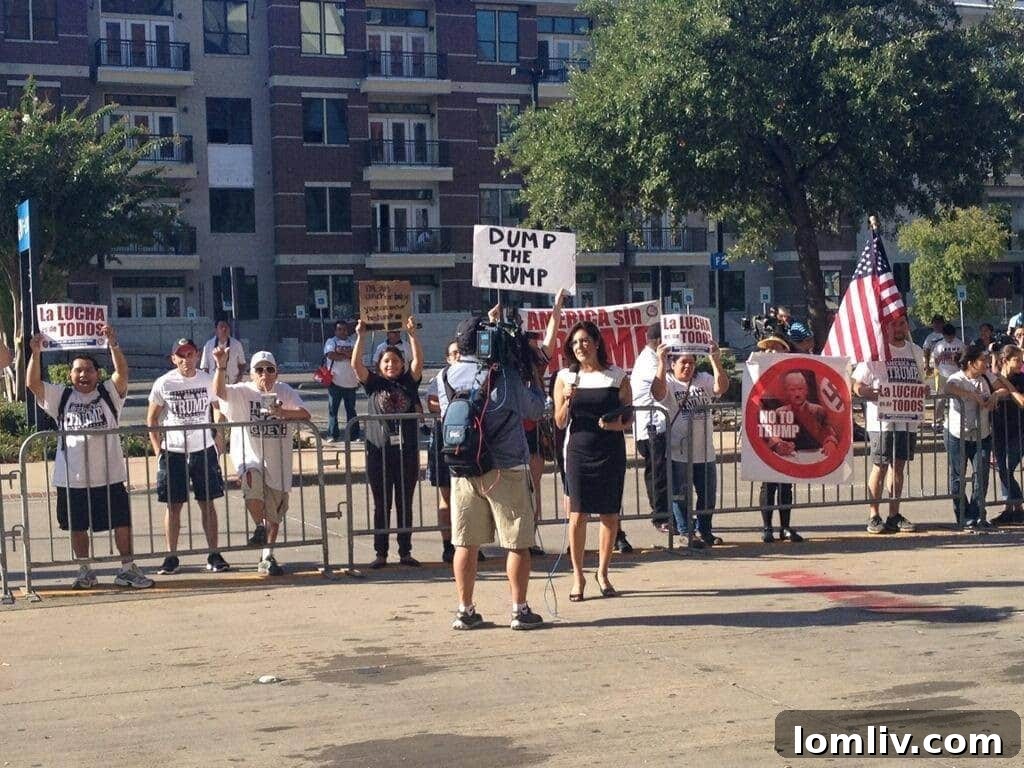
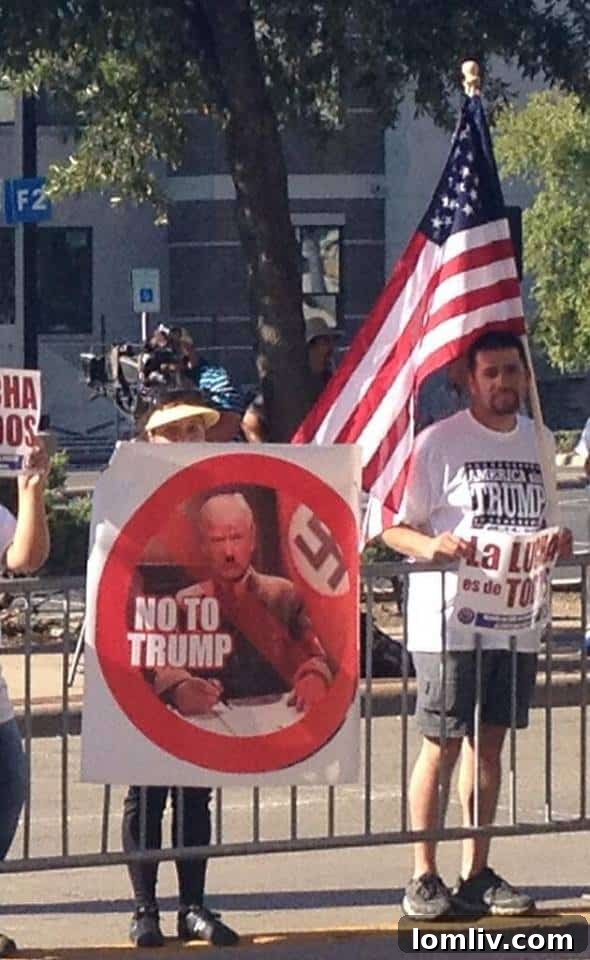
The event, held at the American Airlines Center, stirred a considerable commotion across Dallas. Outside the venue, passionate “Dump Trump” marches underscored the strong dissent, while inside, an almost palpable “Trump fever” captivated supporters. The anticipated influx of crowds prompted warnings for residents of downtown luxury condominiums, including those at the W Hotel and The Ritz-Carlton, to prepare for heightened activity and potential disruptions. This scene powerfully showcased how a presidential campaign, especially one fronted by a real estate titan, could dramatically impact the urban landscape and the daily lives of its inhabitants.
Real Estate, Design, and Political Endorsements: The Carleton Varney Story
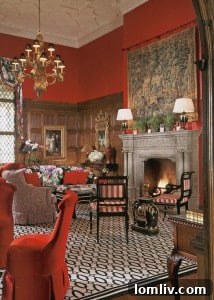
The nexus between real estate, luxury design, and political allegiance provided another intriguing subplot to Trump’s rise. Renowned interior designer Carleton Varney, celebrated for his distinctive and opulent contributions to iconic properties such as the historic Stoneleigh Hotel and an exclusive unit within The Residences at The Ritz-Carlton, emerged as a staunch supporter of Donald Trump. Varney’s personal connection to Trump extends beyond professional admiration; he reportedly resides in one of Trump’s prestigious buildings in New York City. This firsthand experience living within a Trump-owned property offers a unique, intimate perspective on the candidate’s operational style and management capabilities.

The provocative suggestion that one could fully grasp Trump’s executive prowess by simply conversing with residents of his properties hints at a belief that his success in managing real estate translates directly to governing. This perspective invites a fascinating debate: Do the practical skills of a property magnate, encompassing development, negotiation, and tenant relations, genuinely equip someone to lead a nation? Or are the demands of public office fundamentally distinct, requiring a different set of competencies? The analogy draws a direct line from managing a real estate portfolio to managing a country, a concept that captivated many and perplexed others.
An Exclusive Eyewitness: Nicole Barrett’s Insights from the Trump Rally
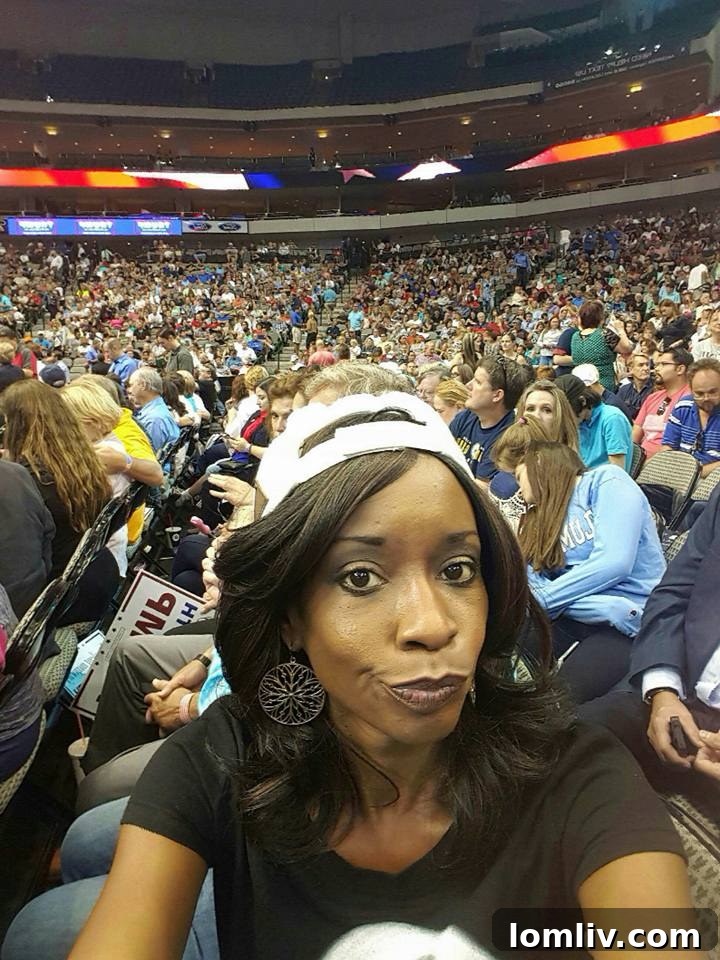
To delve deeper into the Dallas rally’s atmosphere and true nature, we sought an insider’s perspective from Nicole Barrett, a celebrated radio and TV host. Known for her engaging on-air presence and sharp observations, Nicole bravely navigated the dense crowds to attend the Donald Trump event, offering a candid, firsthand account that often contrasted with mainstream media portrayals. While many reports painted a picture of a sold-out arena bursting with 20,000 attendees, Nicole’s ground-level view provided a more nuanced reality.
Beyond Capacity: The Real Crowd and Campaign Strategy
Nicole clarified that the American Airlines Center was “definitely NOT full” to its advertised capacity. She observed that while the floor and lower seating levels were indeed packed, the upper tiers remained conspicuously empty. This detail is crucial for accurately assessing the rally’s reach and the actual extent of organic support, offering a more precise understanding than potentially inflated official figures. The energy, however, was undeniably electric, fueled by an eager and responsive crowd.
Regarding accessibility, Nicole confirmed that she obtained her tickets for free immediately after they became available online. This common campaign strategy of offering free tickets is designed to maximize attendance, generate momentum, and create a visible show of force, particularly among dedicated supporters who are quick to secure their spots.
The rally’s live streaming footage frequently showed spontaneous standing ovations, indicating a highly engaged audience. Nicole corroborated this, noting that these enthusiastic displays were most prominent “whenever he raised his voice level.” This observation highlights Trump’s effective use of rhetorical crescendo, a theatrical delivery style that resonated powerfully with his base and often punctuated his key points, driving the crowd’s excitement.
Anatomy of the Audience and Trump’s Persuasive Rhetoric
A closer look at the audience demographics revealed a specific composition. Nicole characterized the crowd as “mostly White couples, few Hispanics and a handful of Black attendees.” This early snapshot offered valuable insights into the nascent stages of Trump’s political coalition, hinting at the demographic appeals and challenges that would define his broader campaign. Understanding who attended these rallies is key to comprehending the foundational support that propelled his movement.
Describing Trump’s speaking style, Nicole vividly stated it was “ALL ABOUT TRUMP,” with shifts in focus occurring only when he launched into critiques of other candidates. She likened the experience to “more of a comedy show with punchlines on other candidates.” This characterization underscores his often-controversial, entertainment-driven approach to political discourse. His speeches, she noted, consistently circled back to core, easily digestible themes, with “Build a Wall!” standing out as a prime example. This simplistic, yet highly impactful, policy proposal garnered both passionate support and vehement criticism, often drawing historical parallels to divisive structures like the Berlin Wall.
Despite the often-contentious nature of his pronouncements, Trump’s personal interactions with the crowd were described in glowing terms. “People definitely wanted to shake his hand, and he was receptive,” Nicole recounted. She even witnessed an admirer hand him a book, which he graciously accepted. This ability to forge a direct, seemingly authentic connection with his supporters, cultivating a “true Rock Star!” persona, proved to be a critical element of his magnetic appeal, fostering a sense of accessibility and celebrity rare in traditional politics.
The Developer-President Paradox: Business Acumen vs. Governing a Nation
A persistent question throughout Trump’s campaign revolved around his understanding of the U.S. system of government. Critics frequently pointed out that many of his ambitious declarations presumed unilateral presidential power, often overlooking the established framework of three co-equal branches. Nicole’s perception captured this sentiment perfectly: “Trump believes he can do anything! He is not asking for our help. Just put him in and let him take charge.” This highlights a perceived strongman approach, suggesting an executive style more akin to a CEO making business decisions than a head of state navigating complex legislative and judicial checks and balances.
The idea of a “real estate guy” in the Oval Office sparked both curiosity and concern. The lighthearted suggestion of “getting the scaffolding off the Capitol sooner” humorously touched upon the practical, results-driven mindset often associated with development. Nicole acknowledged that “development is his expertise (when he is not filing bankruptcy on his properties),” a critical qualifier that added a layer of skepticism. However, she quickly articulated a deeper truth: “this country needs SO MUCH more! What good is a building if no one can afford to live in it!” This insightful remark starkly differentiates building physical structures from building a prosperous and equitable society, prioritizing social welfare and economic inclusivity over mere infrastructure projects.
Trump’s campaign rhetoric was notable for its directness and often controversial humor. Nicole vividly recalled his assertion that Ford was relocating jobs to Mexico, only for the cars to be driven back across the border, thus necessitating a wall. This specific anecdote exemplified his uncanny ability to distill complex economic issues into relatable, albeit often exaggerated, narratives. When asked about her favorite moment from the rally, Nicole’s response was equally revealing: “I could not get enough of him saying, ‘He’s great for women!’ IS that according to his ex wives??” This rhetorical question perfectly encapsulated a prevalent critique of Trump’s public self-portrayal versus his personal history, injecting a dose of critical skepticism into his self-proclaimed attributes.
The National Pulse: Public Opinion and the Path Forward
Reflecting on the broader national sentiment, discussions on news channels like MSNBC offered further context. One commentator noted that Trump reminded him of his father’s generation, the “Greatest Generation,” admired for their directness and unwavering strength. This perception of Trump as a strong, no-nonsense leader resonated deeply with a segment of the electorate longing for decisive leadership. Yet, the counter-argument that he was “not self-made” also persisted, challenging the meticulously crafted narrative of a self-made billionaire.
A pervasive sentiment among many, particularly the middle class, was a feeling of being “washed out”—a profound economic anxiety that Trump skillfully tapped into and leveraged. This widespread discontent fueled intense speculation about his chances of securing the nomination and ultimately the presidency. On his prospects, Nicole’s analysis was pragmatic: “At this rate, to NOT give him the nomination would seem rigged on the GOP’s part. We may have to ride this out…” This indicated a growing sense of inevitability in the Republican primary race. However, she also recognized the formidable challenge posed by Hillary Clinton, predicting a ferocious general election battle: “She has put in WAY TOO much to go down without a Hell of a fight. His true substance will show if he debates her. We already know he’s great at talking to himself. LOL!” This concluding quip perfectly captured the complex mix of apprehension and amusement that frequently accompanied discussions surrounding Donald Trump’s unprecedented political ascent.
The imagery outside the Dallas arena, filled with protests and counter-protests, served as a powerful visual reminder of the deeply polarizing nature of his candidacy and the passionate division it sparked across the nation.
Donald Trump’s remarkable foray into presidential politics, fundamentally rooted in his expansive real estate empire, ignited an unparalleled national conversation. His Dallas rally stood as a potent illustration of how a figure so intimately connected with property and development could dramatically reshape the political landscape, generating both fervent loyalty and vehement opposition, while constantly blurring the traditional boundaries between business acumen, entertainment, and the weighty responsibilities of governance. His impact underscored the indelible link between the worlds of real estate and the highest echelons of political power.