
Unlocking Power Resilience: The Strategic Advantage of Living Near Critical Facilities

The recent widespread power outages across North Texas left hundreds of thousands in the dark, disrupting daily life and highlighting the critical importance of reliable electricity. For many, this meant spoiled food, uncomfortable nights, and the scramble to find alternative accommodations or power sources. While the immediate focus was on survival and restoration, these events often spark a deeper conversation: how can one mitigate the impact of future outages? For those with a keen eye on real estate, there’s a fascinating, often overlooked insight that emerged from the shadows of last week’s blackout: where you choose to live can significantly influence how quickly your power is restored.
It’s a subtle yet powerful revelation that isn’t explicitly stated but can be gleaned from understanding how utility companies like Oncor approach power restoration. While no electricity provider will explicitly advise you to “move to these neighborhoods for guaranteed faster power,” the underlying principles of their restoration triage system offer a compelling argument for strategic home selection. If you’re astute, you can certainly read between the lines and leverage this knowledge for a more resilient future.
Understanding the Science of Power Restoration Prioritization
Electricity providers across the nation, including Oncor in North Texas, operate on a prioritized restoration protocol during widespread outages. This isn’t arbitrary; it’s a carefully designed system aimed at maximizing public safety and minimizing disruption to essential services. The prioritization process, often referred to as triage, dictates that certain critical structures and infrastructure receive power restoration before others. Understanding this hierarchy is key to grasping the potential benefits of certain residential locations.
The Restoration Hierarchy: From Transmission to Community
The first and foremost priority following a major event is typically the repair of high-voltage transmission lines. These monumental power arteries carry electricity from generating stations to substations, serving vast regions and entire neighborhoods. When a transmission line goes down, a massive number of homes and businesses are affected, making their restoration a top-tier imperative for any utility company. Getting these primary arteries back online is the foundational step before localized repairs can even begin.
Once the broader transmission network is stabilized, the focus shifts to distributing power more locally, and this is where the presence of critical facilities becomes paramount. Utility companies categorize specific types of structures as “public and critical care facilities” due to their indispensable role in maintaining public order, safety, and health. As Oncor clearly states, “Public and critical care facilities, such as hospitals and fire stations, are also top priority since they impact lives and first responders.” This category extends beyond healthcare and emergency services to include other vital components of urban infrastructure, such as water pump stations, sewer lift stations, police departments, and critical communication hubs. The reasoning is straightforward: these facilities are non-negotiable for community well-being, especially during emergencies. Restoring power to them ensures emergency responders can operate, clean water is available, and sanitation systems remain functional, preventing further crises.
The “Hospital Proximity” Advantage: A Real Estate Game-Changer?
Now, while living adjacent to a sewer lift station might not be on everyone’s ideal neighborhood checklist, residing near a hospital or a major fire station presents a much more appealing proposition. The implicit benefit here is significant: if your home is situated on the same power grid or a direct feeder line that primarily serves a top-priority critical facility like a hospital, there’s a higher likelihood that your electricity will be restored sooner than in areas without such essential infrastructure. This isn’t a guaranteed outcome, but it significantly tips the odds in your favor during a blackout. Utilities often prioritize the restoration of entire circuits or feeders that serve these critical entities, and if your street happens to be on one of those, you could reap the benefits.
This strategic location offers more than just faster power restoration. Living near major medical centers often means access to a host of other conveniences. These areas are typically well-developed with robust public transportation options, a variety of dining establishments, and essential retail services. They tend to be hubs of activity, attracting investment in infrastructure and amenities, which can contribute to a desirable living environment even outside of emergency scenarios. For healthcare professionals, the convenience of a short commute is an obvious advantage, but for anyone, the security of knowing that vital services are close at hand can bring considerable peace of mind.
Exploring Real Estate Opportunities in North Texas’s Critical Hubs
Recognizing this unique advantage, we’ve delved into the North Texas real estate market to identify areas that could offer this invaluable perk. The region boasts numerous critical care facilities, each surrounded by a diverse array of housing options, catering to various budgets and lifestyles. This exploration reveals that making a strategic choice doesn’t necessarily mean compromising on your dream home or stretching your finances beyond comfortable limits.
Dallas Medical District: A Hub of Opportunity
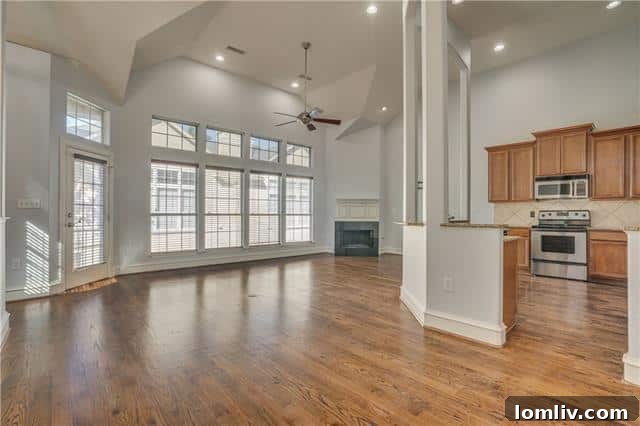
A simple search on platforms like Realtor.com for properties within or immediately adjacent to the Dallas Medical District alone reveals a substantial inventory. With approximately 500 homes currently available, the price points are remarkably varied, ranging from the low $100,000s for more compact units or older properties to well into the $500,000s for larger homes or newer constructions. This area, anchored by major institutions like UT Southwestern Medical Center and Parkland Memorial Hospital, is dynamic and constantly evolving, offering condos, townhomes, and single-family residences. Beyond the potential power benefits, residents enjoy quick access to downtown Dallas, cultural attractions, and a vibrant community atmosphere.
Near Texas Health Presbyterian Hospital Dallas: Rentals and Lifestyle
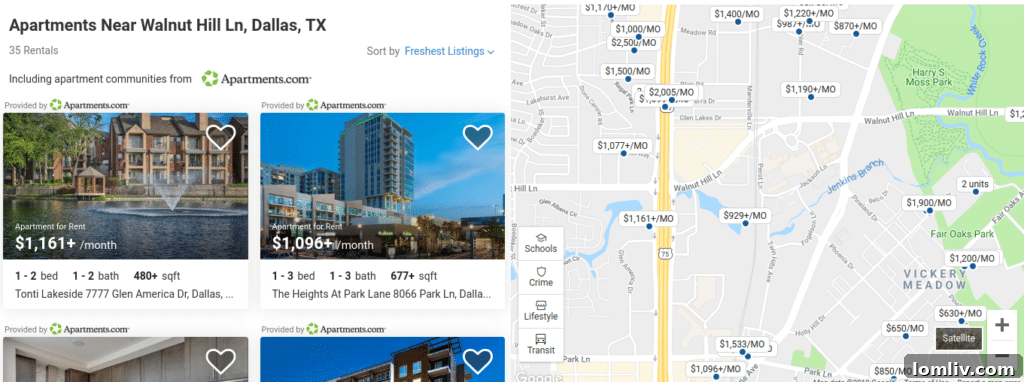
While direct purchase options might be limited immediately around Texas Health Resources Dallas Presbyterian, the area thrives with a robust rental market. Numerous apartments and condominiums are available for lease, providing excellent proximity not just to the hospital but also to a wealth of shopping destinations and convenient DART rail access. This makes it an ideal location for those seeking flexibility, convenience, and a vibrant urban lifestyle with the added benefit of potentially faster utility restoration.
Medical City Dallas and Surrounding Environs
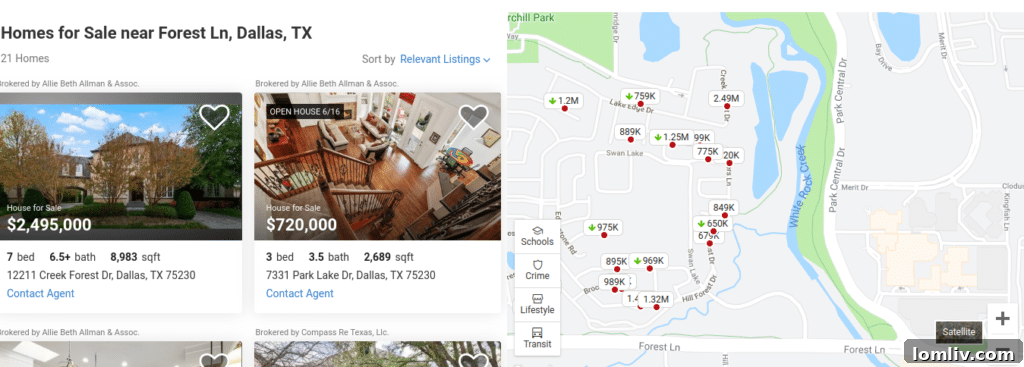
Moving north, near Medical City Dallas, the real estate landscape offers a different flavor. Just across Park Central, potential homeowners can find approximately 21 properties for sale, showcasing a significantly higher price range, from $650,000 up to $2.49 million. This area typically features more upscale single-family homes and luxury townhomes, reflecting a desire for spacious living combined with excellent access to top-tier medical care.
Methodist Hospital in Dallas and Other Key Locations
For those interested in the burgeoning communities surrounding Methodist Hospital in Dallas, there are also several listings available. These areas often represent opportunities for urban living with a community feel. Similarly, near Baylor Scott and White, while a few listings and rentals exist, it’s crucial for buyers to assess the exact proximity to the hospital to ensure they are within the most beneficial power restoration zones. The key is true adjacency, not just being in the general vicinity. A few blocks can make a significant difference in grid allocation.
Fort Worth: John Peter Smith Hospital Area
Across the metroplex in Fort Worth, John Peter Smith Hospital anchors another area worth considering. Here, prospective residents will find a good selection of rental properties alongside about 13 active listings for sale. Fort Worth offers a distinct character, blending historic charm with modern amenities, and proximity to JPS Hospital provides similar strategic advantages for power resilience.
Beyond the Blackout: Comprehensive Benefits of Strategic Location
While faster power restoration is a compelling argument, the benefits of living near critical facilities extend far beyond simply keeping your lights on during an outage. This strategic location offers a multifaceted advantage:
- Immediate Access to Emergency Services: In any emergency, time is of the essence. Living close to a hospital or fire station means quicker response times for medical emergencies, potentially saving lives.
- Enhanced Property Value Stability: Areas with robust infrastructure and essential services tend to maintain, or even increase, their property values more consistently. The inherent stability offered by these critical hubs makes them attractive long-term investments.
- Convenience for Healthcare Professionals: For the thousands of doctors, nurses, and medical staff working in these facilities, a short commute greatly improves work-life balance and reduces daily stress.
- Access to Public Transportation: Major hospitals are almost always located on prime public transit routes, making commuting easier and reducing reliance on personal vehicles.
- Thriving Commercial and Retail Zones: Businesses, from restaurants to pharmacies, often cluster around large medical centers to serve patients, visitors, and staff. This creates vibrant commercial areas with diverse amenities.
Important Considerations and Nuances
Of course, no location is without its trade-offs. Living near a busy hospital can mean increased traffic, especially during peak hours, and the occasional sound of ambulance sirens. These are minor considerations for some but might be significant for others who prioritize absolute quiet. Additionally, while the odds are better for quicker restoration, it’s not an absolute guarantee. Power outages are complex events, and localized damage can still affect even the most strategically located properties.
Prospective homeowners should always conduct thorough research into specific neighborhoods, considering all factors important to their lifestyle. For ultimate resilience, pairing a strategic location with personal backup power solutions, such as a home generator or a solar battery storage system, offers the most comprehensive protection against prolonged outages. This approach ensures peace of mind, regardless of the severity or duration of a power disruption.