Texas Takes the Lead: Unpacking Why the Lone Star State is a Renter’s Paradise
Texas has firmly established itself as a dynamic and highly desirable destination for renters across the United States. With a booming economy, diverse job markets, and an attractive quality of life, it’s no surprise that cities within the Lone Star State are consistently recognized among the nation’s best places to live and rent. A recent, in-depth study by RentCafé, a leading nationwide apartment search website, has shed significant light on this trend, identifying a remarkable twelve Texas cities that stand out in its prestigious list of the Best U.S. Cities for Renters in 2022. This extensive analysis solidifies Texas’s reputation as a magnet for individuals and families seeking quality rental opportunities and a thriving environment.
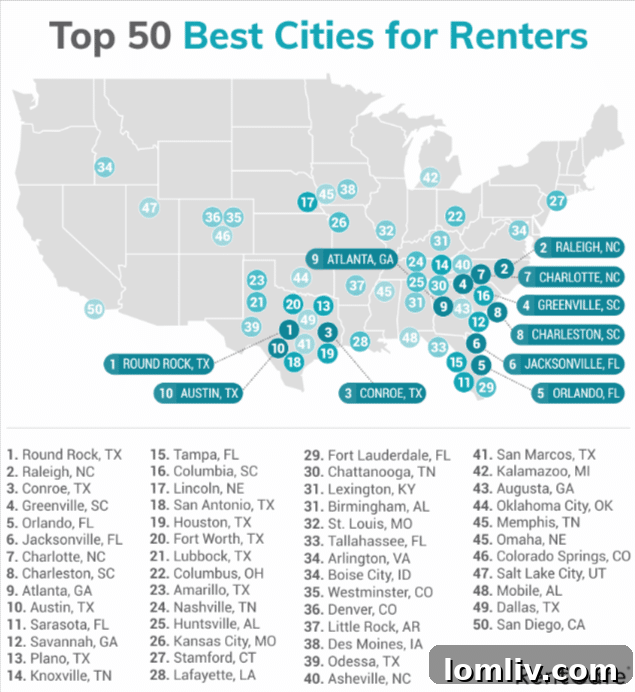
Among the top contenders, three prominent cities from the vibrant Dallas-Fort Worth (DFW) metropolitan area have earned their rightful places on this esteemed list. Plano, a suburb renowned for its economic vitality and family-friendly environment, ranked impressively at 13th overall. Fort Worth, with its rich cultural heritage and balanced cost of living, secured the 20th position. Dallas, the sprawling urban core, also made its mark, coming in at 49th. These rankings were meticulously determined from a pool of 115 candidate cities nationwide, evaluated across RentCafé’s three crucial main categories: cost of living and housing, local economy, and quality of life. It’s important to note that these rankings specifically reflect apartment rentals, offering a granular view of the multi-family housing market, rather than individual home rentals.
Round Rock and Austin: Central Texas Shines Bright for Renters
Beyond the DFW area, Central Texas also demonstrated its strong appeal to renters. Round Rock, strategically located just north of the bustling state capital, Austin, achieved an outstanding first-place ranking nationwide. This remarkable accomplishment underscores Round Rock’s exceptional value proposition for renters. RentCafé’s analysis praised Round Rock, stating, “…three-quarters of the apartments in Round Rock are classified as high-end, which means they check the most important features for modern renters — from large spaces to quality amenities and finishes.” This emphasis on modern, high-quality living experiences, coupled with its proximity to Austin’s economic opportunities without the higher cost of living, makes Round Rock an undeniable top choice for those seeking premium living at a more accessible price point.
Austin itself, a perennial favorite known for its vibrant music scene, thriving tech industry, and dynamic outdoor lifestyle, also performed admirably, securing the 10th spot nationally. While Round Rock offers a slightly more affordable entry point with premium amenities, Austin continues to draw renters with its unique culture, abundant entertainment options, and robust job market, albeit at a typically higher price point. The two cities together showcase the diverse appeal of the Central Texas rental market.
Conroe: North Houston’s Emerging Rental Hotspot
Further south, Conroe, a rapidly growing city located north of Houston, emerged as another strong performer in the RentCafé study, landing an impressive third place overall. Conroe was particularly cited for its high percentage of high-end apartments, mirroring Round Rock’s success in offering premium rental experiences with modern finishes and desirable amenities. However, Conroe’s appeal extends beyond just housing quality. RentCafé highlighted its unique environmental advantages, noting, “Additionally, the warm weather and variety of lakes and green spaces create the perfect location for active residents and nature-lovers.” This combination of quality housing and abundant recreational opportunities, including boating, fishing, and hiking, makes Conroe a particularly attractive option for those seeking a harmonious blend of modern living and natural beauty, offering a suburban retreat with big-city access.
Diving Deeper into the Rankings: Large vs. Small Cities Categories
RentCafé’s comprehensive study also segmented its findings by city size, offering more nuanced insights into the rental market dynamics across different urban landscapes. In the highly competitive large city category, which includes metropolitan areas with populations exceeding 600,000, Fort Worth showcased its strength by securing an impressive sixth position. This high ranking for Fort Worth was primarily attributed to its favorable cost of living and housing. Compared to other major U.S. cities of similar scale, Fort Worth offers a remarkable balance between vibrant urban amenities and housing affordability, making it an excellent choice for those desiring a big-city experience without the exorbitant price tag often associated with them. Its thriving cultural district, burgeoning downtown, and diverse employment opportunities further enhance its appeal to a broad demographic of renters.
Conversely, in the small city category, encompassing cities with populations under 300,000, Plano truly shone, ranking an outstanding eighth. Plano’s success in this category was specifically cited for its robust local economy. Known as a corporate hub, Plano hosts numerous Fortune 500 companies and offers a vibrant job market, making it an ideal location for professionals and families seeking economic stability and growth. Beyond its economic prowess, Plano also boasts excellent schools, beautifully maintained parks, a low crime rate, and a high quality of life, all contributing to its top-tier status among smaller cities. Its combination of career opportunities and family-friendly amenities makes it a compelling choice for many.
Understanding RentCafé’s Robust Methodology: A Guide for Renters
To fully appreciate the significance of these rankings, it’s essential to understand the meticulous process RentCafé employs. RentCafé is not merely an apartment listing site; it’s a vital resource that provides in-depth market analyses and insights for renters, landlords, and industry professionals alike. Their reports are known for their extensive nature, data-driven approach, and transparency, offering valuable perspectives on rental trends and city comparisons that go beyond surface-level observations.
The “Best U.S. Cities for Renters” report, in particular, leverages a sophisticated composite index developed by RentCafé’s expert analytics team. This index systematically compares cities across three primary categories, which are further broken down into 17 relevant metrics. These metrics provide a holistic view of what makes a city truly renter-friendly, ensuring a comprehensive evaluation:
1. Cost of Living and Housing: The Foundation of Affordability
This category is paramount for renters, as it directly impacts their monthly budget and overall financial well-being. It includes crucial metrics such as average rent prices for different apartment sizes, housing affordability relative to local income levels, and the overall cost of living, encompassing expenses like groceries, transportation, utilities, and healthcare. Cities that excel in this area offer competitive rents without compromising on quality, ensuring renters can stretch their dollar further and enjoy a higher disposable income. Fort Worth’s strong performance in the large city category is a testament to its favorable standing in this essential area, providing metropolitan benefits at a manageable cost.
2. Local Economy: Opportunities and Stability for Growth
A thriving local economy is a cornerstone for any desirable city, especially for renters who are often seeking new job opportunities or career advancement. This category assesses vital factors like job market strength, unemployment rates, average income levels across various sectors, and the presence of diverse industries that offer long-term stability and growth. A robust economy translates to better job prospects, higher wages, and greater financial security for residents. Plano’s high ranking in the small city category underscores its exceptional performance in nurturing a dynamic and attractive economic environment, making it a professional magnet.
3. Quality of Life: Beyond the Basics of Daily Living
While cost and economic opportunities are critical, the overall quality of life dictates day-to-day satisfaction and long-term contentment. This broad category encompasses a wide array of metrics, including access to essential amenities (restaurants, shopping, entertainment venues), educational opportunities (school ratings, proximity to higher education institutions), availability of quality healthcare facilities, public safety and crime rates, commute times, abundance of green spaces and parks, and vibrant cultural attractions. Cities that score high in quality of life offer a well-rounded experience, fostering a vibrant community and enhancing residents’ overall well-being. The emphasis on lakes and green spaces in Conroe, and the general appeal of Plano’s community amenities and excellent public services, are excellent examples of this category in action, providing a high standard of living.
The depth of this analysis, which integrates 17 distinct metrics, allows RentCafé to present a truly nuanced picture of the rental landscape, far beyond simple rent comparisons. This comprehensive approach provides invaluable guidance for individuals considering a move, enabling them to make informed decisions based on a wide array of critical factors that contribute to a fulfilling rental experience.
Why Texas Continues to Attract a Growing Population of Renters
The consistent high rankings of Texas cities in respected reports like RentCafé’s are not mere coincidences; they are reflections of fundamental shifts and enduring strengths within the state. Texas has become a magnet for corporate relocations and expansions, bringing with it a flood of new jobs across diverse sectors, including technology, healthcare, manufacturing, and finance. This robust job growth, combined with generally lower taxes, a business-friendly regulatory environment, and a diverse workforce, fuels consistent demand for housing, particularly rentals, making it an attractive proposition for both residents and investors.
Furthermore, Texas cities often strike an appealing balance between urban development and maintaining ample green spaces and outdoor recreational opportunities, offering residents a wide range of lifestyle choices. From the bustling cultural scene and metropolitan energy of Dallas to the serene natural beauty surrounding Conroe, and the innovative tech hub of Austin balanced by the family-oriented appeal of Plano, there’s a place for virtually everyone. The state’s warm climate also adds to its allure, promoting an active, outdoor lifestyle for much of the year, enhancing the overall quality of life.
For prospective renters, these comprehensive rankings provide more than just a list; they offer a practical roadmap. They highlight cities where the rental market is not just active but also offers genuine value, whether that’s through high-end amenities, affordability, strong job markets, exceptional schools, or an enviable quality of life. The detailed insights into specific categories allow renters to prioritize what matters most to them, making their search more efficient, targeted, and ultimately, more successful in finding their ideal home.
In conclusion, the RentCafé report on the Best U.S. Cities for Renters in 2022 unequivocally cements Texas’s status as a premier destination for apartment dwellers. With Round Rock leading the pack and cities like Plano, Fort Worth, Dallas, Austin, and Conroe demonstrating diverse strengths, the Lone Star State offers a compelling array of choices for anyone looking to rent. Its unique blend of economic opportunity, diverse lifestyles, and unwavering commitment to quality living experiences ensures that Texas will remain a top contender for renters for years to come, solidifying its reputation as a true renter’s paradise.