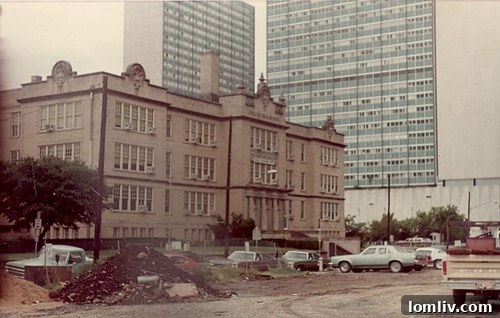
Revitalizing a Dallas Icon: The Future of the Historic Dallas High School Building
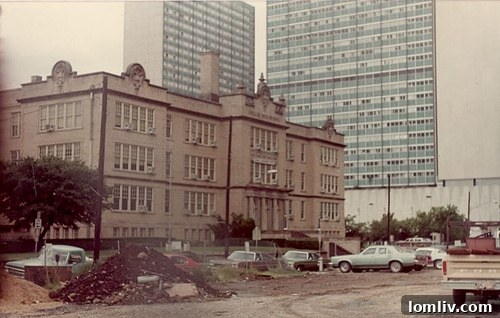
Nestled strategically at the bustling intersection of Pearl Street and Bryan, directly across from the verdant expanse of the Plaza of the Americas and a stone’s throw from a vital DART Rail station, stands a monument to Dallas’s rich history: the Dallas High School building, originally known as Crozier Tech. This majestic structure, a silent observer of the city’s ceaseless evolution, represents not just a relic of the past but a canvas for future innovation. Given its prime location and substantial footprint, this architectural gem possesses an unparalleled opportunity to be reimagined as a vibrant, multifaceted hub, contributing significantly to the urban tapestry of downtown Dallas. Among the myriad possibilities, one particularly compelling vision emerges: transforming it into dynamic live/work loft spaces, specifically tailored to cultivate a thriving community of artists and entrepreneurs. Such a development would not only honor its legacy but also address a critical, often-overlooked need within the nearby, globally recognized Dallas Arts District—the urgent demand for genuinely affordable housing and collaborative environments for creatives.
The Dallas High School building’s journey through the annals of urban development has been anything but straightforward. This expansive 6-acre site has, over the decades, witnessed numerous changes in ownership and a parade of ambitious redevelopment plans, many of which ultimately failed to materialize. As noted by industry expert Steve Brown, the property’s history is a complex narrative of potential met with persistent challenges. Erected in 1907, this venerable institution stands as one of the last remaining significant downtown structures yet to undergo comprehensive redevelopment. For far too long, its boarded-up windows and dormant facade have cast a regrettable shadow, presenting a shameful eyesore at what should be a welcoming gateway to Downtown Dallas—the city’s inaugural transit stop. The contrast between its historic grandeur and its present state of disuse is stark, prompting urgent questions about its future and the broader implications for urban revitalization.
A Vision for Adaptive Reuse: Fostering Creativity and Community in Downtown Dallas
The concept of repurposing the Dallas High School into a live/work loft community for artists and entrepreneurs is not merely a practical solution; it is a visionary commitment to enhancing the cultural and economic vitality of Dallas. The Dallas Arts District, renowned for its world-class museums, performance venues, and cultural institutions, ironically struggles with a severe lack of affordable housing options for the very artists who contribute to its vibrant ecosystem. By offering well-designed, accessible living and working spaces within such a historically significant building, the project could act as a powerful incubator, nurturing emerging talent and providing a much-needed haven where creativity can flourish unhindered by exorbitant rents. This adaptive reuse strategy promises to inject new life into an underutilized asset, aligning with contemporary urban planning principles that prioritize sustainable growth and community-centric development.
Imagine a bustling complex where painters find inspiration in sun-drenched studios, musicians compose in sound-proofed lofts, and tech innovators collaborate on groundbreaking startups—all under one roof. This synergy would foster interdisciplinary collaboration, spark new ideas, and create a self-sustaining micro-economy within the heart of Dallas. Beyond individual success stories, such an initiative would inject a palpable energy into the surrounding neighborhood, increasing foot traffic, supporting local businesses, and transforming a dormant landmark into a lively nexus of innovation and culture. It’s an investment not just in real estate, but in the very soul of Dallas, creating a dynamic environment that attracts and retains top talent, making the city an even more desirable destination for creative professionals and enhancing the city’s appeal as a hub for innovation.
The Historical Tapestry: From Educational Hub to Urban Canvas
The Dallas High School, originally established as Crozier Tech High School, holds a cherished place in the city’s educational history. For decades, it served as a cornerstone of learning, shaping generations of Dallasites and contributing significantly to the intellectual capital of the burgeoning metropolis. Its distinctive architecture, a testament to early 20th-century craftsmanship, still resonates with a profound sense of civic pride and historical importance. The building’s robust brickwork, grand entrances, and expansive interiors hint at its past glory and inherent suitability for adaptive reuse. Preserving its architectural integrity while modernizing its internal functions represents a delicate yet achievable balance—a challenge that, if met successfully, can transform a historical burden into a monumental asset and a point of pride for the Dallas community.
However, the transition from a thriving educational institution to an abandoned landmark highlights the complex challenges inherent in urban development. The sheer scale of the 6-acre property, coupled with the intricate requirements for historical preservation and compliance with modern building codes, often deters developers. Its protracted dormancy has made it a symbol of both aspiration and frustration within downtown revitalization discourse. Yet, this very challenge presents an extraordinary opportunity for a developer with the vision and expertise to navigate these complexities, turning a long-standing urban puzzle into a celebrated success story that respects its heritage while embracing contemporary needs. The successful redevelopment of this site would set a powerful precedent for future preservation and modernization efforts across the city.
Jack Matthews: A Proven Catalyst for Dallas Urban Transformation
If any individual possesses the unique blend of foresight, tenacity, and experience to breathe new life into a project of this magnitude, it is undoubtedly Jack Matthews. Renowned for his audacious “Hail Mary-type developments,” Matthews has consistently demonstrated an uncanny ability to identify undervalued assets and transform them into thriving urban centers. His impressive track record includes the remarkable revitalization of the Cedars neighborhood, a once-neglected industrial area that he meticulously reshaped into a vibrant residential and entertainment district. Through strategic investments, innovative planning, and an unwavering commitment to quality, Matthews successfully converted decaying warehouses and forgotten lots into highly sought-after loft conversions, unique retail spaces, and dynamic cultural venues, proving that even the most challenging urban landscapes can be reborn.
Matthews’s success in Cedars involved not just bricks and mortar but a deep understanding of community needs and market potential. He didn’t just build; he cultivated an entire urban ecosystem, attracting residents, businesses, and artists alike, ultimately setting a new benchmark for urban renewal in Dallas. This proven expertise in handling complex historical properties and large-scale urban regeneration projects makes him an ideal steward for the Dallas High School’s next chapter. His involvement signals a serious commitment to overcoming the site’s historical hurdles and unlocking its immense value, transforming it from a neglected landmark into a cornerstone of Dallas’s future vibrancy. For those interested in the detailed history and ongoing saga of this beleaguered building, further insights can be found here, offering a comprehensive look at its past challenges and the persistent optimism surrounding its future.
Beyond Lofts: Exploring Diverse Redevelopment Possibilities for the Dallas High School Site
While the concept of live/work artist lofts presents a compelling vision, the sheer size and strategic location of the Dallas High School site inevitably invite a multitude of other exciting possibilities. Urban planners, architects, and community stakeholders have likely conceived of many different ideas for this pivotal 6-acre site, reflecting the diverse needs and aspirations of a growing metropolitan area. Could it become a sophisticated boutique hotel, offering unique accommodations that blend historical charm with modern luxury, attracting tourists and business travelers alike to downtown Dallas? Such a development would not only generate significant revenue but also enhance the city’s hospitality landscape, leveraging the building’s inherent character to create a memorable experience.
Alternatively, a dynamic mixed-use development, combining upscale retail, contemporary office spaces, and residential units, could create a self-sufficient urban village. This approach fosters a vibrant street-level experience, encourages pedestrian activity, and provides diverse offerings to both residents and visitors. Other viable options might include transforming it into an innovative educational annex for a local university, expanding its capacity for specialized programs or research, thereby continuing its legacy as a center for learning. It could also serve as a grand cultural center or museum, housing unique collections or interactive exhibits that further enrich the Dallas Arts District, drawing in enthusiasts and contributing to the city’s cultural heritage. Imagine a tech hub, drawing in startups and established firms, fostering innovation and job growth within the urban core and positioning Dallas as a leader in the technology sector. The challenge lies in identifying the perfect blend of uses that not only respects the building’s heritage and structural integrity but also maximizes its economic impact and enhances the surrounding community. Each potential path offers a distinct set of benefits, demanding careful consideration and robust public discourse to ensure the chosen direction aligns with Dallas’s long-term urban development goals.
The Call to Action: Your Vision for Dallas’s Future
The future of the Dallas High School building is a collective conversation that extends beyond developers and city planners to every resident who cares about the urban fabric of Dallas. We at daltxrealestate.com believe that the true potential of this iconic landmark can only be fully realized through robust community engagement and diverse perspectives. Its prime location at a key transit hub, its impressive scale, and its storied past make it an irreplaceable asset—a powerful symbol of Dallas’s capacity for renewal and forward-thinking urban development.
Whether you envision a haven for creatives, a bustling commercial center, a serene residential enclave, or a blend of innovative concepts, your ideas are invaluable. How do you see this historic structure evolving to meet the demands of modern Dallas while honoring its rich legacy? What kind of impact do you believe its redevelopment should have on the surrounding Arts District, downtown corridor, and the broader community? We are eager to hear your thoughts and insights. What do you think the old Dallas High School should become? Share your vision and help shape the next chapter for one of Dallas’s most significant untapped treasures, ensuring its next incarnation serves the city for generations to come.