The I-345 Dilemma: Dallas’s Stalled Infrastructure Debate and the Urgent Call for Urban Revitalization
The intricate web of highways defining our urban landscapes often sparks vigorous debate, but few discussions have been as prolonged and fraught with frustration as the future of I-345 in Dallas. This critical artery, an elevated highway marking the eastern boundary of downtown, serves as a vital connector between I-45 and US-75. For nearly a decade, its fate has been a focal point for urban planners, real estate developers, community advocates, and daily commuters alike. Recently, the Texas Department of Transportation (TXDoT) reignited public discourse by holding its initial series of community meetings. While designed to engage the public and gather input, these sessions, particularly the inaugural gathering at the St. Philip’s School and Community Center in Southern Dallas, left many attendees feeling a profound sense of disappointment and déjà vu.
An estimated 250 individuals converged on the community center, eager to contribute to a decision that will shape Dallas for decades. However, the prevailing sentiment after the meeting was one of stagnation rather than progress. The author, having closely followed this issue since 2014, had initially planned to attend multiple meetings across various locations – specifically one north, one south, and three downtown – hoping to discern shifts in audience reaction based on geographic proximity or community demographics. This quest for nuanced public opinion, however, quickly proved futile. The uniform nature of the presentations and the seemingly pre-determined structure meant that no significant new insights could be gleaned, rendering further attendance redundant for anyone already familiar with the long-standing debate. The lack of dynamic engagement meant that the potential for truly diverse feedback was severely limited, a missed opportunity for a project of such critical urban importance.
Indeed, for those who have followed the discourse surrounding I-345 over the past decade, the recent TXDoT meetings offered little in the way of novel information. The issues, challenges, and proposed solutions presented were eerily similar to those discussed as far back as 2014. Collaborations with prominent local figures like Candy Evans, publisher of Daltxrealestate.com, have chronicled this saga extensively (see previous articles: CityMAP Part 1, CityMAP Part 2, Early Feasibility, TREC Study Insights, Real Estate Investment Potential 1, and Real Estate Investment Potential 2). If you’ve delved into any of these previous reports, you are, by all accounts, already well-versed in the nuances of the I-345 debate. The primary purpose of these recent gatherings, it appeared, was not to unveil new data or innovative solutions, but rather to solicit survey responses from the public. Therefore, residents are encouraged to complete the survey online at their convenience, saving themselves the considerable tedium of attending what largely felt like a rehashed discussion: www.345study.com.
The Echoes of CityMAP: Where Did Dallas’s Urban Planning Momentum Go?
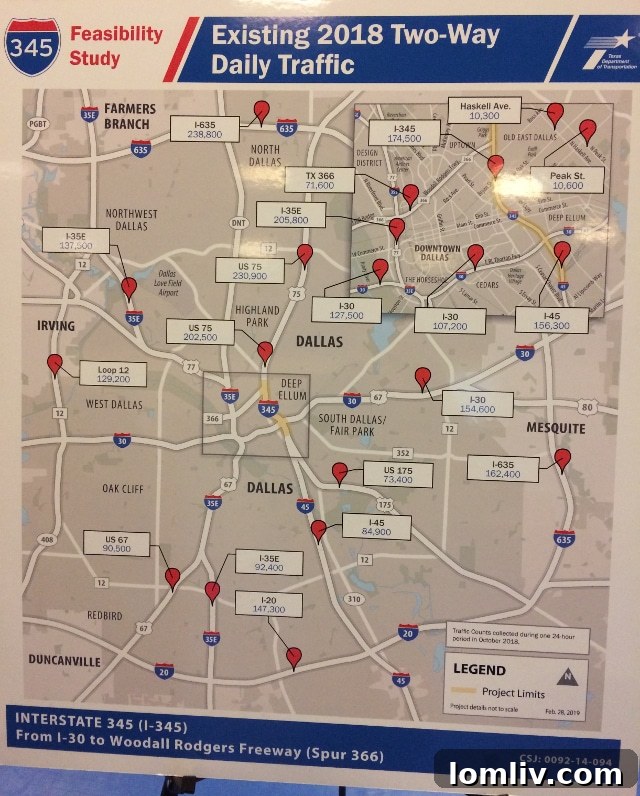
The typical experience at these community engagement events unfolded predictably, leaving little room for genuine discovery. Upon entering, attendees were greeted by an array of static poster boards adorning the walls, displaying various images, historical context, and statistics related to I-345. Before engaging with the displays, each participant received a red dot, intended for placement on a “thermometer” chart designed to gauge their current understanding of the I-345 issue. The author, approaching the exercise with the optimistic assumption that significant progress and new information would have emerged since the last detailed discussions in July 2016, placed their dot at the “knows enough to be dangerous” mark. However, a disheartening tour through the poster board diorama revealed a stark reality: virtually nothing substantive had changed, perhaps with the sole exception of minor updates to traffic counts on one particular board. This lack of evolution was profoundly disheartening for those hoping for substantive updates.
This palpable lack of progress prompted a direct inquiry to one of the TXDoT representatives. In 2016, the I-345 discussion was an integral component of TXDoT’s ambitious CityMAP project, a comprehensive initiative aimed at re-evaluating and strategizing the future of all major highways encircling Dallas. The natural and pressing question was, what tangible actions had been taken since the conclusion of the CityMAP analyses three years prior? The answer, unfortunately, was a succinct and deeply unsatisfactory, “nothing.” This response underscored a critical failure in translating strategic planning into actionable outcomes, leaving the community in a prolonged state of uncertainty.
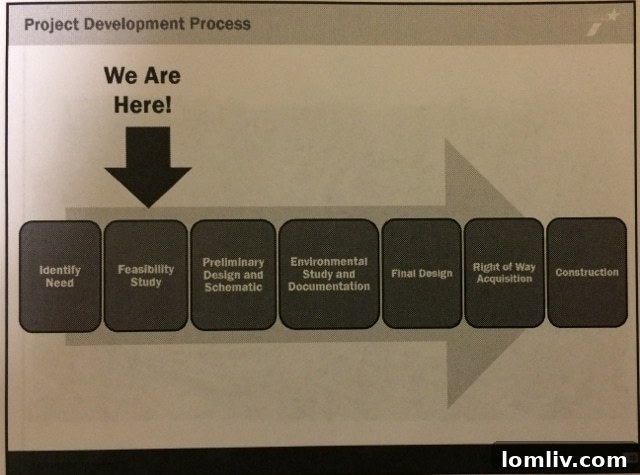
The representative proceeded to outline a laundry list of future endeavors and planned studies, all couched in the conditional tense of “will be doing.” The author interjected, emphasizing the focus on the past three years rather than distant prospects. Why, it was asked, had this current series of meetings not materialized mere months after the CityMAP discussions concluded, when the momentum for change was arguably at its peak? The explanation offered was that it had taken a full three years for the I-345 project to “finally bubble up” through bureaucratic channels and be recognized as a concrete, actionable project. This revelation highlighted an astounding level of governmental inefficiency and a disconnect between public need and administrative responsiveness.
Further exacerbating the sense of stagnation, attendees were informed that despite this being presented as a “kick-off” for the project, there was currently no allocated budget whatsoever. This announcement elicited audible grumbles and widespread discontent among the community members, many of whom had invested their time hoping for tangible signs of progress. The rationale provided was that a detailed plan needed to be meticulously devised now, so that when funding eventually became available, TXDoT would be in a position to secure it. While this approach carries a certain logical appeal in principle, it rang hollow in the absence of any concrete timeline for when these elusive funds might actually materialize. The community was left wondering: would it be a week, a year, or perhaps even a decade before any real progress could begin? This profound uncertainty casts a long shadow over the entire initiative.
Ultimately, the overwhelming feeling was one of wasted time and squandered opportunity. Since 2014, the pace of action has been shockingly glacial, yet the community finds itself, paradoxically, “still at the beginning.” The only certainty presented is that I-345 is projected to reach the end of its useful lifespan within the next 25 years, an eventuality that piecemeal “Band-Aid” fixes can only postpone for so long. Before that critical juncture, TXDoT will inevitably be compelled to either undertake significant, costly repairs to maintain the existing structure at an ever-increasing expense or, more fundamentally, implement a truly transformative and lasting solution for this vital piece of Dallas infrastructure.
Appalling Inefficiency and the Elusive Path Forward for Dallas Infrastructure
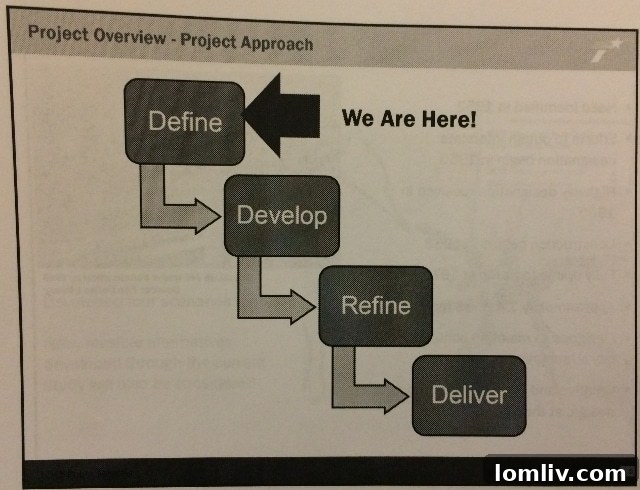
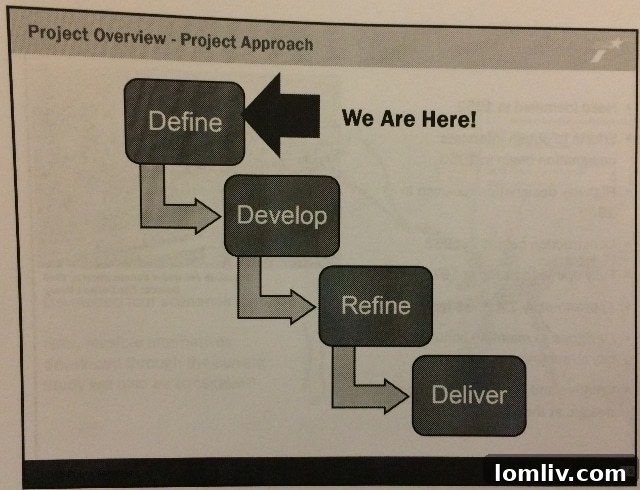
Beyond the static poster boards and the passive information gathering, the formal “presentation” aspect of the meeting proved equally underwhelming and inefficient. Attendees were handed a 22-page PowerPoint document upon entry, which was then simply read aloud, word for word, by a TXDoT representative. This delivery method effectively rendered it an auditory experience for the visually impaired and a test of patience for everyone else, failing entirely to engage the audience meaningfully. Crucially, there was no allowance for questions or comments from the public during this segment, transforming what should have been an interactive dialogue into a monotonous monologue. TXDoT did extend an invitation to State Senator Royce West, a notable and vocal opponent of dismantling I-345, and two city council members, to offer their remarks. However, none approached the microphone, strongly suggesting they had not been prepared or briefed to comment, further highlighting the meeting’s lack of genuine engagement and preparedness. From the moment the presentation began until the author started their car to leave, a mere 18 minutes had elapsed, a duration that included the perfunctory act of placing an orange sticker on yet another “thermometer” to indicate perceived learning – which, for the author, landed firmly at the bottom of the scale, signifying zero new insights.
For half a decade now, the discussion around I-345 has consistently revolved around a limited set of options, often described as “four bad choices” with the most optimal, truly visionary solution conspicuously absent from the official discourse. These choices, each with significant drawbacks and limited long-term benefits, include:
- Leave it alone: This deferral strategy ignores the highway’s impending structural issues, the escalating maintenance costs, and the profound lost opportunities for urban development and community connection. It represents a capitulation to inertia.
- Minor modifications: Largely maintaining the existing elevated structure while making slight adjustments to exits and entrances, this option offers minimal long-term impact or improvement. It is a superficial fix that fails to address the fundamental problems of urban blight and congestion.
- Bury it in an open trench: This approach, reminiscent of the transformative project that converted a section of Woodall Rodgers Freeway into the beloved Klyde Warren Park, involves sinking the highway below ground level. While creating potential for new ground-level development and green spaces, this option alone might not fully address neighborhood reconnection.
- Remove it entirely: A radical proposal to demolish the elevated highway, thereby physically reconnecting historically divided neighborhoods and freeing up valuable land. However, this option raises significant, often catastrophic, concerns about displacing an estimated 180,000 daily commuters onto already congested surface streets for a considerable stretch (approximately 1.25 miles) before rejoining the highway system – a logistical nightmare that would severely impact daily life, commerce, and air quality in Dallas every single day.
From the perspective of many developers and real estate investors, the fourth option – outright removal – holds immense financial appeal. The vast tracts of land currently occupied by the elevated highway could be acquired at what some envision as a TXDoT “yard sale,” subsequently opening up prime real estate for high-value redevelopment. This vision promises significant economic stimulus and a dramatic transformation of the urban core, but it comes at the potential cost of exacerbating an already challenging traffic infrastructure, a trade-off that many commuters and residents would find unacceptable.
Unveiling the “Right” Answer: A Hybrid Vision for I-345 and Dallas’s Future
The truly “right” answer, however, lies beyond these narrowly defined, often short-sighted options and requires a more innovative, integrated approach rooted in modern urban planning principles. As the author metaphorically suggests, it can be found by combining the strengths of options three and four: burying the highway in a trench while simultaneously working to reconnect and revitalize the neighborhoods it currently divides. This hybrid strategy represents a pragmatic and visionary path forward, offering a multitude of benefits for Dallas without sacrificing essential functionality.
Implementing a trenching solution, similar to the highly successful Klyde Warren Park project, would first and foremost preserve I-345’s crucial role as a high-capacity traffic artery, ensuring the uninterrupted flow of vehicles between I-45 and US-75. This is paramount for maintaining regional connectivity, supporting the city’s economic engine, and preventing the catastrophic surface-street congestion that would result from outright demolition. By sinking the highway below ground level, the oppressive visual and physical barrier it currently creates would be eliminated, drastically improving the urban aesthetic. This critical change opens up invaluable opportunities for covering portions of the trenched highway with decks, thereby creating new urban green spaces, public plazas, and fostering pedestrian-friendly environments that can knit the city back together.
Concurrently, the areas above the trenched highway could be meticulously re-stitched, literally mending the historical wounds inflicted by the original construction. For decades, I-345, like many urban highways built in the mid-20th century, served as a concrete manifestation of racial and economic divides, severing communities and isolating neighborhoods. The opportunity to bridge these gaps, to re-establish pedestrian pathways, create new parks, stimulate local commerce, and integrate formerly disparate areas, is not merely an urban planning exercise; it is a profound chance for social equity and community healing. With areas like Deep Ellum experiencing significant gentrification and an influx of new residents, including a growing white population, the imperative to create integrated, cohesive urban fabric becomes even more pronounced. This approach leverages infrastructure transformation as a catalyst for social progress.
This hybrid approach offers a win-win scenario: it maintains essential traffic infrastructure while unlocking immense potential for urban renewal and economic development. Imagine vibrant new districts emerging above the sunken highway, teeming with residences, businesses, and cultural attractions, all seamlessly connected to the downtown core and surrounding neighborhoods. This strategy addresses both the practical transportation needs of a rapidly growing metropolis and the aspirational goals of creating a more livable, equitable, and economically dynamic city for all its residents. It transforms a barrier into a bridge, both literally and figuratively, fostering connectivity and growth.
Such a transformative project would undoubtedly require substantial upfront investment, visionary leadership from both public and private sectors, and robust collaboration between TXDoT, the City of Dallas, local businesses, and diverse community stakeholders. The current lack of a dedicated budget and the protracted timeline underscored during the recent meetings underscore the critical need for a renewed sense of urgency and strategic planning. Dallas deserves a solution for I-345 that is not merely a temporary “Band-Aid” or a reactive measure, but a bold, proactive step towards a more connected, sustainable, and prosperous future. This is a story that demands proactive engagement, transparent processes, and definitive action from all parties involved, and our coverage will undoubtedly resume with renewed vigor as the situation hopefully evolves beyond its current state of limbo, with significant developments anticipated perhaps as early as 2024.

Editor’s Note: My primary focus areas encompass high-rises, homeowners associations (HOAs), and renovation projects within the dynamic Dallas real estate market. I also hold a deep appreciation for the intricate balance between modern and historical architecture, especially when viewed through the lens of the YIMBY (Yes In My Backyard) movement, advocating for sustainable and inclusive urban development. My commitment to insightful real estate journalism has been recognized by the National Association of Real Estate Editors, honoring my writing with three Bronze awards in 2016 (Housing Styles & Interiors), 2017 (Property Taxes & Urban Services), and 2018 (Preston Place Condos Fire), alongside two Silver awards in 2016 (A Home in Marrakech) and 2017 (Second Homeownership in Bermuda). Should you have a compelling story to share, a perspective to offer, or even a marriage proposal to make, please don’t hesitate to reach out via email: [email protected]. While you are welcome to search for me on Facebook and Twitter, it’s worth noting that I maintain a low public profile on those platforms.