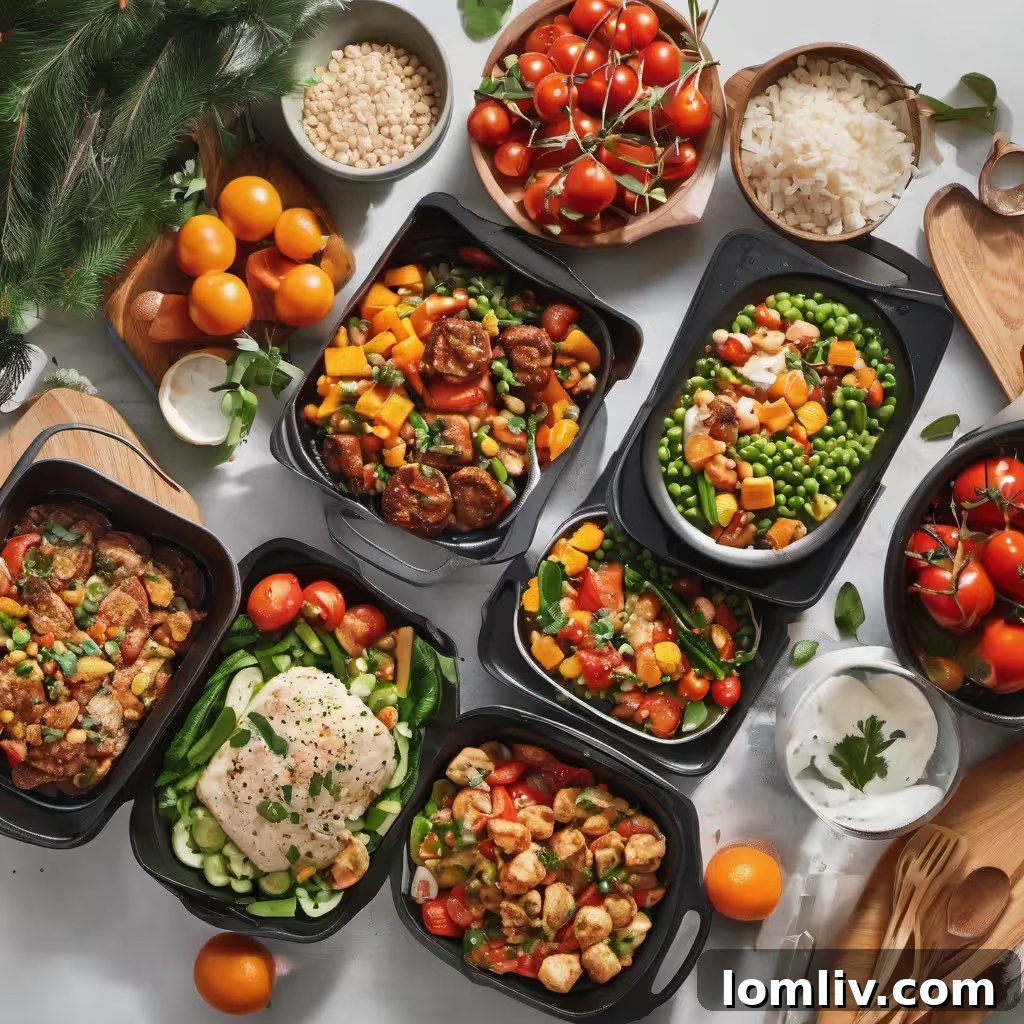
The holiday season, whether it’s the warmth of Thanksgiving, the sparkle of Christmas, or any other cherished celebration, brings immense joy and opportunities for creating lasting memories. Yet, for many, the thought of preparing an elaborate holiday feast can also introduce a significant amount of stress. From meticulously planning the menu to ensuring every dish is cooked to perfection and served on time, the culinary demands can sometimes overshadow the festive spirit. Instead of being overwhelmed, imagine gliding through your holiday cooking with confidence, spending less time in the kitchen and more quality moments with your loved ones.
Transforming holiday meal preparation from a daunting task into an enjoyable process is entirely achievable with the right strategy. This comprehensive guide will equip you with essential tips and clever techniques to streamline your efforts, enhance efficiency, and ultimately help you savor every moment of your special celebrations. By focusing on organization, smart planning, and effective execution, you can host a memorable holiday feast that delights everyone, including yourself.
Mastering Your Kitchen for Holiday Culinary Success
A well-prepared kitchen is the bedrock of any successful holiday meal. Before you even think about ingredients, take time to set up your cooking space for maximum efficiency and minimal stress. An organized kitchen not only saves precious time but also makes the entire cooking process far more enjoyable and less prone to mishaps.
Declutter and Organize Countertops
Begin by clearing your countertops of any unnecessary items. A spacious, clean workspace is crucial for chopping, mixing, and assembling dishes without feeling cramped. Arrange your frequently used tools and ingredients within easy reach. Group similar items together – for instance, keep all baking ingredients in one pantry zone and cooking oils near the stove. This strategic placement ensures you’re not rummaging through cabinets when you’re in the middle of a recipe.
Essential Tools and Appliances
Having the right equipment at your fingertips can significantly speed up meal prep. Invest in good quality basics and ensure they are in working order. For example, a high-quality set of sharp knives is indispensable for efficient and safe chopping, slicing, and dicing. If you own a sharpening stone, now is the perfect time to give your knives a fresh edge. Sharp knives glide through ingredients, reducing effort and improving precision.
Beyond knives, consider other helpful gadgets: a food processor can quickly handle large batches of chopping, grating, or pureeing; a stand mixer is invaluable for baking; and a slow cooker or instant pot can free up oven and stovetop space while effortlessly preparing sides or main dishes. Don’t overlook the importance of precise measuring cups and spoons, durable baking sheets, and a reliable meat thermometer for food safety and perfect results. Ensure all your pots, pans, and serving dishes are clean and readily accessible before you begin cooking.
Smart Menu Planning: The Foundation of a Stress-Free Feast
The journey to a flawless holiday meal begins long before you step into the kitchen. Thoughtful menu planning is arguably the most critical step, allowing you to anticipate needs, manage resources, and avoid last-minute panic. A well-constructed menu acts as your culinary roadmap, guiding every subsequent decision.
Crafting Your Holiday Menu with Care
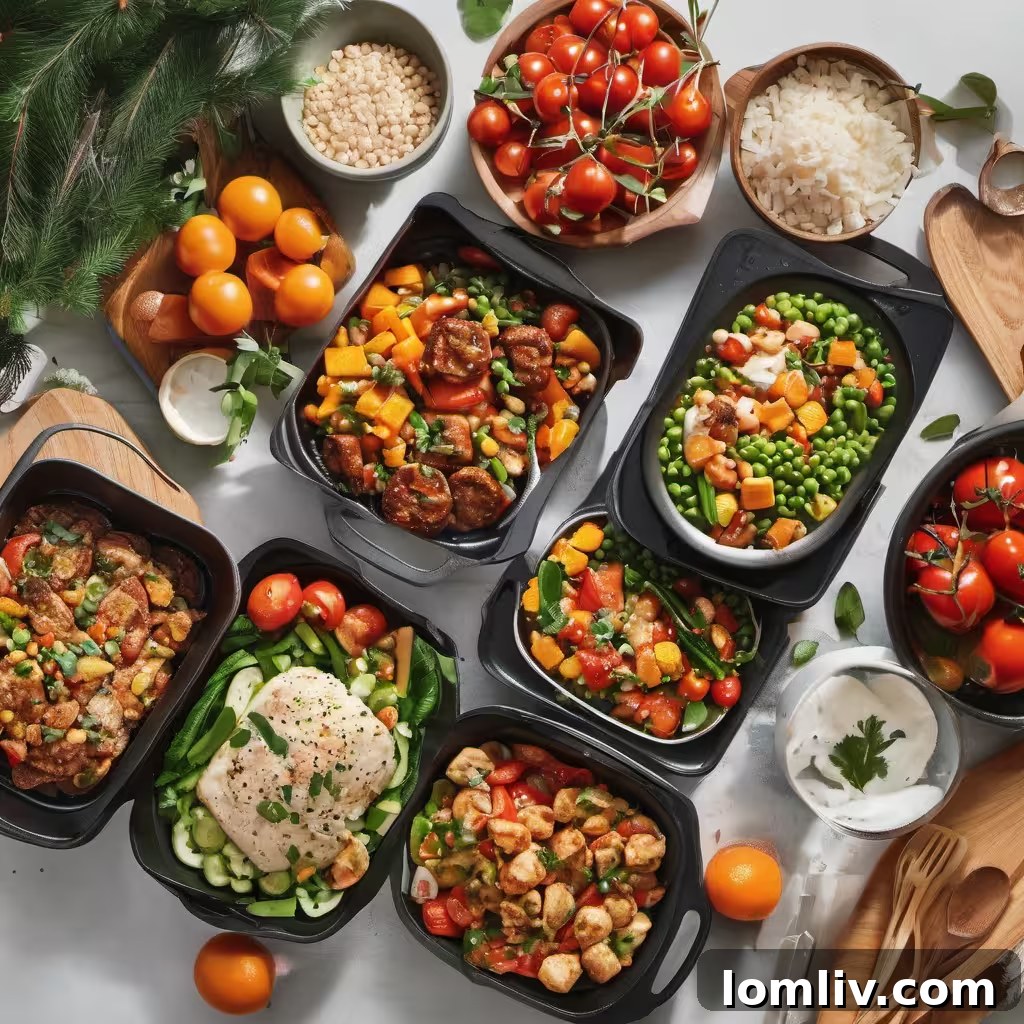
Start by selecting dishes that complement each other in flavor and texture, ensuring a balanced and exciting spread. Consider your guests’ preferences and dietary restrictions (vegetarian, gluten-free, allergies) and try to include at least one option for everyone. Think about variety: a mix of hot and cold dishes, creamy and crisp textures, and different flavor profiles. Crucially, choose some dishes that can be prepared in advance to lighten the load on the main cooking day.
Optimizing Oven and Stovetop Usage
When selecting your menu, be mindful of your kitchen’s capacity. Does your chosen turkey require the oven for hours? If so, plan side dishes that can be made on the stovetop, in a slow cooker, or those that don’t require heating at all. Avoid recipes that all demand high oven temperatures simultaneously, or those that require constant stirring on the stove. This foresight prevents bottlenecks and ensures everything can be cooked efficiently without jostling for space.
Embrace Make-Ahead Magic: Prepare Dishes in Advance
One of the most effective strategies for reducing holiday cooking stress is to prepare as many dishes as possible ahead of time. This “make-ahead” approach allows you to spread out the workload, free up valuable time on the big day, and enjoy a more relaxed atmosphere when your guests arrive.
Top Make-Ahead Holiday Dishes
Many classic holiday dishes are perfect candidates for advance preparation. Desserts like pies, cakes, and cookies can often be baked days in advance and stored. Similarly, various casseroles—such as green bean casserole, sweet potato casserole, or even stuffing—can be assembled and refrigerated, ready to be baked on the day. Soups, gravies, and sauces can be made and frozen or chilled. Even certain appetizers, cold salads, or pre-cut vegetables can be prepared, drastically cutting down on day-of chopping.
When selecting make-ahead dishes, prioritize those whose flavors actually improve with a day or two in the fridge, or those that reheat beautifully without losing texture or taste. Dishes that are slow-cooked, like a tender beef stew, often taste even better the next day as the flavors meld and deepen.
Storing and Reheating Your Prepped Wonders
Proper storage is key to make-ahead success. Use airtight containers to prevent spoilage and maintain freshness. Label everything clearly with the dish name and the date it was prepared. Most dishes can be refrigerated for 2-3 days, while many (especially casseroles, soups, and pie fillings) can be frozen for several weeks or even months. When it comes time to reheat, do so gently. For casseroles, cover with foil to prevent drying out. Soups and gravies can be reheated on the stovetop over low heat, stirring occasionally. Always ensure food reaches a safe internal temperature before serving.
Streamline Your Shopping: A Strategic Approach to Holiday Groceries
Grocery shopping for a holiday feast can be overwhelming, but with a well-planned strategy, it can be a smooth and efficient process. Avoid last-minute dashes to crowded stores by getting organized ahead of time.
Creating Comprehensive Shopping Lists
Once your menu is finalized, create a master shopping list. Break it down by category (produce, dairy, pantry, frozen, meat) to make your trip through the store more efficient. Check your pantry for staples you already have to avoid unnecessary purchases. Consider splitting your shopping into multiple trips: non-perishables and frozen items can be bought weeks in advance, leaving only fresh produce and meat for closer to the holiday.
Smart Shopping Strategies
If possible, shop during off-peak hours to avoid crowds. Take advantage of bulk buying for staples if you have storage space. Explore options like online grocery ordering or curbside pickup, which can save a tremendous amount of time and reduce stress, especially during busy holiday periods. Remember to account for serving sizes and potential leftovers when calculating quantities to buy.
Optimize Your Cooking Methods for Peak Efficiency
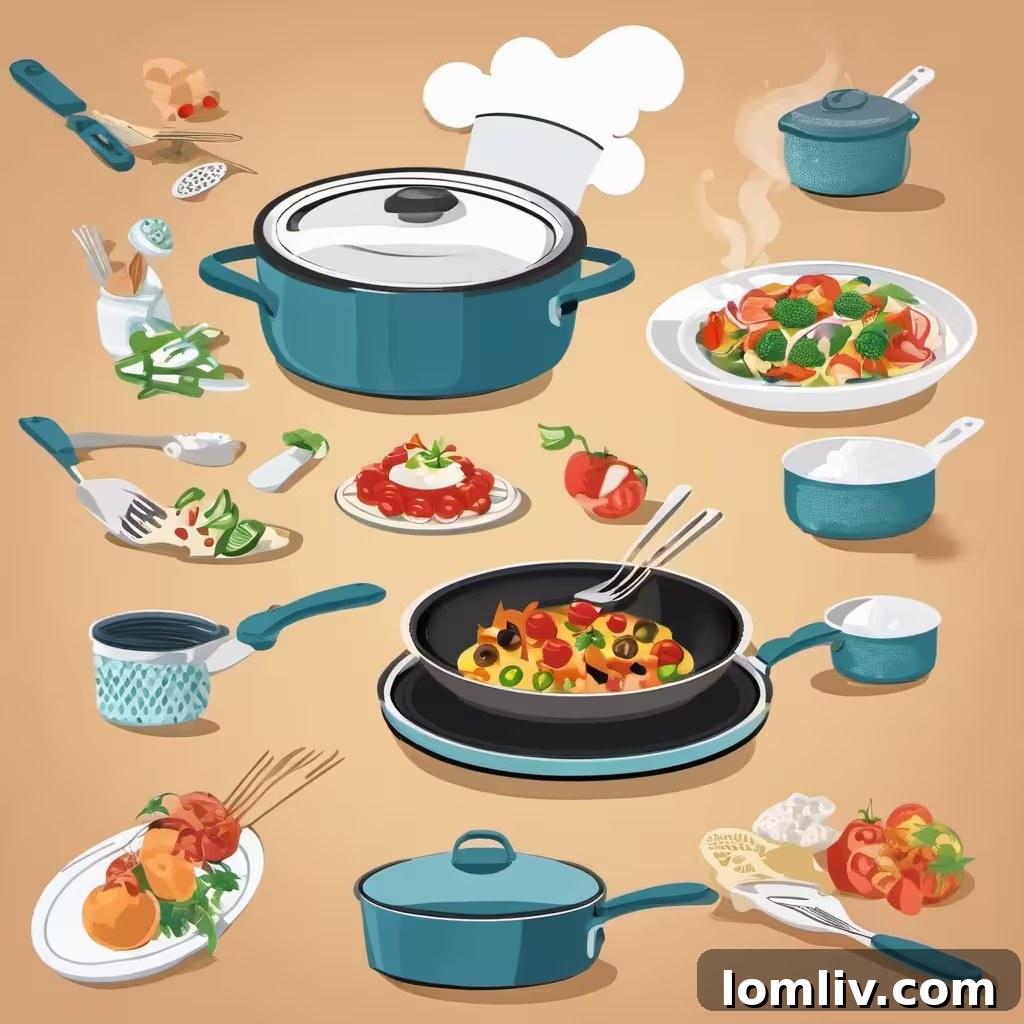
Choosing the right cooking method can dramatically impact your cooking timeline and overall kitchen workload. By utilizing efficient techniques, you can ensure all your dishes are ready simultaneously, with minimal fuss.
The Power of Slow Cooking
Slow cooking is a fantastic method for holiday meals, especially for dishes that require long simmering times or for freeing up oven space. You can load ingredients into a slow cooker in the morning and largely forget about it until mealtime. It’s perfect for tenderizing meats, creating rich stews, or even preparing creamy mashed potatoes or stuffing. This “set it and forget it” approach allows you to focus on other tasks or simply relax and enjoy the pre-holiday buzz.
Roasting for Flavor and Simplicity
Roasting is another wonderfully efficient and relatively hands-off cooking method. It brings out the natural sweetness and deep flavors of vegetables and meats, creating delicious caramelization. Roasting at higher temperatures ensures a beautifully crisp exterior and a tender, juicy interior. Sheet pan roasting, where you cook an entire meal or several sides on a single baking sheet, is particularly useful for maximizing oven space and minimizing cleanup. Think roasted root vegetables, Brussels sprouts, or even a smaller protein like a roasted chicken.
Exploring Other Efficient Techniques
Consider blanching vegetables ahead of time to shorten cooking on the day. Steaming is a quick and healthy way to prepare many vegetables, preserving their vibrant color and nutrients. For specific dishes, pressure cooking (using an Instant Pot) can drastically reduce cooking times for things like hard-boiled eggs, potatoes, or even certain cuts of meat. The key is to select methods that align with your menu and your kitchen’s capabilities, prioritizing those that offer high reward with low supervision.
Crafting Your Day-Of Cooking Schedule
Even with extensive make-ahead efforts, the actual day of the holiday feast requires careful orchestration. A detailed day-of cooking schedule is your best friend, acting as a minute-by-minute guide to ensure everything comes out perfectly timed and hot.
Prioritizing Tasks and Working Backwards
Start by identifying when you want to serve dinner. Then, work backward. Factor in cooking times for each dish, including resting times for meats and reheating times for pre-made items. Don’t forget prep tasks that need to happen on the day, like assembling salads or whisking gravies. Allocate realistic buffer times for unforeseen delays. Prioritize dishes that have the longest cooking times or require the most attention.
Managing Oven and Stovetop Space
Your schedule should also clearly outline what goes into the oven and onto the stovetop and when. If multiple dishes require the oven at different temperatures, plan to cook similar-temperature items together, or allocate specific time slots for each. Keep a written schedule handy, perhaps taped to the fridge, and check things off as you go. This visual reminder helps keep you on track and reduces mental load.
Don’t Be Afraid to Delegate and Collaborate
Remember, you don’t have to do it all yourself. Holiday cooking can be a collaborative effort, and many guests are happy to contribute. Don’t hesitate to ask for help! You can suggest a potluck-style approach where guests bring a side dish or dessert. Alternatively, assign specific tasks: someone can set the table, another can be in charge of drinks, and even younger family members can help with simple tasks like tearing lettuce or arranging bread.
Delegating tasks not only lightens your burden but also makes guests feel more involved and appreciated. It transforms the meal preparation into a shared experience, truly embodying the spirit of togetherness that holidays represent.
The Final Touches: Embracing Imperfection and Enjoying the Moment
Even with the most meticulous planning, something might not go exactly as expected. A dish might be slightly overcooked, or a minor timing issue might arise. The most important tip for stress-free holiday cooking is to embrace imperfection. Acknowledge that the true spirit of the holidays lies not in culinary flawless, but in the joy of gathering with loved ones, sharing good food, and creating cherished memories.
Once the food is served, step away from the kitchen. Put your apron down, take a deep breath, and soak in the festive atmosphere. Engage in conversations, laugh with your family and friends, and truly be present. The efforts you put into planning and preparing this magnificent feast were all to create this beautiful moment. Enjoy it, knowing you’ve created a memorable experience, not just a meal.