

The early months of 2020 brought unprecedented global challenges with the rapid escalation of the COVID-19 pandemic. As fear and uncertainty gripped communities worldwide, industries across the spectrum began to adapt, and real estate was no exception. With diagnosed cases rising in regions like Texas, prompting a state of alert — including early reports in areas like Collin County — real estate professionals, organizations, and governmental bodies swiftly implemented precautionary measures to safeguard public health and maintain market functionality.
Real Estate Industry Adapts: Major Event Cancellations and Digital Transformation
One of the immediate and visible impacts of the escalating health crisis was the cancellation of large-scale industry events. The National Association of Realtors (NAR), a pivotal organization for real estate professionals across the United States, was among the first to announce significant changes to its event schedule. Prioritizing the health and safety of its members, NAR made the difficult decision to cancel several key gatherings planned for early 2020.

Specifically, NAR moved to cancel its Joint AE Institute, an essential event for association executives, originally slated for San Diego. Additionally, the Realtor Broker Summit, a crucial forum for brokers, which was scheduled for the end of the month in Los Angeles, was also called off. These cancellations were directly attributed to “coronavirus concerns, particularly those emerging on the west coast of the United States,” as stated by NAR officials. This move underscored the gravity of the situation, especially following California Governor Gavin Newsom’s declaration of a state of emergency in response to the state’s first reported coronavirus death.
The implications of these cancellations extended beyond mere logistical adjustments. These industry gatherings serve as vital platforms for networking, professional development, and staying abreast of market trends. Their absence left a void, prompting a rapid pivot towards digital alternatives. The real estate sector, traditionally reliant on face-to-face interactions, began to explore and adopt technology-driven solutions at an accelerated pace. This shift highlighted the industry’s resilience and its capacity for innovation in the face of unprecedented challenges. It forced a re-evaluation of how business was conducted, accelerating a move towards virtual platforms that many had previously considered supplemental, making them central to operations.
Embracing Virtual Solutions: The Future of Real Estate Engagement and Transactions
In the wake of widespread event cancellations, the concept of virtual engagement swiftly transitioned from a niche idea to a practical necessity. Leading real estate news outlets, such as Inman News, began to champion the idea of transforming traditional conferences and meetings into virtual events. This was seen as a viable temporary solution to ensure that critical industry discussions, networking, and educational opportunities could continue without compromising public health.

Major real estate services companies quickly followed suit. Realogy, a prominent player in the industry, exemplifies this rapid adaptation. The company proactively canceled its scheduled events in Tennessee, Texas, and Florida. Beyond event cancellations, Realogy also issued directives advising employees to avoid “international and non-essential travel,” signaling a broader shift in corporate policy towards remote work and digital interaction. Even Inman, the very news source advocating for virtual solutions, canceled its own March “Disconnect” event, initially planned for Palm Springs, California, further underscoring the widespread adoption of these new norms.
The embrace of virtual reality and other digital tools became paramount, not just for events but for daily operations. Virtual tours, once a luxury, quickly became a standard offering for property showings, allowing prospective buyers to explore homes safely from a distance. Online platforms facilitated digital document signings and remote closings, streamlining transactions that previously required in-person attendance. Video conferencing became the default for client meetings, team collaborations, and even professional education and training. This rapid digital transformation not only helped the industry navigate the immediate crisis but also laid the groundwork for a more technologically integrated and resilient real estate ecosystem in the long term. It accelerated the adoption of innovations that might have taken years to implement under normal circumstances, fundamentally altering how real estate business is conducted and setting new benchmarks for efficiency and accessibility.
Market Volatility and Unforeseen Opportunities: A Real Estate Paradox
The initial response to the COVID-19 outbreak was a mix of confusion, skepticism, and escalating panic. While some public figures, such as TV personality and addiction specialist Dr. Drew Pinsky, voiced concerns about media sensationalism, suggesting the virus was less harmful than the common flu, the rapid global spread and rising death tolls quickly silenced such skepticism. Employers, regardless of their personal views, largely adopted a cautious stance, prioritizing the health and safety of their workforce and clients, leading to widespread shutdowns and social distancing mandates.
Financial markets reacted with extreme volatility. Monday, March 9, 2020, saw a dramatic downturn in the stock market at opening, triggering circuit breakers and a temporary halt in trading. This reflected a widespread fear regarding the economic fallout of the pandemic, with projections of recession and job losses. However, amidst this market turmoil, a peculiar and significant opportunity began to emerge in the real estate sector: mortgage rates plummeted to historic lows. This paradoxical situation—economic panic coexisting with incredibly affordable borrowing costs—created a unique environment for both buyers and existing homeowners, offering a critical counterbalance to the prevailing uncertainty.
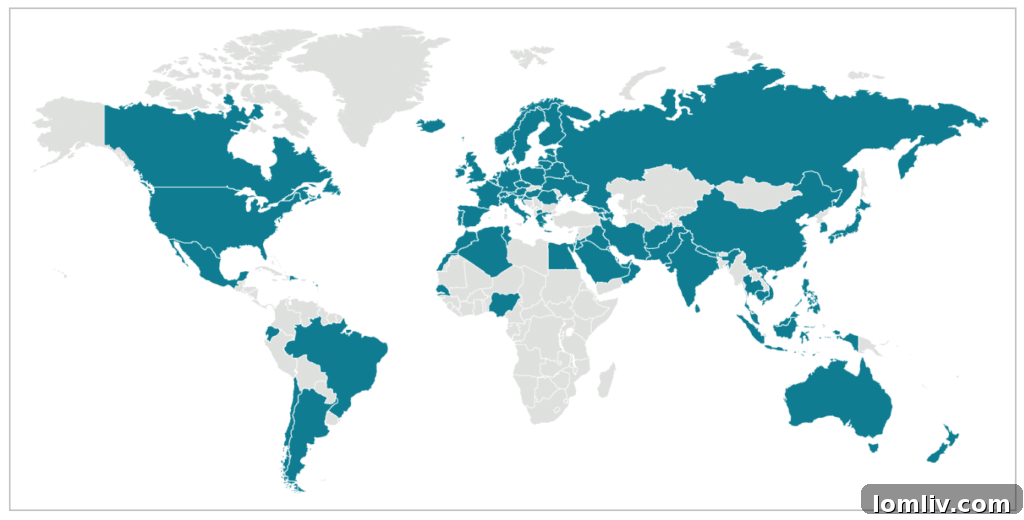
Public consciousness was increasingly dominated by the pandemic’s immediate effects, with the internet awash in memes and public health campaigns emphasizing the importance of hand hygiene and social distancing. News headlines from around the globe painted a stark picture; for instance, the New York Times reported on Italy’s nationwide lockdown affecting some 16 million citizens, a sobering premonition of what was to come for many other nations. While the U.S. death toll remained relatively low in the early stages, the relentless rise in infected individuals indicated the widespread nature of the threat. This atmosphere of caution and uncertainty fundamentally reshaped consumer behavior and investment strategies, yet the housing market demonstrated a remarkable resilience, driven in part by the very economic conditions the pandemic created, particularly the appeal of low borrowing costs.
Seizing the Moment: Historic Low Mortgage Rates Drive Real Estate Activity
Despite the significant limitations on travel and in-person networking events, the real estate market found an unexpected silver lining in the form of historically low mortgage rates. This presented a compelling opportunity for prospective homebuyers and existing homeowners looking to refinance, effectively keeping the “show going on” for a crucial segment of the economy. The Federal Reserve’s response to the economic downturn, including cutting benchmark interest rates and implementing quantitative easing, significantly impacted the bond market, which in turn drives mortgage rates.
The downturn in the broader economy and the Federal Reserve’s actions to stimulate financial markets led to a significant drop in interest rates. For the real estate sector, this translated into mortgage rates reaching levels not seen in decades. As experts consistently advised, this period became an opportune time for buyers to enter the market or upgrade their homes, capitalizing on the manageable cost of borrowing. The sentiment was clear: strike while rates are favorable to maximize affordability and long-term savings.
This market dynamic quickly manifested in tangible activity. Data from Realtor.com confirmed a notable uptick in mortgage applications, directly correlating with the record-low rates — the lowest in 50 years. This surge indicated a strong underlying demand for housing and a willingness among consumers to make significant financial decisions even amidst global uncertainty, provided the financial incentives were compelling enough. It highlighted the intrinsic value of homeownership and the power of favorable lending conditions to spur market activity, even during a crisis.
For many, this period offered a unique chance to significantly reduce their monthly housing expenses through refinancing, freeing up capital during a time when economic stability was a top concern. For first-time homebuyers, the lower rates made homeownership more accessible, expanding their purchasing power and making the dream of owning a home a reality for more individuals. Investors also saw potential in a market where borrowing costs were minimal, allowing for more attractive returns on rental properties or strategic real estate acquisitions. Consulting with local real estate professionals became more crucial than ever to navigate these fluctuating conditions, understand market nuances, and make informed decisions, whether for buying, selling, or refinancing. Their expertise helped individuals capitalize on these fleeting opportunities and secure their financial future in an evolving landscape, adapting to new protocols like virtual showings and enhanced hygiene measures.
Navigating Forward: Resilience and Opportunity in a Changing Market
The COVID-19 pandemic undoubtedly introduced unprecedented challenges to the real estate sector, forcing rapid adaptation and a re-evaluation of traditional practices. From the immediate shift away from large-scale in-person events to the accelerated adoption of virtual technologies, the industry demonstrated remarkable resilience and an impressive capacity for innovation. While the initial months were marked by global panic and economic volatility, the unique circumstances also created significant pockets of opportunity.
The dramatic drop in mortgage rates proved to be a powerful stimulant for the housing market, driving strong demand from buyers and encouraging homeowners to refinance. This period underscored the enduring appeal of real estate as a stable asset and a fundamental human need, even amidst wider economic uncertainty. It also highlighted the critical role of knowledgeable real estate professionals in guiding clients through complex market dynamics, providing clear insights, and leveraging new technologies to facilitate transactions safely and efficiently. Their adaptability became a cornerstone of continued market function.
As the world continued to evolve, the lessons learned from this transformative period propelled the real estate industry towards a more agile, technologically advanced, and client-centric future. The emphasis on virtual solutions, coupled with the continued strength of buyer demand driven by favorable lending conditions, solidified the industry’s ability to not only survive but also thrive by adapting to new realities and embracing the opportunities that emerge from change. Staying informed and partnering with experienced local experts remains the best strategy for anyone looking to navigate this dynamic real estate landscape effectively and make sound investment decisions for their future.