A Glimpse into Dallas History: Unearthing Treasures at The Dallas Morning News Estate Auction
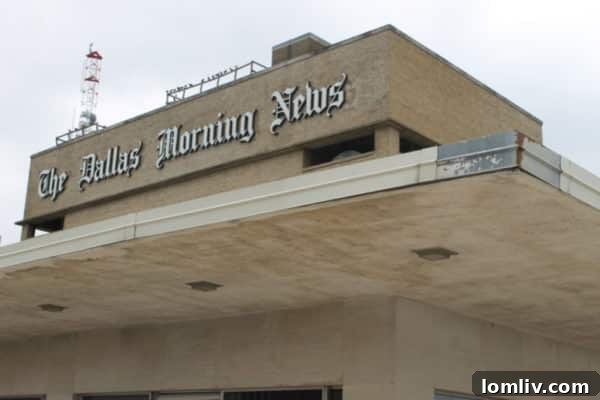
Have you ever dreamt of owning a tangible piece of Dallas history, perhaps even the chair once occupied by a dedicated newspaper reporter whose stories shaped the city’s narrative? Such a unique opportunity recently emerged as two prominent Dallas auction companies orchestrated a significant estate sale. This event offered a rare chance for the public to acquire remnants from the iconic and now-vacated Dallas Morning News campus, located at 508 Young Street, a building steeped in decades of journalistic heritage.
The estate sale companies, Star Auction Resources and World Wide Auction Group Team, emphatically described this event as a “must” for anyone who cherishes Dallas’s rich history and seeks authentic memorabilia. The compelling reason for this unprecedented sale was clear: “This building is being renovated and we must clean it out,” the official listing declared, signaling the close of one chapter and the exciting beginning of another for this landmark property.
From Newsroom Essentials to Unique Collectibles: The Auction’s Diverse Offerings
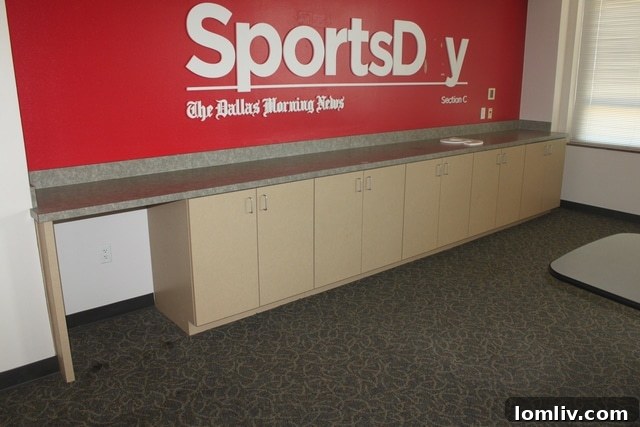
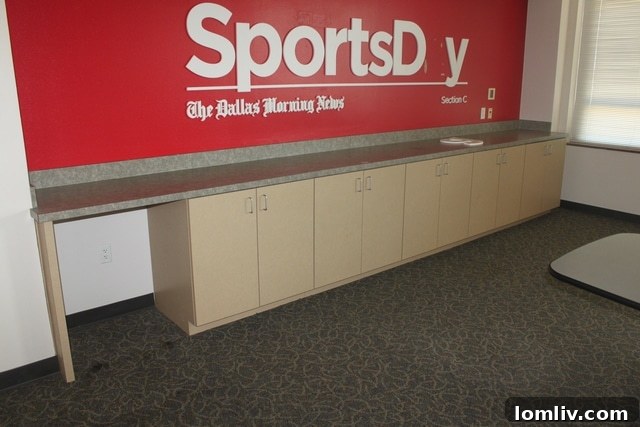
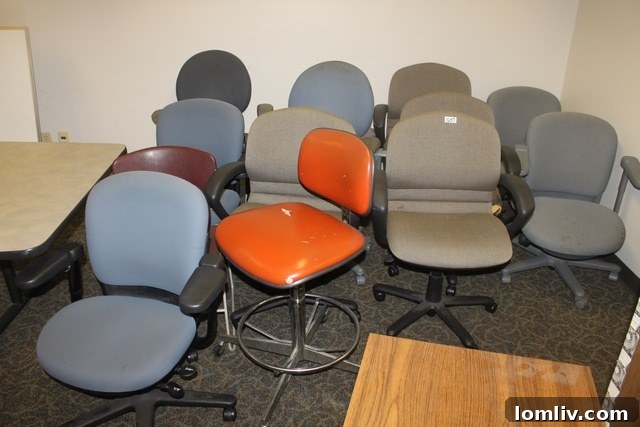
The auction block was laden with an astonishing array of items, truly reflecting the diverse operations of a major newspaper headquarters. Up for grabs were not just the typical office accouterments but also pieces that spoke volumes about the daily life and infrastructure of the Dallas Morning News. Bidders could vie for sturdy office furniture, robust commercial kitchen appliances – essential for feeding a busy news staff – and fixtures from the prestigious executive offices. Countless cubicles, a vast collection of filing cabinets designed to hold decades of records, and even practical elements like bathroom fixtures, heavy-duty safes, and various security electronics were among the thousands of lots available. The sale also included industrial warehouse storage racks and a multitude of doors, each potentially bearing the faint echoes of historical conversations and editorial decisions.
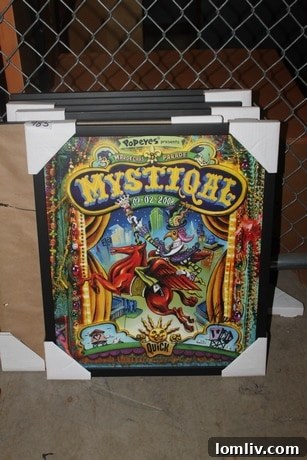
Among these functional items, certain treasures stood out for their unique historical or cultural significance. Perhaps the most intriguing “prize jewel” for many Dallasites was an old Mystiqal poster. This vibrant relic hailed from a now-defunct Mardi Gras celebration that once brought color and festivity to Victory Park and the West End. This particular find stirred a wave of nostalgia, reminding attendees of Dallas’s dynamic social history and igniting conversations about forgotten local events. It offered a tangible connection to a specific, perhaps lesser-known, aspect of the city’s past, making it a highly coveted piece of local memorabilia.
An Architectural Legacy: George Dahl and Ray Washburne’s Vision
Beyond the contents, the building itself holds immense historical and architectural significance. The Dallas Morning News headquarters was designed by the celebrated architect George Dahl, a pivotal figure whose distinctive style left an indelible mark on Dallas’s urban landscape. This particular building now marks the fourth local structure designed by Dahl that has been acquired by developer Ray Washburne, who is also a co-owner of the prestigious Highland Park Village.
Washburne’s acquisition, which took place in May 2019, encompassed not only the main building but also another adjacent structure and a vital parking garage, with the entire transaction valued at $28 million, according to A.H. Belo Corporation. This strategic purchase underscores the enduring value and architectural importance of Dahl’s work. His buildings are known for their blend of functionality, modernist aesthetics, and a deep understanding of urban integration. Washburne’s collection of Dahl-designed properties speaks to a commitment to preserving and revitalizing significant pieces of Dallas’s built heritage. The renovation of the 508 Young Street building, while clearing out its past contents, simultaneously paves the way for a new chapter that respects its historical roots while adapting it for future use.
Navigating the Auction: Essential Details for Bidders
The estate auction presented an incredible opportunity to own a piece of history, but interested parties needed to be aware of the specific guidelines. The extensive catalog boasted 20 pages of items for sale, with many expected to go for surprisingly low prices, making it a potential treasure trove for astute bidders. However, certain conditions were in place to ensure a smooth, albeit swift, process.
Key Auction Logistics:
- Membership Fee: To participate in the bidding, a membership fee of $25 was required. This provided access to the comprehensive listings and the ability to place bids.
- Buyer’s Premium: A standard 15 percent buyer’s premium was added to the “hammer price” of each winning bid. This is a common practice in auctions and contributes to the final cost of an item.
- Strict Pickup Window: One of the most critical aspects for successful bidders was the extremely tight three-day window for picking up purchased goods. All items needed to be collected on Sunday, Monday, or Tuesday, reflecting the urgency of the building’s impending gutting and renovation. No extensions were possible, emphasizing the need for prompt action.
- Payment Methods: Payment options were also specific, with no credit cards or personal checks accepted. Transactions could only be completed via cash or through the Zelle program offered by banks. This streamlined approach ensured immediate settlement for the auctioneers.
Despite these logistical considerations, the promise of acquiring unique items, often for next to nothing, drew a significant crowd of collectors, historians, and local enthusiasts eager to partake in a truly historic Dallas event.
Spotlight on Historic Finds: Highlights from the Dallas Morning News Auction
Among the thousands of items available, some stood out for their direct connection to the journalistic legacy and cultural fabric of Dallas. These curated highlights offer a glimpse into the diverse and fascinating collection that went under the hammer:
Artistic & Cultural Artifacts:
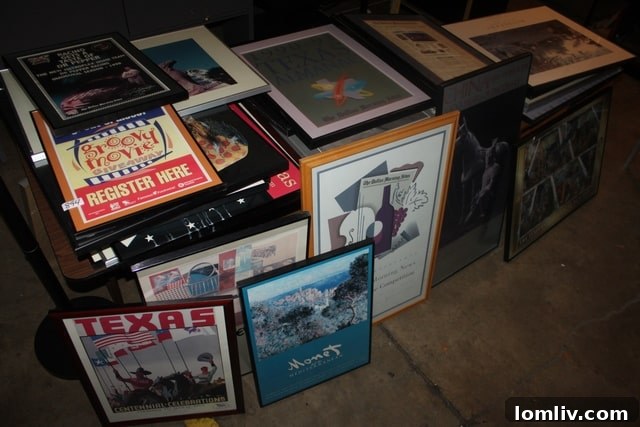
- Item #894: Assorted Lot of Posters. A true cultural time capsule, this lot included a vibrant Texas Centennial Celebration poster, a historical Texas Almanac, and an elegant DMA Monet Exhibit poster. Each piece tells a story of significant state events and cultural milestones, representing various eras of artistic and historical engagement within Dallas.
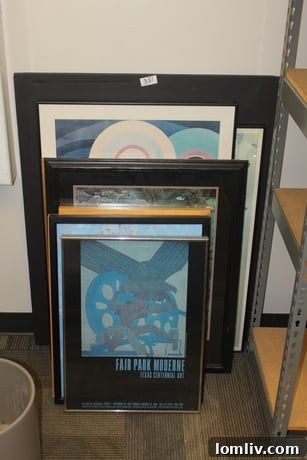
- Item #381: “Fair Park Moderne” Poster and Mystery Poster. Another fascinating assortment featured a striking “Fair Park Moderne” poster, celebrating Dallas’s unique architectural and cultural contributions. Alongside it, an intriguing, yet unidentified, mystery poster tucked away four frames behind sparked curiosity about its origins and purpose within the newsroom.
Vintage Office Technology:
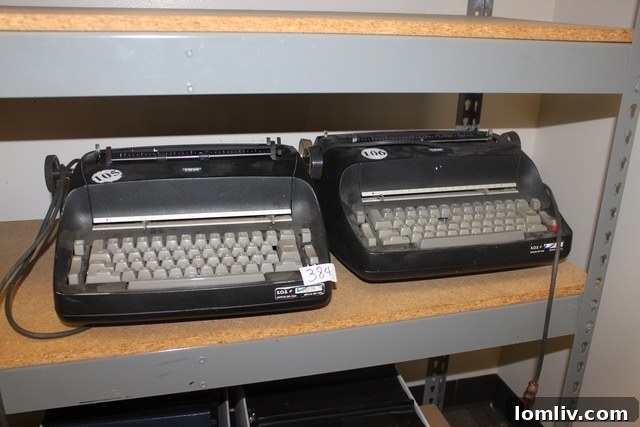
- Item #384: Lot of 2 Vintage-ish IBM Electric Typewriters. These classic machines offer a tangible link to a bygone era of journalism, preceding the digital age. They symbolize the meticulous craft of reporting and editing that once echoed through the building’s busy halls, making them prized possessions for tech and history enthusiasts.
Functional & Archival Furniture:
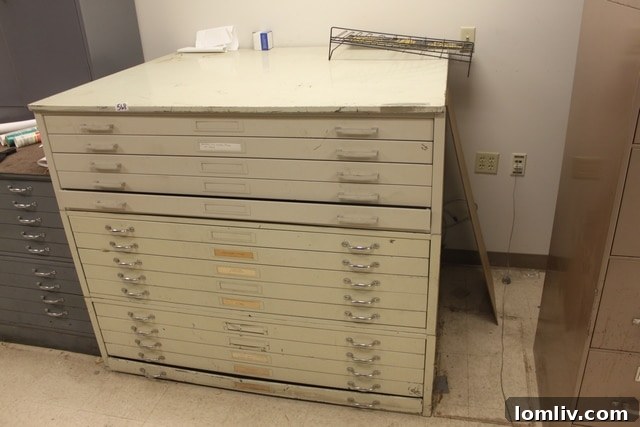
- Item #568: Off-white 15-Drawer Architect-style Filing Cabinet. This imposing cabinet, measuring a substantial 5 ft x 5 ft x 5 ft, speaks volumes about the sheer volume of documents and plans handled by the Dallas Morning News’ staff. It likely housed blueprints, editorial layouts, or vital historical archives, making it a significant piece for any collector of industrial office furniture.
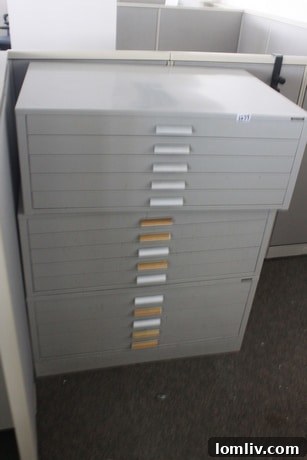
- Item #1239: Lot of 3 Gray 5-Drawer Architect-style Filing Cabinets. A trio of smaller, yet equally functional, architect-style filing cabinets, each measuring 4 ft x 3 ft x 2 ft. These would have been essential for organizing countless stories, photographs, and records over the years, representing the meticulous organization required in a major newsroom.
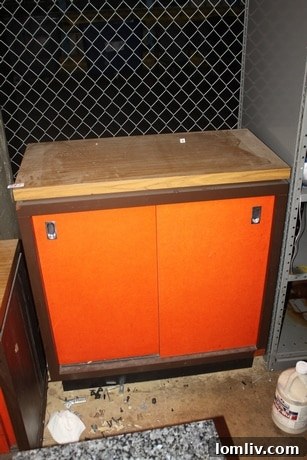
- Item #881: Orange Wood-Top Work Cabinet with 2 Sliding Doors. This unique piece, featuring two sliding doors and a distinctive orange finish, likely served as a sturdy and practical workstation or storage unit in a busy department. It adds a splash of vintage color and industrial charm, making it a standout item.
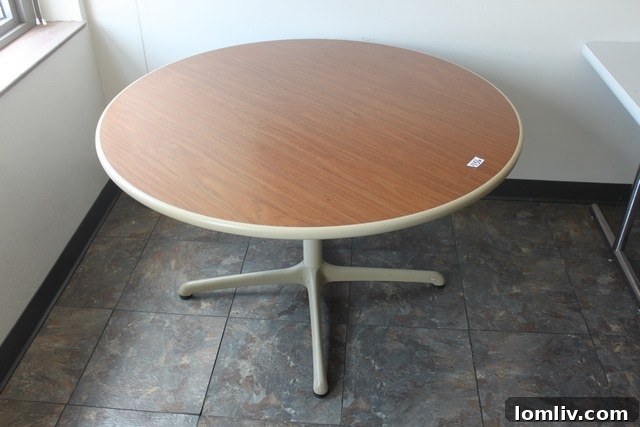
- Item #1156: Formica Topped Wooden Grain Round Table. A functional and durable table, measuring 4 x 28, this piece would have been a central point for countless newsroom meetings, discussions, and coffee breaks, witnessing myriad decisions that shaped daily headlines.
Iconic Dallas & Texas Symbolism:
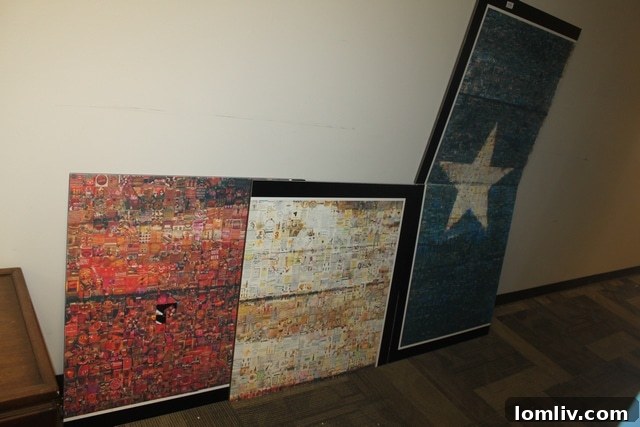
- Item #395: Texas Flag Mosaic Print on Hard Foamboard. A striking mosaic print of the Texas Flag, proudly displayed on hard foamboard, this piece embodies state loyalty and would have been a common sight in many Texas institutions, including a prominent newspaper.
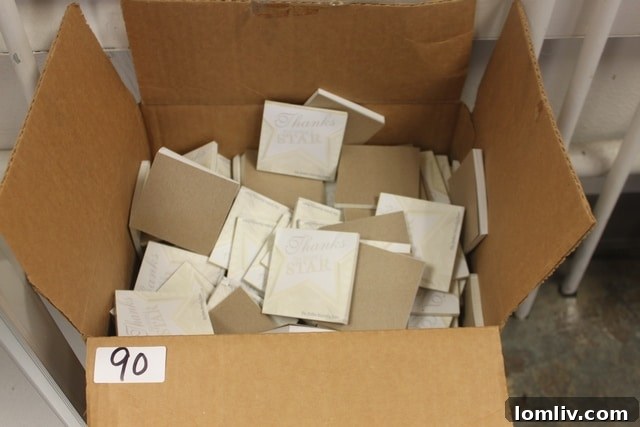
- Item #90: Box of 3-inch Dallas Morning News Blank Notepads. Emblazoned with the message “Thanks You’re a Star,” these simple yet authentic notepads offer a charming and tangible piece of daily newsroom life, perfect for collectors seeking everyday artifacts.
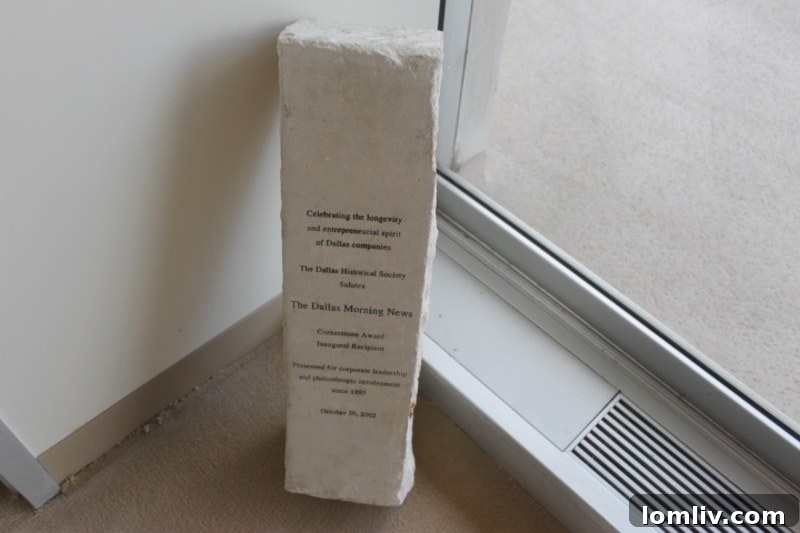
- Item #153: Dallas Historical Society Cornerstone Award. This prestigious award, commemorating “the longevity and entrepreneurial spirit of Dallas companies,” represents a significant recognition of The Dallas Morning News’ enduring impact and contribution to the city’s growth and development.
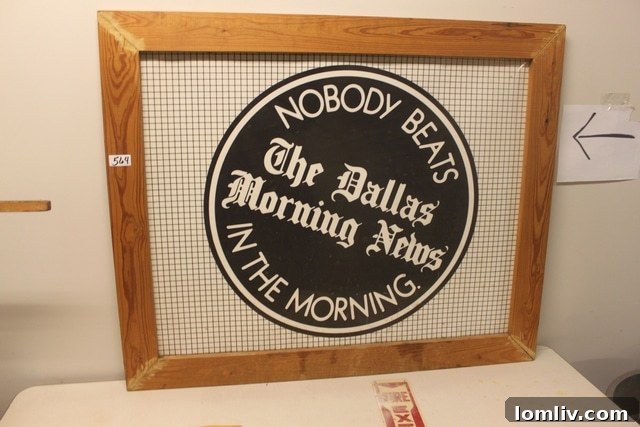
- Item #564: “Nobody Beats The Dallas Morning News in the Morning” Framed Art. An iconic slogan transformed into framed art, this piece is a powerful testament to the newspaper’s historic dominance and pride in its morning delivery, a nostalgic nod to its golden era.
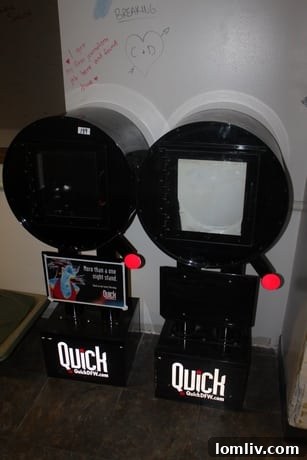
- Item #189: Letter Q-shaped Quick DFW Newspaper Rack. A distinctive Q-shaped newspaper rack designed for “Quick DFW,” this item serves as a unique reminder of the various publications and distribution methods employed by the expansive news organization.
The Hunt for Hidden Gems: The Elusive CueCat and Beyond
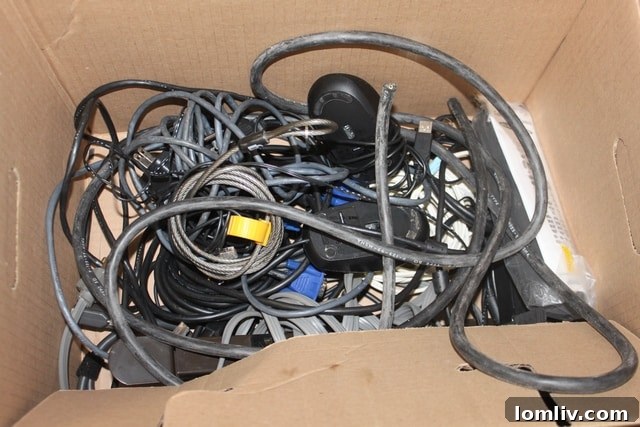
Despite the exhaustive browsing through all 14,000 Dallas Morning News auction lots listed on the Dallas Online Auction Company website, one particular item remained conspicuously absent: the infamous “CueCat.” To the mild disappointment of some nostalgic tech enthusiasts and internet history buffs, these peculiar barcode readers – a brief, albeit ill-fated, venture in the early 2000s that *The Dallas Morning News* famously distributed to its subscribers – did not explicitly surface among the meticulously cataloged items. It left many wondering if, by some chance, one might have been cleverly tucked away at the bottom of an uninspected Lot #43, awaiting a lucky discoverer. This playful search for a specific, quirky piece of media history highlights the diverse expectations and unique curiosities that such an extensive and historically rich auction can evoke.
Preserving a Piece of Dallas’s Soul: The Legacy Continues
The Dallas Morning News estate auction was far more than just a sale of used office equipment; it was an extraordinary event that allowed the public to forge a direct, tangible connection with a significant chapter of Dallas history. Each item, from a humble, branded notepad to an imposing architect’s filing cabinet, carries with it the whispers of past deadlines, the urgency of breaking stories, and the dedicated efforts of countless journalists, editors, and staff members who worked within those historic walls.
As the iconic building at 508 Young Street embarks on its new chapter of renovation and transformation, these auctioned treasures serve as enduring reminders of its profound legacy. They ensure that the spirit of The Dallas Morning News, an institution that shaped public discourse and documented the pulse of North Texas for generations, continues to resonate within the homes and collections of those who cherish Dallas’s unique heritage. For collectors, historians, and proud Dallasites alike, this auction offered an irreplaceable chance to own a fragment of a foundational institution, a true testament to the city’s vibrant past and its ongoing, dynamic evolution. These pieces are not merely objects; they are custodians of stories, silent witnesses to history, and cherished relics that bridge the past with the present, allowing the legacy of the Dallas Morning News to live on.