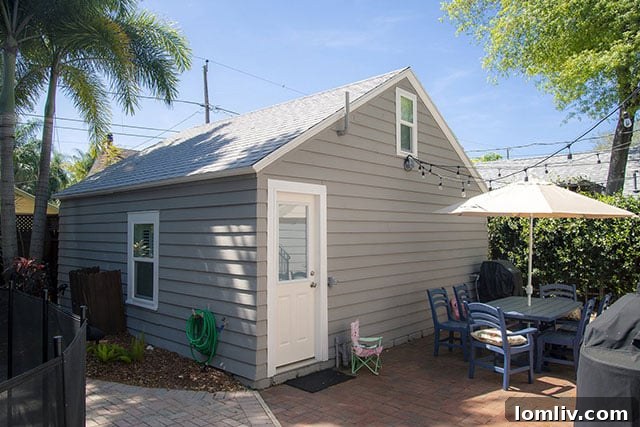
In 2018, Dallas took a significant step by enabling Accessory Dwelling Units (ADUs), often referred to as “Granny Flats.” These units are essentially a secondary, independent living space located on the same lot as a single-family home. This initiative aimed to reverse an 80-year prohibition on such rental units, a ban often rooted in regrettable, and frequently racially motivated, social engineering. At the time of its introduction, many viewed the ADU ordinance as a progressive move towards increasing housing options and addressing historical inequalities.
However, despite the initial optimism, the adoption rate of ADUs in Dallas has been remarkably low. Since the ordinance’s inception, only two individual ADUs have been officially approved—both in District 3 in January 2020. This stark reality was underscored during a February council meeting when District 3 council member Casey Thomas admitted to being unaware of their existence, highlighting the ordinance’s minimal impact. Furthermore, no neighborhood has successfully applied for an ADU overlay, further emphasizing the ordinance’s struggle to gain traction.
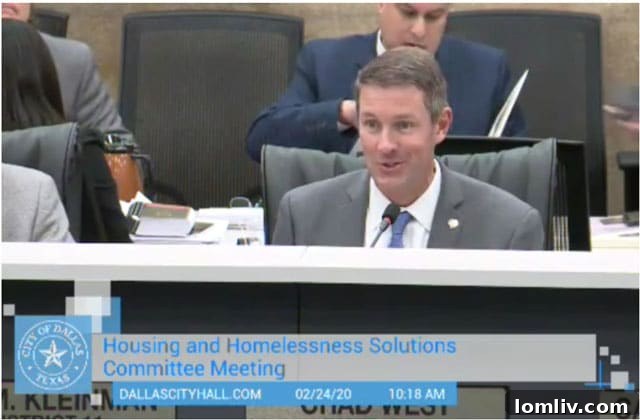
Recognizing this abysmal adoption rate and the pressing need for more diverse housing solutions, District 1 council member Chad West, who also chairs the Housing and Homelessness Solutions Committee, has proposed significant revisions to the existing ADU ordinance. The original framework mandated that both individuals and neighborhoods apply for and receive approval from the Board of Adjustment (BOA) – a cumbersome “opt-in” process. Interestingly, a city-staff-conducted survey between June 25 and July 10, which garnered responses from 2,314 residents across all districts, revealed a curious discrepancy: 38 percent of respondents claimed knowledge of ADUs in their neighborhood. This figure is notably high given only two official approvals, suggesting either widespread misconceptions or a prevalence of unpermitted units.
Shifting from Opt-In to Opt-Out: A Paradigm Shift for Dallas ADUs
The most transformative change being recommended is to designate the entire city of Dallas as ADU-enabled by default, requiring residents or neighborhoods to actively “opt-out” if they wish to exclude ADUs. This proposed shift represents a fundamental change in how Dallas approaches residential density and housing flexibility.
While this approach may be perceived as a less aggressive form of density promotion compared to what some other cities have implemented, it aligns with a growing movement to encourage diverse housing types. For instance, Minneapolis famously allowed up to three units per single-family lot (a triplex) as a by-right development. The core principle driving such changes is the undeniable necessity of increasing urban density to combat housing shortages and affordability crises. This particular method of density increase is especially appealing as it can often better preserve the aesthetic and character of single-family neighborhoods, steering clear of the large, often impersonal apartment complexes that Dallas developers frequently favor. Personally, I believe that granting neighborhoods the power to opt-out could undermine the very purpose of this initiative, creating pockets of exclusion and hindering city-wide progress on housing affordability and availability. Therefore, careful consideration must be given to the implications of an opt-out provision.
Another crucial question posed in the city’s survey was whether ADUs should be permitted in all Dallas neighborhoods. A significant two-thirds majority responded “yes,” while 30 percent indicated “no.” The demographic breakdown of these responses would be incredibly insightful, as it’s highly probable that most residents have an intuitive sense of where the “no” votes predominantly originate, often correlating with areas resistant to change or increased density.
The Critical Questions: Tenant Profiles and Owner Occupancy in Dallas ADUs
Amidst the debate surrounding ADUs, two fundamental questions have emerged as significant points of contention, yet they remain inadequately addressed: Who will be the primary tenants of these units, and will the homeowner be required to reside on the property? These issues are pivotal in determining whether ADUs genuinely serve their intended purpose of providing accessible housing or inadvertently contribute to other urban challenges.
For many homeowners, the primary motivation for constructing an ADU is to generate income to offset construction costs and property taxes. In this scenario, short-term rentals, facilitated through platforms like Airbnb, often present the most lucrative option, far surpassing the income potential of traditional yearly lease agreements. However, this preference for short-term rentals introduces significant concerns for established, peaceful neighborhoods. The constant influx of transient visitors, marked by the “clickity-clack of suitcases rolling over sidewalk joints at all hours,” can disrupt neighborhood tranquility, alter community dynamics, and strain local infrastructure. While income generation is a valid goal, the potential for such disruptions necessitates a clear policy framework.
Further exacerbating the potential for noise complaints and neighborhood opposition is the question of whether the primary homeowner will be required to reside on the property where the ADU is located. If Dallas chooses not to enforce an owner-occupancy requirement, the ADU program risks morphing from a scheme designed to promote affordable housing and multi-generational living into one that primarily facilitates the creation of investment-class neighborhoods. This transformation can have severe consequences for housing affordability and neighborhood stability.
While Dallas is geographically distinct from Hawaii, the experience of Honolulu provides a cautionary tale. A September report from Honolulu Magazine revealed that an astonishing 93 percent of the state’s short-term rentals were whole-house rentals. This means these properties were not merely supplementary income for a resident homeowner helping to pay their mortgage or property taxes; instead, they were predominantly investment properties, often owned by entities hidden behind various LLCs. Should Dallas proceed without a mandatory owner-occupancy clause for ADUs, its neighborhoods could face similar challenges, experiencing erosion of community character and further exacerbation of the affordability crisis. An owner-occupancy requirement helps ensure that ADUs remain an integrated part of the community, rather than purely speculative investments.
Unanswered Questions: Why So Few Official ADUs in Dallas?
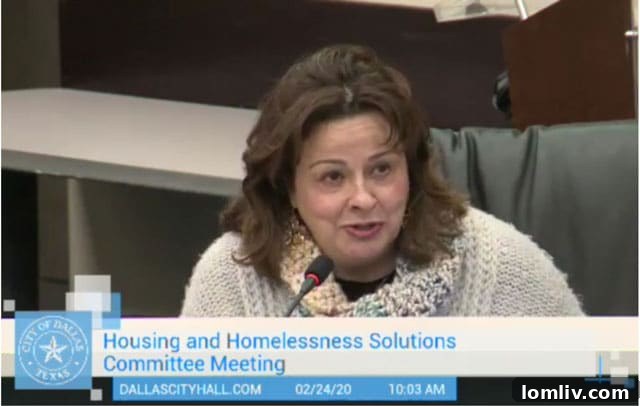
During a February city council meeting, District 9’s Paula Blackmon astutely identified a significant “plot hole” in the city’s approach to ADUs: a complete lack of research into the reasons behind the paltry two approved applications. This omission is critical. How can the city propose a “fix” without understanding the root causes of the current failure? Is the prohibitive application fee a barrier? Has there been insufficient public awareness or poor advertising of the program? Or, perhaps more disturbingly, are many property owners simply bypassing the official process, constructing and renting ADUs illegally, with little fear of enforcement? This scenario would imply that there’s no compelling reason for them to “fly right” and obtain legal permits.
Beyond the administrative hurdles, the fundamental economics of constructing a new ADU remain largely unexplored. Unless a property already boasts an existing structure that can be converted, is a newly built ADU truly cost-effective? The original ordinance stipulated that new ADUs must be stylistically consistent with the main house, adding to potential construction complexity and costs. Furthermore, these units typically require a kitchen, bathroom, and living area, generally ranging from 200 to 700 square feet. The question then becomes: Is the rental income from what is, at best, a one-bedroom unit sufficient to generate a profit, considering the substantial construction expenses and the inevitable increase in property taxes? Without this crucial financial analysis, homeowners are left to guess, and the meager number of applications serves as a concerning hint that the economics may not be favorable.
While Austin’s reported success with “hundreds of applications” for ADUs was cited during discussions, there was a critical lack of detail regarding whether these were registrations of existing units (driven by enforcement efforts) or a significant number of new constructions. This distinction is vital for accurate policy comparisons. Meanwhile, other municipalities that have introduced ADU ordinances have reported very limited success, with most recording far fewer than 100 applications or licenses even years after adoption. For instance, Boston issued only 12 permits from 55 applications over a two-year period, illustrating the widespread challenge. This disparity in adoption rates across different cities underscores the necessity for Dallas to understand its unique local context and the specific barriers it faces.
To reiterate, how can one effectively devise a solution without first comprehending the reasons for the current failure? This approach seems inherently flawed and “bass-ackwards.” It’s akin to hiring a tutor for a child struggling in school, only to discover later that the child simply needed glasses to see the blackboard. Without proper diagnostic research, any proposed remedies risk being misdirected and ineffective. While the concept of ADUs holds great promise, if the city cannot facilitate their widespread adoption or effectively manage them, they risk becoming merely a symbolic gesture – “a lot of useless pot-stirring that only makes us feel good,” rather than a tangible solution to the city’s housing challenges.

The Enforcement Conundrum: Can Dallas Manage a City-Wide ADU Rollout?
Recall the incongruities mentioned earlier: despite only two legally approved ADUs in Dallas, a striking 38 percent of survey respondents claimed awareness of an ADU in their neighborhood. This points to a potential widespread existence of unpermitted units. Given the apparent scarcity of legal ADUs and the equally apparent inability of code enforcement to uncover and address illegal ones, a critical question emerges: How will Dallas effectively manage and enforce a city-wide ADU program, especially one that shifts to an opt-out model? The answer, unfortunately, is likely that it won’t be able to. The city’s historical track record suggests an inherent struggle with robust enforcement of zoning and code compliance.
The August 20 Zoning Ordinance Advisory Committee briefing touched upon changes to the original assumptions that are likely to place an even greater burden on already woefully understaffed city departments. Such additional responsibilities, without commensurate increases in resources, inevitably mean that new regulations will not be adequately implemented or enforced. This organizational strain could render any new ADU policy largely ineffectual.
Furthermore, should the city adopt a default “opted-in” or “by-right” ADU option city-wide, it would constitute a significant zoning change. This process is inherently complex and resource-intensive, requiring extensive public outreach. Residents within the proposed area, and those within 500 feet of its boundaries, would need to be formally mailed notices, similar to any other major zoning case. This would trigger a cascade of numerous community meetings, each needing to be facilitated and managed by already overburdened city staff. These cases would then slowly wind their way through the City Plan Commission (CPC) and eventually the City Council—potentially for nearly every neighborhood in the city, almost simultaneously. This monumental undertaking suggests two likely outcomes: either the initiative will fail immediately due to the sheer logistical impossibility of such a process, or it will be “rubber-stamped” without meaningful community input or thorough review, rendering the entire elaborate process pointless. Neither outcome serves the best interests of Dallas residents or the goal of responsible urban planning.
Consider the sheer volume of material contained within a typical CPC or council meeting agenda packet—often hundreds of pages. Now imagine adding potentially hundreds, or even thousands, more ADU-related cases and their corresponding documentation. These documents would, at best, be superficially skimmed before votes are cast. In practice, what often happens is that the council member representing the district where a particular case is located will largely dictate how their colleagues vote, effectively sidelining comprehensive analysis and community input. This further underscores the administrative unfeasibility and potential for procedural shortcuts that a city-wide, by-right ADU rollout could entail, undermining the integrity of the planning process.
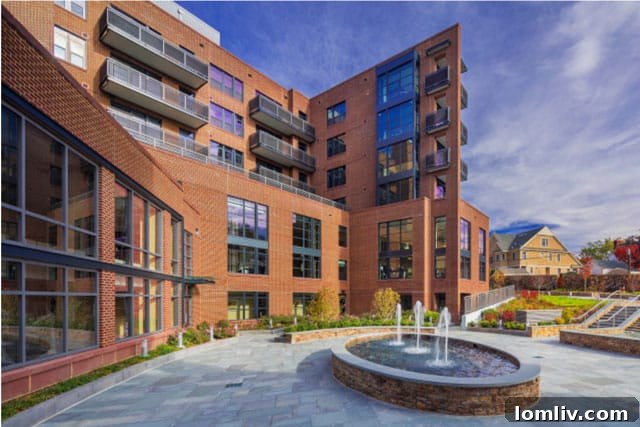
Beyond ADUs: The Imperative to Build More Housing in Dallas
The discussion around ADUs, while important, often overshadows a broader, more fundamental solution to Dallas’s housing affordability crisis: the imperative to simply build more housing across the spectrum of affordability. Coincidentally, I recently observed a program detailing the massive urban development and subsequent gentrification occurring in Manchester, UK. The new leader of their government housing program, a former developer, expressed a somewhat ironic sentiment: a desire to contribute so his children could be proud as they walked past homeless individuals on the street. Yet, his rhetoric focused heavily on development, conspicuously sidestepping direct action to build genuinely affordable housing.
This sentiment finds an echo in Dallas. District 4 representative Carolyn King Arnold has previously urged the council to prioritize building more housing in neighborhoods with ample undeveloped land, where “tumbleweeds get lost from all the open land.” While the idea holds merit, its execution requires careful, equitable planning. Dallas has previously faced scrutiny from federal authorities for concentrating low-income housing predominantly in poorer areas, leading to accusations of segregation. Therefore, any initiative to build more housing must be meticulously designed to ensure equitable distribution and avoid repeating past mistakes. This means strategically identifying locations across various districts, ensuring access to amenities, transportation, and quality schools.
However, this is Dallas, a city known for its protracted decision-making processes. After years of waffling, pontificating, and extensive debate, the city still lacks a comprehensive, predictable affordable housing statute for developers to follow. This absence creates an environment of uncertainty, forcing developers to rely on what feels like a Ouija board to guess the capricious whims of the Plan Commission and City Council on the day they present their case. Without clear, consistent guidelines, the development of diverse housing options, including truly affordable units, remains a challenging and unpredictable endeavor.
In the current context, Dallas finds itself recommending significant changes to its ADU ordinances without the benefit of proper research or empirical data to validate the efficacy or appropriateness of these proposals. This approach prioritizes the appearance of action over the diligent pursuit of evidence-based policy. While it may create the perception that the city is actively addressing its affordability crisis, true solutions require more than just optical initiatives. They demand thorough investigation, robust data analysis, and a commitment to implementing proven strategies for housing development and equitable growth.
Ultimately, what truly matters is not merely appearing to act, but effectively solving the housing challenges that impact countless Dallas residents.