Navigating Dallas’s Healthcare Future: The Parkland Hospital Property Tax Debate
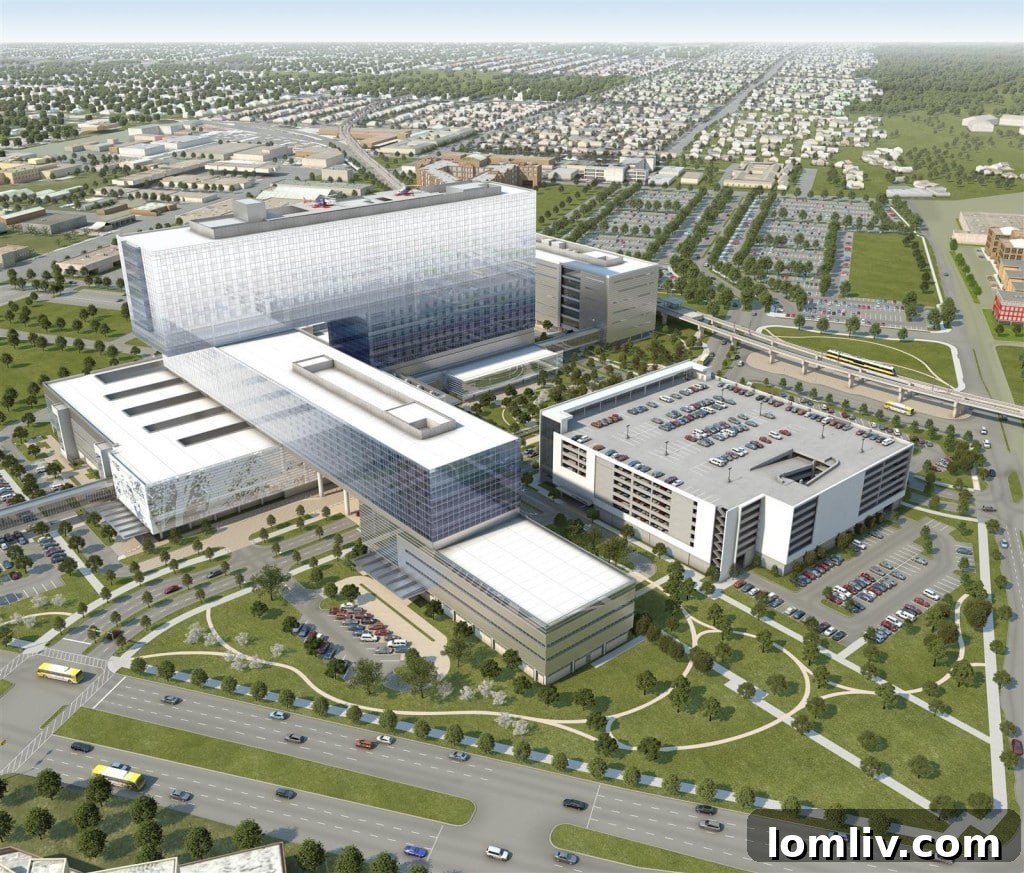
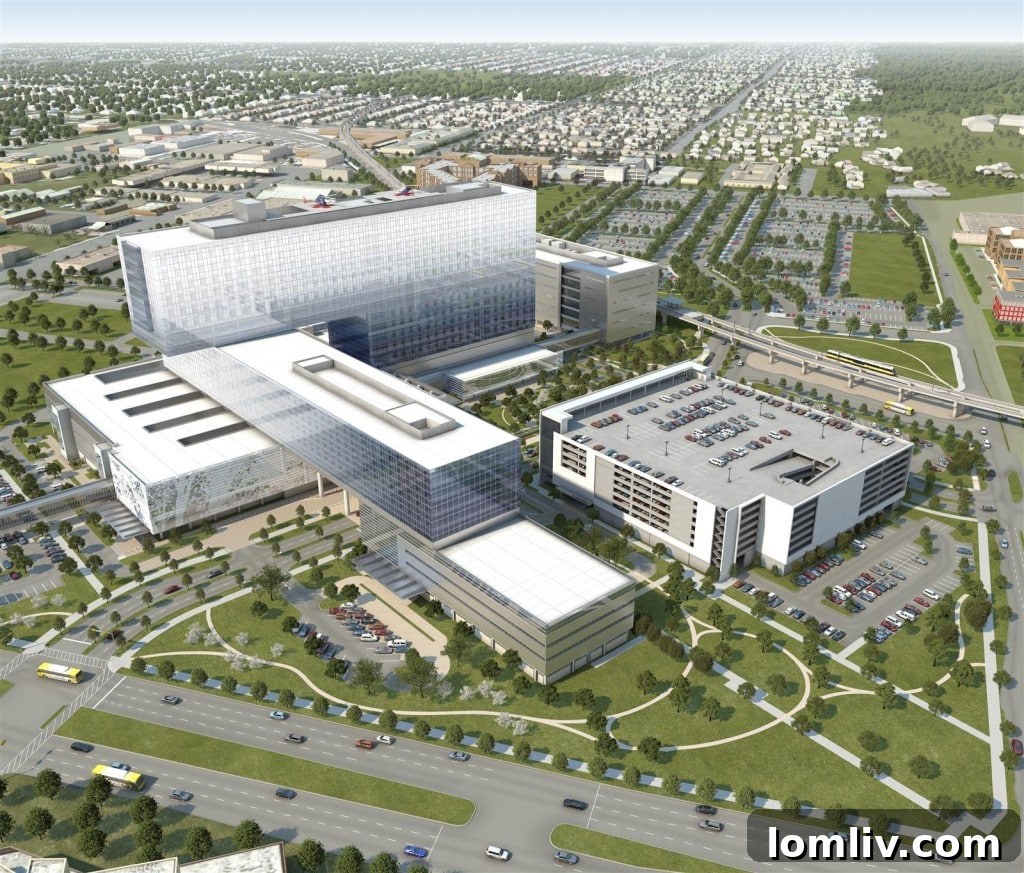
Dallas, a rapidly growing metropolitan area, is currently at the crossroads of healthcare expansion and fiscal responsibility. The Parkland Health & Hospital System, a critical pillar of Dallas County’s public health infrastructure, is proposing a significant 10% property tax increase. This move is directly linked to funding the operational costs of its state-of-the-art new hospital building, a project overwhelmingly approved by taxpayers in 2008. This decision has sparked a vital conversation among residents about the sustainability of public healthcare funding, the intricacies of local government finance, and the escalating burden on homeowners.
Despite the initial promise of improved healthcare access and efficiency, the financial realities of maintaining such a large-scale facility are now prompting a renewed call for local taxpayer contributions. This article delves into the core reasons behind Parkland’s funding request, scrutinizes the proposed budget allocations, and examines the wider implications for property owners within the unique Texas tax landscape. Understanding these dynamics is crucial for every Dallas resident concerned about the future of their community and their wallets.
Parkland Hospital: A Pillar of Dallas Healthcare Faces Funding Challenges
For decades, Parkland Hospital has been an indispensable institution in Dallas County, serving as the primary public hospital and providing comprehensive medical care to all, regardless of their socioeconomic status or ability to pay. It is much more than an emergency room; it’s a vital training ground for medical professionals, a leading trauma center, and a safety net for the uninsured and underserved populations of North Texas. The decision to construct a new, expanded facility, which received strong taxpayer approval through a bond measure in 2008, was driven by a clear need to modernize an aging infrastructure, accommodate the region’s burgeoning population, and integrate the latest advancements in medical technology.
The new Parkland building, a beacon of modern healthcare, promised enhanced patient care environments and greater operational capacity. However, the transition has not been without its financial hurdles. Public hospitals nationwide face an increasingly complex financial environment, characterized by evolving state and federal funding models, a continuous rise in healthcare delivery costs, and the persistent challenge of providing uncompensated care. Even with the advent of the Affordable Care Act (ACA), often referred to as Obamacare, which aimed to expand health insurance coverage, institutions like Parkland frequently encounter funding shortfalls that state and federal contributions alone cannot fully address. Dr. Fred Cerise, Parkland’s chief executive officer, candidly summarized the situation:
“If you look at our history, our revenues have not kept pace with our expenses, and we have the new hospital coming on. We don’t want to come back to the county to make up the gap repeatedly.”
This statement highlights the critical challenge of balancing a public hospital’s mission to serve everyone with the financial realities of its operations. The sheer scale and sophistication of the new facility naturally lead to increased expenses—ranging from depreciation and interest payments on bonds to the maintenance of advanced medical equipment and a larger physical footprint. Finding sustainable revenue streams that prevent a disproportionate burden on local taxpayers, especially when external funding proves inconsistent, remains a paramount concern for both hospital administration and county officials.
Understanding the Proposed Property Tax Increase
To address the projected budget deficit and ensure the sustained delivery of high-quality care, Parkland Hospital is proposing a significant 10% hike in the property tax rate specifically allocated to the hospital district. This proposal is currently under review by county commissioners, who must approve the hospital’s annual budget and tax rate before the end of September. The financial implications for Dallas County residents are substantial.
For the upcoming fiscal year, Parkland’s budget is projected to reach nearly $1.4 billion. Dr. Cerise’s latest spending plan reveals an anticipated $13 million deficit that still requires resolution. To cover this shortfall and other operational needs, the hospital system is requesting a larger contribution from local taxpayers. Under the proposed structure, Dallas County taxpayers would contribute approximately $496 million in the next year, representing about 36 percent of Parkland’s total budget. The new proposed hospital district tax rate would be 28.6 cents per $100 of assessed property value.
To put this into perspective for the average homeowner, consider a property valued at $144,733 – a figure cited as the county average at the time of the proposal. With the increased rate, the property tax bill for the hospital district portion would rise to an estimated $414 annually. This represents an increase of $37 compared to the previous year’s payment of $377. It’s important to note that part of this increase is also attributed to the general appreciation of property values across Dallas County, which saw an average rise of 6.6 percent in the past year. This combination of a higher tax rate and increased property assessments compounds the financial impact on homeowners.
Discrepancies in Home Valuation: Average vs. Median Prices
A significant point of public discussion often arises when examining the specific figures used to calculate tax impacts, particularly the “average” home price. The cited average of $144,733 for Dallas County might not fully reflect the real estate market experienced by many residents. Real estate experts frequently refer to the median home price as a more accurate indicator of market trends, as it lessens the distorting effect of extremely high or low property values. According to Steve Brown, a well-regarded real estate reporter, the median home price in North Texas experienced a 7 percent year-over-year increase, pushing it closer to $196,500.
This discrepancy between the “average” ($144,733) and the “median” ($196,500) has important implications:
- While a $37 increase might seem modest for the stated average home, for properties closer to the actual median value, the dollar increase in the tax bill would be substantially higher.
- For properties in higher value brackets, such as a million-dollar home, the increase would be approximately $370 annually (calculated proportionally to the proposed rate change).
- Relying on a potentially lower “average” figure may inadvertently understate the real financial impact on a large segment of the homeowner population, especially as Dallas’s vibrant real estate market continues to see property values rise consistently. This difference can lead to a disconnect between official projections and the actual tax burden felt by residents, fostering public skepticism.
Deconstructing Parkland’s Budget: Where the Money Goes
In an era of increasing fiscal scrutiny, understanding the specific line items within Parkland’s budget is crucial for taxpayers. The transparency of public spending ensures accountability and allows residents to evaluate the necessity and efficiency of each expenditure contributing to the proposed tax hike. Here’s a closer look at some key areas driving the additional costs:
-
$28 million for increased depreciation and interest expenses:
This is a significant component of the new costs. Interest expenses are direct outlays for borrowing the capital required to build the new hospital. Depreciation, on the other hand, is an accounting method used to systematically allocate the cost of a tangible asset over its useful life. While vital for accurate financial reporting and reflecting the diminishing value of assets, it is not a cash expenditure in the same way interest is. The question for many residents is whether this substantial figure represents truly new, unanticipated increases or if these were expected financial realities tied to such a large-scale construction project.
-
$10 million for added utility costs and building maintenance:
The notion of “added” utility and maintenance costs for a brand-new, modern building can initially seem counterintuitive. New facilities are typically designed with advanced energy efficiency systems, and new equipment often requires less immediate maintenance. However, the sheer size and technological complexity of the new Parkland hospital mean a significantly larger footprint and more sophisticated systems, which can translate to higher absolute utility consumption, even if efficiency per square foot improves. Furthermore, the specialized maintenance required for cutting-edge medical infrastructure and complex building systems can indeed be costly. The public discourse often centers on whether these increased operational costs were accurately projected during the initial planning and bond approval phases.
-
$4.3 million for software and hardware:
In the digital age, state-of-the-art information technology (IT) systems are absolutely indispensable for any modern healthcare institution. This expenditure likely covers critical investments in electronic health record (EHR) systems, advanced diagnostic software, patient management platforms, and other digital infrastructure necessary for seamless and efficient hospital operations. For taxpayers, transparency regarding vendor selection, contract details, and the measurable benefits of these technology investments in terms of improved patient care, safety, and administrative efficiency is paramount.
-
$1.7 million for educational marketing and community events:
While community engagement, public health education, and outreach events are important aspects of a public health system’s mission, an allocation of $1.7 million for marketing and events often becomes a primary target for reconsideration during periods of financial constraint. Many argue that when a public institution is proposing a tax increase to cover core operational deficits, expenditures perceived as non-essential, such as extensive marketing campaigns, could be significantly reduced – perhaps by half – to prioritize direct patient care and critical medical services.
-
$1.3 million for supplies related to a new surge of patients:
This line item highlights an ongoing and fundamental challenge for public hospitals, particularly in states like Texas that have not expanded Medicaid under the Affordable Care Act. Despite the ACA’s goals to expand insurance coverage, many public hospitals, including Parkland, continue to experience significant surges in patient volume, often involving individuals who lack comprehensive health insurance. Parkland, by its mandate and mission, functions as a vital safety net, meaning it must absorb the costs of providing care for indigent patients—costs that other private hospitals might not incur to the same extent. This expenditure underscores the continued financial pressure on public hospitals to serve all who need care, regardless of their ability to pay.
-
$1.1 million for medical-surgical supplies:
This category represents a fundamental and unavoidable operational cost for any active hospital. The increase likely reflects a combination of factors: higher patient volume in the new, larger facility, the increasing complexity of modern medical procedures, and the general upward trend in the cost of medical equipment and consumables. While a routine expense, its upward trajectory contributes to the overall financial pressure on the hospital system.
The Wider Impact: Texas Property Taxes and Homeowner Burden
The proposed property tax increase for Parkland Hospital not only impacts Dallas County residents directly but also casts a spotlight on a broader, systemic issue unique to the state of Texas: its profound reliance on local property taxes to fund essential public services. Unlike most other states, Texas does not impose a state-level property tax. Instead, the burden of property taxation falls almost entirely on local governmental entities—including counties, cities, independent school districts, and special districts like hospital and utility districts. This structural arrangement places a significant, and often escalating, financial load directly onto property owners, particularly evident in rapidly appreciating real estate markets such as Dallas.
This reliance is often at the heart of public opposition to new development projects in neighborhoods. While increased development can stimulate economic growth and sometimes lead to higher property values (beneficial for homeowners’ equity), it also frequently results in higher property tax bills if the tax rate remains constant or, as in Parkland’s case, increases. The dilemma for local officials is stark: they need sufficient revenue to maintain and enhance public services that a growing population demands, but their primary mechanism for generating this revenue directly affects the financial stability of homeowners.
Addressing this challenge effectively at the state level is notoriously difficult. As highlighted by political analysts:
“The formula is simple: The value of a property multiplied by the tax rate equals the amount of tax owed. Local officials look at the total value of property and set a rate that yields the revenue they need. State efforts to limit the growth of property tax revenues have met with limited success; local officials dislike mandates from Austin as much as they hate decrees from Washington.”
This quote underscores the deeply ingrained principle of local control over taxation in Texas. While state lawmakers have attempted various measures to cap revenue growth or provide property tax relief, these efforts often face strong resistance from local entities that argue such mandates undermine their fiscal autonomy and ability to meet local service needs. Any comprehensive attempt to “equalize property taxes” or significantly alleviate the burden on homeowners would likely necessitate a fundamental rethinking of how public services are funded across the state. This could involve introducing new state-level revenue streams, substantially increasing state aid to local governments, or a combination of both—politically complex and challenging undertakings.
Charting a Sustainable Path for Public Healthcare in Dallas
The debate surrounding Parkland Hospital’s proposed property tax increase transcends a mere local fiscal adjustment; it represents a microcosm of the larger challenges inherent in funding essential public healthcare and maintaining local governance in a dynamic, growing urban center. While the imperative for a modern, efficient, and accessible hospital facility like Parkland is unequivocally recognized, the methods employed to fund its ongoing operation must be transparent, equitable, and designed for long-term sustainability. Dallas residents rightly expect a clear and detailed account of how their tax dollars are utilized and assurances that every possible avenue for efficiency and cost-effectiveness is being rigorously pursued.
Moving forward, a multi-faceted and collaborative approach will be indispensable. This includes not only persistent advocacy for robust and reliable state and federal healthcare funding but also the implementation of stringent internal cost-control measures within Parkland itself. Crucially, an open, continuous dialogue among hospital leadership, Dallas County commissioners, and the community at large is vital. The overarching goal must remain to ensure that Parkland can continue to provide its critical, life-saving services to all residents without imposing an opaque or unsustainable financial burden on Dallas County taxpayers. Striking this delicate balance between pressing public health needs and prudent fiscal responsibility is a defining challenge for the future prosperity and well-being of Dallas.