Imagine this: You’re a dedicated real estate agent, diligently building your reputation and client base. One ordinary day, your phone rings, and an unfamiliar voice introduces themselves as a property owner seeking your expertise to sell a piece of land. A new listing! Naturally, your initial reaction is excitement, a sense of accomplishment that your marketing efforts are paying off, or that your excellent reputation is attracting new business. This prospective seller seems like an ideal client – minimal fuss, primarily communicating via email with occasional calls or texts, and never pushing for an in-person meeting. You proceed to list the property on the Multiple Listing Service (MLS), swiftly attract an eager buyer, and guide the transaction smoothly towards a successful close, all without a hitch.
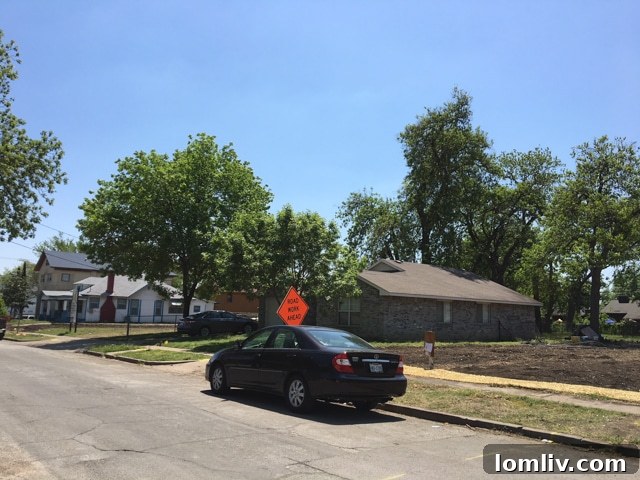
However, unbeknownst to you and everyone else involved, the individual on the other end of those communications was not who they claimed to be. The property in question was a vacant lot, making physical access and inspection less critical than with a developed home, thus simplifying the fraudster’s scheme. The name they provided, their caller ID, and their email address all meticulously aligned with the legitimate owner’s name found on public tax records. Yet, a crucial step was missed: you never met them face-to-face nor verified their identity through a government-issued ID. When the title company suggested using a third-party mobile notary for signing documents, the “seller” vehemently pushed back, insisting on using their own notary. Eager to keep the deal on track, the title company reluctantly conceded, and the transaction finalized without further suspicion. This seemingly flawless process unfortunately illustrates a rapidly escalating and sophisticated crime known as “Fraud for Property.”
Understanding Property Fraud: A Deceptive Threat in Real Estate
At its core, “Fraud for Property” is a sophisticated criminal enterprise where fraudsters exploit vulnerabilities within the real estate and title industries. These criminals cunningly impersonate legitimate property owners, leveraging social engineering tactics to deceive real estate agents, title companies, and ultimately, unwitting buyers. Their objective is clear: to illicitly divert substantial sums of money from the transaction into their own accounts, leaving the buyer without a legitimate claim to the property and the title company exposed to significant financial liabilities. This type of real estate fraud preys on the industry’s inherent trust and fast-paced nature, making vigilance paramount.
The rise of digital communication and the ease of accessing public records have unfortunately empowered these fraudsters. They often target properties that are less actively managed, such as vacant land, unencumbered properties, or homes owned by elderly individuals or those residing out of state. Vacant land is particularly susceptible because there’s no physical structure to inspect, no tenants to interview, and often, no immediate neighbors to raise an alarm. This lack of physical interaction simplifies the impersonation process, making it easier for criminals to convince agents of their false ownership claim without ever needing to step foot on the property.
Criminals meticulously research their targets. They might scour public databases for owner names, addresses, and property details. In some cases, they leverage information obtained through data breaches or phishing scams to build a convincing profile of the legitimate owner. The goal is to create an illusion of authenticity that withstands initial scrutiny, allowing them to navigate the transaction process undetected. They understand the pressure on agents and title companies to close deals, and they expertly exploit this desire, creating a sense of urgency or offering attractive terms to minimize due diligence.
Spotting the Red Flags: Proactive Measures for Real Estate Agents
Preventing these sophisticated scams begins with heightened awareness and a commitment to rigorous due diligence from real estate agents, who often serve as the first line of defense. When dealing with any property, especially vacant land or distressed properties sold primarily for lot value, agents must exercise extreme caution. The absence of a physical home to access significantly reduces the hurdles for a fraudster to convincingly present themselves as the owner. Here are crucial red flags and preventative steps:
- Communication Patterns: Be wary of sellers who exclusively prefer email or text communication and consistently refuse phone calls or video meetings. While some people prefer written communication, an absolute refusal to speak verbally or meet in person should trigger a warning. Fraudsters may avoid voice communication to hide an accent, avoid direct questioning, or prevent voice authentication. Furthermore, be meticulous about examining written communications for unusual grammatical errors, awkward phrasing, or inconsistent capitalization (e.g., uncapitalized “I’s”), which can sometimes indicate that the sender is operating from a non-native English-speaking country, a common trait among many international fraud rings.
- Refusal to Meet In-Person: A seller who repeatedly declines in-person meetings, citing perpetual travel, health issues, or demanding schedules, should raise a significant red flag. While busy schedules are common, an outright refusal over an extended period, particularly for a high-value transaction, is highly suspicious. Demand a video call for a face-to-face interaction if an in-person meeting is impossible. This simple step can often deter impersonators.
- Suspicious Mailing Addresses: Often, fraudsters provide a P.O. box or an office address that is not residential as the mailing address for the property owner. This makes direct verification of the owner’s identity at a physical residence challenging. Always cross-reference the provided mailing address with public records and be suspicious if it doesn’t align with typical residential patterns for the owner.
- Urgency and Pressure: Fraudsters frequently attempt to rush the transaction, pushing for quick closings or expressing impatience with standard due diligence procedures. This pressure tactic is designed to limit the time available for proper verification and to capitalize on the agent’s desire to close the deal. Any undue pressure to bypass standard protocols should be a significant warning sign.
- Unusual Financial Instructions: Be wary of last-minute changes to wiring instructions, requests for funds to be sent to international accounts, or demands for unconventional payment methods. Always verify any changes to financial instructions directly with the client through a known, trusted method of communication, preferably a live phone call using a previously confirmed number.
- Lack of Property Knowledge: Engage the “seller” in conversations about the property itself. A legitimate owner will typically have specific knowledge about its history, unique features, or neighborhood details. An impersonator may offer vague answers or show a surprising lack of familiarity with the property they supposedly own.
Fortifying Defenses: Collaboration and Advanced Prevention Strategies
While agents are the first line of defense, a robust prevention strategy requires seamless collaboration with title companies. Title companies are indispensable in verifying ownership and ensuring the legitimacy of a transaction. A critical requirement that should never be waived is the use of a third-party mobile notary for signing closing documents. This ensures that the notary is an independent, unbiased professional not associated with the seller. This measure prevents the use of a paid-off notary, a stolen notary stamp, or a notary who is complicit in the attempted fraud. While there is an associated cost for this service, a “seller” who strongly pushes back against this requirement, even threatening to take their business elsewhere, is a common indicator of a scam in progress. The minor expense of a mobile notary is a small price to pay for safeguarding against potentially catastrophic losses.
Beyond notary verification, title companies employ numerous layers of security:
- Title Searches and Chain of Title Verification: Title companies meticulously research the property’s history, verifying the chain of title, ensuring there are no outstanding liens, undisclosed owners, or other encumbrances that could signal a fraudulent claim.
- Owner Verification Databases: They often utilize specialized databases and public records to cross-reference owner information, checking for discrepancies in addresses, names, and contact details.
- Escrow Procedures: Strict escrow protocols ensure that funds are held securely and disbursed only after all conditions of the sale are met and verified, adding another layer of protection.
- Fraud Detection Technology: Many title companies are investing in advanced technologies, including AI and machine learning, to detect patterns indicative of fraud in transaction documents and communications.
If you, as a real estate agent, encounter a transaction that exhibits multiple red flags, it is imperative to trust your instincts and immediately communicate your concerns to the title company. Even if your suspicions ultimately prove unfounded, the worst-case scenario is that the title company performs a little extra due diligence to confirm the legitimacy of the seller. This additional effort is a small price for their peace of mind and the security of the transaction. The best-case scenario, however, is that your vigilance successfully uncovers and prevents a fraud attempt, saving the buyer from significant financial ruin, protecting the title company from immense liability, and preserving your own reputation and integrity within the industry.
The Ripple Effect: Consequences of Property Fraud
The impact of successful property fraud extends far beyond the immediate financial loss. For the innocent buyer, it means losing their entire investment, often their life savings, and facing a complex, emotionally draining legal battle to reclaim their funds or prove their ownership. For the legitimate property owner whose identity was stolen, the ordeal involves discovering their property was “sold” without their knowledge, often leading to a prolonged and stressful process of re-establishing their rightful ownership and repairing their credit. Real estate agents involved, even unwittingly, face severe reputational damage, potential lawsuits, and a loss of trust within their professional networks and communities. Title companies bear the brunt of insuring against such fraud, leading to substantial financial losses and increased premiums for all.
Furthermore, property fraud erodes trust in the real estate market as a whole, making transactions more complex and raising anxieties for all parties involved. It’s a crime that strikes at the very foundation of property rights and financial security, impacting individuals, businesses, and the broader economy. Therefore, a collective, proactive stance against these schemes is not just about protecting individual transactions, but about safeguarding the integrity of the entire real estate ecosystem.
A Call to Vigilance and Collaboration
In an increasingly digitized world, the methods of fraudsters continue to evolve, making continuous education and heightened vigilance indispensable. Real estate agents are not merely facilitators of transactions; they are crucial gatekeepers protecting their clients and the integrity of the market. Cultivating a keen eye for detail, fostering open communication with title professionals, and adhering strictly to verification protocols are essential practices in this evolving landscape of real estate fraud. By maintaining a skeptical yet professional approach to unusual circumstances and leveraging the expertise of title companies, the real estate community can collectively build stronger defenses against property fraud. Your role in detecting and reporting suspicious activities is not just a professional obligation, but a vital contribution to securing the real estate dreams of your clients and upholding the trust placed in our industry.