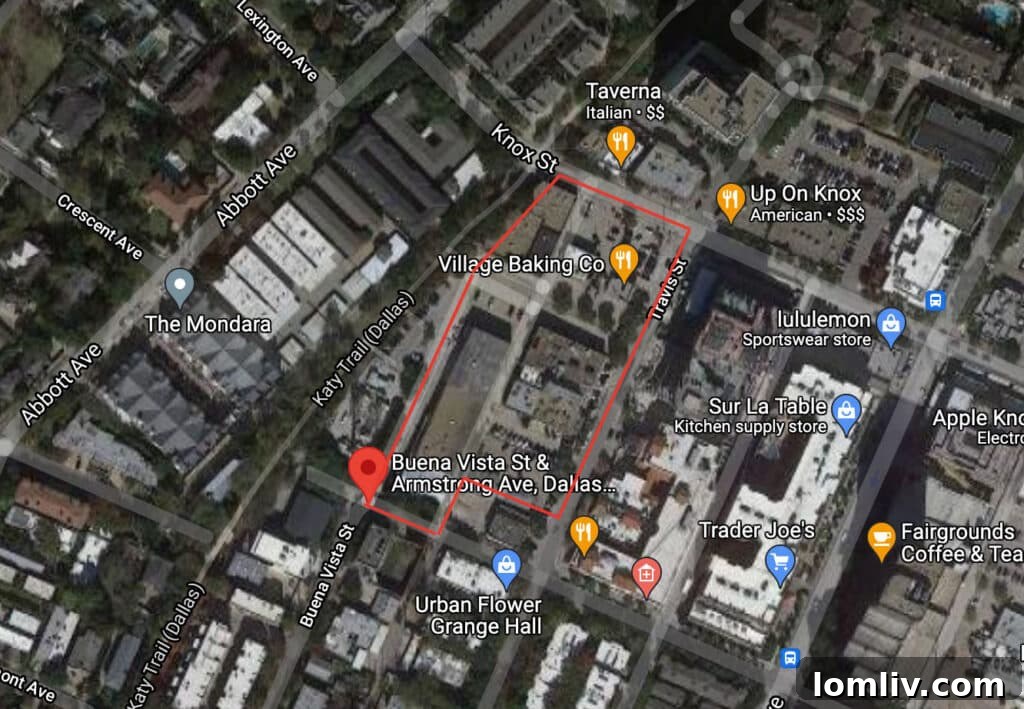
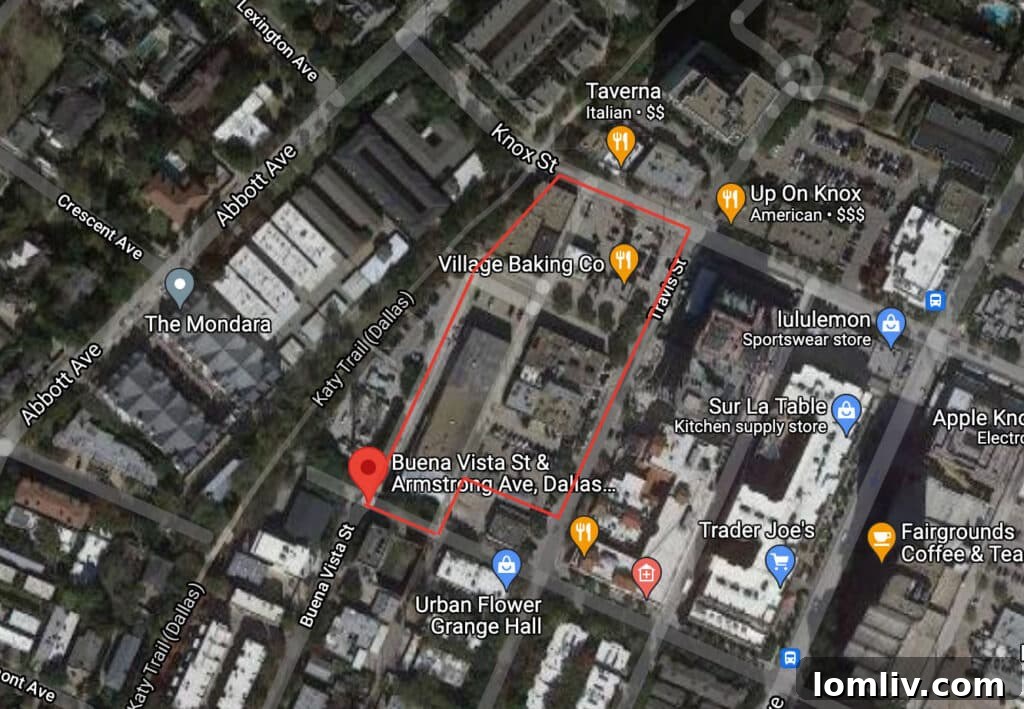
Dallas’s vibrant urban core is continually evolving, driven by innovative proposals that seek to enhance livability, connectivity, and economic dynamism. At the forefront of this transformation is a significant multi-story, mixed-use development recently proposed for a pivotal area bordered by Armstrong and Buena Vista avenues and Travis and Knox streets. This ambitious project, encompassing a substantial 3.876-acre parcel, promises to redefine a key section of the city, introducing a harmonious blend of residential, commercial, and public spaces designed with the modern urban dweller in mind.
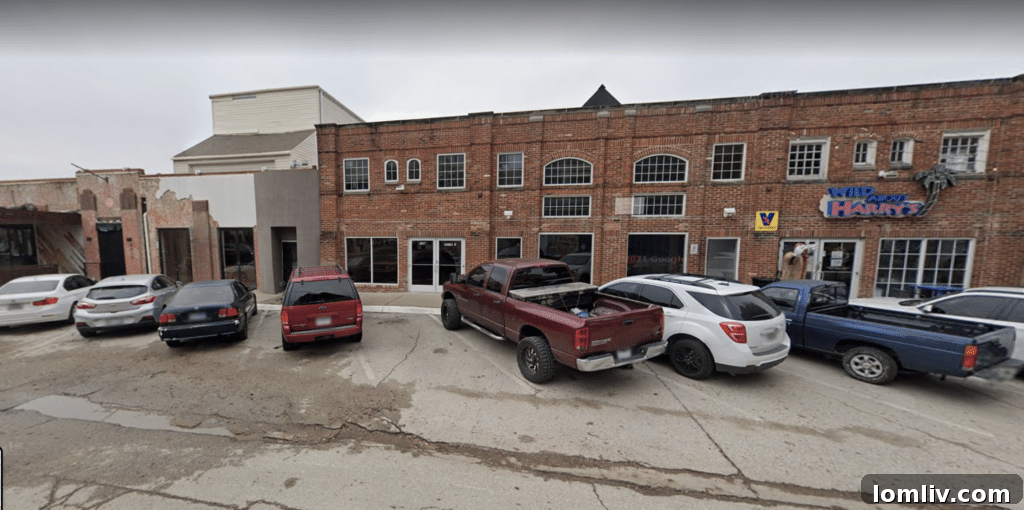
The proposed development is strategically located within Planned Development District 193 (PD-193), a critical zoning district known for its evolving landscape. The land parcels identified for this project hold a rich history, including the site that formerly housed the much-loved Wild About Harry’s, a local institution cherished for its unique offerings. Additionally, the development footprint encompasses the block currently occupied by Village Baking Co., a popular artisan bakery contributing to the neighborhood’s charm. It is important to note that the iconic Cafe Madrid building, a long-standing landmark at the corner of Armstrong Avenue and Travis Street, will remain untouched and is not included in the scope of this redevelopment, ensuring the preservation of a beloved local fixture.
A Vision for Pedestrian-Friendly Urban Living
The driving force behind this transformative project is an LLC headquartered in New York, managed by an experienced organization with a proven track record of successful holdings in the vicinity. This demonstrates a deep understanding of the local market and a commitment to high-quality development. The ownership is professionally represented by a distinguished team from Winstead, PC, including Laura Hoffmann, Tommy Mann, and Daniel Box, who are navigating the intricate processes of urban planning and regulatory compliance.
At the heart of the developer’s request is the creation of a specialized subdistrict within the existing PD-193 framework. This tailored approach is essential for facilitating the construction of a truly pedestrian-friendly, mixed-use environment. The vision is to forge a cohesive urban village where residents, workers, and visitors can seamlessly transition between living, working, shopping, and leisure activities without relying heavily on vehicular transport. This emphasis on walkability and human-scale design is a cornerstone of contemporary urban planning, aiming to foster a stronger sense of community and enhance daily life.
Navigating Zoning: Height Adjustments and Community Benefits
While the proposed uses for the development—including hotel, office, residential, and ground-floor retail—are generally permitted within PD-193, the owner is seeking strategic adjustments to the building height allowances. Specifically, the proposal involves bumping up the building height in certain areas of the development in exchange for a reduction or maintenance of lower heights in other designated zones. This flexible approach allows for varied architectural expressions and optimized space utilization while integrating seamlessly into the surrounding urban fabric.
Under the current regulations for PD-193 (LC), the maximum building height is set at 240 feet. The owner’s proposal includes a request for an overall height increase beyond this limit, signaling a move towards greater urban density in a highly desirable area. To balance this request, the developer has made significant commitments to enhance the public realm. These promises include the creation of wider sidewalks, generously proportioned open spaces, and an array of other street-level amenities designed to enrich the pedestrian experience and foster community engagement.
Detailed paperwork filed with the Department of Sustainable Development outlines these proposed changes and the accompanying community benefits. The developer explicitly states their commitment to implementing “urban design standards, including increased sidewalk widths, pedestrian amenities, and publicly accessible open space.” These standards are not merely superficial additions but are integral to the project’s philosophy, aiming to create vibrant public areas that serve as extensions of the private development, inviting interaction and fostering a sense of place.
Integrating with the Iconic Katy Trail: A New Community Hub
One of the most exciting aspects of this development is its strategic positioning to front the celebrated Katy Trail, a vital artery for recreation and connectivity in Dallas. The vision for the publicly accessible open space is to establish it as a dynamic “launch point” for users of the trail. Imagine a beautifully landscaped plaza offering comfortable seating, potential public art installations, and perhaps even specialized amenities for cyclists and runners, such as hydration stations or bike repair kiosks. This thoughtful integration promises to enhance the experience for thousands of trail users daily, creating a natural synergy between the urban development and one of Dallas’s most cherished greenways.
This dedicated open space is envisioned as more than just a thoroughfare; it will be a destination in itself, encouraging community gatherings, informal recreation, and a deeper connection to nature within the urban environment. Such amenities contribute significantly to the overall quality of life, promoting health, well-being, and social interaction among residents and visitors alike. The design aims to make the development an inviting gateway to the Katy Trail, reinforcing its status as a premier urban amenity.
Architectural Strategy: Blending Heritage with Modernity
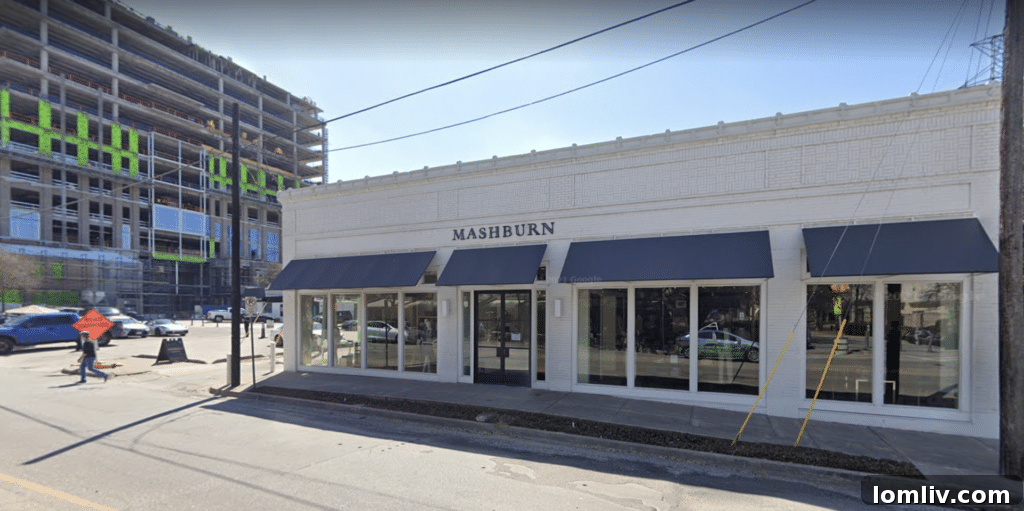
While much of the existing structures on the development site will be razed to make way for the new construction, the owner has committed to a commendable act of preservation. The facade of the building currently housing the Sid Mashburn retail store will be carefully preserved. This decision reflects a nuanced understanding of urban heritage, recognizing the importance of maintaining architectural character and a sense of continuity within a rapidly changing district. Preserving this facade will allow a piece of the area’s history to gracefully merge with the contemporary aesthetics of the new development, creating a unique visual narrative.
However, the filing indicates no specific plans to preserve the storefronts along Travis Street, which notably included the former location of Wild About Harry’s. This selective preservation strategy allows for significant architectural innovation and the creation of entirely new street-level experiences, while still honoring certain elements of the past. The balance between demolition for progress and strategic preservation is a delicate one, often reflecting a developer’s commitment to both modernity and community identity.
Reconfiguring the Urban Fabric: Public Rights-of-Way Abandonment
As part of the comprehensive rezoning request, the owner is also seeking the abandonment of several public rights-of-way. This crucial step in large-scale urban development enables the consolidation of parcels, allowing for more efficient and cohesive site planning. The specific requests include the abandonment of two key alleys: one that spans between Armstrong and Knox avenues, running through the very center of the property, and another situated between Travis and Buena Vista streets. Additionally, the owner has requested that portions of both Buena Vista and Travis streets be included in this abandonment plan.
The abandonment of public rights-of-way is a common practice in significant redevelopment projects, often necessary to create a unified development block and implement integrated site designs that might otherwise be fragmented by existing public easements. While this process requires careful review and approval from city authorities, it can lead to improved public spaces within the development, better security, and a more controlled and aesthetically pleasing environment. These decisions are typically subject to robust public debate and must ultimately serve the broader public interest, often through the provision of enhanced privately-managed public amenities within the new development.
A Broader Trend in PD-193: Shaping Dallas’s Future
This proposal for the Armstrong and Buena Vista avenues site is not an isolated incident but rather reflects a broader trend within PD-193. The district has recently seen several other properties receive approvals for height increases, signaling the city’s strategic embrace of denser, more vertically oriented development in key urban corridors. This shift aligns with Dallas’s ongoing efforts to accommodate growth, provide diverse housing options, and create more vibrant, walkable neighborhoods that attract businesses and residents alike. The city is clearly moving towards a future where intelligent density and mixed-use environments are prioritized to foster sustainable urban growth.
It is important to note that while height increases have been observed across PD-193, specific, detailed architectural plans for this particular site have yet to be publicly filed alongside the initial rezoning request. This initial phase focuses on securing the foundational zoning and entitlement changes necessary for such a large-scale project. Once these are in place, more refined architectural drawings and development details will undoubtedly emerge, providing a clearer picture of the final aesthetic and functional outcomes of this exciting new addition to the Dallas skyline.
Economic Impact and Community Vibrancy
The successful realization of this mixed-use development promises significant economic benefits for the Dallas area. Such a project will generate numerous jobs during the construction phase, providing employment opportunities for a wide range of skilled trades. Post-construction, the new residential units, hotel rooms, office spaces, and ground-floor retail establishments will create permanent jobs, contributing to local economic vitality. Furthermore, increased property values and tax revenues generated by the development will benefit the city’s coffers, allowing for further investment in public services and infrastructure.
Beyond the economic figures, the intangible benefits to community vibrancy are immense. A well-designed mixed-use development brings new life and energy to an area, fostering a dynamic environment where people can live, work, and socialize. The emphasis on pedestrian amenities and public open spaces will enhance the overall quality of urban life, making the district more attractive and accessible. This project represents a significant step forward in Dallas’s evolution as a modern, sophisticated, and people-centric city, ensuring its continued appeal as a premier destination for residents and businesses alike.