Uptown Dallas Central Market: Unpacking the Persistent Mystery at Lemmon & McKinney
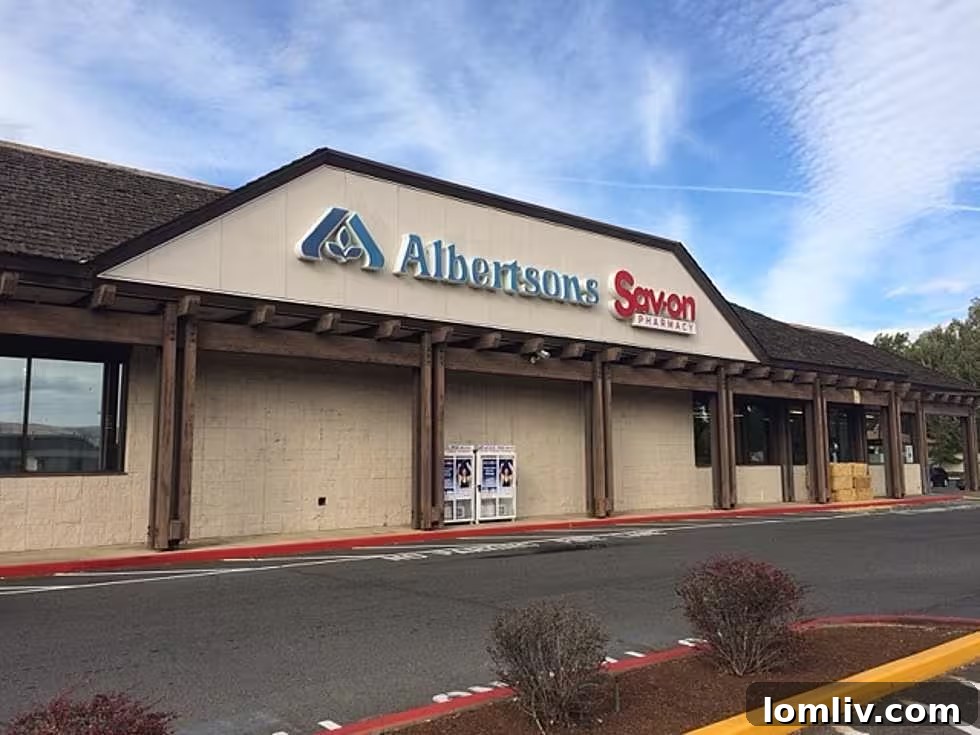
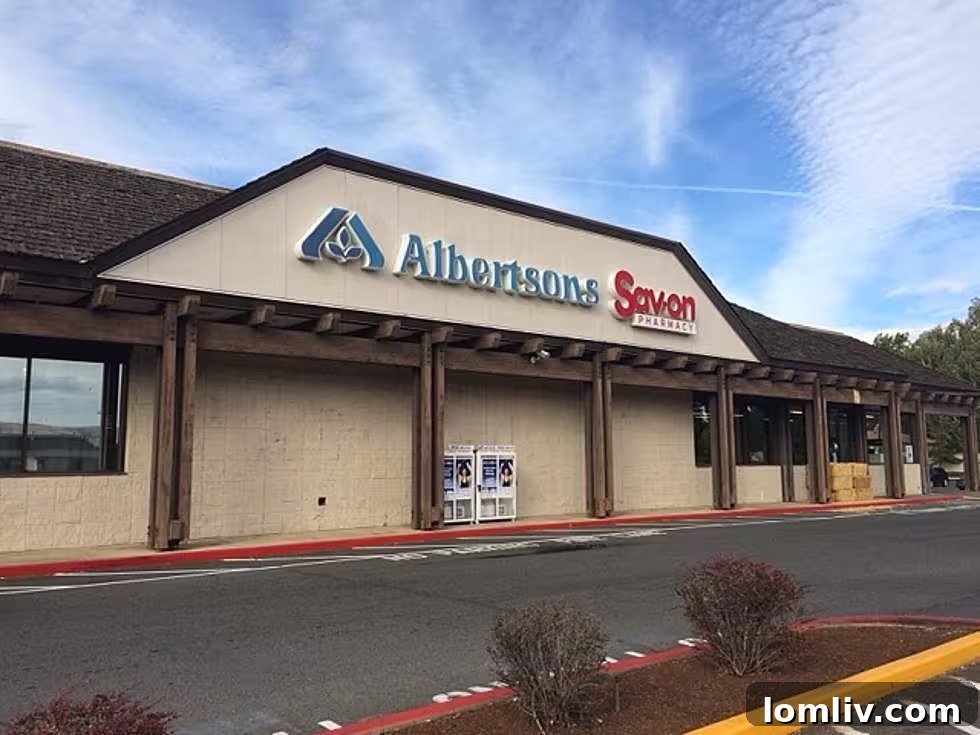
For years, the intersection of Lemmon and McKinney avenues in Uptown Dallas has been a focal point of urban development discussions. Yet, despite immense speculation and a series of grand announcements, the former Albertson’s site remains a ghost of its past, sitting stubbornly vacant. This prime piece of real estate, nestled on the bustling edge of one of Dallas’s most vibrant districts, continues to spark curiosity and frustration among residents and real estate observers alike. What exactly is happening – or not happening – with the much-anticipated Central Market development?
A Prized Location Awaits Transformation
The corner of Lemmon and McKinney is arguably one of the most coveted development parcels in Uptown. Its strategic position offers unparalleled access and visibility, making it an ideal location for a high-traffic retail anchor like Central Market, a beloved subsidiary of H-E-B. The property, currently characterized by a high security fence and a visibly worn-out parking lot, stands in stark contrast to the dynamic, upscale environment of its surroundings. For years, this empty lot has been a blank canvas, prompting locals to eagerly anticipate its transformation into a community hub. The initial excitement was palpable, with rumors circulating about not just a grocery store, but a comprehensive mixed-use complex that would redefine the area.
The Ambitious Visions That Never Materialized
The journey of the Lemmon & McKinney site has been marked by a series of ambitious proposals, each grander than the last, yet none brought to fruition. The first whispers of a significant project at this location emerged as early as 2018, hinting at an office tower and a complementary hotel. This initial vision captivated stakeholders, suggesting a multi-faceted development that would contribute significantly to Uptown’s commercial and hospitality landscape.
However, the project underwent a dramatic evolution. By February 2022, the Dallas Business Journal reported an even more ambitious plan: developer KDC was poised to commence construction in April on an expansive $295 million mixed-use project. This monumental development was projected to encompass a staggering 1.7 million square feet of space. The architectural blueprint included three stories dedicated to modern office spaces and an impressive 23 levels of luxury apartments, promising a vibrant live-work-play environment. Adding to this grand scheme was a separate five-story apartment building slated to rise adjacent to the main complex. At the heart of it all, connecting these diverse elements, was the much-anticipated Central Market, providing a premium grocery experience, complemented by a substantial four-story underground parking garage designed to accommodate the expected influx of residents and shoppers. This vision, if realized, would have undeniably transformed the area, creating a self-contained urban ecosystem and a powerful anchor for the surrounding community.
From Grand Mixed-Use to Standalone Store?
Two years after KDC’s projected construction start date, the site remains untouched, a testament to the complexities and unforeseen challenges that can plague large-scale urban developments. The original, intricate mixed-use concept appears to have lost momentum, potentially giving way to a more streamlined plan. HEB, the parent company of Central Market and the leaseholder for the property, has acknowledged the persistent interest in the site. A representative from HEB recently stated, “We’re currently looking into ways to build a store on the land where the old Albertson’s was. We hope to have more information to share in the coming months.” This carefully worded statement, while reaffirming HEB’s commitment to opening a store, strongly suggests a pivot from the previously announced 25-story mixed-use behemoth to a more conventional, standalone Central Market grocery store on the existing footprint. This shift, while still bringing a desired amenity to Uptown, would represent a significant scaling back from the original, multifaceted vision.
Unraveling the Delays: Economic Headwinds and Changing Tides
The stagnation of such a high-profile project naturally invites questions about its underlying causes. Several factors appear to have contributed to the prolonged delay and the apparent recalibration of the development strategy.
Developer KDC’s Exit and Opaque Ownership
One of the most significant developments in the saga is the withdrawal of KDC, the original developer behind the ambitious $295 million plan. KDC’s departure, for reasons undisclosed, leaves a considerable void. The current land ownership also adds a layer of mystery. According to the Dallas Central Appraisal District, the property, valued at over $21 million, is owned by Pan Coastal Management. Interestingly, this entity shares an address with Southstate Management Corp., both of which maintain a minimal online presence and have remained silent on the project’s status. This lack of transparency regarding the ownership and the reasons behind KDC’s exit complicates efforts to understand the project’s future trajectory.
Economic Headwinds and Lending Shifts
The broader economic climate has undoubtedly played a crucial role in stalling many large-scale real estate ventures, and the Lemmon & McKinney project is likely no exception. Over the past couple of years, significant shifts in monetary policy have led to a sharp increase in interest rates. For developers, this translates directly into substantially higher financing costs, making it more challenging and expensive to secure the capital required for projects of this magnitude. Higher interest rates not only increase the cost of borrowing but also affect the perceived risk and potential returns for investors, leading to greater caution. Simultaneously, lenders have adopted stricter loan standards, requiring more equity from developers and imposing more stringent conditions for project approval. These combined factors create a challenging environment for securing the substantial funding necessary for a multi-million-dollar mixed-use development, often forcing developers to either delay projects, seek alternative financing, or scale back their ambitions considerably.
HEB’s Enduring Vision and Broader Strategy in North Texas
Despite the specific challenges at the Lemmon & McKinney site, HEB’s overarching strategy for expansion into North Texas remains robust and successful. The parent company of Central Market has been aggressively expanding its footprint across the region, demonstrating a strong commitment to serving the growing Dallas-Fort Worth metropolitan area. HEB has successfully opened several new stores in various suburbs, which have been met with overwhelming enthusiasm from local communities eager for the grocery chain’s unique offerings and competitive pricing. Beyond these successful suburban ventures, HEB has clear plans for further expansion, including another Central Market location in Oak Cliff near the vibrant Bishop Arts District, further cementing its presence in key Dallas neighborhoods. Additionally, the company is introducing its discount format stores, Joe V’s Smart Shop, catering to a broader customer base. This broader context underscores that while the Uptown Dallas Central Market project faces unique hurdles, HEB’s commitment to the North Texas market is unwavering, and the company is adapting its strategies to ensure continued growth and customer satisfaction across the region.
Dallas’ Dynamic Real Estate Landscape: A Tale of Contrasts
While the Lemmon & McKinney Central Market site embodies a puzzling stagnation, it’s crucial to view this situation within the broader context of Dallas’s otherwise dynamic and generally resilient commercial real estate market. The city continues to attract significant investment and development, often outperforming many other major metropolitan areas across the nation. This resilience is primarily driven by consistent regional population growth, which fuels demand for housing, retail, and office spaces. Additionally, Dallas benefits from comparatively lower land prices than some of its coastal counterparts, making it an attractive proposition for developers despite recent economic fluctuations.
However, the market is not without its challenges. For instance, another high-profile project, the Uptown Tower on North Central Expressway, located not far from the Lemmon property, faced significant financial distress and declared bankruptcy in 2023. This illustrates the vulnerability of even well-located developments to economic pressures and financing difficulties. Yet, many other projects continue to move forward with considerable momentum. For example, at Central Expressway and Carroll Avenue, De La Vega Development and StreetLights Residential are actively collaborating on an ambitious 27-acre mixed-use development, poised to bring a new wave of residential and commercial spaces to the area. Further into the heart of Uptown, Crescent Real Estate has unveiled plans for an impressive 30-story apartment high-rise, projected to feature approximately 215 luxury units at the northern edge of the iconic The Crescent development. These ongoing projects highlight that while some specific developments encounter obstacles, the broader Dallas real estate market remains a hotbed of activity and growth, making the prolonged delay at Lemmon & McKinney all the more an anomaly.
The Road Ahead for Uptown’s Central Market
The future of the Central Market at Lemmon and McKinney avenues remains a subject of intense speculation and ongoing anticipation. While HEB has reiterated its desire to build a store, the specifics of that vision – particularly whether it will be a standalone grocery or part of a scaled-down mixed-use development – are still unclear. The community’s desire for a Central Market in Uptown is undeniable; it would bring a highly sought-after grocery option, increase foot traffic, and further enhance the neighborhood’s appeal. For now, residents and observers must continue to watch and wait. The journey of the former Albertson’s site has been a complex narrative of grand ambitions, economic realities, and shifting plans. What ultimately rises from this key piece of Uptown real estate will be a significant indicator of market trends and developer resilience in one of Dallas’s most coveted locations. The story of Lemmon & McKinney is far from over, and its next chapter is eagerly awaited by many.
This article draws information from various public sources, including DALTX Real Estate and D Magazine. For further reading, please refer to the Dallas Business Journal’s report on KDC’s initial plans: Dallas Business Journal and DALTX Real Estate for updates on the Central Market: DALTX Real Estate.