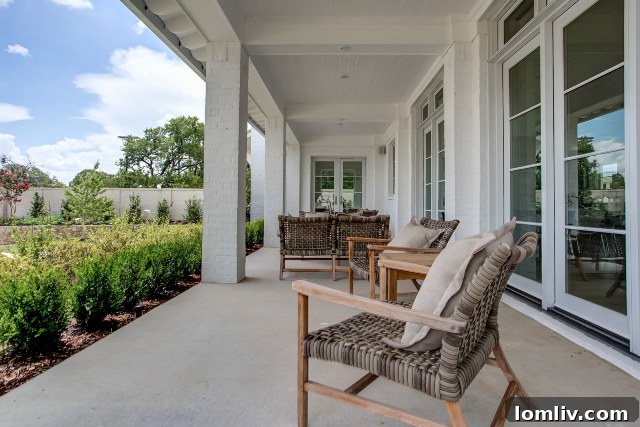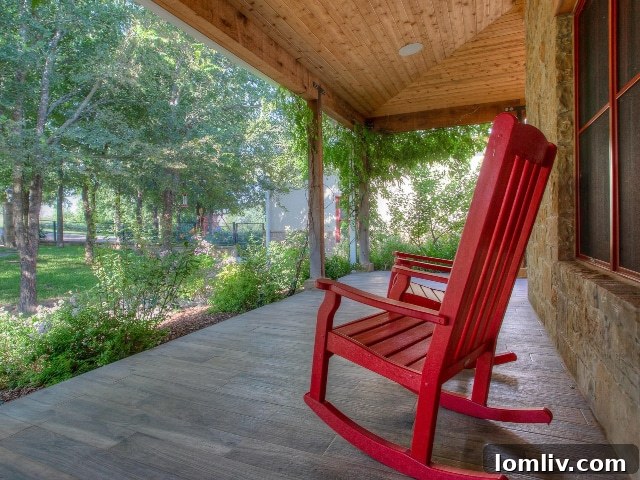
In the whirlwind of global changes ushered in by The Year of the COVID, our lives underwent profound shifts. We quickly adapted to new routines, embracing concepts like meticulous hand hygiene and navigating the world behind masks. Dining out became “food to go,” often losing a touch of its original magic, and our screens offered an endless, sometimes overwhelming, array of entertainment. While these immediate lessons were certainly impactful, a more subtle, yet equally significant, revelation emerged from this period of introspection and forced deceleration: the rediscovery of the humble front porch.
Amidst the isolation and uncertainty, many found themselves yearning for connection and simpler pleasures. It was then that an old friend, a quintessential emblem of Americana, re-entered our collective consciousness with renewed vigor: the front porch. This timeless architectural feature, once a cornerstone of community life, has staged a remarkable comeback, reminding us of its intrinsic value beyond mere aesthetics.
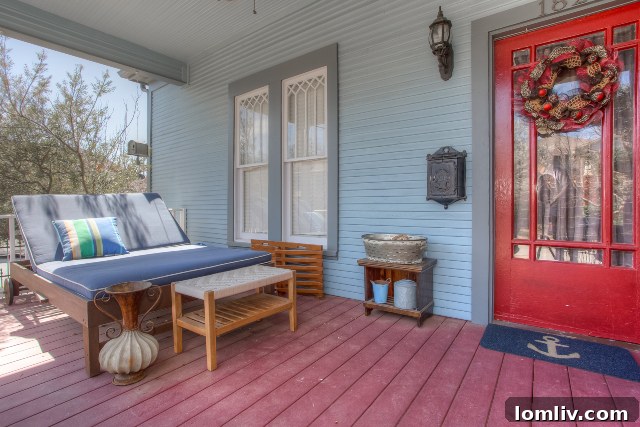
The Enduring Legacy and Curious Decline of the Front Porch
For centuries, the front porch served as a vital extension of the home, deeply embedded in the fabric of daily life and community interaction. Long before the advent of air conditioning, these sheltered outdoor spaces offered a much-needed respite from the heat, particularly after spending hours in a warm kitchen. They provided a cool, shaded sanctuary where families could gather, relax, and enjoy the fresh air during warmer months.
Beyond its climatic utility, the porch was a vibrant social hub. It was the original neighborhood social network – a casual gathering spot where neighbors exchanged pleasantries, shared news, and fostered a palpable sense of community. Children played within earshot, supervised by adults rocking gently on their porch swings, and impromptu conversations flowed effortlessly between passersby and those seated comfortably at home. This constant, gentle surveillance by friendly neighbors instilled a feeling of safety and collective well-being, turning every street into a supportive, informal watch group.
This golden age of porch culture began to wane after World War II. As millions of Americans sought new beginnings and affordable housing in burgeoning suburbs, architectural trends shifted dramatically. The intricate Craftsman-style homes with their signature deep, inviting porches gave way to more streamlined designs. The Ranch-style home, characterized by its sprawling, single-story layout, became the new darling of residential architecture. With this shift came a preference for the private backyard patio, transforming the focus of outdoor entertaining from the public-facing front to a more secluded, personal space.
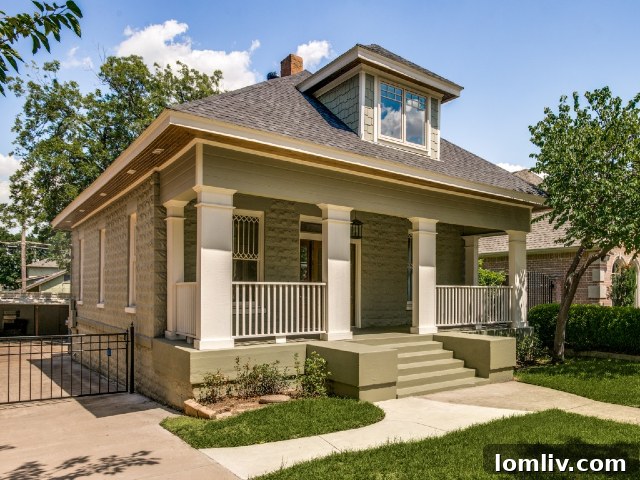
Several factors contributed to this decline. The widespread adoption of air conditioning made indoor spaces comfortable year-round, diminishing the porch’s primary function as a cooling haven. The rise of television and personal automobiles also played a part, drawing people indoors for entertainment and making neighborhoods seem less walkable, thus reducing casual street interactions. Homeowners became increasingly concerned with creating private outdoor retreats for backyard barbecues and personal relaxation, rather than fostering engagement with the streetscape and their neighbors passing by.
In contemporary home building, especially among production builders focused on maximizing square footage efficiency, the front porch often became an afterthought, viewed as an “unprofitable” expense. In a market where every square foot is meticulously calculated for cost and sale price, a deep, functional porch that doesn’t count towards heated interior space can be seen as a luxurious addition rather than a necessity. Consequently, many newly constructed homes feature porches that are barely five feet deep – a dimension that renders them largely unusable for anything more than decorative purposes or sheltering a package delivery. These shallow spaces discourage furniture placement, comfortable lounging, or genuine interaction, inadvertently isolating residents from their surroundings.
For a time, it seemed the front porch was destined to become a quaint relic of the past, its functionality overshadowed by modern preferences for privacy and indoor comfort. Was this beloved architectural element truly doomed to fade into obscurity?
The Unforeseen Renaissance: How COVID-19 Revitalized the Front Porch
Just as the future of the front porch looked bleak, The Year of the COVID arrived, fundamentally altering our perception of home and community. Suddenly, we were encouraged, even compelled, to spend more time outdoors, albeit at a safe distance from others. The pandemic underscored a profound truth about human nature: we are inherently social beings, not designed for prolonged isolation. The yearning for connection, for fresh air, and for a sense of normalcy became overwhelming.
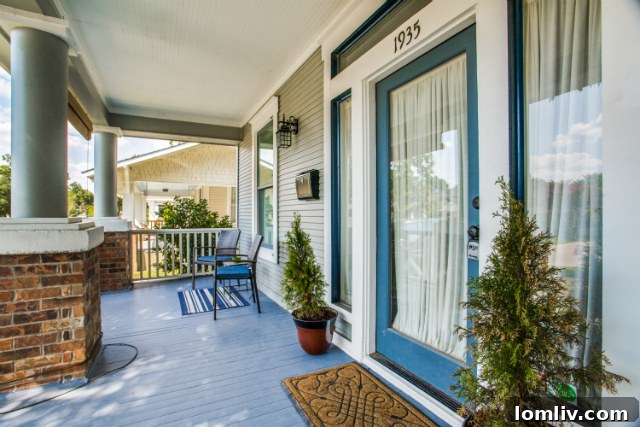
In this new landscape, the front porch, often overlooked, emerged as an invaluable asset. It offered a semi-private, yet publicly accessible, space where essential human needs could be met. From waving to neighbors on their daily walks to enjoying a morning coffee while observing the gentle rhythm of the street, the porch provided a crucial bridge between the safety of home and the outside world. It became a sanctuary for contemplation, a venue for socially distant hellos, and a subtle reminder that life, despite everything, continued on.
The lessons learned during this period have profoundly impacted current home design and buyer preferences. Homeowners and prospective buyers are now actively seeking features that enhance outdoor living and foster community interaction. This renewed appreciation for practical and inviting outdoor spaces has placed the front porch firmly back in the spotlight, signaling a potential renaissance in residential architecture.
This shift isn’t merely sentimental; it’s also practical and financially sound. A recent article highlighted in the Wall Street Journal underscored a compelling economic incentive: homes featuring well-designed, functional porches often command a higher return on investment than those without. This data provides a strong argument for builders to reconsider the porch as a valuable, value-adding feature rather than an expendable cost.
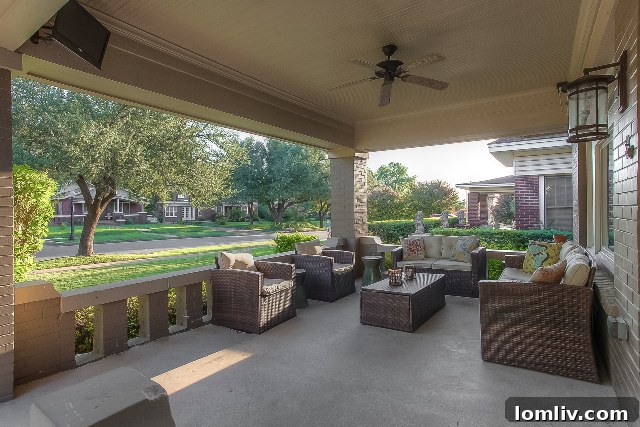
The benefits of a thoughtfully designed front porch extend far beyond mere curb appeal, though it certainly enhances a home’s aesthetic charm. A welcoming porch creates an immediate positive impression, suggesting a warm and inviting atmosphere within. From a practical standpoint, it offers a sheltered entry, protecting visitors from the elements and providing a convenient spot for package deliveries. Environmentally, a well-shaded porch can help reduce energy costs by keeping sunlight from directly hitting windows, contributing to a cooler interior in warmer climates.
More importantly, people are realizing that porches serve as vital social conduits. They provide an accessible space for informal gatherings, fostering connections with neighbors and strengthening community bonds. The simple act of sitting on a porch allows for casual observation of neighborhood life, promoting a sense of security and belonging that was once commonplace. This resurgence in appreciating the front porch underscores its role not just as an architectural detail, but as an important staple of our lives that should never be underestimated or taken for granted.
The “porch revolution” is more than just a trend; it’s a recalibration of what we value in our homes and neighborhoods. It’s an invitation to slow down, to engage with our surroundings, and to reclaim simple pleasures that enrich daily life. Whether you’re sipping your morning coffee, reading a captivating book, strumming a guitar, or simply enjoying the gentle breeze, the porch offers a peaceful retreat. It’s a place to wave to strangers pushing strollers or walking their dogs, to strike up a spontaneous conversation with a neighbor tending their yard, or to simply watch the world go by. These small interactions, facilitated by the open and inviting nature of a front porch, contribute significantly to mental well-being and a vibrant community spirit.
This renewed focus on front porches stands as one of the truly positive and enduring legacies to emerge from The Year of the COVID. While the pandemic brought countless challenges, it also prompted us to rediscover the value of human connection, outdoor living, and the simple, profound joy of a welcoming home. As we move forward, the front porch reminds us of the resilience of community and the timeless appeal of a well-designed home that nurtures both individual well-being and collective harmony.