Kilauea’s Fiery Embrace: Understanding Volcanic Risk and Essential Insurance in Hawaii
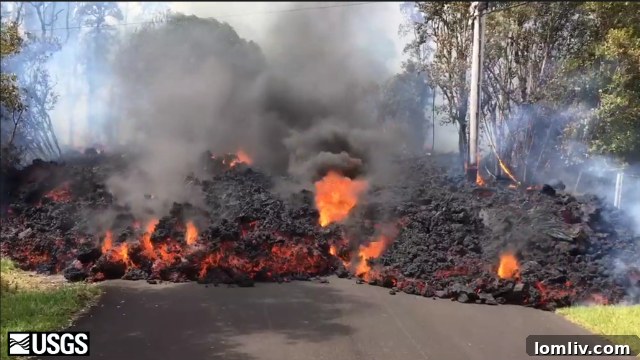
The breathtaking, yet terrifying, images emerging from Hawai’i’s Big Island have once again captured global attention as Kilauea, one of the world’s most active volcanoes, dramatically erupted into the unsuspecting Leilani Estates subdivision. This powerful natural phenomenon has seen a series of fissures—initially numbering ten and continuing to multiply—open along the volcano’s Eastern Rift Zone. This area is historically a path of intense volcanic activity, etched into the landscape by ancient volcanic ridges stretching to the south. The current eruption serves as a stark reminder of the dynamic geological forces constantly at play beneath the surface of the Hawaiian Islands, reshaping the land and challenging human settlements.
Residents of Leilani Estates and the surrounding Puna district have faced unimaginable challenges, witnessing their homes and properties consumed by slow-moving, yet relentless, lava flows. The sheer scale and unpredictable nature of Kilauea’s activity necessitate a deep understanding of geological risks and comprehensive preparedness. The spectacle of molten rock consuming roads, forests, and structures highlights the delicate balance between living in a paradise forged by volcanoes and the inherent dangers these majestic forces present. The ongoing activity not only poses immediate threats to life and property but also raises significant long-term questions about community resilience, urban planning, and the essential role of robust protective measures.
Navigating Nature’s Fury: The Critical Role of Insurance in Volcanic Zones
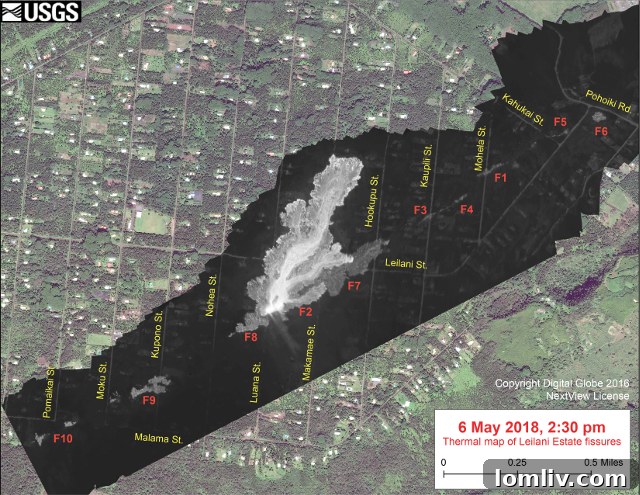
As the lava continues its destructive path, the conversation inevitably shifts from immediate safety to the daunting process of recovery and rebuilding. Next week, I will be in Hawaii on a special assignment, delving into the multifaceted perils of natural disasters and meticulously examining how insurance stands as arguably the most critical defense for areas susceptible to a diverse array of potential catastrophic events. As clearly depicted in the heat map above, a significant number of homes are precariously situated near this unfolding eruption, underscoring the immediate and profound financial risks faced by thousands. Numerous reports have already surfaced, highlighting the distressing reality that many standard homeowners’ insurance policies regrettably offer no coverage for volcanic damage.
The Harsh Reality: When Standard Policies Fall Short
The perception that a standard homeowner’s insurance policy provides an all-encompassing safety net is a dangerous misconception, particularly in regions like Hawaii. Most basic policies are designed to cover risks such as fire, theft, and certain types of weather damage, but they explicitly exclude damages caused by specific geological events like volcanic eruptions, earthquakes, landslides, and floods. This is not an oversight but a deliberate structuring by insurance companies to manage their exposure to catastrophic, widespread risks that are difficult to predict and quantify actuarially. For homeowners in Leilani Estates, this means that even if their homes are utterly consumed by lava, their “regular” insurance might offer no financial relief, leaving them to bear the full cost of their losses.
The financial implications of this lack of coverage are devastating. Families lose not only their physical homes but also their life savings, equity, and sense of security. The emotional toll is compounded by the financial burden, often leaving individuals with nothing to rebuild. This vulnerability underscores the critical importance of understanding every clause, exclusion, and rider in one’s insurance policy, especially for properties situated in areas known for their dynamic geological activity or susceptibility to other natural hazards. It’s a stark reminder that peace of mind comes not from having any insurance, but from having the *right* insurance.
Specialized Protection: A Must for Vulnerable Regions
For homeowners in high-risk areas, specialized insurance policies are not merely an option but an absolute necessity. Volcanic eruption insurance, for instance, is a specific type of coverage designed to protect against damage caused by lava flow, ashfall, volcanic gases, and other related perils. Similarly, flood insurance, often obtained through the National Flood Insurance Program (NFIP) or private insurers, is crucial for properties in flood zones, which can be exacerbated by volcanic activity altering drainage patterns. Earthquake insurance is another vital consideration for seismically active regions.
Purchasing these specialized policies requires proactive research and due diligence. Homeowners must work closely with knowledgeable insurance agents to assess their specific risks and tailor coverage that adequately protects their assets. While these policies come with additional premiums, the cost pales in comparison to the potential financial ruin of an uninsured loss. Understanding the deductibles, limits, and specific coverages of these policies is paramount. It’s also important to note that sometimes there’s a waiting period before specialized coverage becomes active, meaning homeowners cannot simply purchase it once an event like the Kilauea eruption has already begun.
Building Resilience: Real Estate, Development, and Disaster Preparedness
Beyond individual insurance policies, the Kilauea eruption forces a broader societal reflection on how we plan, build, and inhabit areas prone to natural disasters. Communities in vulnerable regions face the perpetual challenge of balancing economic development and population growth with the inherent risks. Building codes play a crucial role, dictating construction standards designed to withstand specific hazards, though these are constantly evolving and may not always anticipate events of extreme magnitude. Zoning laws also aim to guide development away from the most hazardous areas, yet the allure of picturesque landscapes or affordable land often draws people into harm’s way.
YIMBY and the Future of Development in Risky Zones
The “Yes In My Backyard” (YIMBY) movement, which advocates for increased housing density and development, often focuses on urban centers facing housing shortages. However, the principles of balancing supply and demand, and the challenges of land availability, resonate even in more rural or unique settings like Hawaii. The Kilauea situation highlights a critical tension: while there’s a desire for housing and development in desirable areas, even those with inherent risks, there’s also a fundamental need to ensure safety and long-term sustainability. How do we responsibly encourage growth and address housing needs without inadvertently placing more communities in harm’s path?
This challenge requires a nuanced approach, integrating robust geological assessments, updated building codes, comprehensive public education on risks, and innovative urban planning strategies. The long-term impacts on property values in affected areas can be severe, leading to market instability, reduced investment, and even community migration. The disaster acts as a catalyst for a deeper conversation about the ethics of developing in known hazard zones, the responsibilities of developers, and the role of government in protecting its citizens while respecting individual property rights. Ultimately, fostering truly resilient communities means more than just rebuilding; it means rebuilding smarter, with an acute awareness of the natural forces that shape our world.

Beyond the Headlines: A Deeper Look at Architecture and Urban Living
My professional focus often gravitates toward the intricacies of high-rises, the dynamics of Homeowners Associations (HOAs), and the transformative potential of renovation projects. Yet, my appreciation extends far beyond these specifics, embracing the delicate balance between modern and historical architecture and the pragmatic considerations brought forth by movements like YIMBY. The Kilauea eruption, while seemingly distant from urban skylines, offers profound lessons that resonate across all forms of development and architecture.
The structural integrity of buildings, whether a high-rise in a seismic zone or a historical home in a flood plain, is paramount. HOAs often play a critical role in community-level disaster preparedness, managing common property insurance, and coordinating emergency responses – lessons from Leilani Estates could inform their protocols. Renovation, too, is not just about aesthetics; it’s an opportunity to retrofit structures for greater resilience against natural forces, making them safer and more sustainable. The events in Hawaii underscore that architecture is not merely about form and function, but about creating spaces that can endure, protect, and adapt in the face of nature’s awesome power.
Conclusion: Learning from the Lava
The Kilauea eruption in Leilani Estates is a powerful, ongoing testament to the raw power of nature and the inherent risks of living in geologically active regions. It serves as an urgent call for heightened disaster preparedness, a thorough understanding of insurance coverage, and responsible urban planning. For homeowners, the lesson is clear: specialized insurance for specific regional hazards like volcanic eruptions, floods, or earthquakes is not a luxury, but a fundamental safeguard for financial stability and peace of mind. For communities and policymakers, the challenge lies in fostering resilience through robust building codes, intelligent zoning, and comprehensive public education, ensuring that development is sustainable and that inhabitants are adequately protected against the inevitable forces of our planet.
We must learn from these fiery lessons, recognizing that while we cannot prevent natural disasters, we can significantly mitigate their impact through foresight, planning, and proactive measures. The beauty and majesty of places like Hawaii are inextricably linked to the very forces that can cause such devastation, demanding from us a respectful and prepared approach to coexistence.
About the Author: Insights on Real Estate, Architecture, and Resilience
My work consistently explores the multifaceted relationship between people and their built environments, from the towering high-rises that define urban living to the intricate governance of HOAs and the art of architectural renovation. I am particularly fascinated by how modern design and historical preservation converge, and how these elements are challenged and reshaped by movements like YIMBY. My commitment to insightful reporting has been recognized by the National Association of Real Estate Editors, which honored my writing with two Bronze (2016, 2017) and two Silver (2016, 2017) awards in 2016 and 2017.
Have a compelling story to share, a perspective to offer, or perhaps even a marriage proposal to make? I’m always eager to hear from my readers. Feel free to shoot me an email at [email protected]. You’re also welcome to look for me on Facebook and Twitter – while you might not find me there, the attempt is always appreciated!