Dallas Real Estate Magnate Sherman Roberts Pleads Guilty in Sweeping Bribery Scandal
A significant blow to public trust and ethical governance has been dealt in Dallas, Texas, as prominent real estate developer Sherman Roberts, aged 70, has formally admitted his guilt in a federal court. Roberts, a figure once at the helm of the City Wide Community Development Corporation, pleaded guilty to charges of bribing two former Dallas city officials. These illicit payments were orchestrated to secure preferential treatment and crucial support for his various apartment development projects, thereby bypassing proper procedure and undermining fair competition. The revelations, brought to light by federal authorities, expose a calculated scheme designed to manipulate the city’s development process for personal and corporate gain, raising serious questions about the integrity of urban planning and public service in the region.
The Architects of Corruption: Roberts, Caraway, and Davis
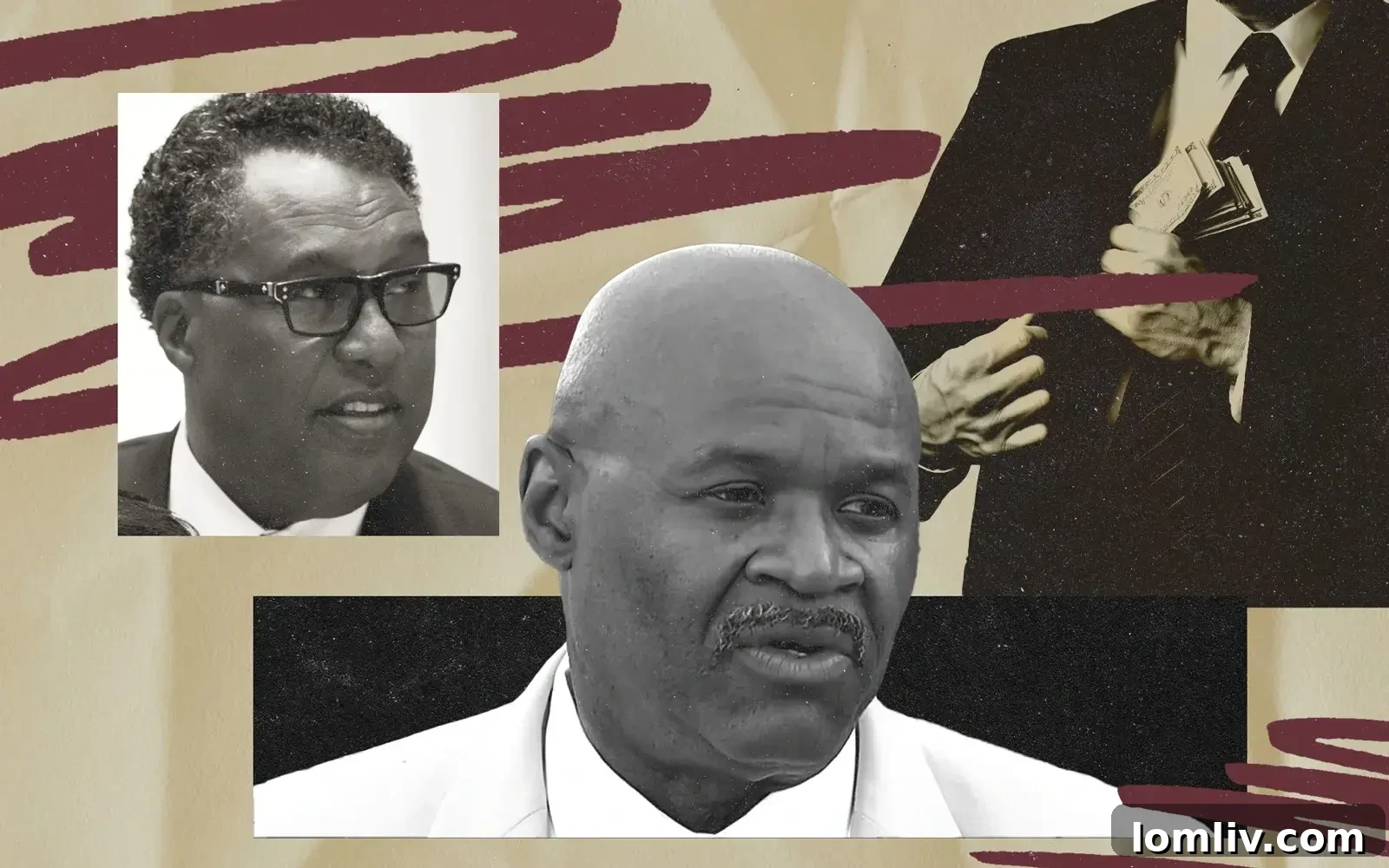
The intricate web of corruption involved substantial bribes directed at key municipal figures. The two primary recipients of Roberts’ illegal largesse were Dwaine Caraway, who previously held the influential position of Dallas Mayor Pro Tem, and Carolyn Davis, a former member of the Dallas City Council. These officials, entrusted with serving the public interest, instead became complicit in a scheme that prioritized private profit over community needs. The plea agreement from Roberts details a pattern of payments made over an extended period, illustrating a deliberate strategy to embed his projects within the city’s agenda through illicit means.
Carolyn Davis’s Role: Lobbying, Loans, and Lucrative Demands
The court records shed light on the explicit quid pro quo arrangement between Roberts and Carolyn Davis. In exchange for the financial inducements, Davis became an active advocate for Roberts’ development ventures within city hall. Her lobbying efforts were particularly instrumental for projects such as Serenity Place, Runyon Springs, and Patriot’s Crossing. Her influence was critical in advancing requests for highly sought-after low-income housing tax credits – a vital component for making affordable housing projects financially viable. Perhaps the most blatant act of corruption involving Davis was her vote to approve a substantial $1.9 million loan specifically earmarked for the Serenity Place project.
The immediate aftermath of this vote revealed the audacious nature of their collaboration. Court records indicate that Roberts sent a celebratory text message to Davis shortly after the loan’s approval, a communication that openly acknowledged their “financial gain.” This brazen exchange underscored the clear transactional relationship at play. Approximately a month later, demonstrating an escalating pattern of demand, Davis contacted Roberts to request additional payments, to which Roberts readily agreed. This continuous cycle of bribery highlights a deeply entrenched system of graft, where public service was openly monetized. Davis, while having pleaded guilty to bribery charges, tragically passed away before she could face her sentencing, leaving many questions about the full extent of her involvement unanswered by a final judicial verdict.
Dwaine Caraway’s Collusion: Eliminating Competition for Personal Gain
Former Mayor Pro Tem Dwaine Caraway’s involvement with Sherman Roberts was equally insidious, focusing on manipulating competitive processes to favor Roberts’ interests. Their collaboration was specifically aimed at preventing any rival bids for development projects, thereby ensuring that lucrative contracts, most notably the Patriot’s Crossing project, were exclusively awarded to Roberts. This deliberate obstruction of fair competition not only violated ethical standards but also deprived the city of potentially better or more cost-effective development solutions. In return for these illicit favors, Caraway received a combination of direct cash payments and a regular monthly stipend, effectively putting his public office up for sale. The extent of Caraway’s betrayal of public trust was revealed when he was convicted in 2019 for conspiracy and tax evasion. He subsequently received a significant prison sentence exceeding four years, a clear demonstration of the federal government’s commitment to prosecuting public corruption at the highest levels.
The Broader Web: A Pattern of Systemic Corruption in Dallas Development
Sherman Roberts’ conviction is not an isolated incident but rather a crucial piece of a much larger, ongoing bribery scandal that has plagued Dallas’s real estate and municipal sectors. This broader investigation has uncovered a deeply rooted culture of corruption involving multiple developers and city officials, all engaged in similar illicit schemes to unlawfully influence urban development projects. The federal authorities have actively pursued justice in these interconnected cases, with other prominent developers, including Devin Hall and Russell Hamilton, also facing charges for their involvement in comparable bribery activities. These parallel investigations underscore a systemic problem where the integrity of public procurement and ethical governance was severely compromised, impacting the very fabric of community development and fair access to resources in Dallas. The scale of the scandal suggests a long-standing environment where such practices were allowed to flourish, highlighting the urgent need for heightened transparency and accountability mechanisms within the city’s administrative processes.
The Consequences: Sherman Roberts Faces Justice
With his guilty plea, Sherman Roberts now faces the stark reality of federal justice. He is looking at a potential maximum sentence of five years in a federal prison, a significant penalty that reflects the gravity of his crimes and the damaging impact of public corruption. His sentencing has been officially scheduled for March 2025, marking a crucial date in this unfolding saga of ethical breaches and legal reckoning. This impending sentence serves as a powerful reminder that even those who operate within the complex world of real estate development are not above the law, and that efforts to undermine democratic processes through bribery will be met with severe consequences. The resolution of Roberts’ case is a critical step in restoring faith in Dallas’s governance and reinforcing the principle that public office is a trust, not an opportunity for personal enrichment.
The Unseen Impact: Eroding Public Trust and Undermining Community Development
Beyond the legal ramifications for the individuals involved, this pervasive bribery scandal carries profound implications for the Dallas community. The manipulation of low-income housing tax credits, intended to provide affordable living options for vulnerable populations, is particularly egregious. When such essential programs are corrupted, they fail to serve their intended beneficiaries, exacerbating social inequalities and eroding the very trust necessary for effective urban planning. The public’s confidence in its elected officials and the development industry is severely shaken, leading to cynicism and disengagement. This case, therefore, is not merely about a few corrupt individuals but about the systemic vulnerabilities that allowed such an environment to persist. It highlights the urgent need for robust ethical frameworks, stringent oversight, and unwavering commitment from both public servants and private developers to uphold integrity and transparency in all dealings that affect the lives and well-being of the community.
Moving Forward: A Call for Transparency and Accountability
The Sherman Roberts case and the broader Dallas bribery scandal serve as a stark reminder of the continuous battle against corruption in municipal governance and real estate development. It underscores the critical importance of vigilance, transparency, and accountability in safeguarding public resources and ensuring equitable urban growth. For Dallas to move forward, there must be a renewed commitment to ethical practices, strict enforcement of anti-bribery laws, and a culture that prioritizes public interest over private gain. This incident, while damaging, offers an opportunity for introspection and reform, pushing city leaders and developers alike to embrace higher standards of conduct. Only through unwavering dedication to integrity can the city rebuild trust, foster sustainable development, and ensure that future projects truly serve the diverse needs of all its residents, free from the shadow of illicit influence.