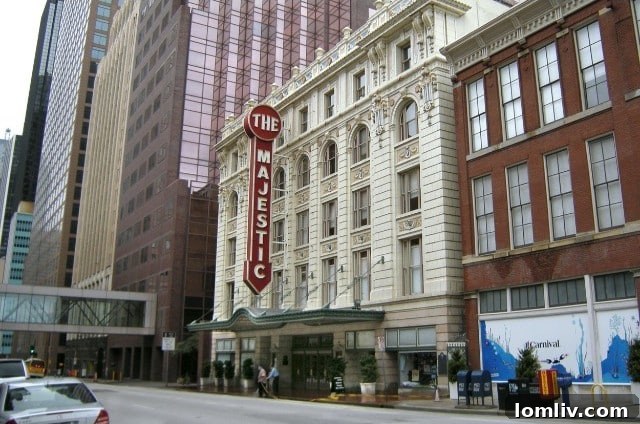
When the conversation turns to historic preservation, the vibrant city of Dallas might not immediately spring to mind. Often dubbed the “Oz of the Southwest,” Dallas is frequently perceived as a landscape perpetually under construction, where towering, gleaming skyscrapers seem to materialize overnight. Yet, beneath this facade of relentless modernity lies a city brimming with history, a treasure trove that has consistently captivated the imagination of television producers, commercial directors, and filmmakers alike. Dallas isn’t just sought after for its impressive skyline; it boasts an incredible diversity of settings, from sprawling ranches and quaint historic districts to bustling urban centers. Unfortunately, this rich architectural tapestry is constantly under threat as iconic and historically significant locations are lost to demolition. This trend represents a profound detriment to Dallas on multiple levels, especially impacting its flourishing film industry and its potential for cultural tourism.
Understanding the deep connection between preserving our past and securing our future is crucial for Dallas. Our historic buildings and neighborhoods are not merely relics; they are living backdrops that tell stories, provide unique character, and draw invaluable economic investment through film production. By failing to protect these irreplaceable assets, we are inadvertently eroding a vital part of our identity and undermining a significant economic driver.
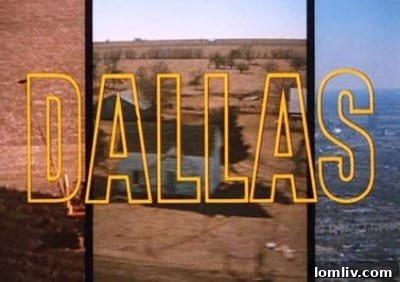
Dallas: A Cinematic Canvas and the Rise of the Third Coast
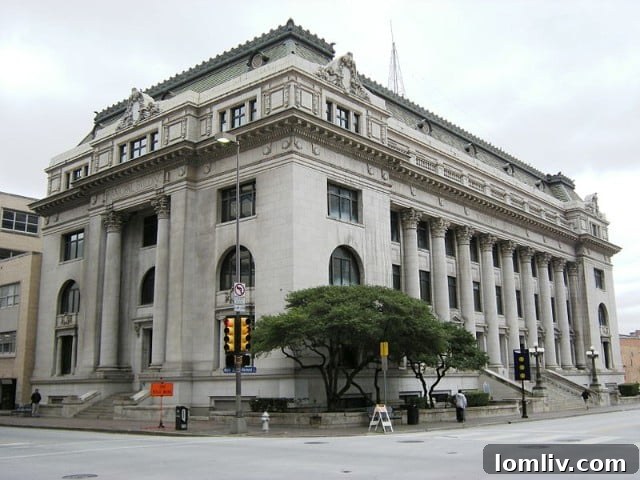
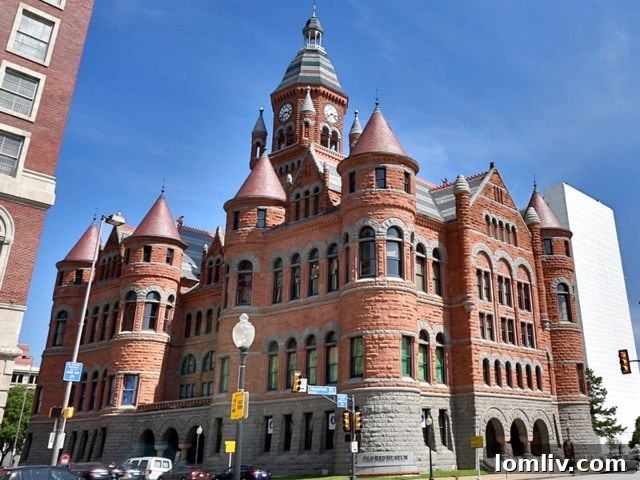
The iconic opening scenes of “Dallas,” the beloved American primetime soap opera that premiered in 1978, masterfully portrayed our city as a dynamic and modern metropolis. Yet, alongside these contemporary vistas, viewers were also treated to glimpses of oil wells, sprawling ranches, elegant historic homes, and century-old buildings, all interwoven into the distinctive architectural fabric of Dallas. This groundbreaking show undeniably put our city on the global map, transcending its previous association solely with a tragic historical event. Suddenly, Dallas was no longer just a place; it was Hollywood, baby! Throughout the 1980s, the burgeoning film community recognized Dallas as the “Third Coast,” a testament to its rising prominence as a preferred production hub.
As Dallas gained recognition, filmmakers weren’t solely drawn to its ultra-modern structures, such as the futuristic Apparel Mart, famously utilized in the dystopian saga Logan’s Run, starring Texas native Farrah Fawcett. Nor was it exclusively the striking I.M. Pei-designed City Hall, which served as a memorable backdrop in RoboCop. Increasingly, it was Dallas’s rich historic districts, its grand old homes, and its character-filled buildings that became an irresistible magnet for creative professionals. These locations offered a depth and authenticity that modern structures simply couldn’t replicate, providing a versatile palette for storytelling across genres and eras.
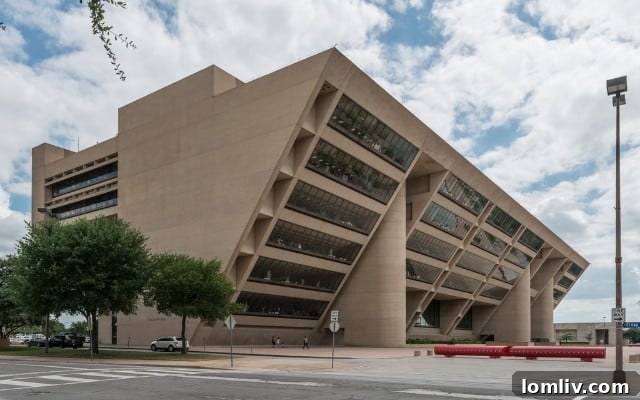
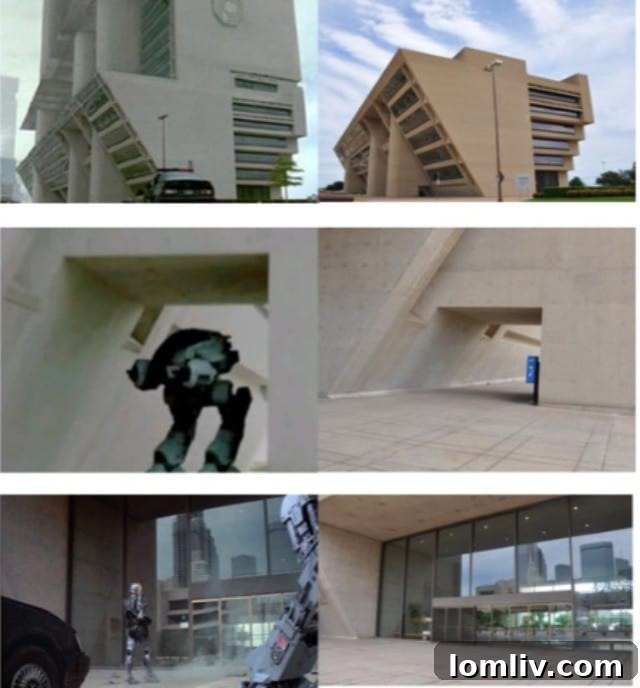
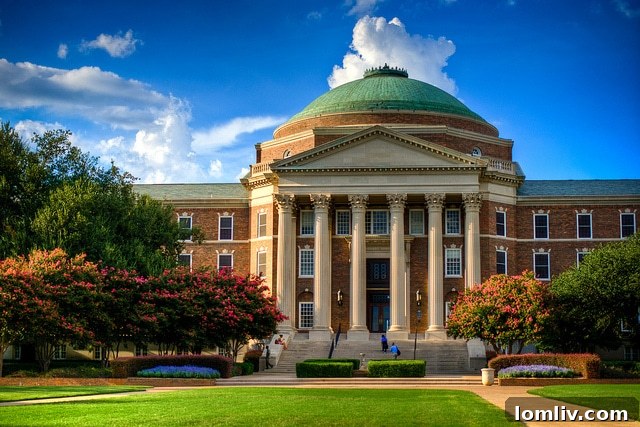
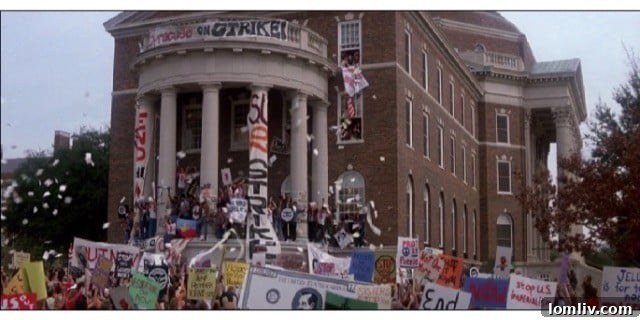
The 1980s were a golden age for Dallas film production. Crews were a regular sight, animating the charming streets of Munger Place, the tree-lined avenues of Junius Heights, the grand residences of Swiss Avenue, and the vibrant arts district of Deep Ellum almost every week. The original Aldredge House on Swiss Avenue, a stately historic manor, served as the iconic initial home for the Dallas series, grounding the fictional world in authentic local heritage. Esteemed director Oliver Stone recognized Dallas’s unique appeal, returning three times to shoot critically acclaimed films such as Talk Radio, Born on the Fourth of July, and JFK. Hollywood’s insatiable demand for Dallas locations was clear, underscoring the city’s versatility and cinematic charm.
The Irreplaceable Value of Historic Film Locations: A Call for Preservation
The symbiotic relationship between historic preservation and the film industry is undeniable. “Historic preservation and film go hand-in-hand,” emphasizes Janis Burklund, Dallas Film Commissioner. “Every time we lose a historic building, I think, there goes another great location. It’s not just the beautiful historic homes, but also places like the Bronco Bowl and the Sportatorium that were used all the time. They are a huge loss to the film community.” The demolition of such sites doesn’t just erase a building; it eradicates a piece of cinematic history and diminishes Dallas’s future appeal as a film destination.
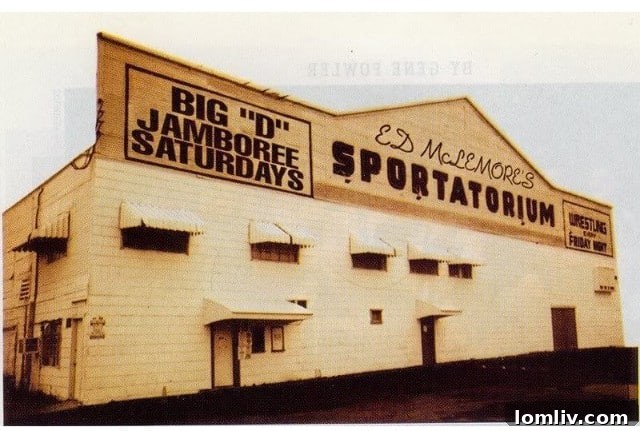
Consider the potential of the Bronco Bowl. With the remarkable resurgence of Oak Cliff, this historic venue could have been as significant an attraction and cultural hub as The Kessler. However, realizing such potential requires a community that truly grasps the multifaceted nature of historic preservation. It’s not solely about meticulously restoring a grand home from the 1920s; it’s often about recognizing the unexpected value in diverse structures. A seemingly unassuming dive bar like Ships in East Dallas, or a cavernous warehouse deep in The Cedars, can be transformed into an Iraqi neighborhood by talented set builders, offering unparalleled authenticity and flexibility for production crews. As Burklund succinctly puts it, “You want everything. The more diversity we have of locations, the better. We want all socio-economic backgrounds and periods.” This diversity is precisely what historic preservation provides.
The message is clear: directors and producers consistently choose Dallas as their star location precisely because of this unique mix of settings. This choice has tangible financial benefits for the city. “The annual average economic impact for Dallas is over 200 million,” Burklund reveals, highlighting the substantial financial infusion that the film and television industries bring to the local economy.
The profound connection between historic preservation and film is beautifully exemplified by The Night of the White Pants, starring Selma Blair. This film was directed by Amy Talkington, a celebrated writer for Hulu’s Little Fires Everywhere and, significantly, the daughter of legendary Dallas preservationist Virginia Savage McAlester. It’s no surprise, then, that iconic Dallas locations such as Swiss Avenue, Deep Ellum, and The Adolphus Hotel prominently feature in the movie. This intergenerational legacy demonstrates how a deep appreciation for historical architecture can directly inspire and facilitate contemporary cinematic art.
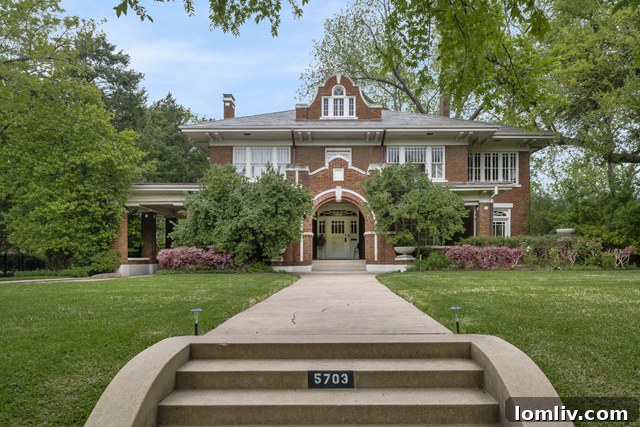
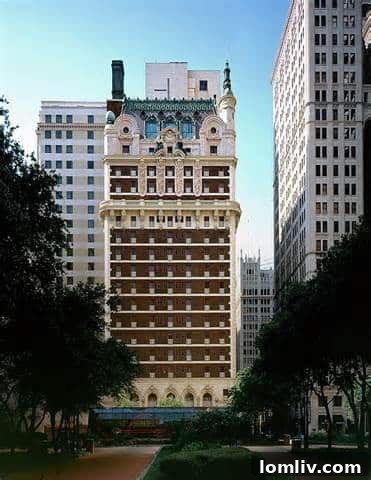
This reality underscores a critical point: historic preservation actively nurtures and attracts film, television, and commercial production. It’s an investment that pays dividends, both culturally and financially.
Save It, and They Will Come: Insights from Industry Veterans
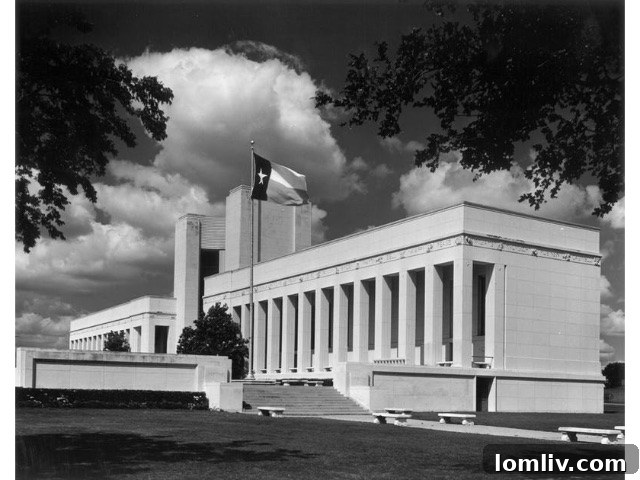
Kim Davis, a veteran location scout in Dallas with over three decades of experience, firmly believes in the power of preservation. “Save it and they will come! What makes a place unique is the variety of architecture and historic architecture. One of our gems is Fair Park. It’s the largest collection of art deco outside of South Beach and a great place to film.” Her words highlight that authenticity and unique architectural styles are often the primary draw for filmmakers seeking distinctive backdrops that cannot be easily replicated on a soundstage or found in cities dominated by modern, homogenous structures. Fair Park, with its unparalleled Art Deco grandeur, stands as a prime example of a historic site that continuously offers cinematic potential.
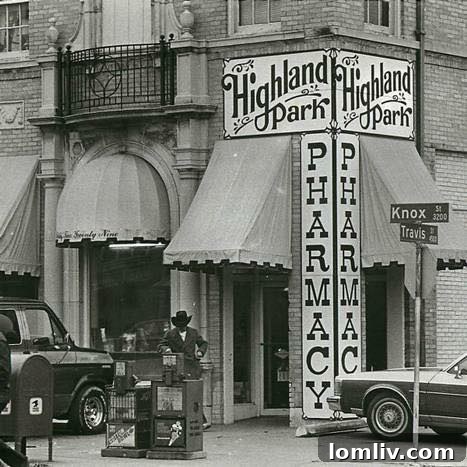
Paul Jensen, Executive Director at the Texas Motion Picture Alliance, recounts his observations from living in Dallas in the early 2000s: “I saw first-hand the fact progress was winning at the expense of history. Just look at what no longer exists.” He cites a poignant example: “Owen and Luke Wilson shot their first short using the Highland Park Pharmacy soda fountain,” a beloved local institution that has since vanished. These lost landmarks are not merely sentimental losses; they are the erasure of potential film history and cultural touchstones that could have continued to attract productions for generations.
The Magnolia Effect: Film Tourism and Economic Transformation
The profound economic impact generated by the synergy of historic locations and media production is strikingly demonstrated by the HGTV show “Fixer Upper.” Before Chip and Joanna Gaines transformed Waco, Texas, into a household name, few travelers stopped there for anything more than a quick Dairy Queen cone on their way to Austin. Today, this phenomenon is widely known as “The Magnolia Effect.” It serves as irrefutable evidence that a popular television show can not only elevate a city’s profile but also single-handedly create an entirely new industry, turning a formerly overlooked town into a bustling cultural landmark and tourist destination.
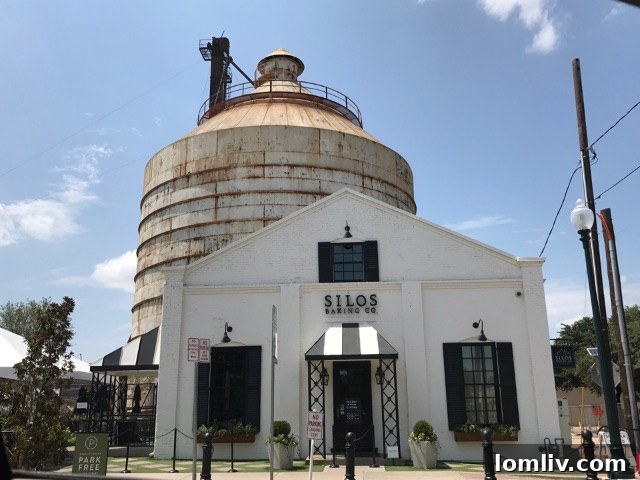
Jensen further elaborates on this correlation: “There is a genuine correlation between tourism based on film and television locations. You can see that playing out in places like Dubrovnik, where people travel just to see Kings Landing from ‘Game of Thrones.'” This global trend highlights an undeniable truth: audiences are increasingly drawn to experience the places they see on screen. Prior to the pandemic, the impact on Waco was immense, with four buses reportedly departing New York weekly for Magnolia tours. This raises a critical question for Dallas: Are we, in the name of unchecked progress, dismantling landmarks that could serve as future tourism magnets and, in doing so, hindering our economic potential?
A Resurgence in Texas: Incentives, Opportunity, and Economic Impact
Historically, Texas was a incredibly vibrant destination for filming due to attractive incentive programs. However, as other states began to aggressively compete, Texas lost significant leverage in attracting major productions. Fortunately, this trend is reversing. “We have a competitive program now so, we’ve seen a resurgence in film and television production,” Jensen affirms. “We can begin to compete with Louisiana and Georgia.” This renewed competitiveness is crucial because film and television production brings substantial economic benefits. The unprecedented challenges of COVID-19 significantly hampered production capabilities in traditional hubs like New York and Los Angeles. A considerable portion of this production could readily shift to Texas, especially Dallas, given its existing infrastructure and diverse locations. “There will be a real demand for content. We have a serious opportunity when we need it the most,” Jensen concludes, pointing to a golden window for Dallas to reassert its role as a premier production hub.
The economic impact of film production is immediate and widespread. As Kim Davis eloquently explains, “Think about what is spent. There is an immediate impact on the hotel, restaurant, and housing industries.” When film crews descend upon Dallas, they aren’t just bringing cameras; they are injecting capital directly into the local economy. “We provide location fees to home and building owners, hire local crews, police officers, and purchase everything we need, locally.” Beyond the immediate financial boost, there’s also a significant charity aspect. “We give away a lot of stuff when production ends,” Davis notes. Former Governor Ann Richards famously encapsulated this sentiment with her witty remark: “We just love you people in Hollywood. You come here, spend money, and take your trash with you!” This humorous observation underscores the mutually beneficial relationship that film production fosters with local communities.
Iconic Landmarks Saved: A Testament to Preservation’s Power
Ultimately, the history of preservation extends far beyond the physical structures themselves; it is about safeguarding the compelling stories and rich narratives embedded within these places. “The Statler Hotel is a real success story,” Kim Davis proudly states. “I’m so proud that was saved. It was one of the last examples in Dallas of that kind of architecture and they did a great job on preservation.” The Statler’s restoration is not just an architectural triumph; it revived a piece of Dallas’s cultural lore. “It’s where Tina Turner left Ike! They had the big fight and she ran through town to the Ramada, now the Lorenzo Hotel, and offered up her wedding ring if the manager would give her a room.” These captivating stories, woven into the very fabric of historic buildings, provide an invaluable, authentic layer that filmmakers constantly seek.
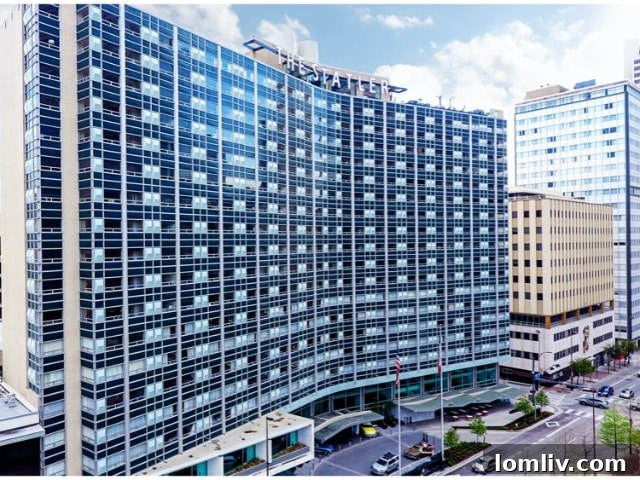
Photo courtesy of AG Media
Historic preservation is more than a cultural imperative; it is deeply interwoven into the prosperity of our film industry and can very well be the catalyst that propels Dallas onto a robust path of economic recovery. The film community and dedicated historic preservationists already understand the immense value inherent in our city’s heritage. Now, it is imperative for our city council to heed this wisdom, recognizing and placing tangible value where historic preservationists and the film community unequivocally know it already exists. By prioritizing the protection of our historical assets, Dallas can ensure its continued growth as a vibrant cultural center and a thriving cinematic destination for generations to come.