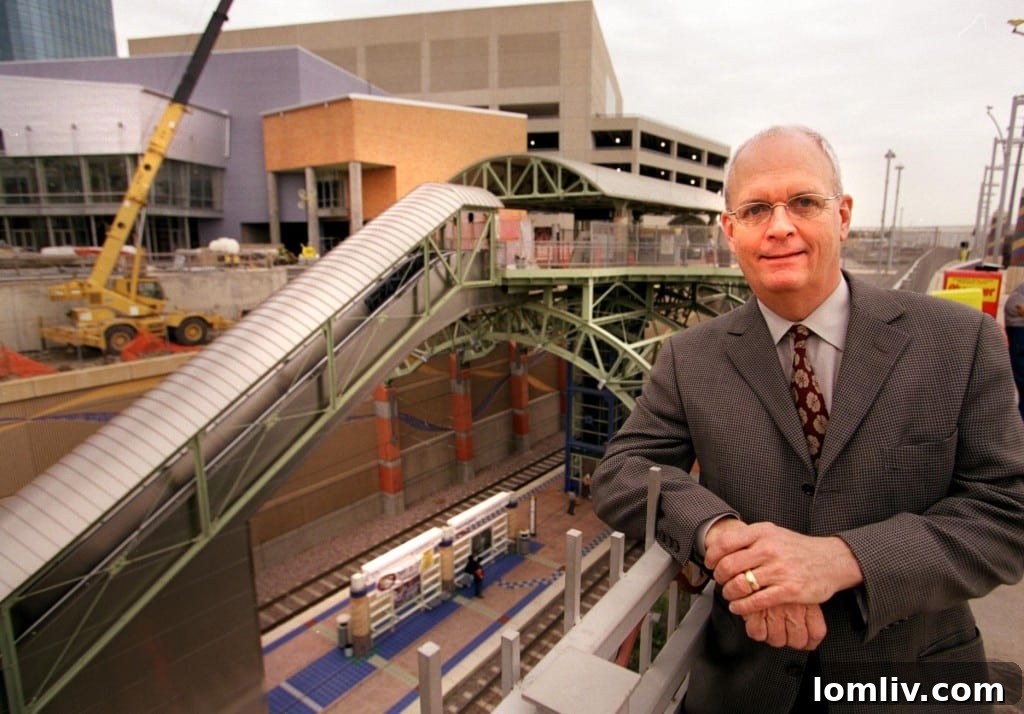
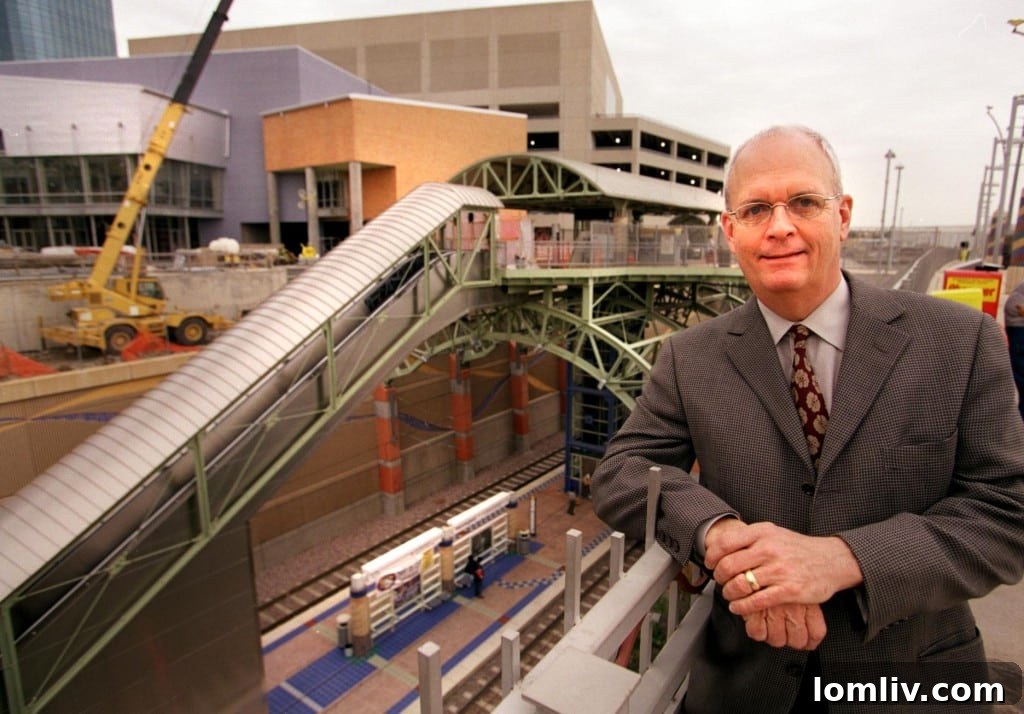
The Dallas community, and indeed the entire North Texas region, mourns the passing of a true pioneer in urban development, Ken Hughes. As the visionary behind Mockingbird Station, a groundbreaking transit-oriented development that redefined urban living and set a new benchmark for mixed-use projects, Hughes’ legacy is indelibly etched into the fabric of Dallas. His departure marks the end of an era for a man whose innovative thinking and dedication to thoughtful urban planning transformed landscapes and inspired countless subsequent projects. The profound sadness felt across the industry reflects the lasting impact of his contributions, particularly in shaping how Dallas interacts with its public transit infrastructure.
Ken Hughes was far more than just a developer; he was an urban alchemist, capable of transforming underutilized spaces into vibrant, self-sustaining communities. Mockingbird Station, his magnum opus, was strategically anchored to the DART Rail station on Mockingbird Lane, conveniently situated near US 75. When it first opened its doors in 2001, the concept was nothing short of revolutionary for Dallas. It wasn’t merely a collection of buildings; it was a cohesive ecosystem designed to integrate residential, retail, office, and entertainment spaces, all seamlessly connected by public transportation. This forward-thinking approach challenged traditional suburban sprawl, advocating for a more sustainable, walkable, and community-centric urban model that has since become the gold standard for many of Dallas’ most successful urban mixed-use endeavors.
Hughes’ journey into the world of real estate began long before Mockingbird Station became a household name. He honed his skills and gained invaluable experience working for the legendary Henry S. Miller, a titan in the local real estate scene. This early apprenticeship provided him with a deep understanding of market dynamics, an eye for potential, and the foundational knowledge required to undertake ambitious projects. His early career was characterized by a keen intellect and a burgeoning reputation for innovative problem-solving, qualities that would later define his most iconic works. This period was crucial in shaping his philosophy, fostering a belief in projects that not only generated profit but also contributed positively to the urban environment and the lives of its inhabitants.
The true genius of Mockingbird Station lay in its pioneering adoption of the Transit-Oriented Development (TOD) model. Before its inception, Dallas’s urban landscape was largely characterized by car-dependent sprawl, with separate zones for living, working, and shopping. Hughes envisioned something different: a dynamic hub where residents could live, work, dine, shop, and entertain themselves without ever needing a car. This integration of diverse functions around a central transit point was a bold departure, offering a compelling alternative to long commutes and isolated suburban living. Mockingbird Station became a living laboratory for this concept, demonstrating how accessibility to public transportation could enhance quality of life, reduce traffic congestion, and foster a stronger sense of community. Its design encouraged pedestrian activity, creating lively streetscapes and public plazas that invited interaction and engagement, thereby becoming a blueprint for future developments aiming to achieve similar levels of vibrancy and connectivity.
The success of Mockingbird Station resonated far beyond its immediate vicinity. It proved that Dallas was ready for a more sophisticated, urbanized lifestyle, sparking a ripple effect across the region. Developers and urban planners began to look at DART stations not just as transit stops but as catalysts for revitalized neighborhoods. The mixed-use formula pioneered by Hughes became a sought-after model, influencing everything from large-scale district redevelopments to smaller infill projects. Its success demonstrated the commercial viability of TODs, showing that density and diversity of uses could lead to thriving economic centers and desirable residential areas. Mockingbird Station didn’t just meet a market need; it created one, cultivating a demand for walkable, amenity-rich urban environments that continue to shape Dallas’s growth trajectory.
While Mockingbird Station stands as his most celebrated achievement, Ken Hughes’ portfolio of transformative projects extended throughout North Texas and beyond. As Steve Brown reported, Hughes’s visionary touch was also evident in other significant developments. He was instrumental in shaping The Quadrangle in Uptown, another early mixed-use concept that blended retail, office, and entertainment, playing a crucial role in establishing Uptown as one of Dallas’s premier districts. His work on 3311 Oak Lawn further contributed to the sophistication of Dallas’s commercial real estate, showcasing his versatility and commitment to quality design. Even outside of Dallas, Hughes made his mark, notably with the Pavilion shopping center in Houston, demonstrating his ability to identify and capitalize on market opportunities across diverse geographies. Furthermore, his early involvement in handling the leasing of retail space in downtown’s iconic Plaza of the Americas underscored his comprehensive understanding of commercial real estate and his ability to contribute to complex, high-profile urban projects.
The impact of Ken Hughes cannot be overstated. He wasn’t merely constructing buildings; he was building communities, fostering connectivity, and enhancing the urban experience. His ability to foresee the potential of transit-oriented development and to execute such a complex vision with Mockingbird Station cemented his reputation as a true industry leader and a visionary thinker. He challenged conventional wisdom, pushed boundaries, and ultimately left an indelible mark on how Dallas views and develops its urban landscape. His work inspired a generation of developers and urbanists to think more holistically about the relationship between infrastructure, commerce, and daily life.
Michael Jackson, a longtime family friend and partner with Wynne/Jackson Inc., eloquently summarized the sentiment shared by many in the industry, stating, “The world has lost a great man and a visionary real estate developer.” This tribute highlights not only Hughes’ professional prowess but also the personal integrity and leadership that characterized his career. He was a force for positive change, consistently striving for excellence and innovation in every project he undertook. His passing leaves a void, but his legacy of thoughtful, integrated urban development will continue to guide and inspire future generations of planners and developers in Dallas and beyond. His pioneering spirit in transforming urban spaces into vibrant, livable communities remains a powerful testament to his enduring vision.
Rest in peace, Ken Hughes. Your vision continues to shape the future of Dallas.