Unlocking Your Dream Home: The Essential Cash You’ll Need to Buy a House
For many, owning a home is a lifelong dream, representing stability, investment, and a place to build memories. However, the journey to homeownership often involves more financial planning than just securing a mortgage. Beyond your monthly mortgage payments, there are several crucial cash outlays required during the home-buying process. These upfront costs can often catch first-time buyers off guard, adding unexpected stress to an already significant life event.
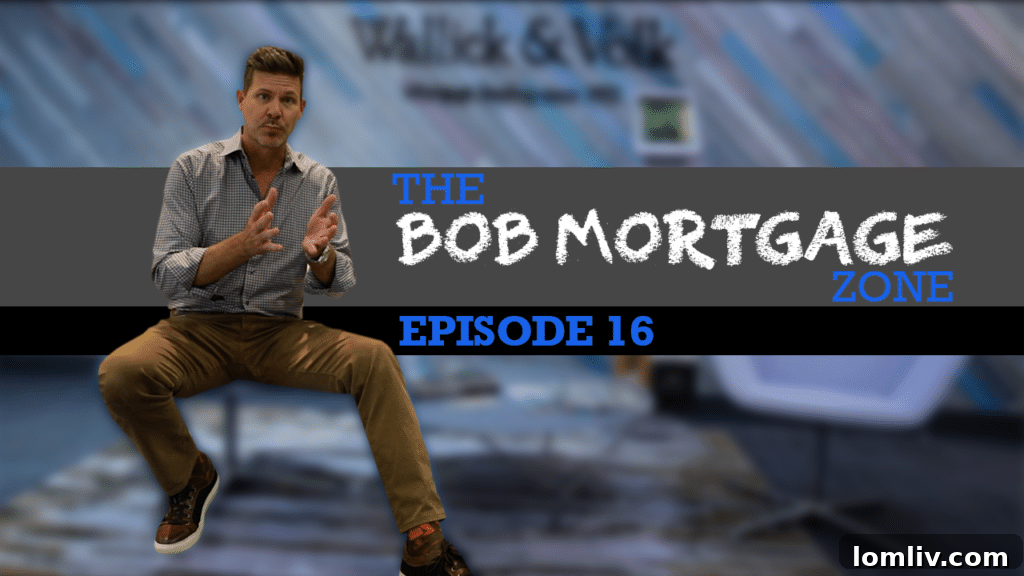
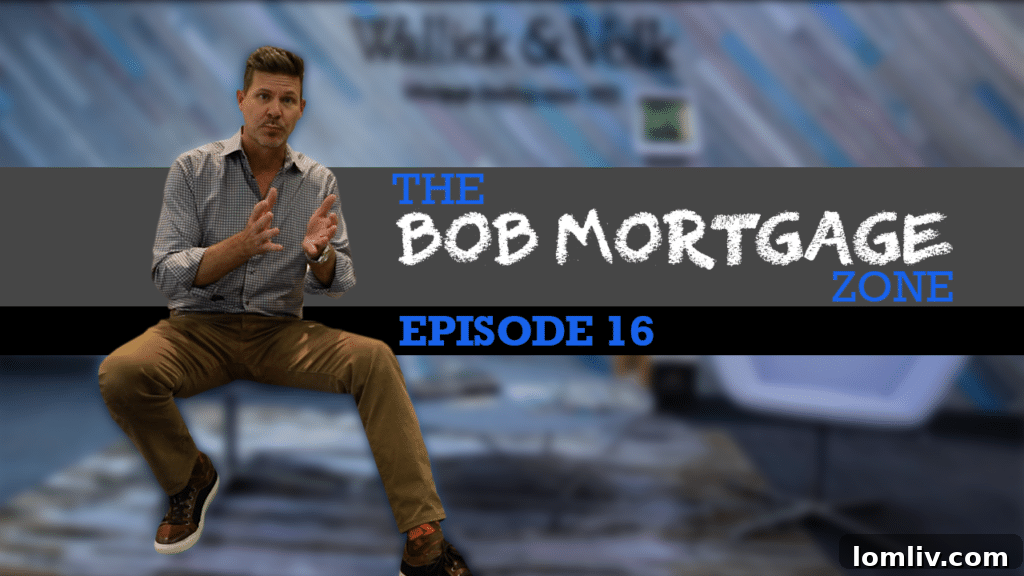
To demystify these financial requirements, we’ve consulted with our most trusted mortgage expert, Bob Johnson, widely known as BobMortgage. As a senior mortgage adviser with Wallick & Volk, one of the nation’s oldest private lenders, Bob brings unparalleled experience and insight into the complexities of home financing. BobMortgage helps us pull back the curtain on the actual cash you’ll need to buy a home, detailing the four primary situations where these funds become essential. Understanding these financial pillars is key to a smooth and successful home-buying experience, whether you’re purchasing your first property or guiding buyer clients through the market.
Navigating the real estate market can indeed be fraught with complications, especially for those new to the process. With BobMortgage’s expert guidance, you can educate yourself and your clients, ensuring a well-prepared and confident approach to homeownership. Let’s explore the critical cash components that make up the “cost to close” on your new home.
The Four Pillars of Cash Required for Home Purchase
When you’re ready to buy a home, the sticker price is just the beginning. The cash required upfront can generally be broken down into four main categories. Each plays a vital role in completing your purchase and securing your future home.
1. The Down Payment: Your Initial Investment
The down payment is perhaps the most well-known cash requirement. It’s the portion of the home’s purchase price that you pay upfront, reducing the amount you need to borrow from a lender. While a 20% down payment is often cited as the ideal to avoid Private Mortgage Insurance (PMI) on conventional loans, many programs allow for much lower down payments, making homeownership more accessible.
- Conventional Loans: Typically require a minimum of 3% to 5% down, though 20% is preferred to avoid PMI.
- FHA Loans: Backed by the Federal Housing Administration, these are popular among first-time buyers due to their low down payment requirement, often just 3.5% of the purchase price.
- VA Loans: For eligible veterans, service members, and their spouses, VA loans are a significant benefit, often requiring no down payment at all.
- USDA Loans: Designed for rural and suburban homebuyers with low to moderate incomes, these loans also typically require no down payment.
The size of your down payment directly impacts your loan amount, your monthly mortgage payment, and the total interest you’ll pay over the life of the loan. A larger down payment can also strengthen your offer in a competitive market and demonstrates financial stability to lenders.
2. Closing Costs: The Fees to Finalize Your Loan and Purchase
Often overlooked, closing costs are a collection of fees and expenses incurred during the home-buying process. These are separate from the down payment and typically range from 2% to 5% of the home’s purchase price, though they can sometimes be higher. These costs cover the administrative and legal work required to transfer ownership and secure your mortgage. Understanding what these include is essential for accurate budgeting.
Common closing costs include:
- Loan Origination Fees: Charges by the lender for processing your loan application, often a percentage of the loan amount.
- Appraisal Fee: Paid to an independent appraiser to determine the home’s fair market value. Lenders require this to ensure the property’s value supports the loan amount.
- Credit Report Fee: Covers the cost of pulling your credit history.
- Title Insurance: Protects both the lender and you (owner’s policy) against future claims on the property’s title.
- Attorney Fees: If required in your state, fees for legal representation during the closing process.
- Recording Fees: Paid to the local government to officially record the new deed and mortgage.
- Survey Fee: To verify property lines and any encroachments.
- Underwriting Fees: Fees charged by the lender for the detailed analysis of your application.
- Escrow Fees: Charges for the services of the escrow agent or title company who holds funds and documents until the closing is complete.
These fees can add up quickly, so it’s crucial to receive a detailed Loan Estimate from your lender, which outlines all anticipated closing costs. This document allows you to compare offers from different lenders and budget effectively.
3. Escrow Reserves (Prepaids): Setting Up Your Future Home Expenses
Lenders often require buyers to pre-pay several months of property taxes and homeowner’s insurance premiums at closing. These funds are placed into an escrow account, which the lender manages to pay these recurring bills on your behalf as they become due. This ensures that these critical payments are made on time, protecting both your investment and the lender’s.
Typical prepaids include:
- Property Taxes: You’ll usually need to prepay 2-6 months of property taxes, depending on local tax schedules and when your loan closes.
- Homeowner’s Insurance: Lenders typically require you to pay the first year’s homeowner’s insurance premium in full at closing. Additionally, 2-3 months of future premiums might be held in escrow.
- Prepaid Interest: Interest accrues daily, and you’ll usually pay interest for the remaining days of the month in which you close. For example, if you close on the 15th, you’ll pay interest for the 15th through the 30th.
While these funds remain yours, they are held by the lender in a dedicated account and are not immediately accessible after closing. They are a necessary component to ensure the long-term financial health and protection of your home.
4. Cash Reserves: Your Post-Closing Financial Safety Net
Beyond the immediate costs of down payment, closing costs, and prepaids, lenders often want to see that you have additional funds remaining in your bank account after closing. These are known as cash reserves and they serve as a financial safety net. Lenders want to be confident that you can handle unexpected expenses that might arise after you move in, such as urgent repairs, new appliances, moving costs, or even a temporary job loss, without jeopardizing your ability to make mortgage payments.
While not every loan program explicitly requires a certain amount of reserves, it’s always wise to have them. Some loan types, especially for investment properties or larger loans, may require proof of 2-6 months of mortgage payments (principal, interest, taxes, and insurance) in accessible funds after closing. Even if not mandated, having a robust emergency fund provides invaluable peace of mind and financial security as a new homeowner.
Beyond the Four: Additional Cash Considerations
While the four pillars cover the primary cash requirements, a holistic approach to budgeting for homeownership should also account for several other potential out-of-pocket expenses that might not be included in your closing disclosure:
- Home Inspection Fees: It is highly recommended to have a professional home inspection. These fees, typically a few hundred dollars, are usually paid directly to the inspector upfront and outside of closing.
- Earnest Money Deposit (EMD): This is a good-faith deposit made when your offer is accepted. While it contributes to your down payment, it’s an upfront cash outlay that happens early in the process.
- Moving Expenses: Hiring movers, renting a truck, or purchasing packing supplies can add up quickly.
- Immediate Home Improvements/Furnishings: You might need to paint, replace locks, buy new furniture, or make small repairs soon after moving in.
- Utility Setup Fees: Connecting water, electricity, gas, and internet might involve initial setup charges.
Strategies for Reducing Your Upfront Cash Outlay
If the thought of these significant cash requirements feels overwhelming, don’t despair. There are strategies you can explore to potentially reduce your upfront costs:
- Down Payment Assistance Programs (DPA): Many state and local governments offer programs, grants, or second mortgages to help eligible buyers cover down payments and closing costs.
- Lender Credits: Sometimes, a lender might offer credits towards closing costs in exchange for a slightly higher interest rate. While it reduces upfront cash, it can increase your overall cost of borrowing.
- Seller Concessions: In certain market conditions, you might negotiate with the seller to pay a portion of your closing costs. This can be a valuable negotiation point.
- Compare Lenders and Providers: Shopping around for lenders, title companies, and insurance providers can help you find the most competitive rates and potentially save on closing costs.
- Save Aggressively: The most straightforward approach is to start saving early and consistently. Automate your savings to build up your home fund steadily.
Prepare for Success: The BobMortgage Zone Advantage
The process of buying a home is undoubtedly one of the largest financial transactions most people will undertake. Being financially prepared for all the cash requirements is paramount to a stress-free and successful closing. As Bob Johnson (BobMortgage) emphasizes, informed buyers are empowered buyers.
Understanding the nuances of down payments, closing costs, escrow reserves, and post-closing cash reserves will not only prevent last-minute surprises but also enable you to make strategic decisions that align with your financial goals. Don’t let the complexity deter you; instead, arm yourself with knowledge and expert advice.
For first-time buyers and seasoned investors alike, the insights provided by experts like BobMortgage are invaluable. He and the dedicated team at Wallick & Volk are committed to guiding you through every step of the mortgage process, ensuring you understand your options and are fully prepared for the financial commitments of homeownership. Educate yourself and your buyer clients with the latest advice and insights from the BobMortgage Zone!
By planning ahead and working with a trusted mortgage professional, you can confidently navigate the path to homeownership, securing your dream home with financial peace of mind.