The Consumer Electronics Show (CES) consistently serves as a global stage for groundbreaking innovations, and CES 2022, despite its hybrid format, was no exception. While navigating the evolving landscape of global events, the show, held in Las Vegas, delivered an impressive array of technologies that underscored a pivotal shift in consumer needs. Reflecting the past two years spent predominantly at home, manufacturers showcased products designed to enhance daily life, boost well-being, and redefine convenience within personal spaces. From sophisticated air purifiers diffusing calming scents to smart beds gently nudging sleepers awake, the focus was unequivocally on creating more comfortable, healthier, and technologically integrated home environments. The Wall Street Journal aptly characterized these offerings as “pragmatic, flat-out bonkers or both at once,” highlighting the diverse spectrum of innovation that ranged from immediately practical solutions to ambitious glimpses into the future of tech. This year’s showcase proved that innovation continues at a rapid pace, addressing both current challenges and future aspirations for connected living.
Next-Generation QLED and OLED Televisions: Redefining Home Entertainment
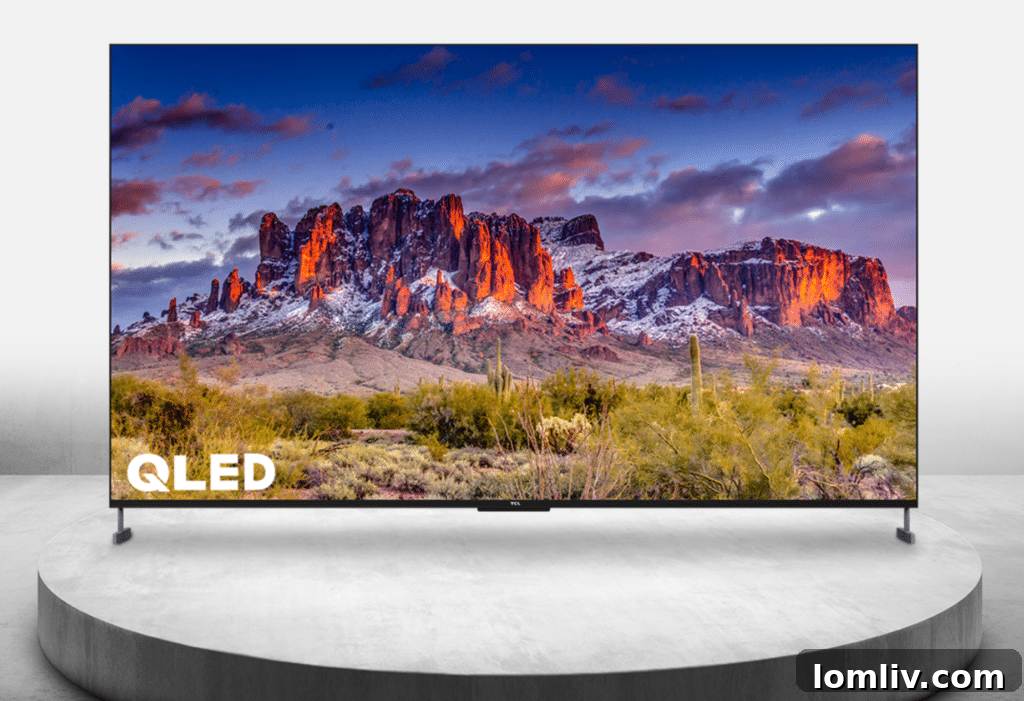
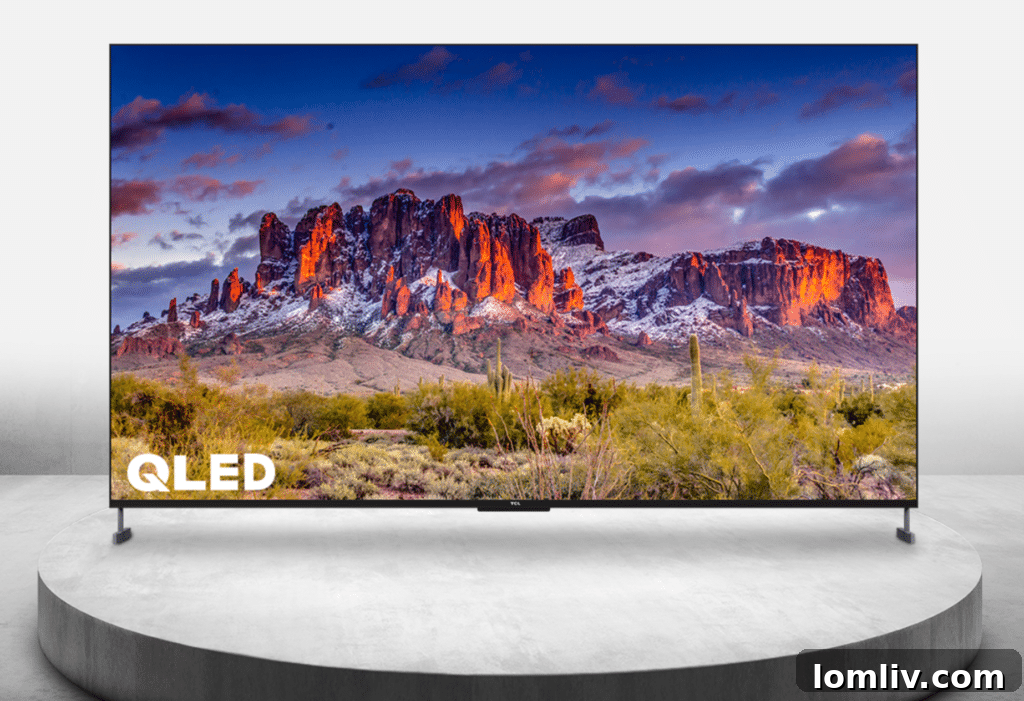
Television technology continues to evolve at a breathtaking pace, and CES 2022 brought forth an exciting range of new QLED and OLED displays catering to diverse preferences. For those who dream of a true cinematic experience within their own living rooms, TCL made a significant splash with its 98-inch QLED screen. Priced just under $8,000, this massive display redefines affordability in the large-format TV market, making the dream of a sprawling home theater more attainable for a wider audience. QLED, or Quantum Light-Emitting Diode technology, enhances traditional LED screens by incorporating microscopic quantum dots. These nanoparticles are engineered to emit incredibly pure, vibrant colors and boost brightness levels, resulting in a picture that is not only brighter and more colorful but also boasts superior contrast compared to conventional LED displays. TCL’s strategic move with this competitive pricing positions it as a formidable contender, offering an immersive viewing experience for movies, sports, and gaming on an epic scale, without the ultra-premium price tag typically associated with screens of this magnitude. It truly embodies the show’s spirit of bringing high-end features to a broader consumer base.
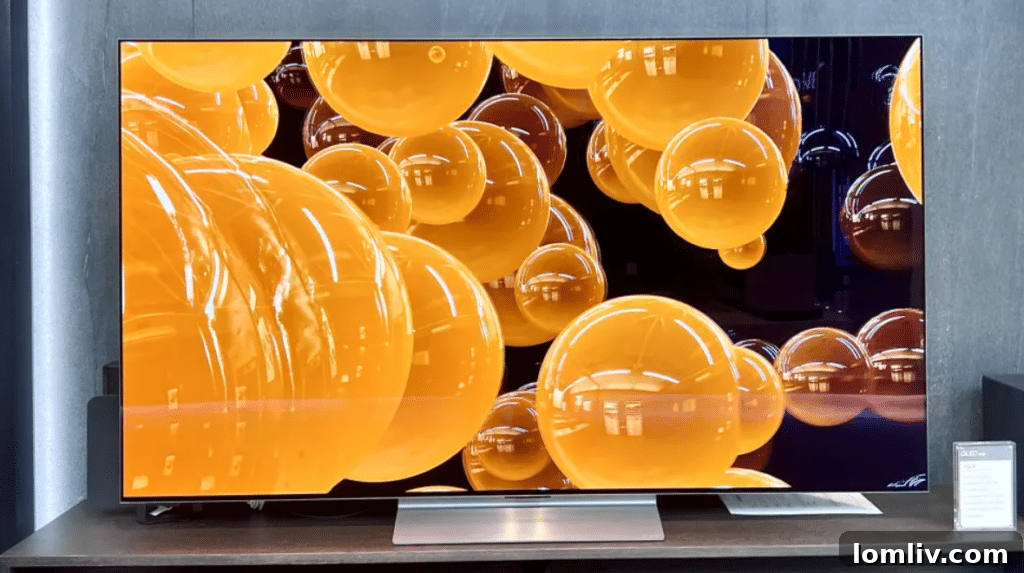
On the other end of the size spectrum, yet equally revolutionary, LG continued to push the boundaries of OLED (Organic Light-Emitting Diode) technology. While also unveiling a monumental 97-inch OLED TV for the ultimate large-screen experience, LG introduced its smallest OLED television yet: a 42-inch model. This compact powerhouse represents a significant stride in making premium display technology accessible for more personal spaces, such as offices, smaller bedrooms, or even high-end gaming setups. OLED screens are renowned for their self-emissive pixels, which can turn completely off, producing perfect blacks and infinite contrast ratios. This results in unparalleled color saturation, incredibly fine detail, and wide viewing angles that ensure a consistent picture quality from almost any perspective. The 42-inch OLED TV, in particular, brilliantly bridges the gap between a high-end television and a professional-grade gaming monitor, offering lightning-fast response times and stunning visual fidelity that gamers and multimedia enthusiasts will deeply appreciate. Its versatility means it can adapt seamlessly to various environments, providing a premium visual experience regardless of space constraints.
TCL Wearable Display Glasses: Personal Cinema On The Go
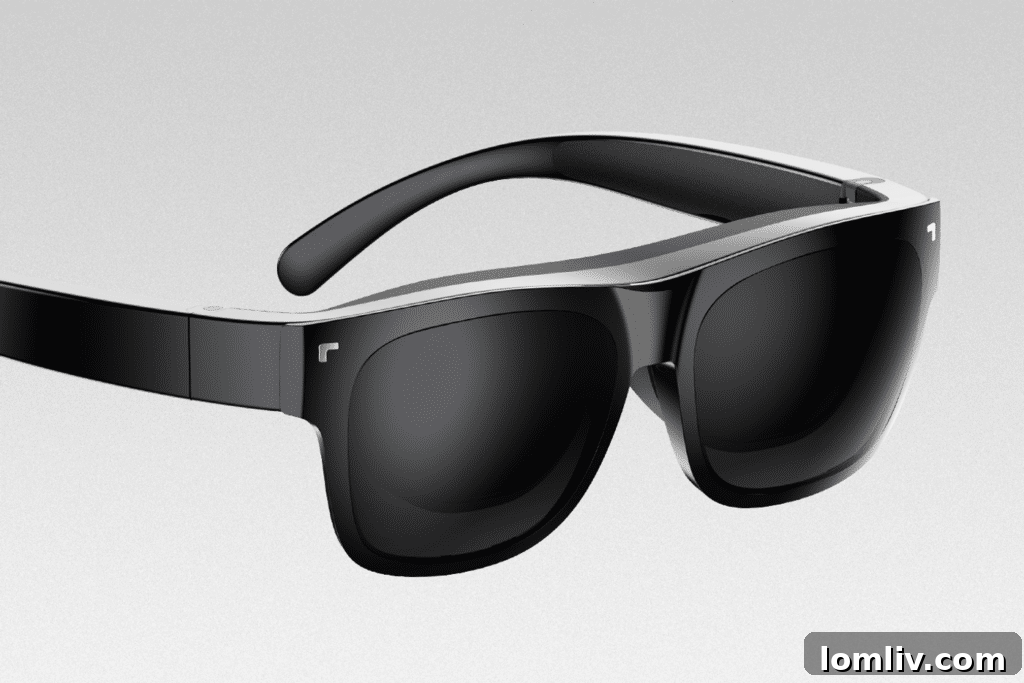
Stepping beyond traditional screens, TCL unveiled its innovative wearable display glasses, a product poised to revolutionize personal entertainment. Unlike bulky virtual-reality (VR) headsets that fully immerse users in digital worlds, these sleek glasses are designed for a more practical, yet equally captivating, experience. Sporting a stylish aesthetic reminiscent of popular eyewear brands like Ray-Ban, they project a movie-like display directly in front of the wearer’s eyes, effectively creating a private, portable big-screen theater. This technology is perfect for commuters, travelers, or anyone who desires a private viewing experience without disturbing others or being limited by device size. TCL is actively developing a range of models, including versions with nearly transparent lenses that are indistinguishable from regular eyeglasses, further blending advanced technology with everyday wearability. This thoughtful approach highlights a growing trend towards discreet yet powerful wearable tech, offering convenience and entertainment in an elegant, unobtrusive package that feels more like an extension of personal style than a futuristic gadget.
Razer Gaming Chair: Elevating Immersion with HyperSense Technology
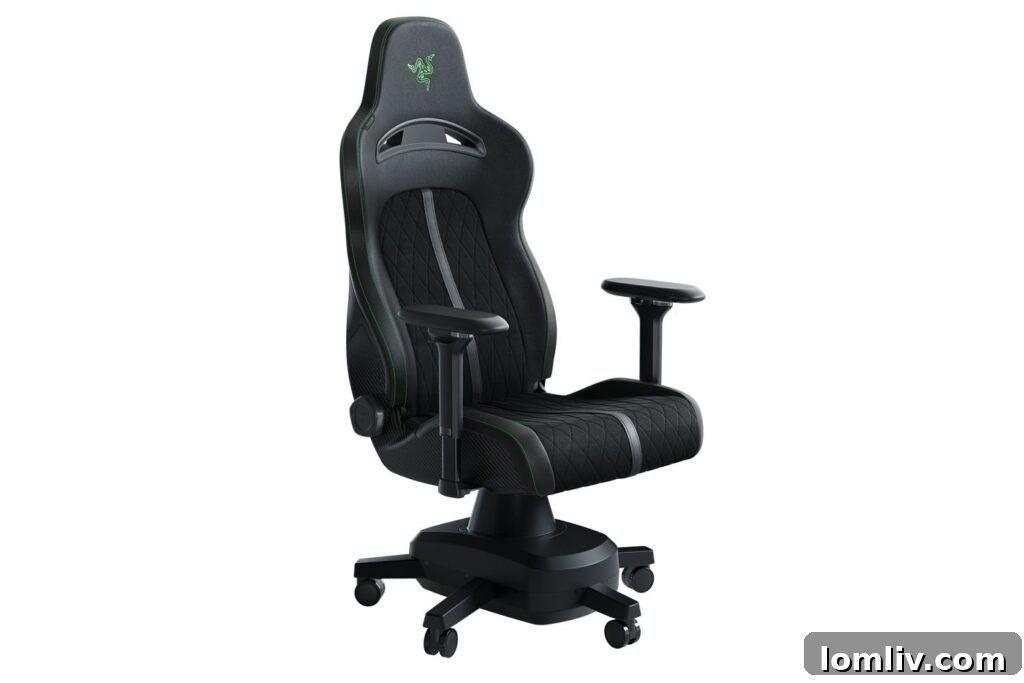
For serious gamers and multimedia enthusiasts, immersion is key, and Razer, a leader in high-performance gaming hardware, introduced a concept gaming chair that takes this to an unprecedented level. The Razer Enki Pro HyperSense gaming chair promises to transform not just gaming, but also streaming and PC content consumption, into a “full-body experience.” This revolutionary chair integrates advanced haptic feedback technology, which involves vibrating movements that simulate real-life sensations directly through the seat and backrest. Capable of performing a mind-boggling 65,000 variations of vibrations and motions, the chair dynamically responds to on-screen content, enhancing everything from explosions in action games to the subtle rumble of an engine. Racing game aficionados, for instance, will literally “feel every corner of the track,” experiencing the G-forces and road textures that add a new dimension to virtual driving. Beyond gaming, its compatibility extends to movies and music, allowing users to feel the bass drops in their favorite tracks or the impact of dramatic cinematic moments. This chair represents a significant leap forward in interactive entertainment, blurring the lines between the digital world and physical sensation, thereby creating a truly unparalleled sensory journey for the user.
Asus Zenbook 17 Fold OLED: The Future of Flexible Computing
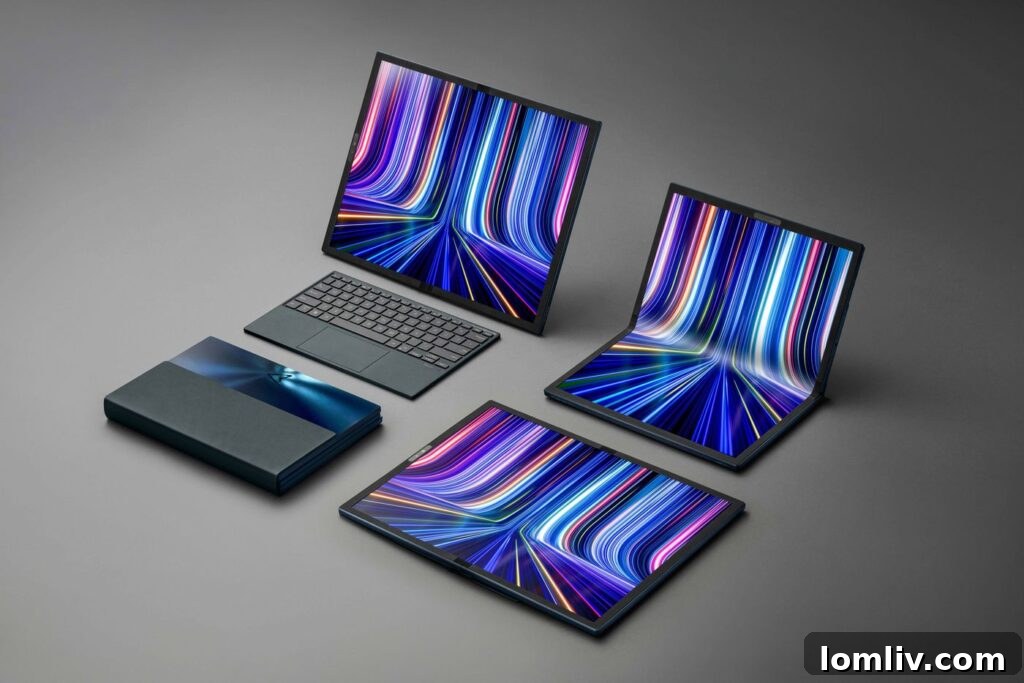
In the realm of portable computing, Asus unveiled a truly visionary device with the Zenbook 17 Fold OLED, pushing the boundaries of what a laptop can be. This innovative machine stands out for its extraordinary versatility, centered around a stunning 17.3-inch foldable OLED display. When fully unfolded, it functions as a large, vibrant touchscreen tablet, a powerful PC monitor, or even a giant e-reader, providing expansive screen real estate for productivity or entertainment. However, its true genius lies in its ability to fold neatly in half, transforming into a compact 12.5-inch clamshell notebook. This unique design allows users to switch effortlessly between a massive workspace and a highly portable device, adapting to various scenarios whether at home, in the office, or on the go. An additional layer of convenience is added by its detachable Bluetooth keyboard and touchpad, which can be placed on the lower half of the folded screen for a traditional laptop experience, or used wirelessly when the screen is fully extended. The Zenbook 17 Fold OLED is more than just a laptop; it’s a multi-functional computing canvas, designed to cater to a dynamic range of professional and personal needs, embodying the peak of flexible design and technological convergence.
Wisear Mind-Controlled Earbuds: The Dawn of Neurotechnology
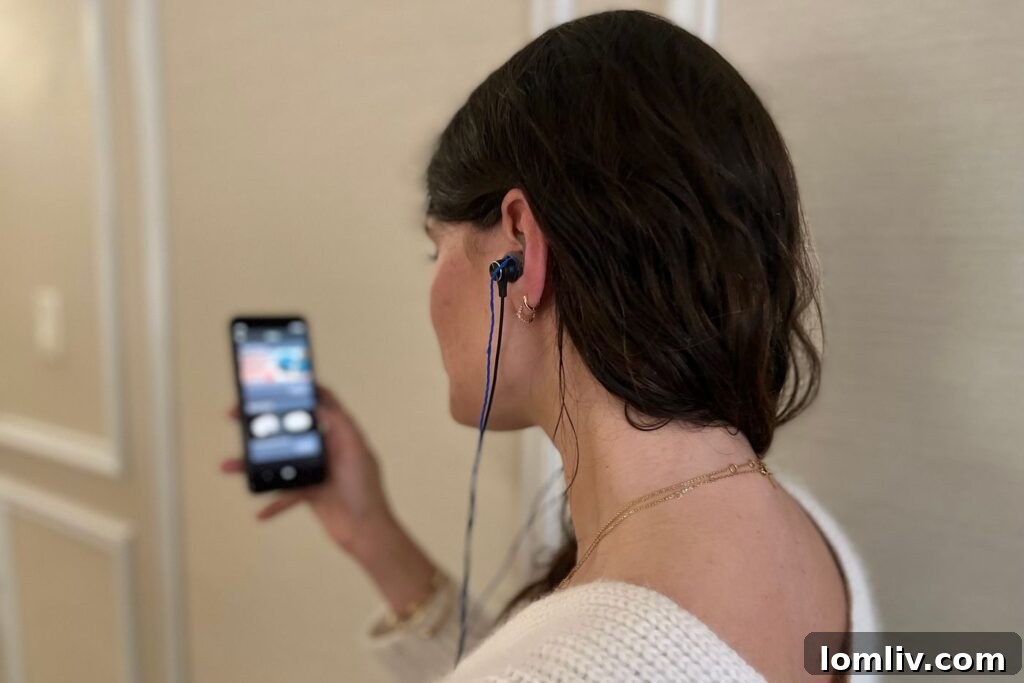
Imagine controlling your audio experience without lifting a finger or uttering a command. This seemingly futuristic concept became a reality at CES 2022 with Wisear’s groundbreaking mind-controlled earbuds. This innovative French start-up has developed a “neural interface” that allows users to perform various functions, such as playing music, pausing tracks, or answering calls, purely through mental commands. The technology works by embedding tiny electrodes within the earbuds, which are strategically positioned to record subtle electrical signals from both brain and facial muscle activity. These bio-signals are then processed by advanced artificial intelligence (AI) algorithms, which interpret them and translate them into actionable controls for the device. This represents a monumental leap beyond traditional touch controls or voice assistants, offering unparalleled convenience and a truly hands-free experience. Wisear’s ambition is clear: to “make breakthroughs in this field, making neurotechnology more accessible than ever before.” By democratizing access to mind-computer interfaces, Wisear is not just enhancing an everyday accessory; it’s paving the way for a future where technology responds directly to our thoughts, offering profound implications for accessibility, productivity, and personal interaction with digital devices.
Noveto N1 Invisible Headphones: Personalized Audio without the Headset
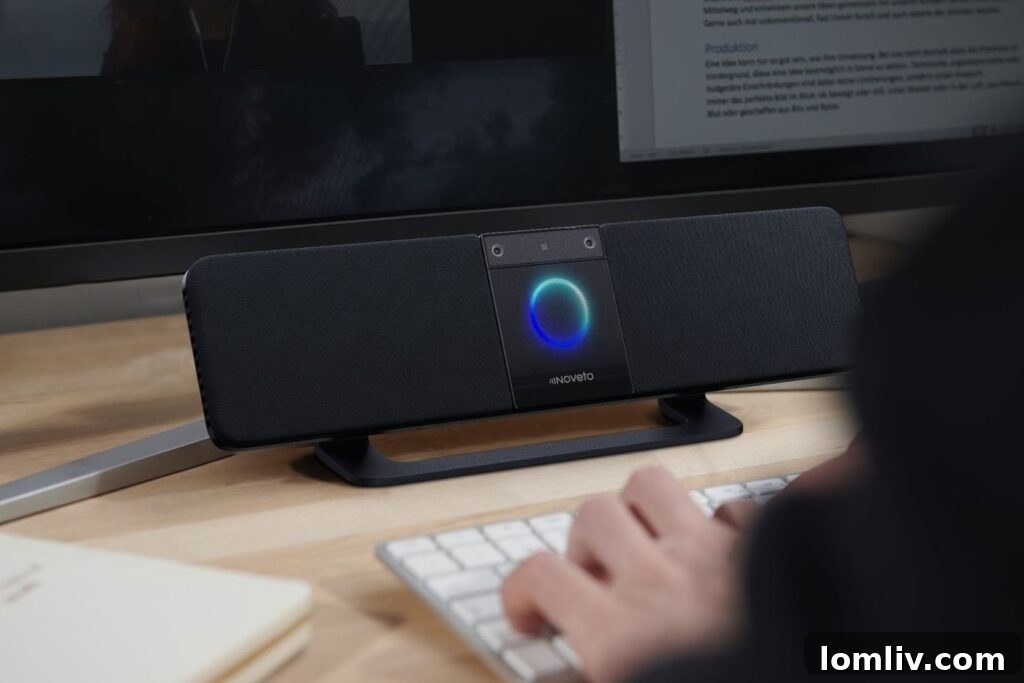
Privacy and personal space often come at the cost of wearing bulky headphones, but Noveto challenged this paradigm with its N1 Invisible Headphones. While visually resembling a sleek soundbar, the N1 employs innovative “audio-beaming” technology to direct sound waves precisely to your ears, creating a personal sound bubble that only you can hear. This means you can enjoy music, participate in video calls, or listen to podcasts without needing to wear a headset, and crucially, without disturbing anyone around you. The device pairs seamlessly with your computer or smartphone via Bluetooth, making it incredibly easy to integrate into any setup. For those working from home (WFH), the N1 offers significant advantages, providing clear, private audio for meetings and calls while keeping your ears free and aware of your surroundings. Beyond professional use, it seamlessly supports at-home wellness routines, allowing users to immerse themselves in meditations or relaxing soundscapes without interruption. The Noveto N1 represents a sophisticated solution for personalized audio, blending convenience, privacy, and an almost magical user experience into a single, elegant device, setting a new standard for how we interact with sound in shared or private environments.