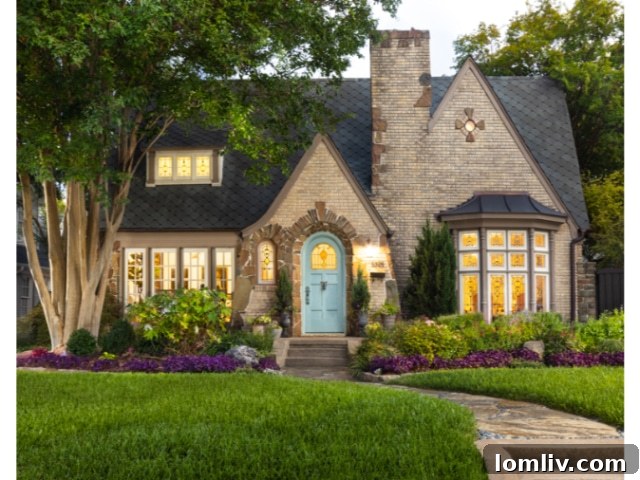
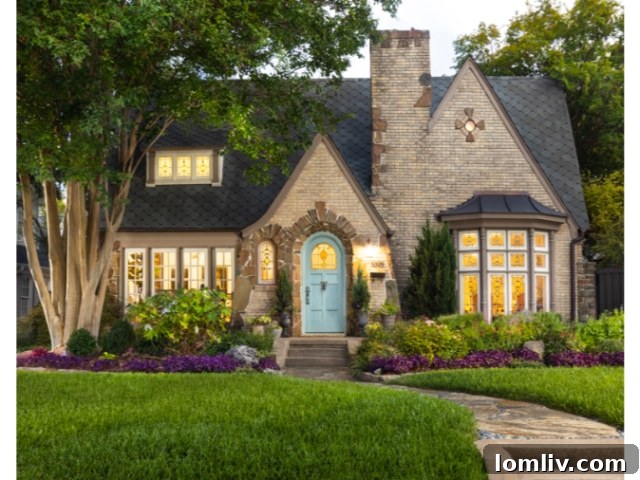
The annual Lakewood Home Tour is renowned for showcasing some of Dallas’s most exquisite and historically significant residences, and this year’s lineup promises an unparalleled experience. With six magnificent homes on display, selecting a single highlight proved to be a delightful challenge. Each property boasts unique charm and architectural grandeur, making the decision truly daunting. However, one home resonated deeply, capturing the essence of timeless design and heartfelt renovation: the enchanting Tudor residence owned by acclaimed interior designer Emily Larkin and her husband, Ben.
A Fairytale Tudor Reimagined: Blending History with Modern Living on the Lakewood Home Tour
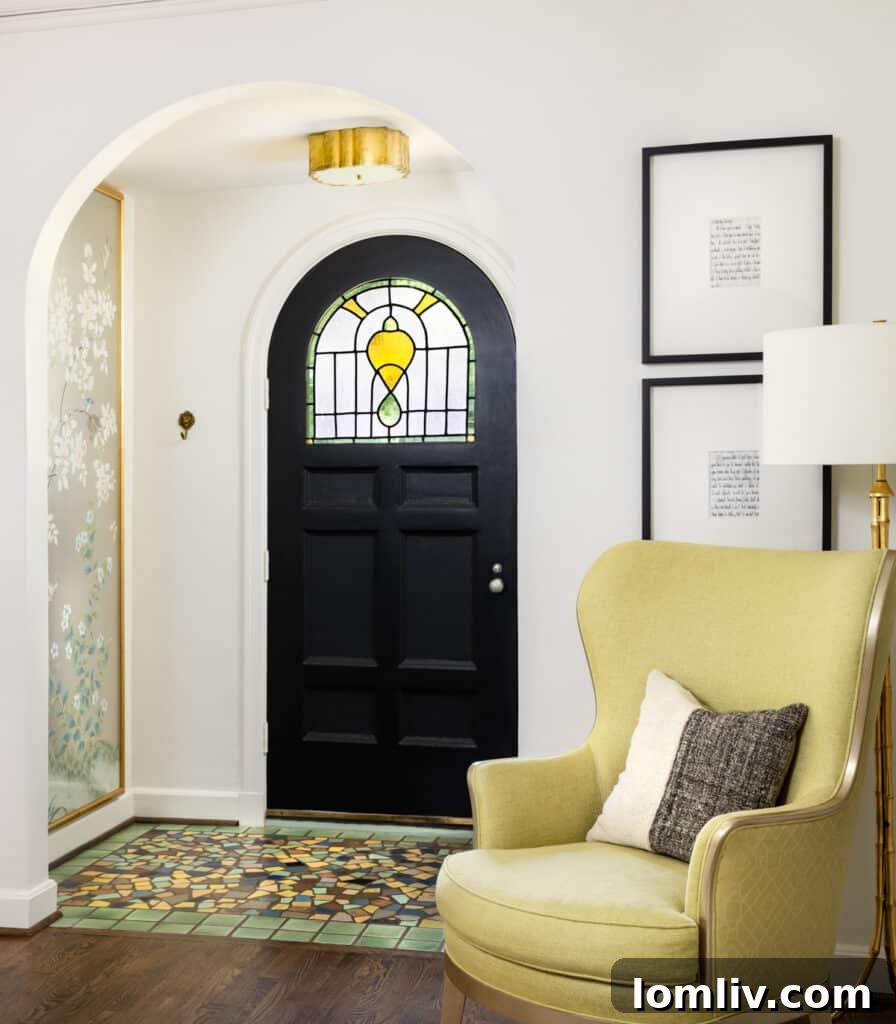
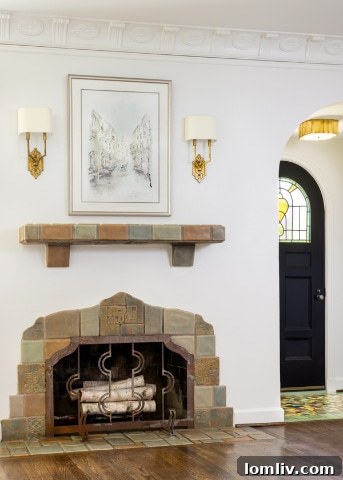
Nestled within the vibrant Lakewood community, this 1926 Dines and Kraft Tudor house is more than just a home; it’s a testament to preserving architectural heritage while adapting it for contemporary family life. From the moment I stepped inside, the home exuded a captivating fairytale ambiance, blending original character with thoughtful, sophisticated updates. Emily Larkin, known for her impeccable taste and ability to infuse spaces with personality, has masterfully crafted a residence that feels both grand and intimately personal. This captivating property, a true gem of Dallas, stands as a shining example of historic preservation done right, and is a must-see on the upcoming Lakewood Home Tour.
From Hollywood Heights to Lakewood: A Journey of Tudor Love
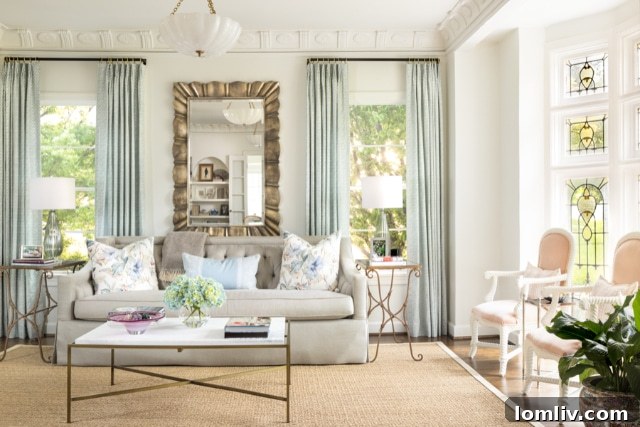
Emily and Ben Larkin are no strangers to the allure of classic Tudor architecture. Previously, they called a beautiful Hollywood Heights Tudor their home, a property I had the pleasure of featuring when they embarked on their search for a new abode. Their decision to move to Lakewood was a significant one, fueled by the desire for a new chapter, but not at the expense of their cherished architectural style. They found their perfect match in this stunning 1926 Dines and Kraft Tudor, a house that instantly tugged at their heartstrings and promised a new canvas for Emily’s design vision.
The deal was truly sealed by the presence of a charming backyard studio, an increasingly essential feature for modern homeowners. Like many professionals today, Emily operates her renowned interior design company, EJ Interiors, primarily from home. This dedicated workspace was a key factor, allowing her to seamlessly integrate her professional life with her personal sanctuary. While the couple moved in with the understanding that a major renovation was on the horizon, they wisely opted to live in the house for a period. This interim phase allowed them to truly understand how the space functioned for their family, informing their decisions before embarking on extensive changes. During this time, Emily undertook a thoughtful mini-remodel, refining the home’s aesthetics by staining floors and painting kitchen cabinets, instantly imbuing the spaces with her signature style while meticulously planning the larger transformation.
The Vision: Expanding Space While Honoring Heritage
The primary goals for the Larkin’s renovation were clear: they needed additional living space, particularly a second floor, and a generous family room. The existing attic presented a promising opportunity to capture previously unused square footage, but it required a delicate touch. Crucially, Emily and Ben were committed to honoring the original character and layout of their historic home as much as possible, a challenge that demanded specialized expertise. To navigate the complexities of integrating modern needs within a 1920s structure, they turned to a professional renowned for her masterful approach to historic restorations.
Carol Gantt: A Master of Historic Home Restoration and Thoughtful Expansion
Bringing a historic home into the 21st century without sacrificing its soul requires a rare blend of vision, skill, and respect for the past. Carol Gantt, the esteemed owner of Gantt Construction Consultants & Designers, embodies these qualities. For decades, Gantt has dedicated her career to restoring, renovating, and thoughtfully adding to historic homes, earning a reputation as an unparalleled expert in the field. Her ability to resolve complex structural and design challenges, create innovative solutions, and ensure that every update enhances rather than detracts from a home’s original character is truly remarkable. She possesses a unique understanding of period architecture, allowing her to seamlessly blend new elements with existing historical details.
To illustrate her approach and provide confidence in the ambitious attic conversion, Carol invited Emily and Ben to visit a Tudor project she was overseeing in Hollywood Heights. Coincidentally, this particular home had recently been featured on its neighborhood home tour, a testament to Gantt’s successful work. The owners, Chuck and Sandy Hintze, had faced a similar desire to utilize their attic space, and Carol masterfully demonstrated how she was integrating an office, two bedrooms, a bathroom, and an open sitting area beneath the historic Tudor roofline. This feat was accomplished while meticulously adhering to the stringent regulations of the conservation district, showcasing her ability to innovate within historical constraints. This visit provided Emily and Ben invaluable insight into the possibilities for their own home.
Carol Gantt elaborated on the common pitfalls of attic conversions: “A lot of times, people just put something there to add as much square footage as possible, and it ends up looking awkward.” She praised Emily’s collaborative spirit, noting, “Emily is an interior designer, so it was fun working with her. She was interested in keeping as much originality as possible and open to adding in a bit of quirkiness.” This synergy between builder and designer was crucial in achieving a harmonious blend of old and new.
Embracing the “Funky Charm” of Attic Spaces
One of the most distinctive aspects of Tudor architecture is its dramatic, steep roof pitch, a defining characteristic that contributes significantly to the “fantasy style” sought by architects in the 1920s and 30s. Preserving this roofline was paramount for Gantt and Larkin. “We wanted to keep the roofline in sync with what was there. The roof’s steep pitch is part of the fantasy style the architects were going for in the 1920s and 30s, so it’s a critical part of the look,” Gantt explained. While converting attic spaces can present challenges, particularly with sloped ceilings, Gantt noted that Emily’s background as an interior designer allowed for a deeper understanding and appreciation of these unique architectural features. “You can fit rooms in an attic space, but they will be funky. You will see the steep pitch, you won’t have a flat ceiling, and that is sometimes hard to communicate to people. As an interior designer, Emily understood that. These rooms can be very charming, particularly for a child.” This philosophy led to the creation of truly distinctive and delightful spaces on the new second floor.
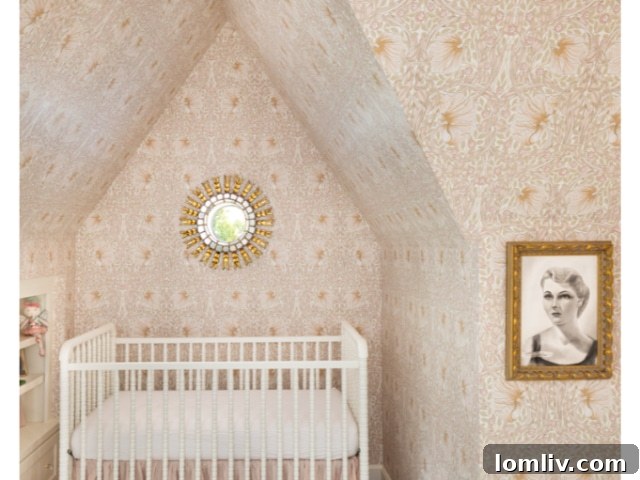
Carol Gantt’s strategy for the attic expansion involved maintaining the integrity of the front roofline while strategically adding to the back. “I wanted to make sure we did not add anything too big or out of scale,” Gantt emphasized. “The main challenge with these homes is keeping additions in scale.” Her meticulous approach ensures that even significant expansions appear as if they were always part of the original design, a hallmark of true craftsmanship.
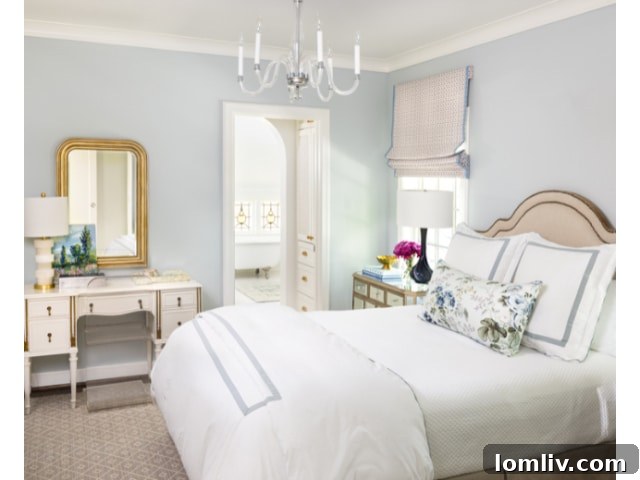
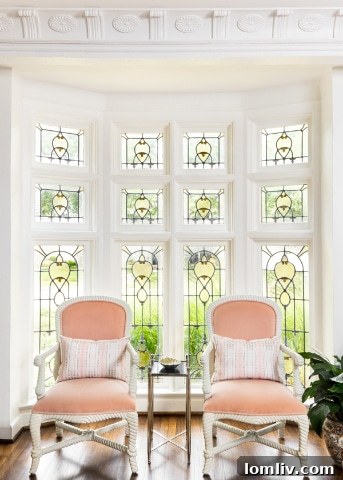
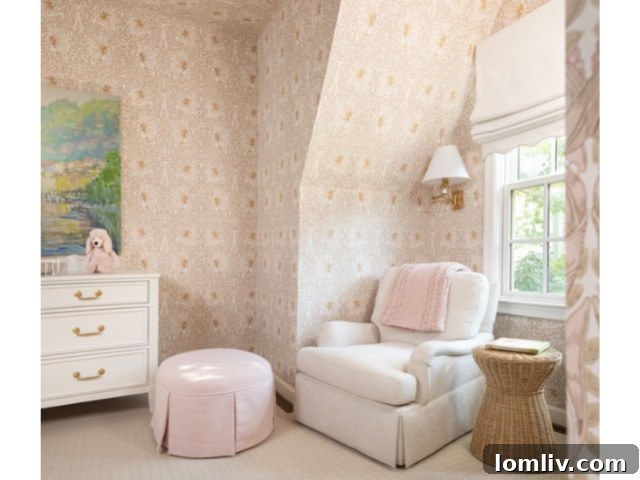
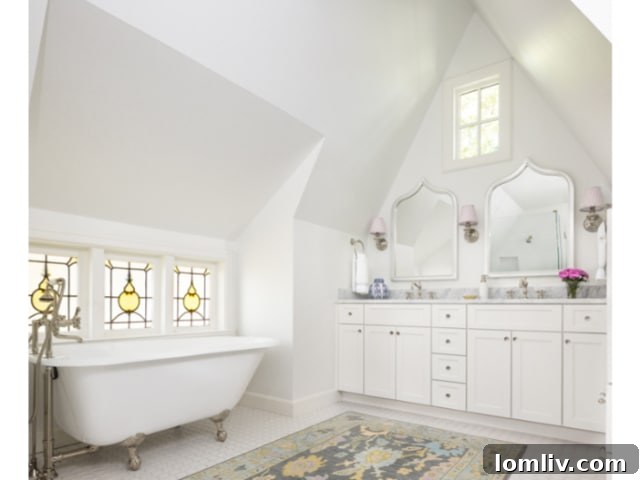
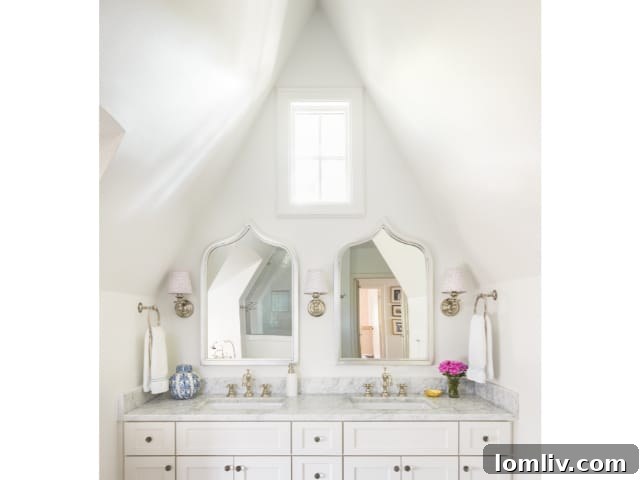
Among the many successful transformations, the new nursery, charmingly tucked under the roof’s gentle slopes, stands out as one of Gantt’s favorite achievements in this fairytale Tudor. It exemplifies how awkward spaces can be reimagined into areas of serene beauty and practicality. Adding a touch of unexpected delight, Gantt replaced a mundane round vent in an attic gable with a window, introducing natural light and an element of visual interest where none existed before. Furthermore, a decorative stained-glass bump-out window, previously hidden and only visible from the attic, was ingeniously integrated into a new bathroom. “We tucked the footed tub in there, and now it’s a focal point of the bathroom,” she shared, transforming a hidden gem into a stunning design feature.
The Heart of the Home: A Transformed Kitchen and Family Room
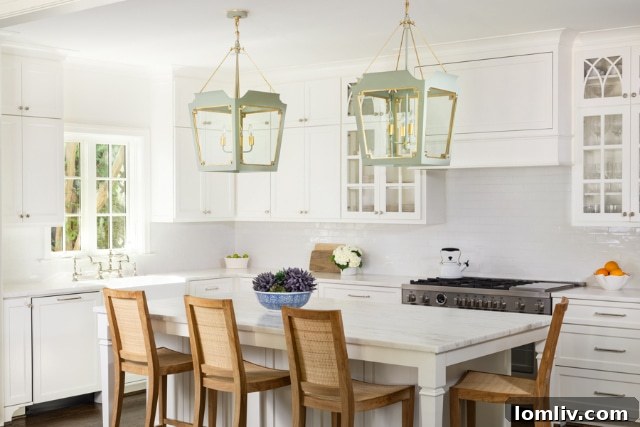
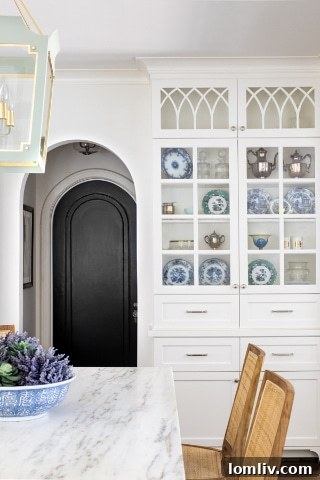
A key objective for Emily was to move beyond the confines of the original galley kitchen and establish a spacious, open-plan family room. Carol Gantt’s design seamlessly achieved this. “We opened up the kitchen, the breakfast room, and the back bedroom and bumped it out a bit,” Gantt explained. This strategic intervention completely revolutionized the home’s flow, creating the much-desired expansive kitchen and family room that serves as the vibrant hub for daily life and entertaining. The new layout not only enhances functionality but also allows natural light to permeate deeper into the interior spaces, fostering a brighter, more inviting atmosphere.
Emily Larkin’s Signature Style: Design Details That Dazzle
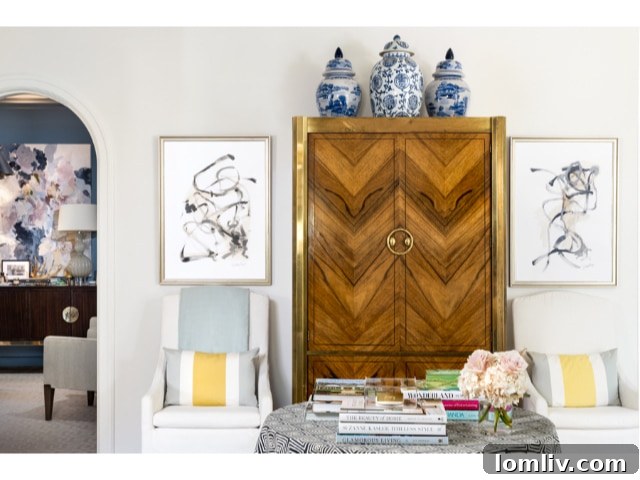
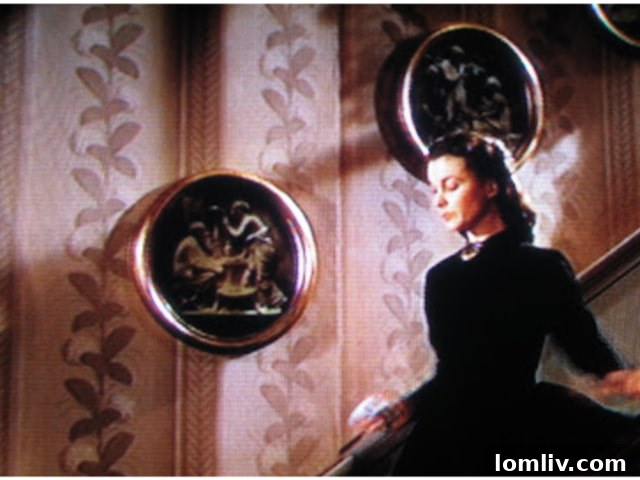
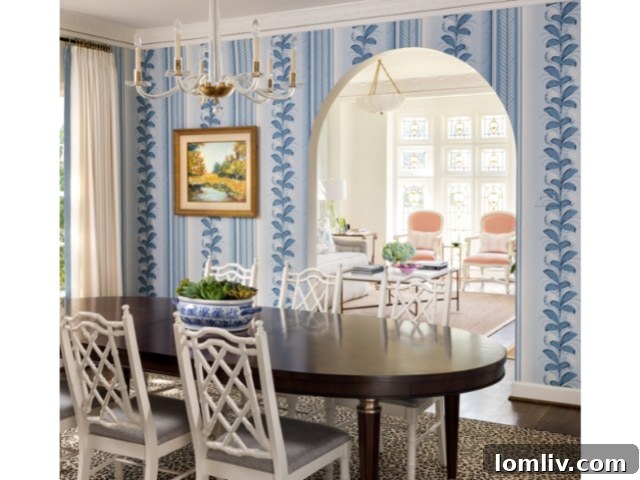
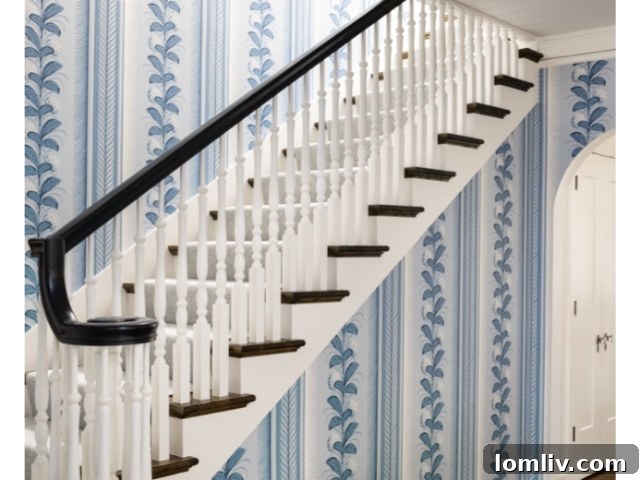
Interior designers often possess a keen eye for sourcing exceptional items, but Emily Larkin truly distinguished herself in the dining room, selecting a piece of history itself. The walls are adorned with the iconic Schumacher Hydrangea Drape wallpaper, a true classic with a fascinating cinematic provenance. This exquisite pattern was originally created by the legendary movie set designer Hobe Erwin for the grand staircase at Tara, the iconic plantation home in Gone With The Wind. Schumacher later acquired these historic archives and re-released this beloved design in a selection of four fresh colorways, allowing contemporary homes to embrace a piece of Hollywood magic. This choice not only adds breathtaking beauty but also a rich narrative to the dining experience, making it a conversation starter for any guest.
Ben’s Study: A Retreat of Deep Hues and Clever Design
While the entire home reflects Emily’s sophisticated touch, her personal favorite space is Ben’s study, a room that perfectly encapsulates her design philosophy of thoughtful integration and bold color. “It was a random room off the living room,” she recalled, highlighting its initial unassuming nature. Emily transformed it by painting it a striking Mozart Blue by Benjamin Moore, a rich hue meticulously chosen to complement the darker blue tones found in the adjacent dining room wallpaper. “I matched it to the darker blue hue in the dining room wallpaper because the study is in the background, and you see through to it,” she explained, demonstrating her commitment to visual continuity and creating a cohesive, layered aesthetic.
The study’s accessibility also features an ingenious design solution. Carol Gantt noted the unusual but historically justifiable placement of the primary door to the study within the dining room. Adding to this unique access, a new door was incorporated off the first staircase landing. “You go up three steps and are on a landing. On the other side are two steps down into his office,” Gantt described, creating a private yet easily accessible retreat that feels both integrated and secluded, a testament to clever spatial planning.
Preserving Lakewood’s Architectural Legacy for Future Generations
Beyond its aesthetic appeal and masterful renovation, this fairytale Tudor carries significant historical importance. It is particularly noteworthy that if the proposed Lakewood Conservation District Expansion plan is officially passed, homes like this one will benefit from enhanced protection. This proactive measure ensures that the unique architectural character and historical integrity of these beloved residences are safeguarded, allowing future generations to appreciate their beauty and significance. The Larkin’s home serves as a prime example of why such conservation efforts are vital, demonstrating how thoughtful renovation can extend the life and relevance of historic properties.
The opportunity to experience the Larkins’ exquisite Lakewood Tudor firsthand awaits visitors at 6926 Westlake Ave. This extraordinary home, along with the other exceptional properties featured on the tour, promises to be a highlight of the season. Mark your calendars for the weekend of November 12th to immerse yourself in the beauty and craftsmanship of these Dallas treasures. Tickets are available for pre-sale now through LECPTA, ensuring your chance to explore these remarkable residences and gain inspiration from their unique stories.