
Tragedy Strikes at Gables Park 17: Dr. Kendra Hatcher’s Murder Ignites Luxury Apartment Security Debate
The brutal murder of Dr. Kendra Hatcher in her upscale Dallas apartment complex, Gables Park 17, has sent shockwaves through the community, casting a harsh spotlight on the critical issue of residential security in luxury living spaces. As police intensify their investigation, a former and current resident has come forward, alleging a history of lax security measures that may have contributed to the tragic events.

The Unfolding Crisis at Gables Park 17
The incident, which occurred on a quiet Wednesday evening, plunged the Gables Park 17 community into a state of fear and disbelief. Dr. Kendra Hatcher, a respected dentist who operated an office in Colleyville, resided in the exclusive high-rise apartment building situated directly across from the iconic Perot Museum of Nature & Science. Units in this coveted Dallas location command premium rents, starting from $2,000 per month and escalating significantly, implying a certain expectation of safety and premium amenities.
Michael Shaun Jackson, a resident who was preparing to move out at the end of the month, provided crucial insight into the building’s perceived security vulnerabilities. Speaking directly to our team, Jackson confirmed his residency at Gables Park 17 and expressed deep concerns about the property’s security protocols. He asserted that the building’s management had, for months, overlooked significant security breaches and ignored repeated warnings, creating an environment where such a tragedy could potentially occur.
A Resident’s Urgent Warning: “This Murder Could Have Been Prevented!”
Jackson’s frustrations culminated in a public outcry following Dr. Hatcher’s murder. In a heartfelt social media post, he explicitly stated, “THIS MURDER COULD HAVE BEEN PREVENTED! MANAGEMENT IGNORED 6 MONTHS OF CAR JACKS & DID NOTHING AFTER MY HOME THEFT……” This powerful statement underscored a growing sentiment among residents that the building’s management had been remiss in its duty to ensure the safety and well-being of its tenants.
His own experience serves as a stark example. On July 13th of the same year, Jackson’s apartment was burglarized. This incident, rather than being an isolated event, appears to have been part of a disturbing pattern. Records indicate at least two additional burglaries occurring in the 17-story high-rise at 1700 Cedar Springs within weeks of Jackson’s home invasion: one on August 3rd and another on August 16th. The sheer frequency of these crimes, coupled with allegations of management inaction, paints a troubling picture of security at the upscale complex.
Beyond these three burglaries, official data reveals a staggering 20 other incidents reported at the Gables Park 17 location between July 13, 2014, and the day of Dr. Hatcher’s murder. These incidents ranged from various disturbances to more serious offenses, including a recorded assault. The escalation of crime, culminating in the horrific murder of Dr. Hatcher, raises profound questions about the adequacy of security measures for a property marketed as a high-end residential experience.
The Dallas Police Investigation and the Elusive “Vehicle of Interest”
The Dallas Police Department swiftly launched a homicide investigation, identifying Dr. Hatcher as the victim the day after the incident. Authorities immediately moved to release crucial information, including photos and a detailed description of a “vehicle of interest” captured on what appears to be the building’s security cameras. These images, vital to the investigation, show a dark-colored vehicle central to piecing together the events of that fateful evening.

Police reports indicate that Dr. Hatcher drove into the parking garage of Gables Park 17 on Cedar Springs Road Wednesday evening, a routine action for residents returning home. Unbeknownst to her, a vehicle described as an older model Jeep Cherokee, distinguishable by damaged or faded paint on its hood and a paper buyer tag, had already entered the garage. This vehicle reportedly gained access by “piggy-backing” another car, effectively following closely behind a legitimate resident through the security gate without proper authorization. This method of entry highlights a critical vulnerability in the access control systems, especially concerning for a luxury complex.
Investigators believe that the perpetrator exited the Jeep Cherokee and approached Dr. Hatcher as she parked her car within the unit’s garage. The Dallas Police Department has since appealed to the public for assistance in tracking down both the vehicle and its driver, emphasizing the importance of community cooperation in solving this high-profile case. The reliance on public tips further underscores the challenges faced by law enforcement when security measures fail to provide comprehensive coverage.
Gables Residential Management’s Strained Response
In the wake of such a severe incident and mounting resident concerns, inquiries were directed to Gables Residential, the property management company overseeing Gables Park 17. Gigi Giannoni, a representative for Gables Residential, initially offered a cautious and somewhat dismissive statement when asked about the building’s security. “It might be prudent to wait until the police conclude their investigation before you jump to any conclusions based on the thoughts of one resident,” Giannoni advised. This initial response, seemingly aimed at deflecting immediate criticism, was met with incredulity given the gravity of the situation.
When pressed for a more detailed comment on the building’s security protocols and the steps being taken to address resident fears, the response provided was notably terse and devoid of specific reassurances. The company chose to issue a generic image response, effectively avoiding direct engagement with the pressing questions.
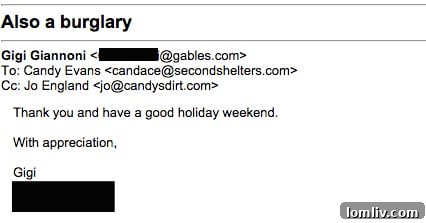
The lack of transparency and the perceived indifference from Gables Residential drew sharp criticism. The murder of a resident within a supposedly secure luxury building, coupled with a resident’s explicit allegations of prior security failures, demanded a more comprehensive and empathetic response than what was offered. When further pressed for comment, Giannoni reiterated the company’s official stance:
“My response is that in reference to the tragedy, we have been in direct communication with our residents. We have no other comment as this is still an open investigation. We have no comment on any other issues you are referencing.”
This statement, while acknowledging communication with residents, firmly shut down any further discussion about broader security issues or the historical incidents raised by Michael Shaun Jackson. Such a guarded response from property management, particularly during an ongoing murder investigation, often intensifies public scrutiny and raises questions about accountability and corporate responsibility.
The Broader Implications for Luxury Apartment Security
The tragic events at Gables Park 17 serve as a grim reminder that even high-end residential properties, with their promise of exclusivity and safety, are not immune to serious crime. For residents who invest significant financial resources into luxury living, the expectation of robust security is paramount. The allegations of repeated burglaries and an assault prior to Dr. Hatcher’s murder highlight a potential systemic failure that goes beyond a single unfortunate incident.
Effective apartment security involves a multi-layered approach, encompassing controlled access points, vigilant surveillance systems, regular patrols, and prompt response to security breaches. When residents like Michael Shaun Jackson claim that “management ignored 6 months of car jacks & did nothing,” it suggests a breakdown in critical aspects of security management. This case underscores the profound responsibility property management companies bear in protecting their tenants, not just through installations, but through active monitoring, maintenance, and responsiveness to reported issues.
The perception of safety directly impacts residents’ quality of life and property values. When a community feels unsafe, the very essence of luxury living is compromised. This incident will undoubtedly prompt other luxury apartment dwellers to critically assess their own living situations and demand greater transparency and accountability from their property managers regarding security measures. It also raises questions about local ordinances and enforcement related to apartment complex security in urban areas like Dallas, pushing for a reevaluation of standards and best practices.
A Community Demands Answers and Action
As the Dallas Police Department continues its diligent work to bring Dr. Kendra Hatcher’s killer to justice, the community of Gables Park 17, and indeed the broader Dallas populace, awaits answers. Beyond the immediate resolution of the crime, there is a clear demand for greater transparency regarding the building’s security history and a commitment to implementing substantial improvements to ensure such a tragedy never recurs.
The case of Dr. Hatcher’s murder has transcended a mere criminal investigation; it has become a catalyst for a critical discussion on urban residential security, the responsibilities of property management, and the fundamental right of residents to feel safe within their own homes, regardless of their perceived affluence. The legacy of this tragic event will hopefully lead to enhanced safety protocols, not just at Gables Park 17, but across luxury apartment complexes nationwide.